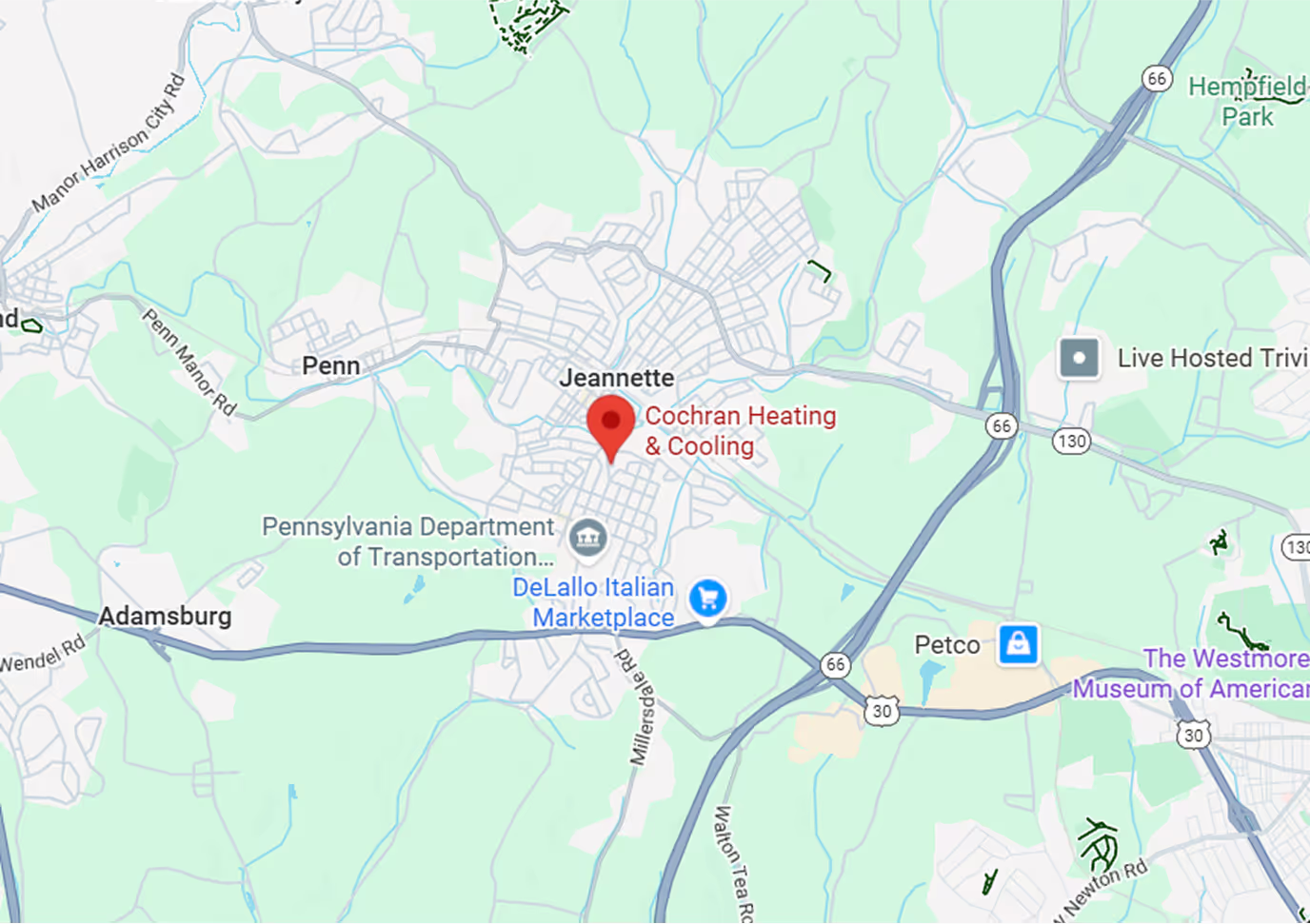
Air Conditioner Repair in Jeannette, PA
Air Conditioner Repair in Jeannette, PA
Is your air conditioner failing to cool your home or business in Jeannette, PA? Are you hearing strange noises, noticing irregular cycling, or experiencing poor airflow? Don’t suffer through the heat; Cochran Heating & Cooling HVAC offers fast, expert air conditioner repair services designed specifically for Jeannette residents and businesses. Our skilled technicians quickly diagnose the problem, explain the necessary repairs, and provide solutions to prevent future breakdowns. Restore your comfort, improve indoor air quality, and reduce energy costs today. Contact us now for prompt, reliable AC repair and get your system running efficiently again.
Get Your Air Conditioner Fixed Today
Don’t wait until the heat becomes unbearable. Our experienced team is ready to provide emergency and routine air conditioner repairs tailored to your needs in Jeannette, PA. Whether it’s a minor fix or a major repair, we ensure your system operates at peak performance. Schedule Your Repair Now
-min%2520(3).jpeg)
Air Conditioner Repair in Jeannette, PA
Keeping your home or small business comfortably cool during Jeannette summers means a reliable air conditioning system. When an AC stops cooling, cycles erratically, or makes unusual noises, fast, accurate diagnostics and repairs are crucial to restore comfort, protect indoor air quality, and avoid higher energy bills. This page explains residential and light-commercial air conditioner troubleshooting and repair tailored to Jeannette, PA homes and businesses, so you know what to expect and how to avoid repeat problems.
Why Timely Air Conditioner Repair Matters in Jeannette, PA
Jeannette experiences warm, humid summers that place heavy load on cooling systems. High humidity and seasonal pollen increase runtime and strain components. Older local homes often have dated ductwork or undersized systems that hide problems until a breakdown. Prompt repair reduces energy waste, prevents secondary damage, and keeps sensitive equipment in light-commercial spaces running reliably.
Common air conditioner failure modes in Jeannette
- Compressor problemsThe compressor is the heart of the AC. Symptoms include weak or no cooling, tripped breakers, loud starting noises, or oil traces. Compressor issues can stem from electrical faults, refrigerant problems, or mechanical failure.
- Capacitor and fan motor failuresCapacitors help start and run motors. A failed run or start capacitor often results in a unit that hums but does not start, or a fan that will not spin. Outdoor condenser fans and indoor blower motors are common wear items.
- Refrigerant leaks and charge issuesLow refrigerant reduces cooling capacity and raises compressor stress. Leaks may be slow and masked by intermittent performance, and common leak points include coil fittings and line-set joints.
- Thermostat and control problemsFaulty thermostats, loose wiring, or control board failures can cause short cycling, no cooling, or incorrect temperature readings.
- Electrical and safety device failuresTripped breakers, burnt wiring, or failed safety switches (high-pressure or float switches) can shut down the system or create unsafe operation.
- Ductwork and airflow problemsRestricted or leaky ducts, clogged filters, and blocked return vents reduce airflow and cause icing, poor cooling, and uneven temperatures.
Diagnostic and troubleshooting process
- Initial inspectionVisual and audible inspection of the outdoor unit, indoor air handler, ducts, and thermostat to identify obvious issues like ice, oil stains, or damaged components.
- System start-up checkVerify outdoor fan and compressor operation, indoor blower function, thermostat communication, and whether the system is short cycling or running continuously.
- Electrical diagnosticsMeasure voltage and current, test capacitors, contactors, and motors for proper function, and inspect breakers and fuses.
- Refrigerant and pressure testingCheck refrigerant pressures and temperatures to determine charge levels and identify signs of leaks. Dye or electronic leak detectors are used when a leak is suspected.
- Airflow analysisInspect and measure airflow, examine filters and duct connections, and check evaporator coil condition to ensure adequate heat transfer.
- System performance verificationConfirm supply and return temperatures and overall cooling capacity to make a repair recommendation based on facts, not guesswork.
Typical repairs and what they involve
- Capacitor and motor replacementsQuick, common repairs. Technicians replace the faulty capacitor or fan motor and verify startup and run performance.
- Compressor replacement or motor repairsMajor repair that may require recovering refrigerant, replacing the compressor, and flushing or replacing associated components. Often takes longer and involves manufacturer-specific parts.
- Refrigerant leak repair and rechargeLocate and repair the leak, replace damaged components if necessary, and recharge to proper specification. Post-repair leak testing ensures durability.
- Thermostat and control board replacementReplace or recalibrate thermostats, repair wiring, or replace failing control boards to restore reliable system communication and control.
- Duct sealing and airflow fixesSeal leaky ducts, clean or replace filters, and correct blocked vents to restore balanced airflow and efficient cooling.
- Electrical repairsRepair or replace wiring, breakers, and safety switches to restore safe, reliable operation.
Emergency and Rapid-Response Availability
In Jeannette, rapid response is important during heat waves when occupants are at risk. Emergency repair services prioritize critical failures such as complete system shutdowns, major refrigerant leaks, or failed compressors in occupied commercial spaces. An emergency response typically includes on-site diagnostics, temporary fixes when necessary, and planning for full repair as soon as parts are available.
Expected timelines and pricing guidance
- Most diagnostic visits are completed in one service call, with simple repairs (capacitors, fan motors, thermostats, filters) often completed the same day.
- More complex jobs (compressor replacement, major refrigerant repairs, or systems requiring special parts) may require ordering parts and take longer, sometimes a day or two.
- Pricing depends on factors such as the required parts, system age, accessibility, refrigerant type, and whether ductwork or electrical upgrades are needed. Expect professionals to provide a clear written estimate after diagnostics that explains cost drivers and warranty terms.
Technician qualifications and warranties
- Technicians should hold EPA 608 certification for refrigerant handling and ideally be NATE certified or have manufacturer-specific training for modern systems.
- Qualified technicians carry proper insurance, follow local code and permitting requirements, and use industry-standard diagnostic equipment.
- Repairs typically include parts and labor warranties. Warranties vary by manufacturer and installer, so expect documentation covering replaced components and a limited labor warranty for a defined period.
Preventive Maintenance Tips for Jeannette Homes and Small Businesses
- Schedule a pre-season tune-up to clean coils, check refrigerant, tighten electrical connections, and test system operation before peak demand.
- Change filters regularly during heavy use, monthly or per filter manufacturer recommendations, to protect coils and maintain airflow.
- Keep the outdoor unit clear of debris, leaves, and overgrown plants. In Jeannette, seasonal leaf fall and mulch can restrict airflow.
- Shade the outdoor unit where possible without blocking airflow to reduce heat load and improve efficiency.
- Inspect ductwork in older homes for leaks and poor insulation that increase cooling load during humid summer days.
- Use programmable or smart thermostats to reduce runtime during unoccupied hours and limit unnecessary wear.
Benefits of Prompt Repair
Timely, expert repairs restore comfort, improve energy efficiency, protect indoor air quality, and extend your equipment life. For Jeannette homeowners and small businesses, prompt action also reduces the chance of mid-summer failures and long downtime when parts and technicians are in high demand.
Q: How quickly can I expect a technician after I report an emergency AC failure?
A: Response times vary with demand and time of day, but emergency requests are prioritized; many critical issues receive same-day attention when technicians and parts are available.
Q: Will you know the problem before coming out?
A: A phone intake helps narrow possibilities, but accurate diagnosis requires on-site testing of pressures, electrical readings, and airflow.
Q: Can a refrigerant leak be repaired the same day?
A: Small, accessible leaks can often be located and repaired same day; larger or hard-to-access leaks may require parts and additional time for a durable repair.
Q: Are repairs covered by warranty?
A: Parts and labor warranties depend on the component manufacturer and installer policies. You should receive warranty details with any written estimate or invoice.
Q: How often should I schedule maintenance?
A: Annual tune-ups before the cooling season are recommended; in high-use environments or homes with pets and pollen, more frequent filter changes are advisable.
Q: Should I replace an older air conditioner or repair it?
A: Consider system age, frequency of failures, efficiency, and remaining life expectancy. A qualified technician can provide a repair vs replace analysis after diagnostics.