HVAC Company in Mt. Pleasant, PA
Your heating and cooling system is absolutely essential for comfort and safety in Mt. Pleasant, PA. With cold, snowy winters and hot, humid summers, homes and small businesses across Westmoreland County face seasonal stresses that can shorten equipment life and reduce efficiency. At Cochran Heating & Cooling, we offer comprehensive HVAC services right here in your area. From furnace and air conditioner repair to indoor air quality solutions, seasonal maintenance plans, emergency diagnostics, and energy-efficiency assessments, we empower you to make informed decisions about installation, replacement, and the long-term performance of your system.
HVAC Company in Mt. Pleasant, PA
Your heating and cooling system is essential for comfort and safety in Mt. Pleasant, PA. With cold, snowy winters and hot, humid summers, homes and small businesses in Westmoreland County face seasonal stresses that shorten equipment life and reduce efficiency. This page explains comprehensive HVAC services available locally — from furnace and air conditioner repair to indoor air quality solutions, seasonal maintenance plans, emergency diagnostics, and energy-efficiency assessments — so you can make informed decisions about installation, replacement, and long-term performance.
Common HVAC problems in Mt. Pleasant homes and light-commercial buildings
Mt. Pleasant properties often combine older construction with regional weather extremes. Typical issues include:
- Furnace failure or poor heating (ignition problems, cracked heat exchangers, outdated units)
- Air conditioner underperformance (low cooling capacity, refrigerant leaks, compressor problems)
- Heat pump cycling or loss of heating in cold snaps
- Uneven temperatures and hot/cold spots from aging ductwork or poor system sizing
- High indoor humidity and condensation during warm months
- Frequent short-cycling due to improper sizing or airflow restrictions
- Indoor air quality concerns (dust, seasonal allergens, mold in ducts or basements)
Understanding these common failures helps prioritize repairs and prevents repeated service calls.
Residential and light-commercial services offered
- Repair and diagnostics for furnaces, air conditioners, heat pumps, mini-splits, and rooftop units
- Installation and replacement of heating and cooling equipment, including system right-sizing and duct corrections
- Mini-split and ductless system installation for zoned comfort without major ductwork
- Seasonal maintenance plans and tune-ups to optimize efficiency and extend equipment life
- Emergency repair response and diagnostics for unexpected breakdowns
- Indoor air quality (IAQ) solutions: high-efficiency filters, UV purifiers, whole-home humidifiers and dehumidifiers, and ventilation upgrades
- Energy-efficiency assessments and recommendations for insulation, thermostat upgrades, and system modernization
- Financing and warranty guidance to evaluate options that protect investment and simplify budgeting
How diagnostics and emergency repair work
A clear, prioritized diagnostic process reduces downtime and prevents misdiagnosis:
- Initial symptom assessment — collect information about noises, timing, smell, and performance.
- On-site safety checks — verify gas lines, electrical connections, and combustion safety for furnaces.
- System-level testing — measure refrigerant pressures, airflow, electrical draw, and thermostat signals.
- Identify root cause — distinguish between component failure, airflow restriction, or system mismatch.
- Repair plan with options — outline immediate repairs, recommended replacements if near end-of-life, and cost vs. efficiency trade-offs.
For emergency situations (no heat in winter or no cooling on a hot, humid day), rapid diagnostics focus first on safety and restoring essential function, then on durable repairs to prevent repeat failures.
Installation and replacement considerations
Selecting a new system in Mt. Pleasant requires attention to climate, home construction, and long-term operating costs:
- Right-sizing balances capacity against efficiency. Oversized systems short-cycle; undersized systems struggle in extreme temperatures.
- Fuel type considerations include natural gas, electric heat pumps, or dual-fuel systems for efficient cold-weather performance.
- Ductwork condition often dictates whether replacement or sealing is necessary for best results.
- Zoning and ductless options (mini-splits) are practical for older homes or additions where extending ducts is costly.
A professional installation includes load calculations, equipment matching to the home, and commissioning to ensure proper airflow and controls.
Seasonal maintenance plans and tune-ups
Regular maintenance is the most reliable way to avoid mid-season breakdowns and maximize efficiency. Typical tune-up tasks:
- Replace or clean filters and check airflow
- Inspect burner, ignition, and heat exchanger for furnaces
- Clean evaporator and condenser coils for air conditioners and heat pumps
- Verify refrigerant levels and look for leaks
- Test safety controls and thermostats
- Lubricate moving parts and check belt tension
- Inspect and seal ductwork where needed
Benefits of a maintenance plan include improved efficiency, extended equipment life, fewer emergency repairs, and documented service history helpful for warranty claims.
Indoor air quality solutions for Mt. Pleasant residences
The local climate and seasonal pollen can affect indoor air quality. Effective IAQ strategies include:
- High-efficiency particulate filters (MERV-rated) to capture dust and allergens
- UV germicidal lights to reduce microbial growth on coils and drain pans
- Whole-home humidifiers to prevent dry winter air and reduce static
- Dehumidifiers or ventilation to control summer humidity and mold risk
- Air purification systems (HEPA/ionization) for allergy and asthma concerns
IAQ solutions can be integrated with existing HVAC systems or installed as standalone units, depending on needs.
Energy-efficiency assessments and upgrades
An energy-efficiency assessment identifies low-cost and capital improvements that reduce utility bills:
- Evaluate system efficiency ratings and projected replacement gains
- Inspect insulation, air sealing, and duct leakage
- Recommend programmable or smart thermostat integration for zoning and scheduling
- Consider heat pump conversions or higher-efficiency furnaces and AC units
- Calculate potential energy savings and expected payback
Local weather patterns mean investments in higher-efficiency equipment often pay back faster through lower winter and summer energy use.
Financing and warranty options
Financing options commonly include interest-bearing payment plans or short-term deferred-interest programs to make upgrades more affordable. Manufacturer warranties typically cover parts and sometimes labor for defined periods; extended service agreements can provide additional protection. Reviewing warranty terms, registration requirements, and recommended maintenance schedules is essential to preserve coverage.
Service area and scheduling information
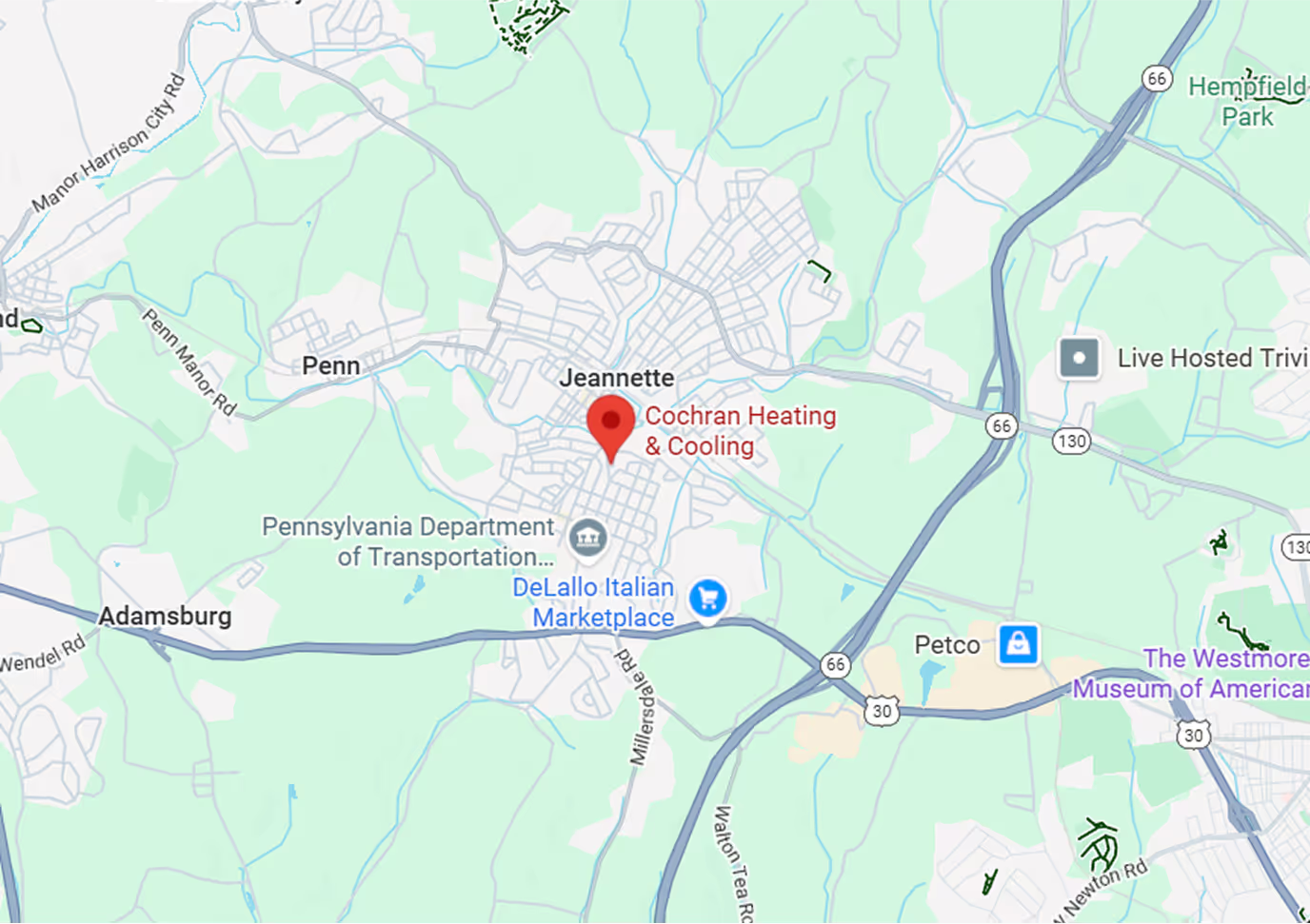
Services are tailored to Mt. Pleasant and surrounding Westmoreland County neighborhoods, including both single-family homes and light-commercial properties. Flexible scheduling options typically accommodate seasonal demand peaks, with emphasis on pre-season tune-ups to reduce high-season delays.
Maintenance advice and why timely action matters
Delaying repairs or skipping seasonal maintenance increases the risk of catastrophic failure during extreme temperatures, reduces system efficiency, and shortens equipment life. Simple seasonal habits for Mt. Pleasant homeowners:
- Change filters monthly during heavy-use seasons
- Keep outdoor condensers clear of debris and snow
- Seal gaps around windows and doors to reduce load on HVAC
- Schedule tune-ups in spring and fall before peak cooling and heating periods
Addressing small problems early prevents larger, more costly issues later and ensures reliable comfort through all seasons.
FAQs
Q: How often should I schedule HVAC maintenance?
A: Twice yearly is recommended—one tune-up before cooling season and one before heating season. More frequent checks may be needed for older systems or homes with pets and allergies.
Q: When is replacement a better choice than repair?
A: Consider replacement when the system is near typical end-of-life (10–15 years for AC, 15–20 for furnaces), repair costs exceed 40% of replacement, or when efficiency gains and reliability of new equipment make it more economical.
Q: Are mini-split systems a good option for older Mt. Pleasant homes?
A: Yes. Mini-splits provide zoned heating and cooling without ductwork, making them ideal for additions, converted attics, or older homes where duct installation is impractical.
Q: What indoor humidity level should I aim for in Mt. Pleasant?
A: Aim for 35–50% relative humidity year-round. Lower humidity in winter reduces condensation; higher humidity in summer increases comfort but may promote mold.
Q: How can I improve indoor air quality quickly?
A: Start with a high-efficiency filter, regular filter changes, and ensuring proper ventilation. For persistent issues, add a whole-house purifier, UV light, or dehumidifier depending on symptoms.