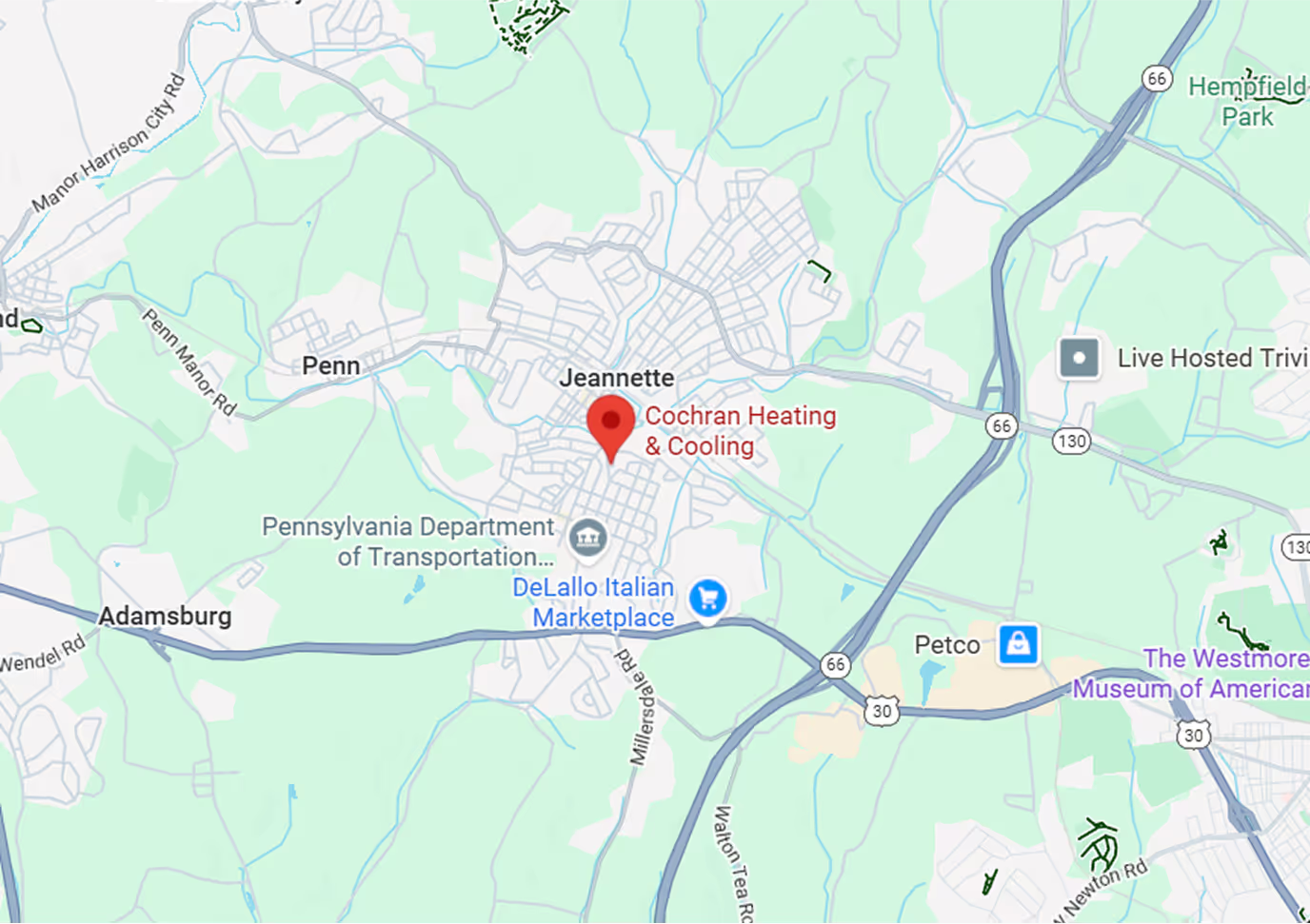
Mini Split Replacement in Jeannette, PA
For homeowners in Jeannette, PA, deciding to replace a mini split system is a significant investment. Given our hot, humid summers and cold winters, a dependable ductless heat pump is crucial for both comfort and managing energy bills. Cochran Heating & Cooling understands this, and we're here to help you determine when replacement is the right choice versus repair. We'll guide you through evaluating your existing equipment, selecting the proper replacement (considering capacity and efficiency), understanding removal and disposal requirements, outlining typical installation steps and timelines, explaining warranty and financing options, detailing expected cost drivers and rebates, and highlighting the tangible benefits of upgrading your system in your Jeannette home.
%2520(1)-min.jpeg)
Mini Split Replacement in Jeannette, PA
Replacing a mini split is a significant decision for Jeannette, PA homeowners. With hot, humid summers and cold winters, a dependable ductless heat pump has a direct impact on comfort and energy bills. This page explains when replacement is the right choice versus repair, how to evaluate existing equipment, selecting the proper replacement (capacity and efficiency), removal and disposal requirements, typical installation steps and timeline, warranty and financing considerations, expected cost drivers and rebates, and the tangible benefits of upgrading in Jeannette homes.
When to replace rather than repair
Consider replacement when one or more of these signs appear:
- Age and end of life - Most mini splits approach end of life after 10 to 15 years. As compressors and electronics age, failures become more frequent and parts harder to source.
- Repeated breakdowns - If you have frequent service visits for the same faults, labor and parts can quickly exceed the value of a new system.
- Significant efficiency loss - Rising energy bills despite routine maintenance often indicate reduced capacity or degraded components. Newer models deliver higher efficiency.
- Major refrigerant issues - Repeated refrigerant leaks or a known leak in older refrigerants may mean recovering performance is not economical.
- Comfort problems - Persistent cold or hot spots, excessive noise, or poor humidity control can signal the system no longer meets the home’s needs.
Evaluating your existing equipment
A clear evaluation helps decide between repair and replacement. Key evaluation points:
- Age and service history - Track installation date and past major repairs.
- Performance metrics - Compare current comfort and energy use against historical patterns or neighbors in similar homes.
- Refrigerant type and condition - Older units using phased-out refrigerants may require replacement rather than retrofit.
- Physical condition - Corrosion, damaged fan motors, or compressor wear often point to future failures.
- Sizing versus current needs - Changes to the home (finished basements, additions, improved insulation or large windows) can make original sizing inadequate.
A professional load calculation is the most reliable way to confirm capacity needs, but these checks quickly identify whether replacement is likely the better investment.
Selecting an energy-efficient replacement
Upgrading gives an opportunity to improve efficiency and comfort. Consider:
- Efficiency ratings - Look for higher SEER and HSPF for cooling and heating efficiency; newer inverter-driven compressors provide better part-load performance.
- Refrigerant and environmental considerations - Newer refrigerants offer better efficiency and lower global warming potential. Compatibility with existing line sets and electrical must be evaluated.
- Single-zone vs multi-zone - Single-zone systems serve one room or open area. Multi-zone systems allow a single outdoor unit to support multiple indoor heads for tailored comfort across bedrooms, living areas, and finished basements. In Jeannette homes with multiple living levels or separated spaces, multi-zone often offers the best balance of comfort and efficiency.
- Noise and filtration - New units are quieter and include improved filters for indoor air quality, a plus for humid summer months and winter allergen control.
- Controls and smart integration - Modern thermostats and zoning controls improve comfort and can reduce wasted runtime.
Removal and disposal
Proper removal protects your home and the environment:
- Refrigerant recovery - Certified recovery is required to remove refrigerant safely and legally.
- Recycling and disposal - Outdoor and indoor components contain recyclable metals and electronics that must be handled according to state and federal rules.
- Site preparation - Old bracket removal, pad replacement, or minor structural work may be needed for the new outdoor unit footprint.
Jeannette homeowners should expect proper documentation of refrigerant handling and disposal to comply with regulations.
Installation process and timeline
Typical steps and what to expect:
- Site assessment and final sizing - Confirm load calculation, ideal locations for indoor heads, and outdoor unit placement.
- Material prep - Line sets, electrical, mounting hardware, and condensate drainage components are staged.
- Removal of old system - Refrigerant recovery and safe disassembly.
- Installation - Mount indoor heads, place outdoor unit, run line sets, wiring, and drain, then evacuate and charge the refrigerant system.
- Commissioning and testing - System is tested for correct charge, airflow, and controls; installers balance zones and explain basic operation.
Most straightforward replacements take one to two days once materials and permits are in place. Complex multi-zone installations or structural adjustments can extend the timeline.
Warranty and financing considerations
Key warranty and financing points to review:
- Manufacturer warranties - Compressors often carry the longest warranties, with parts and labor varying. Confirm what is included for both indoor and outdoor components.
- Extended coverage - Optional extended warranties may be available for parts and labor beyond manufacturer coverage.
- Financing options - Common options include HVAC financing plans, energy-efficiency loans, and payment plans through local lenders. Choosing terms that match expected energy savings can improve cash flow.
- Documentation - Keep installation paperwork, warranty registrations, and refrigerant recovery records for future service and potential rebates.
Expected costs drivers and rebates
Instead of a price number, consider these cost drivers:
- System type - Single-zone units are less expensive than multi-zone systems. Higher capacity and higher efficiency models cost more up front.
- Installation complexity - Long line runs, structural penetrations, electrical upgrades, or multiple indoor head locations increase labor and material needs.
- Permits and inspections - Local permitting is sometimes required and adds time and modest costs.
- Disposal and refrigerant handling - Proper recovery and disposal add to the scope.
Rebates and incentives may be available through Pennsylvania state programs, county energy efficiency initiatives, or utility-sponsored rebates for heat pumps and high-efficiency systems. Federal tax credits for certain energy-efficient heat pump installations can also apply. Homeowners in Jeannette should check current state and local programs for eligibility.
Benefits of upgrading in Jeannette homes
Upgrading a mini split delivers measurable benefits for local homeowners:
- Lower energy bills - Newer heat pumps use less electricity for the same comfort when properly sized.
- Improved comfort - Better zoning, quieter operation, and improved humidity control suit Jeannette’s seasonal extremes.
- Reliable heating in winter - Modern cold-climate heat pumps maintain capacity at lower outdoor temperatures than older models, reducing reliance on backup heat.
- Increased home value and appeal - Energy-efficient HVAC systems are attractive to buyers and reduce long-term maintenance concerns.
- Environmental impact - New refrigerants and higher efficiency reduce greenhouse gas emissions associated with home heating and cooling.
Maintenance and longevity tips after replacement
To maximize lifespan and efficiency:
- Schedule annual or biannual inspections and cleanings.
- Replace or clean filters regularly.
- Keep outdoor unit clear of debris and ensure airflow.
- Monitor for unusual sounds or performance changes and address issues early.
Q: How do I know if my mini split is better replaced than repaired?
A: Repeated repairs, age over 10 to 15 years, significant efficiency loss, refrigerant leaks, or persistent comfort issues generally favor replacement over repair after a cost-benefit evaluation.
Q: Should I choose a single-zone or multi-zone mini split for my home in Jeannette?
A: Choose single-zone for one frequently used room or small open areas. Choose multi-zone when you need independent control across multiple rooms or levels. A load calculation will confirm the best choice.
Q: What is involved in removing an old mini split?
A: Removal includes certified refrigerant recovery, disassembly of indoor and outdoor components, safe disposal or recycling of materials, and any necessary site restoration.
Q: Are there rebates or incentives available in Pennsylvania for upgrading to a high-efficiency mini split?
A: Rebates and tax credits are often available through state programs, local incentives, and utility programs. Eligibility and amounts vary, so check current Pennsylvania and county offerings.
Q: How long does installation usually take?
A: After site assessment and permits, most single- or small multi-zone replacements are completed in one to two days. Larger or more complex installs can take longer.