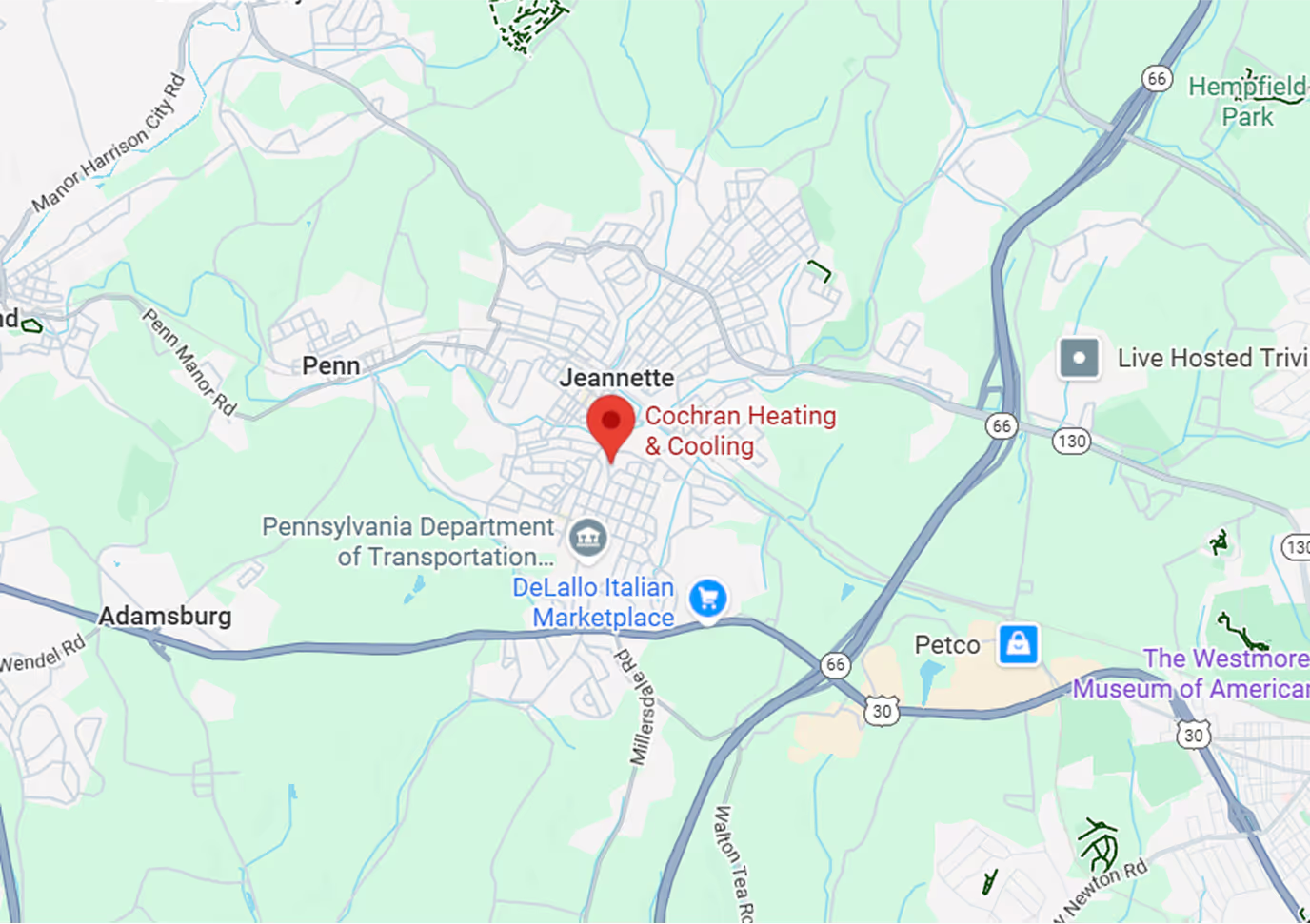
Heating Replacement in Jeannette, PA
Is your heating system struggling to keep your Jeannette, PA home warm during the cold winter months? Frequent breakdowns, uneven heating, or rising energy bills can make winter uncomfortable and costly. At Cochran Heating & Cooling, we understand these challenges and offer expert heating maintenance and replacement services designed to restore comfort, improve safety, and enhance energy efficiency.
Don’t wait for a mid-winter emergency; our professional technicians provide thorough inspections, tune-ups, and repairs to keep your furnace or boiler running reliably all season long. Ready to solve your heating problems and enjoy a cozy home? Contact us today to schedule your heating service and experience the benefits of our Cochran Comfort Contract maintenance plan.
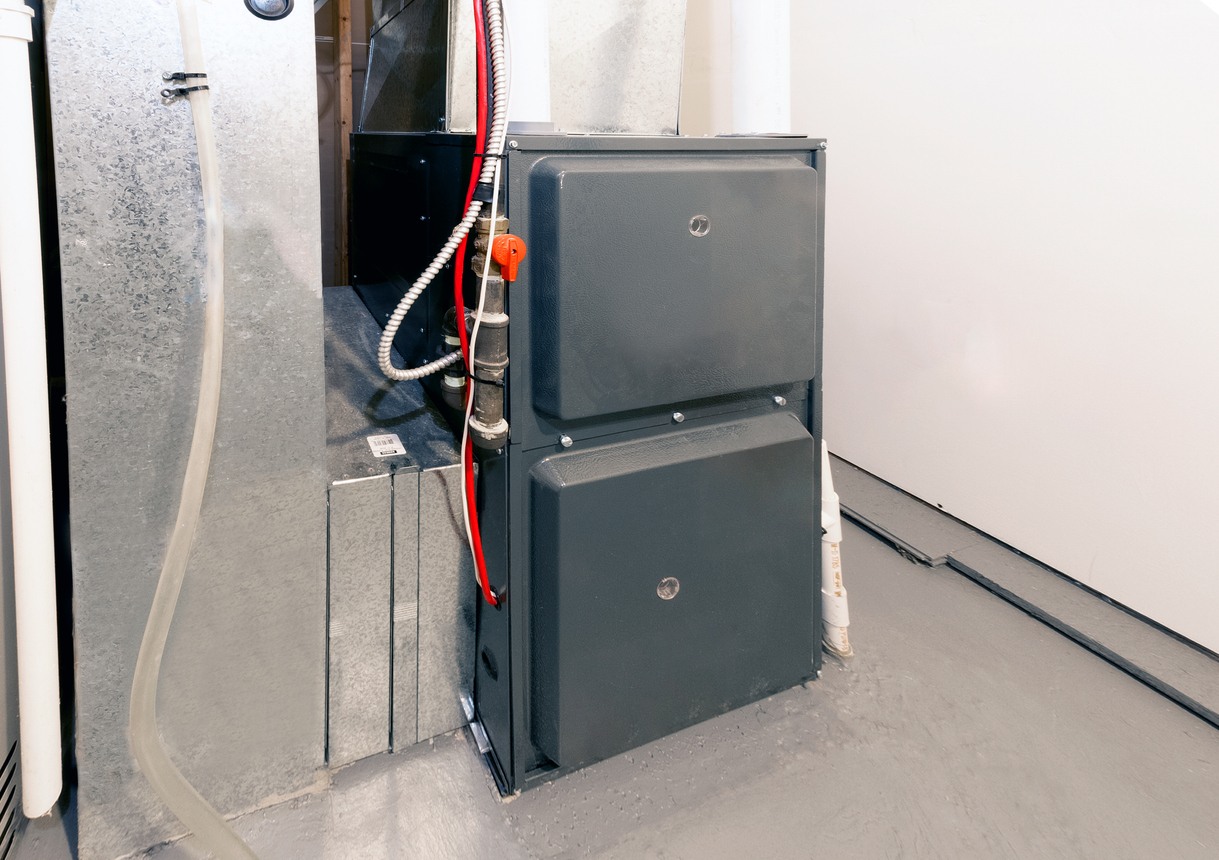
Get Your Heating System Ready for Winter
Ensure your home stays warm and safe with expert heating maintenance and replacement services from Cochran Heating & Cooling. Our experienced team in Jeannette, PA is here to help you avoid costly breakdowns and improve your system’s efficiency. Schedule your service now and take the first step toward worry-free winter comfort.
Heating Replacement in Jeannette, PA
Replacing a whole heating system is one of the most impactful home upgrades for comfort, safety, and long-term energy savings in Jeannette, PA. Winters here are cold and often prolonged, and many homes in the area were built decades ago with aging furnaces, boilers, or undersized ductwork. A thoughtful, professionally executed heating replacement improves steady indoor temperatures, reduces repair headaches, and lowers monthly energy use when the new equipment is properly sized and installed.
When Replacement is Recommended vs Repair
Technicians decide between repair and replacement based on a combination of factors that affect safety, reliability, and value:
- Age and expected life span of equipment. Older furnaces, boilers, or heat pumps often reach the point where annual repairs exceed what a modern system would cost to operate.
- Frequency and cost of recent repairs. Repeated breakdowns or major component failures signal a pattern where replacement is usually more economical.
- Efficiency and fuel type. Upgrading to a high-efficiency furnace or heat pump can deliver large energy savings compared with older low-AFUE or oil-fired systems common in older Jeannette homes.
- Safety and compliance. Cracked heat exchangers, persistent carbon monoxide concerns, or obsolete refrigerants require prompt replacement.
- Comfort and capacity issues. If the system cannot maintain temperature or results in large room-to-room differences, a replacement with correct sizing and zoning may be needed.
Types of Whole-System Replacements and How They Compare
High-efficiency furnaces (gas or oil)
- Pros: Reliable, strong heating output for cold winters, good compatibility with existing ductwork.
- Considerations: Look at AFUE ratings; higher AFUE means better fuel-to-heat conversion. In Jeannette, natural gas furnaces are a common choice where gas service is available. Oil furnaces remain in older properties and require specialized replacement procedures.
Boilers (hot water or steam)
- Pros: Excellent for older radiators and slate floors, comfortable radiant heat.
- Considerations: Modern condensing boilers increase efficiency significantly but may require different venting and condensate handling.
Heat pumps (air-source, cold-climate, ductless mini-split, or geothermal)
- Pros: Highly efficient, provide both heating and cooling, reduce dependence on fossil fuels.
- Considerations: Cold-climate air-source heat pumps are viable in Westmoreland County and can perform well with properly sized units and supplemental heating strategies in deep cold. Ductless systems can be ideal for homes lacking ducts.
Choosing between these options depends on existing infrastructure, fuel availability, desired efficiency, and long-term goals for carbon reduction and utility cost control.
Sizing and Load-Calculation Considerations
Proper sizing is critical. Oversized systems cycle too frequently, causing wear and uneven comfort, while undersized systems struggle to meet demand.
Load calculation process
- A Manual J heating load calculation evaluates your home’s insulation, windows, orientation, air infiltration, and local design temperatures to determine required capacity.
- Manual S or equivalent selection guidance is used to match equipment to the load, considering distribution losses and system type.
Ductwork and distribution
- For forced-air systems, evaluating duct design, leakage, and airflow is essential. In Jeannette homes with older ducts, repairs or sealing can be required to realize the full efficiency gains of a new furnace or heat pump.
- For hydronic systems, pipe sizing and pump selection matter to ensure even heat distribution.
The Replacement Process: What to Expect
Evaluation and proposal
- Technicians perform a site survey, combustion safety checks, and load calculations, then present system options, efficiency comparisons, and timeline estimates.
- Removal and disposal of old equipment
- Safe disconnect of gas, oil, or electric feeds, recovery of refrigerant according to regulations, and responsible disposal or recycling of metal and components.
- Oil tanks and contaminated fluids require specific handling and local compliance.
Installation and commissioning
- Typical replacement work includes mechanical demolition of the old unit, installation of new equipment, necessary duct or piping modifications, flue and venting updates, electrical connections, and thermostat setup.
- The installer will test combustion performance, airflow, refrigerant charge if applicable, and verify safety controls. Detailed commissioning ensures the system operates to manufacturer specifications.
Timelines
- A full-system replacement schedule depends on equipment lead times, site complexity, and whether ductwork or structural changes are needed. Expect the process to span from an initial inspection and quote to final commissioning over several days to a few weeks for planning and ordering, with the actual on-site installation often completed within a few consecutive workdays in straightforward cases.
Expected Costs and Financing Options
Replacement costs depend on equipment type, efficiency level, complexity of installation, duct or piping work, permit requirements, and disposal needs. Financing options commonly include:
- Manufacturer-backed financing or installment plans for qualifying equipment.
- Home improvement loans or lines of credit.
- Utility and state energy efficiency incentives that reduce upfront costs.
- Third-party financing programs that spread payments over time.
Carefully review financing terms, interest rates, and any available rebates to compare true long-term costs and savings.
Warranties and Long-Term Benefits
Manufacturer warranties
- New systems come with manufacturer warranties that typically cover parts for a specified term and sometimes the heat exchanger or compressor for a longer duration. Extended warranties or registration may be required to access full coverage.
Labor warranties
- Look for installation labor warranties from the installing contractor that cover workmanship and installation-related issues.
- Energy-savings and comfort benefits
- Upgrading to high-efficiency equipment reduces fuel consumption and stabilizes monthly bills. Modern controls and zoning improve comfort by minimizing hot or cold spots and enabling precise scheduling.
- In Jeannette’s climate, a properly sized high-efficiency furnace or cold-climate heat pump can provide noticeable savings while improving reliability during prolonged cold spells.
Maintenance and Care After Replacement
- Annual tune-ups keep systems running efficiently and safely, including combustion analysis for fuel-fired equipment and refrigerant checks for heat pumps.
- Regular filter replacement and periodic duct inspections maintain airflow and indoor air quality.
- Keep outdoor units clear of snow and debris and ensure proper clearance around vents and intakes.
- Maintain documentation of service and warranty registration to protect coverage.
FAQ's
Q: How do I know if my heating system needs replacement rather than repair?
A: Replacement is advisable if your system is near or beyond expected life span, requires frequent costly repairs, has safety issues such as a cracked heat exchanger, performs poorly, or would be significantly more efficient when replaced with modern equipment.
Q: Which system is best for Jeannette homes, a furnace, boiler, or heat pump?
A: The best choice depends on your existing infrastructure, fuel availability, comfort preferences, and long-term efficiency goals. Gas furnaces are common where gas service exists, boilers suit hydronic radiator systems, and modern cold-climate heat pumps offer high efficiency and dual heating-cooling capability.
Q: How long does a full-system heating replacement take?
A: After the initial inspection and equipment ordering, the on-site work for a straightforward replacement is often completed within a few consecutive days. More complex jobs involving ductwork, gas piping, or structural modifications can take longer.
Q: Will a new system lower my energy bills?
A: Yes. Higher efficiency ratings and proper sizing reduce fuel consumption. Combined with duct sealing, insulation improvements, and modern thermostat controls, you should see measurable energy savings and improved comfort.
Q: What should I check about warranties before replacing my heating system?
A: Confirm the manufacturer parts warranty duration and coverage details, any required product registration steps, and whether the installer provides a labor warranty. Ask about coverage for major components like heat exchangers or compressors.
Q: Are there incentives or financing available for heating replacements?
A: Various financing options and energy efficiency incentives are commonly available, including manufacturer programs, utility rebates, and third-party lenders. Review eligibility criteria and total repayment terms before choosing a plan.
Q: Will the old unit be removed and disposed of properly?
A: Yes. Proper replacement includes safe disconnection, refrigerant recovery where applicable, and responsible disposal or recycling of metals and hazardous materials in compliance with local regulations.
Q: How important is correct sizing and load calculation?
A: Correct sizing is essential. Manual J load calculations and professional equipment selection ensure you install a system that delivers consistent comfort, runs efficiently, and avoids premature wear from improper cycling.