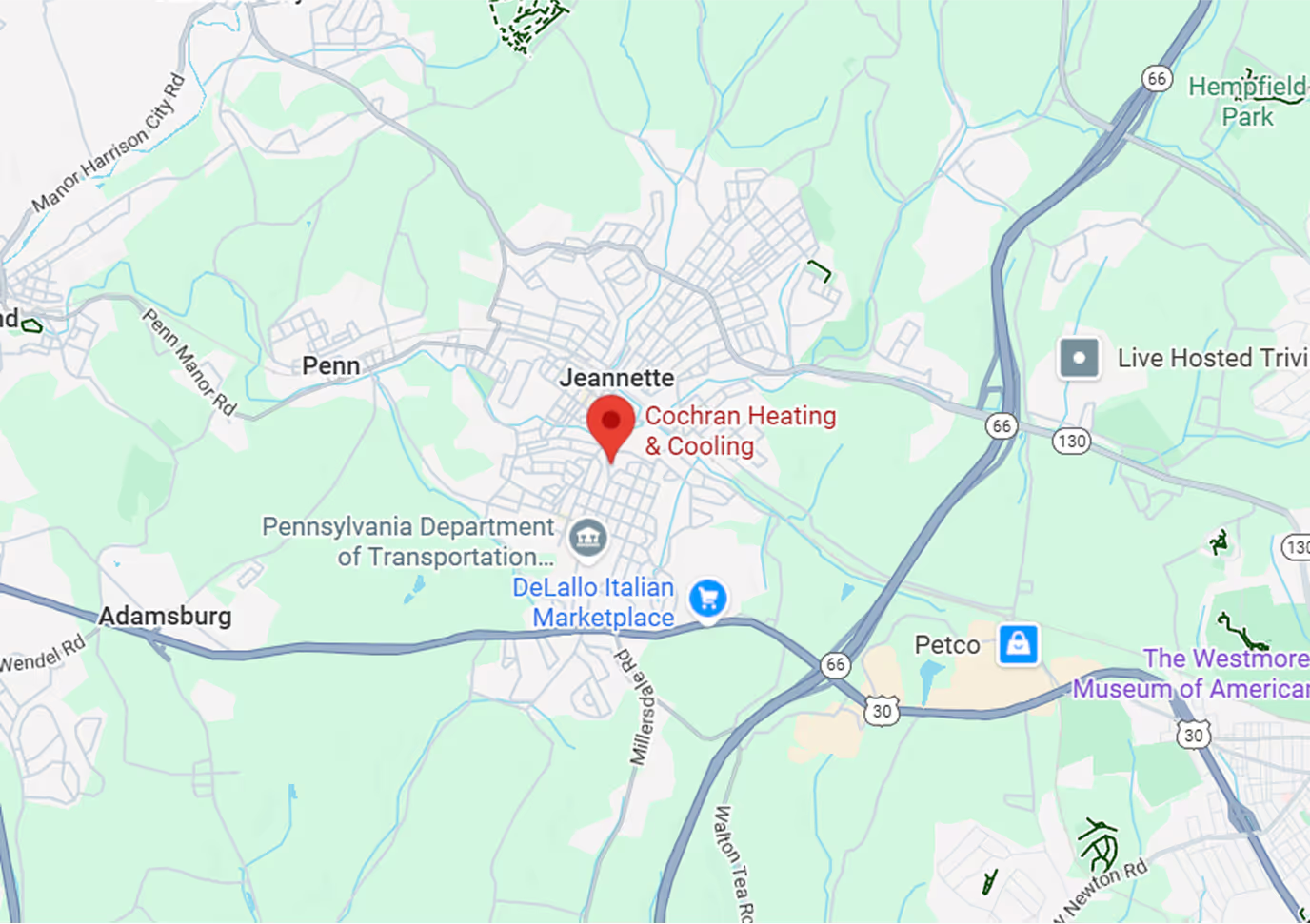
Geothermal Maintenance in Jeannette, PA
Living in Jeannette, PA, means experiencing the full swing of seasonal extremes. That's why a well-maintained geothermal system is so crucial for consistent, energy-efficient heating and cooling. At Cochran Heating & Cooling, we understand the importance of safeguarding your investment. Regular maintenance not only minimizes operating costs during those cold winters and humid summers but also helps prevent unexpected breakdowns. Think of it as peace of mind, knowing your system is ready to handle whatever the Pennsylvania weather throws its way. We'll walk you through what a professional geothermal maintenance plan with Cochran Heating & Cooling includes, common issues we've seen in Jeannette homes, recommended service intervals, and the key diagnostics our technicians perform. Ultimately, it's about the measurable benefits of ongoing preventative care for long-term comfort and system reliability.
.jpeg)
Geothermal Maintenance in Jeannette, PA
A well maintained geothermal system delivers steady, efficient heating and cooling through Jeannette, PA seasonal extremes. Regular geothermal maintenance protects your investment, keeps operating costs low during cold winters and humid summers, and reduces the chance of midseason breakdowns when you need comfort most. This page explains what a professional geothermal maintenance plan covers, common problems seen in Jeannette homes, recommended schedules, diagnostics performed, and the concrete benefits of preventative care.
Why geothermal maintenance matters in Jeannette, PA
Jeannette experiences cold, snowy winters and warm, humid summers. That variability increases annual load on ground source heat pumps and loop fields. Local soil and groundwater conditions in Westmoreland County can affect loop performance over time. Routine checks ensure the ground loop, heat pump components, and control systems operate as intended so your system remains efficient and dependable year after year.
Common geothermal maintenance issues in Jeannette homes
- Reduced heating or cooling capacity during peak seasons
- Rising utility bills despite similar usage patterns
- Short cycling, frequent on/off cycles, or system tripping breakers
- Unusual noises from the compressor or indoor unit
- Low loop flow rate or pressure drops indicating potential leaks or circulator problems
- Degraded loop fluid quality causing corrosion or freezing point changes
- Dirty filters and poor airflow reducing efficiency and comfort
- Faulty controls, thermostat drift, or sensor errors leading to poor staging and comfort
Typical maintenance services and tune-ups
Most geothermal maintenance plans include seasonal tune-ups tailored to the system type and local conditions. Typical services performed during a visit include:
- Visual inspection of indoor and outdoor equipment and loop field access points
- Heat exchanger and compressor inspection for wear, oil contamination, and electrical load monitoring
- Loop field checks: pressure, flow rate, and manifold condition; inspection for signs of surface pooling or disturbance that could affect loops
- Loop fluid analysis: concentration, pH, and contamination screening when indicated
- Circulator and valve operation checks; confirmation of proper flow and pump amperage
- Filter inspection and replacement or cleaning recommendations
- Control system and thermostat calibration, control board inspection, and software/firmware checks when applicable
- Performance testing: measuring entering and leaving fluid temperatures, delta T across the heat exchanger, and basic efficiency indicators to confirm COP trends
- Electrical testing: voltage, amp draw, contactor checks, and safety control verification
What a thorough geothermal maintenance visit looks like
- System startup and visual check of heat pump and indoor distribution equipment.
- Inspect and test electrical components and compressor performance under load.
- Measure fluid temperatures entering and leaving the loop and indoor heat exchanger to determine actual system delta T.
- Check loop pressure and flow. If pressure loss or low flow is detected, perform targeted diagnostics such as pump performance testing or manifold inspection.
- Collect loop fluid sample for analysis when recommended, especially if the system shows signs of corrosion or freeze protection issues.
- Replace or clean filters, verify air handler cleanliness, and inspect condensate drainage.
- Confirm thermostat settings, zone controls, and remote communications if present.
- Provide a clear service summary documenting any deficiencies, recommended repairs, and expected impacts on performance and efficiency.
Recommended maintenance schedule for Jeannette systems
- Seasonal tune-ups: twice yearly (spring and fall) to prepare for heavy cooling and heating seasons.
- Filter checks: every 1 to 3 months depending on household factors like pets and indoor air quality.
- Loop pressure and flow verification: annually, more often if there are signs of problems.
- Loop fluid testing and treatment: every 3 to 5 years or sooner if contaminants or performance decline are suspected.
- Comprehensive compressor and heat exchanger inspection: annually during a full tune-up.
- Controls and thermostat inspection: annually; calibrate as needed.
Preventative care benefits
- Improved energy efficiency and lower monthly operating costs through tuned system performance
- Longer system life for both the ground loop and the heat pump components
- Reduced risk of emergency failures at peak seasonal demand times
- Consistent indoor comfort and fewer hot or cold spots
- Early detection of small issues before they become costly repairs
What to expect from a service agreement
A geothermal maintenance service agreement typically standardizes seasonal visits, scheduled performance testing, and routine parts inspections. Agreements often outline included inspections, recommended testing intervals, and options for add on services such as fluid analysis or priority scheduling. For homes in Jeannette, agreements can be tailored to seasonal needs, accounting for heavier winter loads and local soil or drainage considerations that affect loop access and condition.
Troubleshooting common faults and what maintenance resolves
- Symptom: Reduced output and rising bills. Likely causes: low loop flow, dirty filters, or declining compressor performance. Maintenance addresses airflow, pump operation, and performance testing to isolate the cause.
- Symptom: System short cycles. Likely causes: control misconfiguration, refrigerant or fluid issues, or faulty sensors. Maintenance includes control calibration and electrical diagnostics to eliminate improper cycling.
- Symptom: Pressure loss in loop. Likely causes: leak, pump failure, or manifold fault. Maintenance begins with pressure and flow testing and may include targeted excavation or loop system repairs when a leak is confirmed.
- Symptom: Noisy compressor or vibration. Likely causes: mounting issues, failing bearings, or motor stress. Maintenance inspects mounting, measures amp draw, and evaluates compressor condition.
Maintenance tips for Jeannette homeowners
- Schedule a tune-up in early fall before winter demand increases.
- Keep mechanical room and loop access areas clear of debris and standing water. Jeannette seasonal rain and thaw cycles can affect site drainage.
- Replace or clean filters more frequently if you have pets or elevated dust.
- Track energy use and comfort changes; small shifts often indicate maintenance needs before failures occur.
FAQs
Q: How often should I schedule geothermal maintenance in Jeannette, PA?
A: Plan seasonal tune-ups twice a year (spring and fall). Perform filter checks every 1 to 3 months and conduct loop pressure and flow verification at least annually. Loop fluid testing is recommended every 3 to 5 years or sooner if performance declines.
Q: What are the signs my geothermal loop field needs attention?
A: Signs include unexplained pressure loss, lower heating or cooling capacity, decreased flow rates, or surface pooling near manifold access points. Any of these should prompt a professional loop inspection.
Q: Will maintenance extend the life of my geothermal system?
A: Yes. Regular maintenance preserves heat pump efficiency, prevents premature component wear, and helps the ground loop remain effective, all of which contribute to longer system life.
Q: What does loop fluid testing involve and why is it important?
A: Loop fluid testing checks antifreeze concentration, pH, and contaminants that can cause corrosion or change freeze protection. Proper fluid condition protects the loop and system components.
Q: How long does a typical geothermal tune-up take?
A: A full tune-up typically takes one to two hours depending on system complexity and whether tests or fluid sampling are required.
Q: Can routine maintenance prevent emergency breakdowns in winter?
A: Regular preventive maintenance significantly reduces the likelihood of emergency failures by catching wear, control issues, and flow problems before peak seasonal demand.