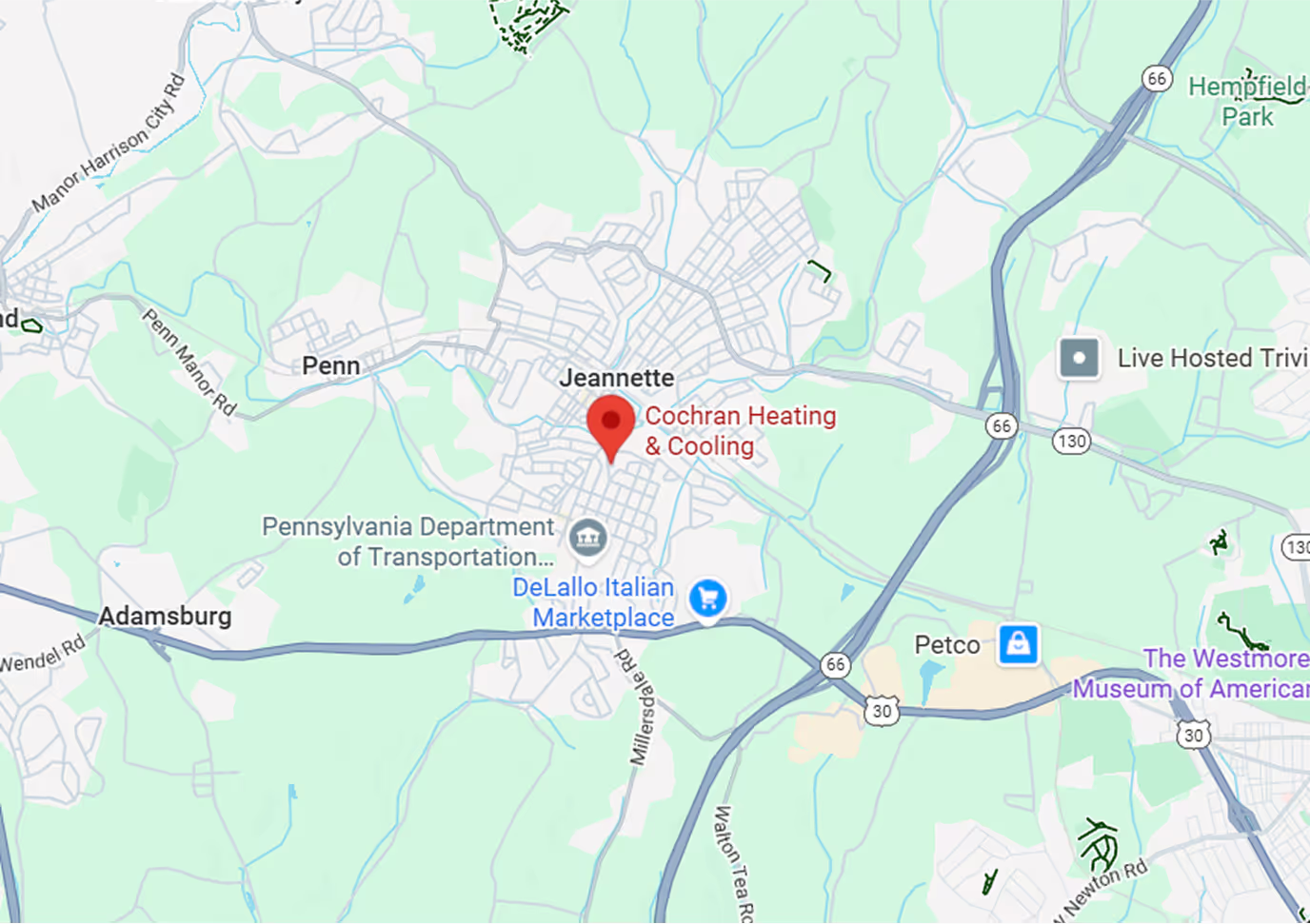
Mini Split Maintenance in Jeannette, PA
To keep your mini-split heat pumps running smoothly in Jeannette, PA, Cochran Heating & Cooling recommends routine care tailored to our seasonal changes. Humid summers, freezing winters, and the challenges of pollen, road salt, and falling leaves can all cause issues like airflow blockages, coil buildup, refrigerant problems, and clogged drain lines. Left unchecked, these problems can reduce efficiency and cause premature wear. Cochran Heating & Cooling provides professional tune-ups that catch these issues early, helping your system perform at its best and prolonging its lifespan. Regular maintenance ensures your home stays comfortable year-round without unexpected breakdowns.

Mini Split Maintenance in Jeannette, PA
Keeping mini split heat pumps running reliably in Jeannette, PA requires routine attention tailored to our seasonal swings. With humid summers, cold winters, and periods of pollen, road salt, and falling leaves, mini splits in Jeannette homes can develop airflow restrictions, coil fouling, refrigerant issues, and drain line clogs that reduce efficiency and lead to premature wear. Regular tune-ups address these problems before they become emergency repairs, restore peak performance, and extend equipment life.
Common mini split issues in Jeannette, PA
- Reduced cooling or heating capacity after heavy pollen season or during muggy July conditions.
- Frequent short cycling or noisy operation caused by electrical or control issues after winter freeze-thaw cycles.
- Clogged drain lines and mold growth during humid months leading to odors or condensation inside the home.
- Refrigerant leaks or low charge revealed as poor heating performance on cold days.
- Outdoor unit corrosion or debris buildup from road salt and falling leaves in autumn.
- Dirty or obstructed filters and indoor coils that raise energy use and lower comfort.
What routine mini split maintenance includes
A professional mini split tune-up is a systematic inspection and cleaning process designed to restore efficient operation and identify developing faults early.
- Filter cleaning or replacement
Clean or replace washable and disposable filters. Clean filters improve indoor air quality and restore airflow. - Indoor coil cleaning
Gently remove dust, pollen, and film from evaporator coils to improve heat transfer and reduce freeze-up risk. - Outdoor coil and unit cleaning
Clear leaves, debris, and road salt deposits from the condenser coil and fan area to improve condensing performance. - Refrigerant level check and leak inspection
Verify refrigerant charge and monitor pressures/temperatures for signs of leaks or undercharge that impair heating in winter. - Electrical and safety inspections
Tighten terminals, check capacitors, contactors, sensors, and safety controls to reduce risk of electrical failures. - Drain line clearing and pan sanitation
Clear condensate lines, flush drain pans, and treat microbial buildup to prevent clogs, odors, and water damage. - Performance testing
Measure airflow, temperature differentials, and system runtime to confirm the unit is meeting expected performance targets. - Defrost and cycle checks (for heat pump models)
Confirm defrost operation and sensor function so heating remains reliable during Jeannette’s cold snaps. - Thermostat and control verification
Test remote controls and wall interfaces for accurate setpoints and scheduling.
Diagnostic and tune-up process (what to expect)
- Visual inspection of indoor and outdoor units for damage, corrosion, and debris.
- Filter removal and cleaning or replacement.
- System power-up and electrical check: breakers, wiring, capacitors, and safety devices.
- Airflow measurement and ductless airflow path inspection to ensure unobstructed distribution.
- Coil cleaning with appropriate non-corrosive cleaners and gentle rinsing where needed.
- Refrigerant system check using pressure and temperature readings; look for leaks or incorrect charge.
- Drain line clearing and pan treatment to remove biological film and ensure free drainage.
- Operational checks in heating and cooling modes with temperature split and run-time verification.
- Technician report summarizing findings, recommended repairs, and next service interval.
Technicians use both visual checks and objective measurements to prioritize required repairs. In Jeannette, emphasis is often placed on ensuring heat pump function heading into winter and on drain/coil care entering humid summer months.
Maintenance plans and service contracts
Maintenance plans for mini splits typically offer structured recurring visits that match local climate needs. Common plan elements include:
- Scheduled seasonal tune-ups (for example, spring for cooling and fall for heating).
- Priority scheduling for after-hours issues or mid-season concerns.
- Multi-unit pricing for homes with several indoor heads or multiple properties in the area.
- Detailed service records and performance reports to track system health and help preserve warranty coverage.
- Options for filter-only service visits between full tune-ups for homes with heavy pollen or pet hair.
Recurring visits are usually set on a seasonal (twice a year) or annual basis depending on usage and indoor air quality needs. For Jeannette homes with high humidity or heavy pollen exposure, a twice-yearly schedule (pre-summer and pre-winter) is commonly recommended.
Benefits of regular mini split maintenance
- Improved energy efficiency: Clean coils and proper refrigerant charge reduce run times and lower energy bills during Jeannette’s hot, humid summers and cold winters.
- Longer equipment life: Routine lubrication, cleaning, and electrical maintenance reduce wear on compressors and fans.
- Fewer emergency repairs: Early detection of leaks, worn components, and electrical faults prevents mid-season breakdowns.
- Consistent comfort: Properly tuned systems maintain even temperatures and humidity control across living spaces.
- Better indoor air quality: Clean filters and drain lines mean fewer allergens and reduced mold growth.
- Warranty protection: Many manufacturers require regular maintenance to keep warranty coverage valid.
Seasonal recommendations for Jeannette, PA
- Spring: Full pre-cooling service to clean coils and confirm refrigerant levels before the humid months. Consider filter refresh after winter.
- Late summer: Filter checks and drain line inspection after heavy pollen and dust exposure.
- Fall: Pre-winter heat pump check including defrost function, refrigerant verification, and outdoor unit protection from leaves.
- Winter: Monitor for ice buildup and ensure mounting and linesets are secure after freeze-thaw cycles.
After a maintenance visit: documentation and next steps
Expect a service report that outlines work performed, measured performance data, and any recommended repairs. Typical follow-ups might include targeted repairs (electrical, refrigerant repair, or component replacement) or scheduling the next seasonal visit. Keeping a maintenance record is useful when evaluating long-term performance or planning system upgrades.
FAQs
Q: How often should mini split units in Jeannette be serviced?
A: For most Jeannette homes, a full tune-up twice a year—once before cooling season and once before heating season—is recommended; homes with heavy pollen, pets, or high humidity may benefit from additional mid-season filter checks.
Q: Will maintenance help if my mini split is taking longer to cool or heat?
A: Yes. Reduced performance is often caused by dirty coils, clogged filters, refrigerant charge issues, or airflow restrictions that routine maintenance is designed to identify and correct.
Q: Do technicians check refrigerant during a basic maintenance visit?
A: Yes. A proper tune-up includes refrigerant level verification and pressure/temperature checks to spot undercharge or leaks.
Q: Can routine maintenance prevent costly compressor failure?
A: Regular maintenance reduces the risk by ensuring electrical components, refrigerant charge, and lubrication are correct, all of which lessen stress on the compressor.
Q: Are drain line clogs common in this area and how are they addressed?
A: Drain line clogs are common during humid months and after pollen season; maintenance includes clearing the line, cleaning the pan, and applying treatments to discourage microbial growth.
Q: What should I look for between professional visits?
A: Monitor filters and clean or replace as needed, keep outdoor unit clear of debris, watch for unusual noises or odors, and note any sustained loss of cooling or heating.