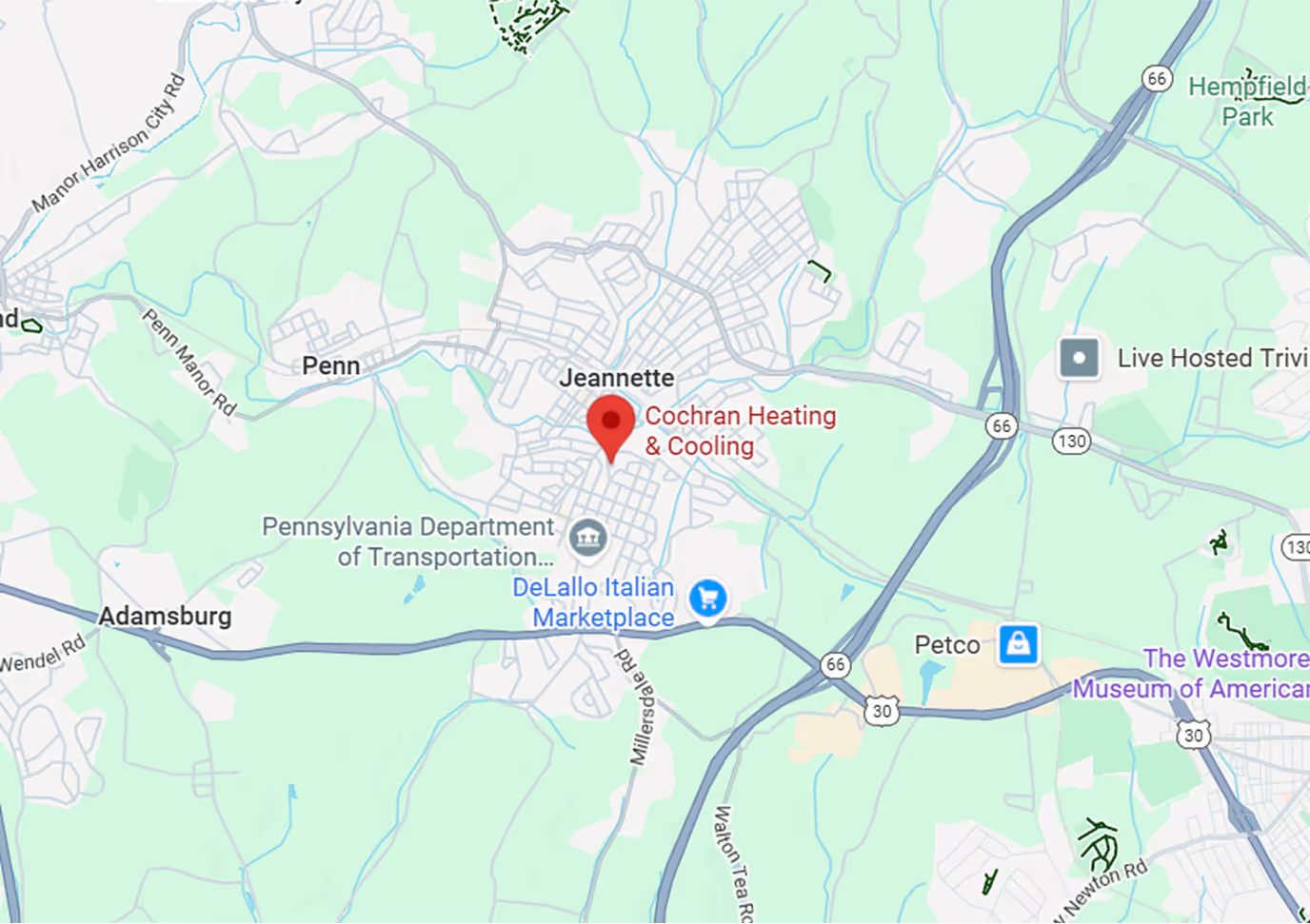
Heat Pump Repair in Jeannette, PA
When your heat pump fails in Jeannette, PA, it directly impacts your comfort and energy bills, especially during our cold winters and humid summers. Heat pump repair in Jeannette, PA, with a trusted company like Cochran Heating & Cooling, focuses on quickly restoring reliable heating and cooling. We address the root cause to prevent those frustrating repeat breakdowns. Older systems, frequent cycling due to seasonal temperature swings, and the regional dust and pollen can really accelerate wear and tear on key components.
-min.jpeg)
Heat Pump Repair in Jeannette, PA
When your heat pump fails in Jeannette, PA, it directly affects comfort and energy bills during both cold winters and humid summers. Heat pump repair in Jeannette, PA focuses on restoring reliable heating and cooling quickly while addressing the root cause to prevent repeat breakdowns. Older systems, frequent cycling caused by seasonal temperature swings, and regional dust and pollen can accelerate wear on key components. This page explains common failure symptoms, how trained technicians diagnose problems, typical repairs performed, emergency response expectations, parts and warranty norms, pricing factors, and the usual scheduling process so you know what to expect when arranging service for your home.
Common heat pump failure symptoms in Jeannette, PA homes
Recognizing symptoms early reduces downtime and prevents more expensive damage. Common signs that a heat pump needs repair include:
- No heating or cooling: System runs but does not produce conditioned air at the thermostat setting.
- Strange noises: Grinding, screeching, or loud rattling which may indicate failing bearings, loose components, or debris in the outdoor unit.
- Loss of efficiency: Rising energy bills or the system running constantly to maintain temperature.
- Short cycling: Frequent on/off cycles that stress compressors and electrical components.
- Weak airflow: Reduced air volume from vents often caused by blower motor issues, clogged filters, or duct problems.
- Ice buildup: Frost or ice on the outdoor coil outside of normal defrost cycles.
- Heat exchanger or refrigerant smells: Unusual odors suggesting refrigerant leaks or electrical overheating.
Diagnostic procedures used by trained technicians
A systematic, professional diagnostic approach isolates the failure without unnecessary repairs:
- Initial interview and system history: Collects model, age, past repairs, and symptom timeline.
- Visual inspection: Checks outdoor unit, indoor blower, coil condition, drainage, and obvious wiring damage.
- Electrical testing: Measures voltage, amperage, continuity, and verifies capacitors, contactors, and control boards.
- Refrigerant and pressure checks: Uses gauges and leak detectors to confirm refrigerant charge and locate leaks.
- Airflow and duct analysis: Measures static pressure and airflow to identify blockages, dirty filters, or duct leaks.
- Thermostat and control verification: Confirms correct settings and communication between control systems.
- Operational testing: Observes system through a full heating or cooling cycle, including defrost for cold-weather performance.
Technicians use these findings to produce a clear repair plan and a written estimate before work begins.
Typical heat pump repairs in Jeannette, PA
Common repairs address the parts that most frequently fail or degrade in our climate:
- Compressor repair or replacement: When the heart of the system fails, technicians evaluate whether compressor replacement or full system replacement is the most economical option.
- Reversing valve servicing: Faulty reversing valves can prevent a heat pump from switching between heating and cooling.
- Blower motor and fan motor repairs: Replacements, capacitor changes, bearing lubrication, or motor cleaning to restore airflow.
- Refrigerant leak repair and recharge: Locating and repairing leaks, evacuating, and recharging to the correct charge per manufacturer specs.
- Defrost control repair: Ensuring reliable defrost cycles so outdoor coils do not ice up in winter.
- Control board and sensor replacement: Replacing failed electronics or sensors that cause erratic operation.
- Capacitors and contactors: Replacing worn start/run capacitors and electrical contactors that fail under load.
- Coil cleaning and minor duct repairs: Improving heat transfer and airflow for better efficiency.
Repairs prioritize safety, code compliance, and long-term reliability. Where replacement is recommended, technicians explain the reasons and provide options.
Emergency response and turnaround times
Jeannette winters can demand quicker service when heating fails. Typical response timelines in the area are:
- Emergency situations: For no-heat calls in freezing weather, same-day or next-day priority responses are common, with on-site arrival times varying by demand and weather conditions.
- Standard diagnostic visits: Expect a diagnostic visit to take 60 to 90 minutes on average, including testing and estimate preparation.
- Repair duration: Minor repairs (capacitor, contactor, refrigerant top-off) often complete in 1 to 3 hours. Major repairs (compressor replacement or complex refrigerant repairs) can take 4 hours or more and sometimes require ordering parts, extending turnaround.
- Parts lead times: Common replacement parts often available locally; specialized or older-model components may require 24 to 72 hours for delivery.
These timelines reflect the need to match the repair to the correct parts and ensure proper testing after repair.
Parts, warranties, and documentation
Understanding parts and warranty expectations helps manage long-term reliability:
- Manufacturer parts warranty: Many compressors and major components carry manufacturer warranties; coverage varies by model and installation date.
- Aftermarket parts and labor warranties: Technicians often provide a limited warranty on labor and installed parts. Warranty durations vary, and documented proof of service and parts used is standard practice.
- Service documentation: A detailed service report usually lists diagnostics, parts replaced, refrigerant charge, test readings, and recommended follow-up to maintain any warranty coverage.
Keep model and installation documentation available at service time to assist in warranty verification.
Pricing expectations and cost factors
Exact pricing depends on several variables rather than one flat figure:
- Age and model of the heat pump: Older systems may require harder-to-find parts or full-system replacement recommendations.
- Type of repair needed: Electrical fixes and minor mechanical repairs are typically faster than extensive refrigerant or compressor work.
- Parts availability: Warranty-covered parts versus out-of-warranty replacements influence cost and timeline.
- Accessibility and labor required: Units located in tight spaces or requiring significant disassembly can increase labor time. Technicians usually present a written estimate after diagnosis that outlines recommended repairs, parts, and warranty terms so homeowners can make informed decisions.
Typical scheduling process for heat pump repair
Scheduling service in Jeannette generally follows a predictable sequence so homeowners know what to prepare for:
- Provide system details and describe symptoms to help prioritize the appointment.
- Receive an appointment window and expected diagnostic duration.
- On-site technician performs inspection, testing, and presents a written estimate.
- After authorization, the technician completes repairs or schedules follow-up work if parts are needed.
- A final operational test and documentation review confirm the system is restored and warranty paperwork is provided.
This transparent process helps minimize surprises and align expectations for timing and outcomes.
Frequently Asked Questions
Q: How quickly can a heat pump be diagnosed?
A: A thorough on-site diagnostic typically takes 60 to 90 minutes and includes visual inspection, electrical testing, refrigerant checks, and operational cycles.
Q: Will a refrigerant leak repair include a system recharge?
A: Yes. Proper refrigerant leak repair includes locating and repairing the leak, evacuation, and recharging to the manufacturer’s specified charge.
Q: Are compressors always replaced when they fail?
A: Not always. Technicians evaluate compressor condition, system age, and cost-effectiveness; sometimes replacement makes more sense than repair.
Q: What warranty should I expect on replaced parts and labor?
A: Warranty coverage varies; major components often have manufacturer warranties while labor and aftermarket parts typically come with a limited service warranty. Documentation should be provided after repair.
Q: Can heat pumps be repaired in winter when they are iced over?
A: Yes. Technicians perform safe defrost and diagnostic procedures; severe icing may require temporary measures and follow-up repairs to defrost control or refrigerant systems.
Q: How does Jeannette weather affect heat pump performance?
A: Cold winters increase heating demand and can stress defrost cycles, while humid summers affect efficiency. Seasonal maintenance helps prevent common climate-related failures.