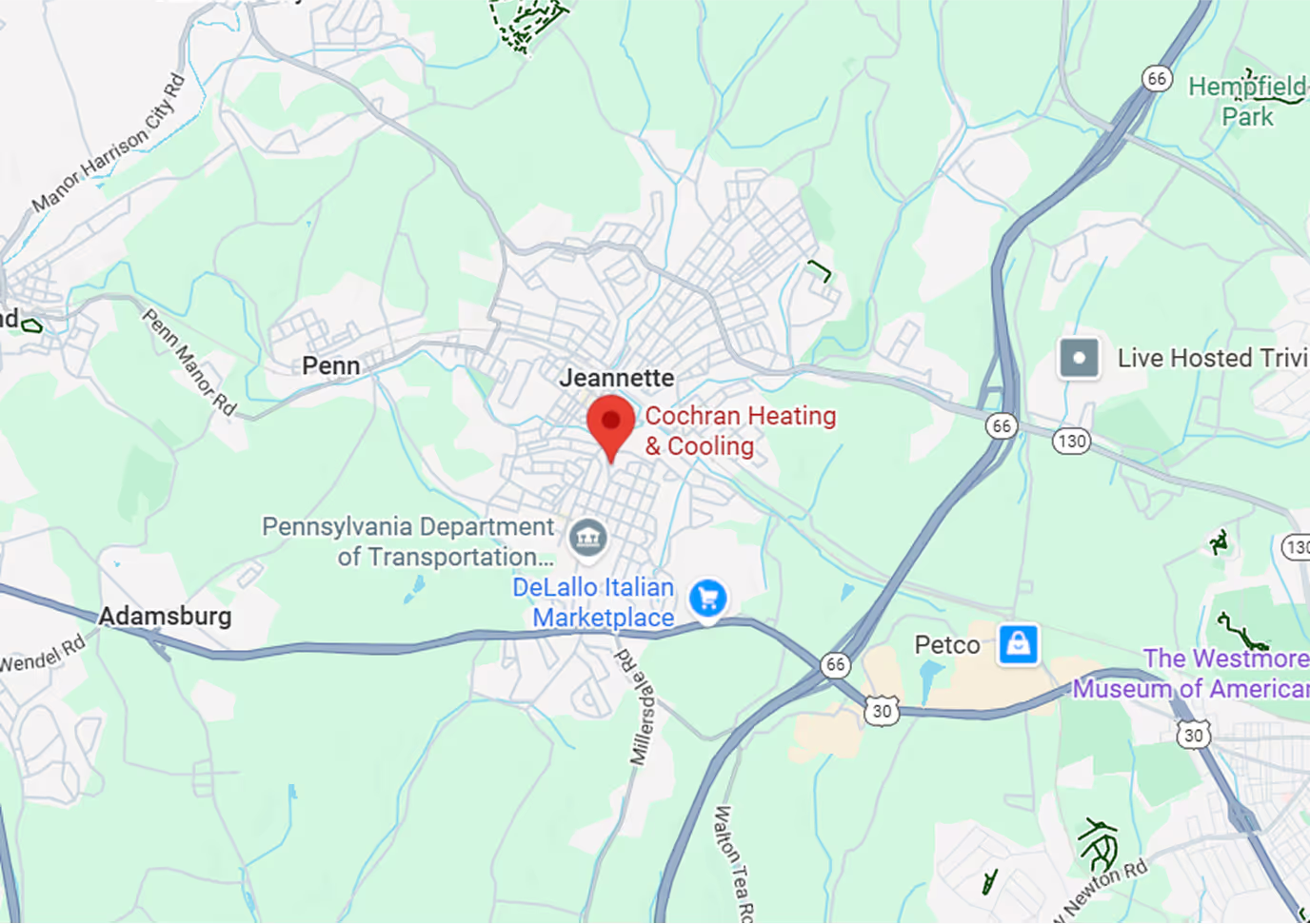
Heat Pump Maintenance in Jeannette, PA
For reliable year-round comfort in Jeannette, PA, keeping your heat pump tuned and well-maintained is a must. Western Pennsylvania's cold, snowy winters and humid summers mean heat pumps work hard throughout the year. Regular maintenance, like the services offered by Cochran Heating & Cooling, prevents unexpected breakdowns during cold snaps, preserves efficiency, and extends the life of your system—especially important for homes facing temperature extremes, road salt exposure, and seasonal debris.
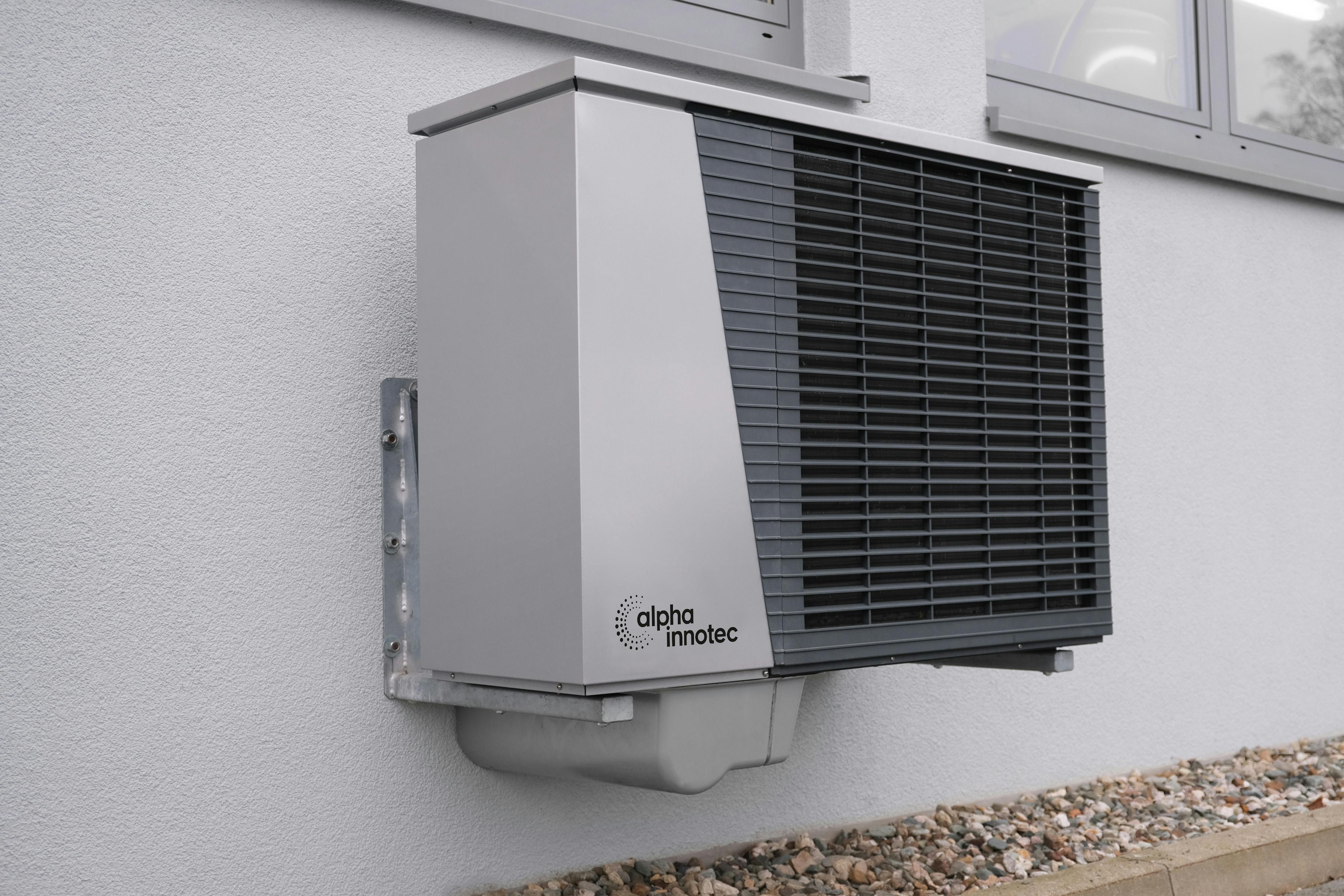
Heat Pump Maintenance in Jeannette, PA
Keeping your heat pump tuned and well-maintained is essential for reliable year-round comfort in Jeannette, PA. With cold, snowy winters and humid summers typical of Western Pennsylvania, heat pumps work hard across seasons. Regular maintenance prevents unexpected breakdowns during cold snaps, preserves efficiency, and extends system life—especially important for homes that face temperature extremes, road salt exposure, and seasonal debris.
Why regular heat pump maintenance matters in Jeannette, PA
- Protects performance in cold weather: Heat pumps rely on proper refrigerant charge and functioning defrost cycles to provide heat when temperatures drop. Neglected systems struggle in freeze conditions and can force electric backup heat to run more often.
- Reduces energy use through humid summers: Dirty coils and clogged filters increase runtime and electric consumption when cooling is needed on humid summer days.
- Prevents corrosion and clogging: Road salt, wet snow, and fallen leaves common in the area can accelerate outdoor unit corrosion and block airflow if outdoor components are not inspected and cleaned.
- Minimizes emergency repairs: Routine checks catch small issues early—refrigerant leaks, worn electrical connections, or failing fan motors—before they become costly failures in peak weather.
Typical heat pump maintenance checklist (seasonal tune-up items)
A professional tune-up typically covers a comprehensive list like the following to ensure safe, efficient operation:
- Filter inspection and replacement
- Check air filters; replace or recommend frequency (commonly every 1 to 3 months depending on use and indoor air quality).
- Indoor and outdoor coil cleaning
- Remove dirt, pollen, and buildup that reduce heat transfer and airflow.
- Refrigerant check
- Measure pressures and temperatures to verify correct charge; inspect for signs of leaks.
- Electrical system inspection
- Test contactors, relays, breakers, wiring connections, and measure amperage on compressor and fan motors.
- Thermostat calibration and controls
- Confirm thermostat settings, cycle sequencing, and responsiveness.
- Blower and fan inspection
- Clean blower wheel, check motor operation, inspect fan blades and belts if present.
- Drain line and condensate pan check
- Clear blockages and check for signs of overflow or mold.
- Defrost cycle and reversing valve test
- Verify proper defrost operation and heating/cooling mode switching.
- System performance testing
- Measure temperature split, airflow, operating pressures, and overall system efficiency.
- Outdoor unit condition
- Remove vegetation, debris, and inspect for corrosion, bent fins, or physical damage.
What to expect during a maintenance visit
A standard tune-up is a methodical inspection and cleaning process that typically includes:
- A walk-through of system history and homeowner concerns.
- Visual and functional tests of major components.
- Filter replacement if needed and coil cleaning.
- Electrical checks with instruments to confirm safe operation.
- Performance measurements with recommended adjustments documented.
- A written summary of findings and recommended next steps or repairs.
This approach identifies immediate fixes and items to watch, helping you prioritize repairs before peak heating or cooling periods.
Service intervals and recommended schedule
- Biannual professional tune-ups are recommended: one in early spring for cooling season preparation and one in early fall for heating season preparation. These seasonal inspections keep the system ready for high-demand periods.
- Filter changes are typically every 1 to 3 months; homes with pets or higher dust loads may need more frequent changes.
- Coil cleaning and refrigerant inspections should be done at least once per year during one of the seasonal visits.
- Additional checks after severe storms, power outages, or if the system exhibits unusual noises or performance drops.
Service plans and comfort contracts
Service plans commonly bundle preventive maintenance into predictable recurring visits and can include:
- Scheduled biannual inspections and tune-ups tailored to heat pump systems.
- Priority scheduling for maintenance windows tied to the season.
- Discounts on diagnostic charges and certain repairs or parts.
- Documentation of service history and performance reports to help with long-term planning.
- Optional filter replacement and delivery plans to ensure consistent indoor air quality.
A service plan helps homeowners budget routine care and reduces the chance of emergency repairs during extreme cold or heat.
How maintenance prevents emergency repairs
Regular maintenance reduces the risk of these common emergency scenarios:
- Compressor failure from prolonged low refrigerant or dirty coils
- Outdoor unit freeze-ups due to failed defrost controls
- Electrical failures and safety hazards from loose connections
- Motor burnout caused by restricted airflow or worn bearings
Catching the early signs—abnormal noise, longer run times, uneven heating—during a tune-up saves time, inconvenience, and typically lowers total repair expense.
Benefits you’ll notice after proper maintenance
- Improved comfort with more consistent temperatures and humidity control.
- Lower energy use as the system operates closer to its designed efficiency.
- Longer equipment lifespan by reducing stress on components.
- Fewer unexpected breakdowns when you need the system most.
- Clearer diagnostics and repair prioritization when issues are found.
FAQs
Q: How often should I schedule heat pump maintenance?
A: Schedule professional tune-ups twice a year—spring and fall. Change filters every 1 to 3 months depending on household conditions.
Q: Will maintenance fix my heat pump if it is already performing poorly?
A: Maintenance identifies and corrects many common performance issues like dirty coils, clogged filters, and misadjusted controls. If a component has failed or refrigerant is leaking, the technician will diagnose and recommend repairs.
Q: Do heat pumps need refrigerant added every year?
A: Not normally. Refrigerant charge should remain stable. A yearly check confirms correct levels; a drop indicates a leak that should be located and repaired rather than simply topping off.
Q: Are maintenance needs different for homes in Jeannette, PA?
A: Local climate influences mean defrost cycle checks and cold-weather readiness are especially important here. Road salt, debris, and seasonal pollen can affect the outdoor unit, so inspections for corrosion and airflow are crucial.
Q: What are the signs my heat pump needs maintenance sooner?
A: Watch for reduced heating or cooling capacity, unusual noises, cycling on and off frequently, higher energy bills, ice on the outdoor unit, or inconsistent indoor temperatures. These warrant an inspection.
This maintenance-focused approach keeps heat pumps reliable and efficient in Jeannette homes, reducing the risk of emergencies during the coldest and hottest days of the year while protecting system life and comfort.