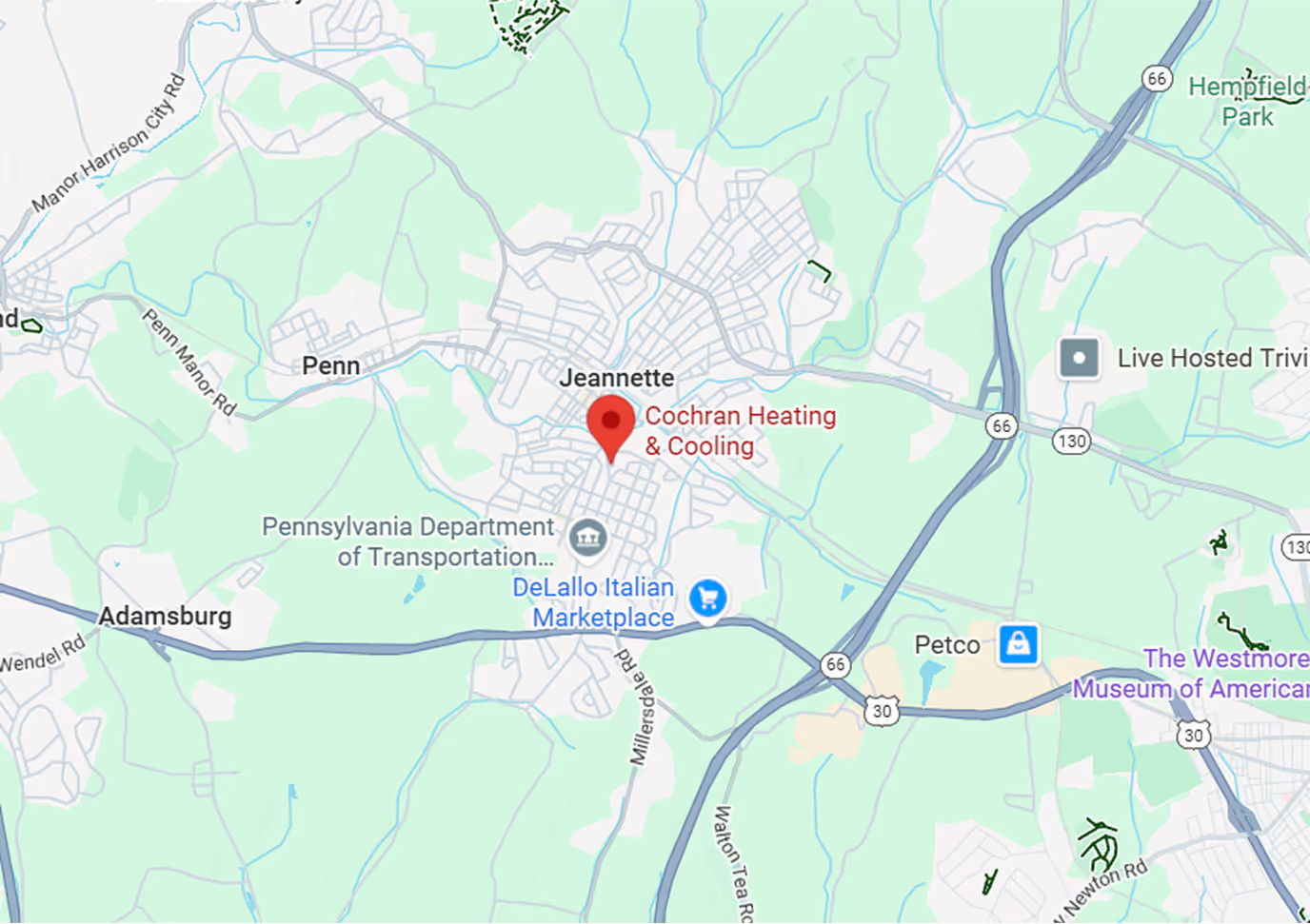
Heating Maintenance in Jeannette, PA
Heating Maintenance in Jeannette, PA
Is your heating system unreliable or breaking down unexpectedly during Jeannette’s cold winters? Don’t let a failing furnace or boiler leave you in the cold; these issues can be costly and dangerous if not addressed promptly. At Cochran Heating & Cooling, we specialize in expert heating maintenance services that prevent mid-winter failures, boost your system’s efficiency, and extend the lifespan of your equipment. Our skilled technicians quickly diagnose and resolve problems to keep your home warm and safe all season long.
Get Your Heating System Ready for Winter Today
Don’t wait for an emergency breakdown. Schedule your heating system tune-up now and enjoy reliable warmth and peace of mind throughout the cold months. Our comprehensive maintenance ensures your furnace or boiler runs safely and efficiently when you need it most.
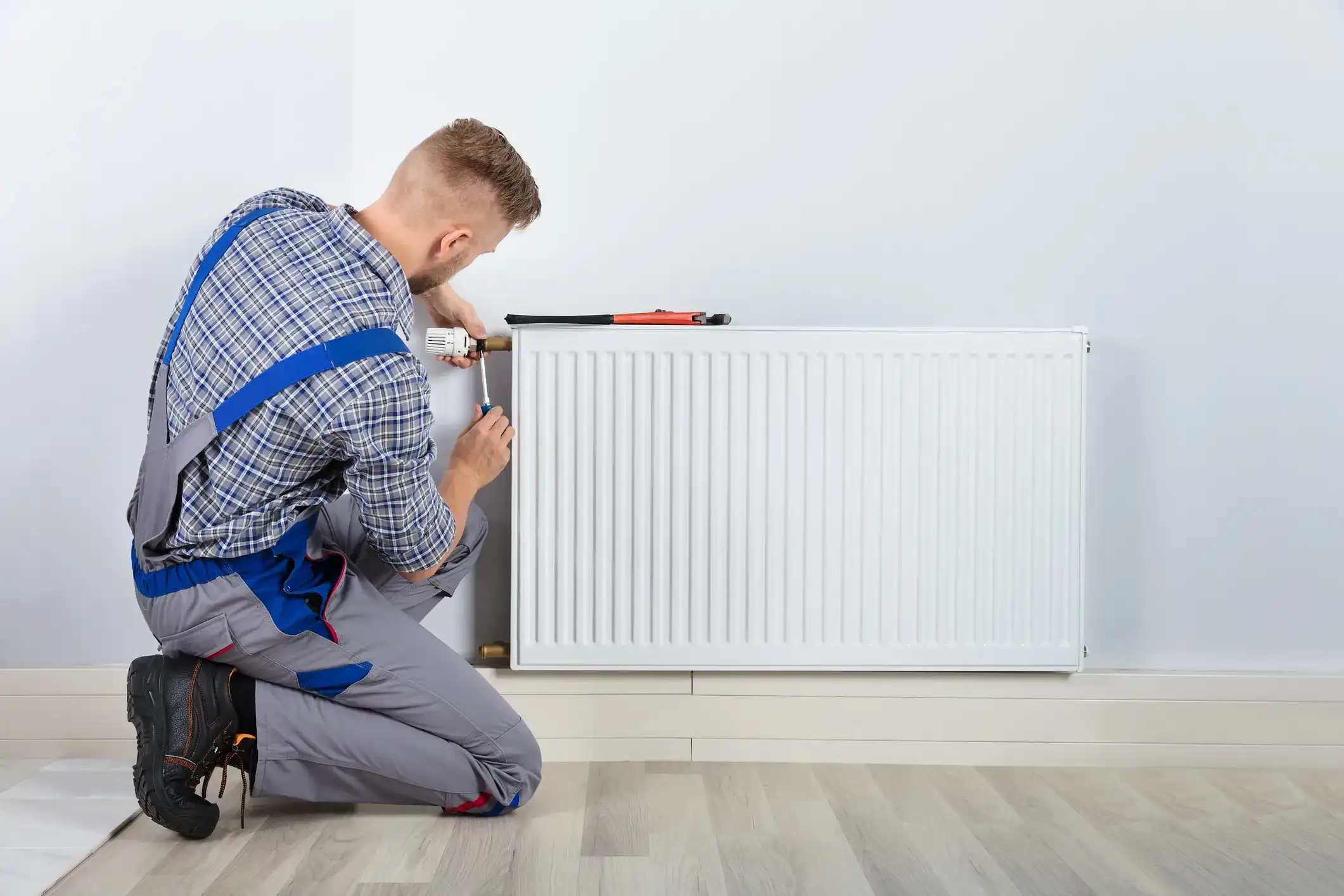
Keep Your Home Warm and Safe This Winter
Contact Cochran Heating & Cooling now for reliable heating maintenance in Jeannette, PA. Our skilled technicians will thoroughly inspect, clean, and tune your furnace or boiler to ensure optimal performance and safety. Protect your home from cold snaps and costly repairs with our trusted service.
Heating Maintenance in Jeannette, PA
Keeping your heating system reliable and efficient in Jeannette, PA is essential. Cold winters, periodic deep freezes, and older housing stock in the area mean furnaces and boilers work hard from November through March. Regular heating maintenance reduces the chance of mid-winter breakdowns, improves safety, and helps equipment reach its expected lifespan. This page explains routine and seasonal heating maintenance services, what technicians inspect and adjust, and the advantages of enrolling in a maintenance plan such as the Cochran Comfort Contract for Jeannette homes.
Why Heating Maintenance Matters in Jeannette, PA
- Jeannette winters are cold and can bring sustained low temperatures that stress heating systems.
- Many local homes have older boilers, cast iron radiators, or older furnaces that need careful servicing and cleaning to run safely.
- Freeze-thaw cycles and snow can affect vents, flues, and outdoor components, creating safety and efficiency concerns if not checked before winter.
Proper maintenance prevents common issues during peak demand, lowers energy use, and reduces costly emergency repairs when temperatures drop.
Common Heating System Problems in Jeannette Homes
- Dirty or clogged filters causing reduced airflow, short cycling, and higher energy consumption.
- Failed ignition systems or pilot light problems on older furnaces and boilers.
- Cracked or corroded heat exchangers in furnaces creating safety and efficiency risks.
- Sediment buildup or sludge in boilers causing uneven heating or noisy operation.
- Poor thermostat calibration or outdated controls resulting in temperature swings and wasted fuel.
- Blocked vents, chimney obstructions, or flue problems from winter debris and nesting.
- Frozen condensate drains or exterior components during prolonged subzero periods.
Routine and Seasonal Maintenance Tasks
A full heating tune-up covers checks and tasks designed to restore safe, efficient operation and catch small problems early.
Typical furnace maintenance includes:
- Inspect and replace or clean air filters.
- Examine and clean burners and ignition components.
- Inspect heat exchanger for cracks or corrosion.
- Check the blower motor, lubricate bearings where applicable, and clean blower wheel.
- Test safety controls and limit switches.
- Verify gas pressure and combustion performance.
- Inspect and test venting and flue for leaks or blockages.
- Calibrate thermostat and check system cycling.
Typical boiler maintenance includes:
- Inspect and clean burners, combustion chamber, and heat transfer surfaces.
- Check boiler pressure, expansion tank condition, and relief valve operation.
- Flush low water cutoff and clean condensate and drain lines if applicable.
- Check for signs of corrosion, leaks, and piping insulation.
- Test water chemistry and recommend treatment to prevent scale and corrosion.
- Verify circulation pumps, valves, and zone controls.
Other preventative items:
- Inspect and test carbon monoxide detectors and advise on proper placement.
- Verify proper airflow through registers and returns.
- Check attic and crawlspace insulation or duct connections that affect system efficiency.
- Provide a written evaluation of system condition and recommended repairs.
Diagnostic Process and What to Expect
A professional heating maintenance visit typically follows a structured process:
- Visual inspection of the entire system and surrounding area for safety hazards.
- Functional tests while the system is running to observe combustion, pressures, temperatures, and airflow.
- Cleaning and adjustments to burners, controls, and moving parts.
- Measurement of combustion byproducts where applicable to confirm safe operation.
- Documentation of findings, suggestions for repairs, and recommendations for ongoing care.
This ensures Jeannette homes get a thorough assessment that balances performance, safety, and energy considerations.
Benefits of Regular Maintenance and Service Agreements
Routine maintenance provides measurable benefits:
- Longer equipment life through reduced wear and avoided overload conditions.
- Fewer emergency breakdowns during cold spells, increasing home comfort and safety.
- Improved fuel efficiency and lower monthly heating bills.
- Safer operation with reduced risk of carbon monoxide exposure and other hazards.
- Documentation that can support warranty requirements for certain manufacturers.
Maintenance plans like the Cochran Comfort Contract typically include scheduled tune-ups, priority service scheduling during peak winter months, routine filter replacement options, and documentation of service history. For Jeannette homeowners who rely on older systems or have limited access to replacement when temperatures plunge, these plans deliver predictability, consistent seasonal care, and fewer surprises.
Preventative Care Checklist for Jeannette Homeowners
- Replace or clean filters every 1 to 3 months during heavy use.
- Schedule an annual heating tune-up in early fall before the coldest months begin.
- Test carbon monoxide detectors monthly and replace batteries as needed.
- Keep vents, returns, and radiators free of furniture and obstructions.
- Insulate exposed pipes and attic ductwork to reduce heat loss.
- Monitor for unusual noises, smells, or changes in cycling and arrange inspection if found.
- If you have a boiler, check for water leaks and low-pressure warnings frequently.
Homes with older equipment, a history of boiler sludge, or high heating demands may benefit from semiannual inspections.
How Maintenance Reduces Emergency Repairs in Local Conditions
Jeannette can experience sudden cold snaps that increase heating load and expose marginal components. Routine maintenance addresses weaknesses before they fail when stressed by low temperatures. For boilers, flushing and treatment reduce the chance of circulation failures. For furnaces, cleaning and adjustment prevent ignition and combustion issues that often occur after long periods of disuse or heavy seasonal demand. Priority service clauses in maintenance agreements also help reduce downtime when the community faces widespread cold weather.
Frequently Asked Questions
Q: How often should I schedule heating maintenance for my Jeannette home?
A: Annual maintenance before the heating season is standard. Homes with older systems or high usage may benefit from semiannual checks.
Q: Will maintenance make my furnace or boiler more efficient?
A: Yes. Cleaning burners, replacing filters, and proper tuning can restore efficiency, reducing fuel use and lowering heating costs.
Q: Does a maintenance plan include emergency service in winter storms?
A: Many maintenance plans include priority response during peak season and documented service visits. Terms vary by plan so review the contract details.
Q: What safety checks are performed during a heating tune-up?
A: Technicians inspect heat exchangers, test combustion and venting, check safety controls, and confirm carbon monoxide detector operation.
Q: Are there specific issues Jeannette homes experience more often?
A: Yes. Older boilers, sediment buildup, frozen condensate lines, vent obstructions from snow, and systems strained by prolonged cold can be more common locally.
Q: Can maintenance help extend the life of an older boiler or furnace?
A: Regular servicing reduces wear and catches problems early, which helps older equipment run longer and more reliably.