Air Conditioner Replacement in Jeannette, PA
Air Conditioner Replacement in Jeannette, PA
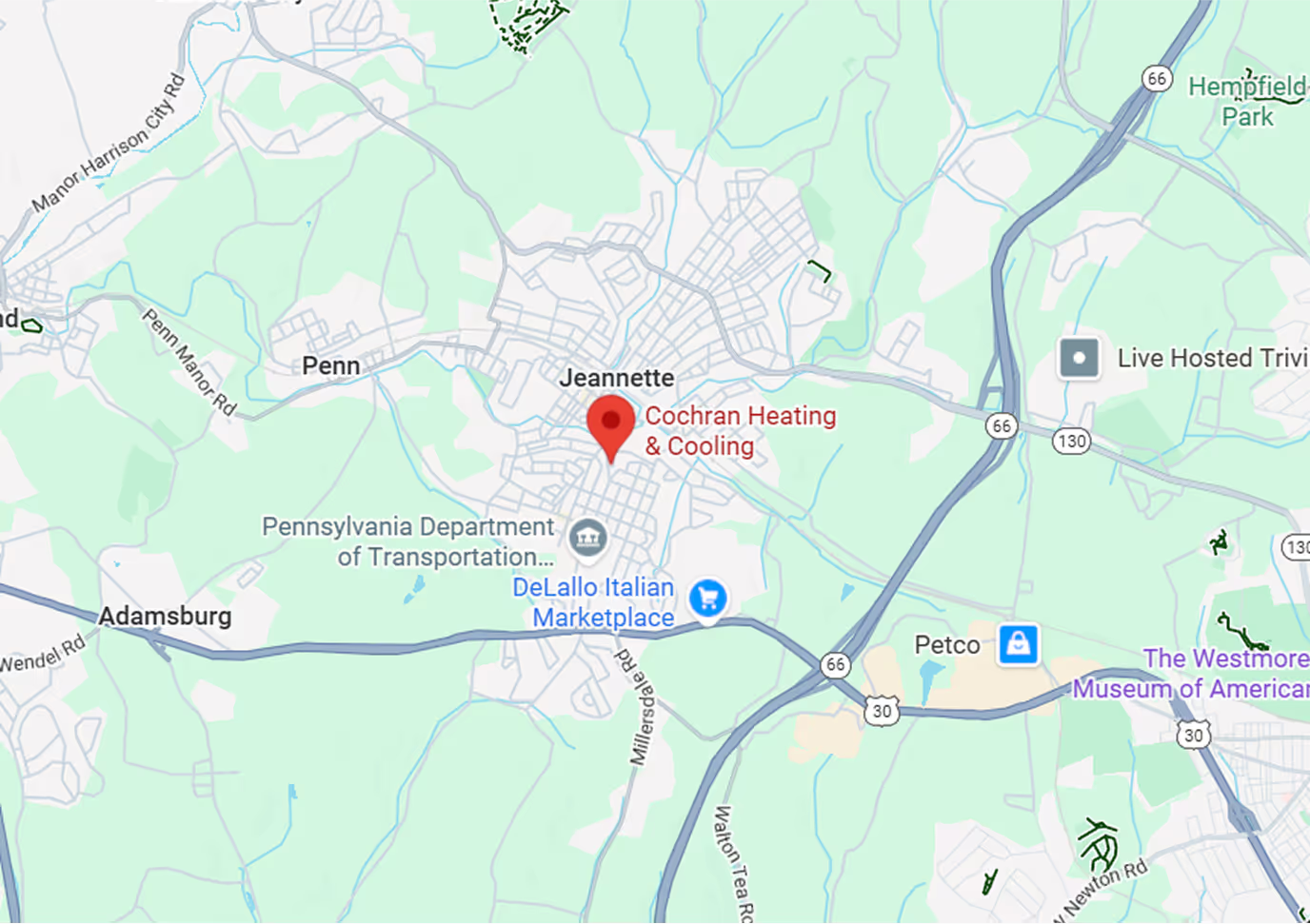
Is your air conditioner failing to keep your Jeannette, PA home cool during the hot, humid summer months? Are you dealing with rising energy bills, frequent breakdowns, or uneven temperatures that make your home uncomfortable? At Cochran Heating & Cooling, we specialize in expert air conditioner replacement services designed specifically for Westmoreland County homes. Upgrading to a high-efficiency, ENERGY STAR-certified air conditioning system can lower your energy costs, improve indoor comfort, and provide reliable cooling when you need it most. Don’t suffer through another uncomfortable day; contact us now to schedule your free evaluation and get the perfect cooling solution tailored to your home’s needs.
Get Your Free Air Conditioner Replacement Evaluation Today
Our experienced team will assess your current system, recommend the best high-efficiency replacement options, and handle professional installation to ensure lasting comfort and savings. Beat the heat with a new, energy-efficient air conditioner designed for Jeannette’s climate.
%2520(3)-min%2520(1).jpeg)
Ready to Upgrade Your Air Conditioner?
Let Cochran Heating & Cooling guide you through every step of upgrading to a new, energy-efficient air conditioning system built for Jeannette’s climate. From initial evaluation to expert installation, we ensure you receive the best value, comfort, and performance.
Air Conditioner Replacement in Jeannette, PA
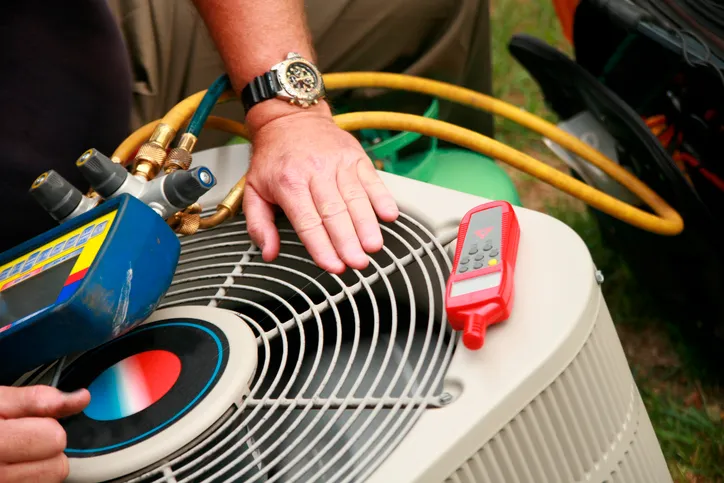
Replacing an aging or failing air conditioner is a significant decision for homeowners in Jeannette, PA. With the region’s humid summers and older housing stock, choosing the right replacement system can enhance comfort, reduce energy bills, and minimize breakdowns. This guide covers when to replace versus repair, how systems are evaluated, benefits of high-efficiency and ENERGY STAR models, removal and disposal procedures, installation timelines, financing options, warranty details, and how to properly size and select the best system for your Jeannette home.
When to Replace vs Repair
Consider replacing your air conditioner if any of the following apply:
- Your system is 10-15 years old and uses outdated refrigerants or less efficient technology.
- You face frequent repairs or repair costs near the price of a new unit.
- Your system struggles to maintain comfortable temperatures or control humidity during Jeannette’s humid summers.
- Your energy bills have increased despite regular maintenance.
- Your air conditioner’s efficiency is significantly lower than current models.
Repair is suitable for isolated issues on newer systems or inexpensive component failures. Replacement is recommended when you prioritize ongoing reliability, comfort, and energy savings.
Evaluation Process: How a Replacement Decision is Made
Our thorough evaluation weighs repair versus replacement by considering:
- System age and expected remaining lifespan.
- Current efficiency and estimated seasonal energy consumption.
- Repair history and projected future repair costs.
- Home load calculations and ductwork conditions.
- Indoor comfort performance, including humidity control and mechanical limitations.
Key evaluation steps include:
- Reviewing system age and maintenance/repair records.
- Inspecting refrigerant charge, compressor, coils, and electrical components.
- Performing a Manual J load calculation to determine the correct capacity for your home and Jeannette’s climate.
- Checking ductwork for leaks, insulation, and proper sizing.
- Estimating future operating costs and payback from higher-efficiency equipment.
Sizing and Selecting the Right System
Proper sizing is essential to avoid issues like short cycling, increased humidity, or constant running. A Manual J load calculation considers:
- Square footage and layout of your home.
- Insulation levels and window types.
- Local climate patterns in Jeannette, including summer humidity.
- Air infiltration and occupancy.
Choose equipment that matches the calculated load and consider features that enhance comfort in Jeannette homes:
- Variable-speed compressors for superior humidity control.
- Zoned systems or multi-stage units for uneven room loads.
- Matched indoor coil and air handler to ensure warranty coverage and peak efficiency.
High-Efficiency and ENERGY STAR Comparison
High-efficiency and ENERGY STAR-certified air conditioners provide better performance and lower operating costs:
- Advanced compressors and improved heat exchanger designs reduce energy consumption.
- ENERGY STAR models meet or exceed strict efficiency standards and often include enhanced humidity control and quieter operation.
- Upgrading from an older system can lead to significant seasonal cooling cost savings, especially when combined with duct sealing and thermostat upgrades.
Consider total lifecycle costs, not just upfront price. Higher-efficiency units may cost more initially but offer lower operating expenses and greater comfort during Jeannette’s warm, humid summers.
Removal and Disposal of Old Equipment
We follow all environmental and code requirements for removal:
- Refrigerant recovery is mandatory under federal law and performed by certified technicians.
- Old equipment is drained, recycled, or disposed of according to state and local regulations.
- Responsible disposal includes recycling metals and recovering refrigerants and oils.
Permits may be required for replacement installations depending on local codes; confirming this during evaluation prevents delays.
Installation Timeline and What to Expect
Installation timelines vary based on project complexity:
- Like-for-like replacements typically take one day: disconnecting the old unit, installing the new condenser and indoor coil or air handler, charging refrigerant, and testing.
- Complex replacements involving ductwork changes, electrical upgrades, or multiple zones may take several days.
- The process includes pre-installation inspection, equipment delivery, installation, system charging and balancing, and final testing with a walkthrough of system operation.
Technicians will perform a full system test and demonstrate thermostat operation and basic maintenance tips before completing the job.
Financing, Incentives, and Promotions
We offer multiple financial options to make replacement affordable:
- Low-interest financing programs and payment plans to spread costs.
- Utility rebates, regional incentives, and manufacturer promotions for high-efficiency or ENERGY STAR equipment.
- Combining financing with energy savings improves affordability over time.
Jeannette homeowners should check local utility programs and state incentives supporting energy-efficient upgrades.
Warranty and Long-Term Protection
Understand your warranty coverage:
- Manufacturer warranties cover parts and major components; terms vary and often require product registration.
- Labor or installation warranties cover workmanship and may be offered by the installer for a set period.
Ensure installed components are matched systems (condenser, coil, air handler) to maintain manufacturer warranties. Keep all documentation for future service and warranty claims.
Benefits of Timely Replacement
Replacing an inefficient or failing air conditioner provides:
- Consistent comfort and improved humidity control during Jeannette’s summer months.
- Lower energy bills and enhanced seasonal efficiency.
- Greater reliability and fewer emergency repairs.
- Improved indoor air quality when paired with upgraded filtration or UV options.
- Potential increase in property value and resale appeal.
Maintenance and Long-Term Care
Protect your investment with proper care:
- Schedule annual maintenance to maintain efficiency and performance.
- Replace filters regularly and keep outdoor units free of debris.
- Seal and insulate ducts to reduce energy losses common in older Jeannette homes.
- Consider a programmable or smart thermostat for optimized schedules and reduced run time.
Frequently Asked Questions
Q: How do professionals determine the right size air conditioner for my Jeannette home?
A: A Manual J load calculation is the only reliable method. Symptoms like short cycling, poor humidity control, or constant runtime indicate sizing issues and should be evaluated.
Q: Will a higher SEER rating always lower my bills in Jeannette?
A: Higher SEER ratings often reduce energy use, but actual savings depend on usage patterns, ductwork efficiency, thermostat settings, and local electricity rates.
Q: What happens to the old refrigerant during replacement?
A: Refrigerant is recovered using certified equipment per federal regulations, then recycled or reclaimed. Release to the atmosphere is prohibited.
Q: Are there local rebates for high-efficiency replacements?
A: Utility companies and state programs sometimes offer rebates or incentives. Availability varies and can change, so check current programs during planning.
Q: How long should a new central air conditioner last?
A: With proper maintenance, modern systems typically last 12-20 years. Longevity depends on installation quality, usage, and upkeep.