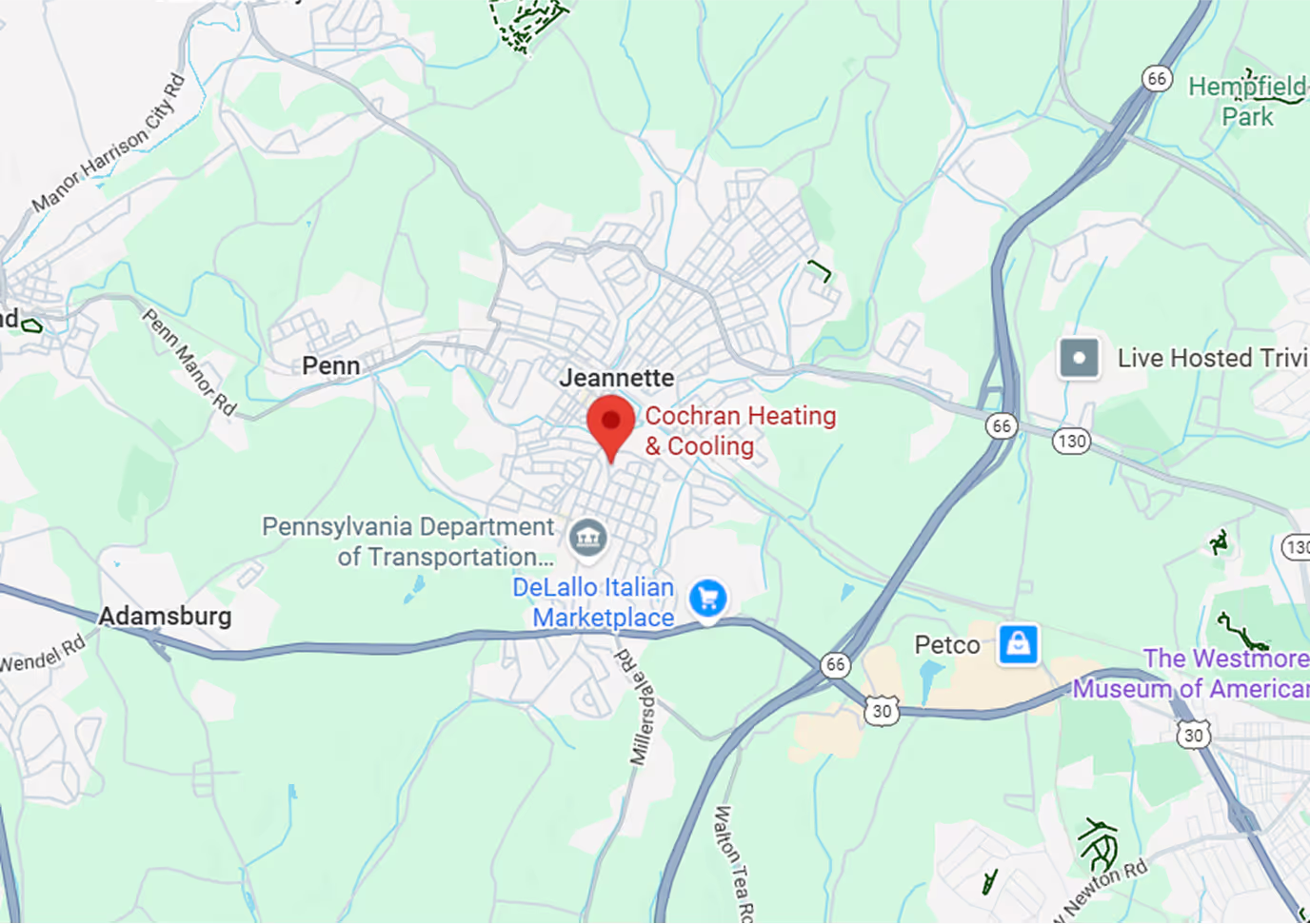
Mini Split Installation in Jeannette, PA
Installing a mini split system in Jeannette, PA, offers homeowners an efficient and customizable way to heat and cool their homes without the need for extensive ductwork. Given the region's cold winters and humid summers, a correctly sized and expertly installed system ensures consistent comfort in every room throughout the year, while also minimizing energy waste in unoccupied areas. At Cochran Heating & Cooling, we partner closely with homeowners throughout the entire process – from initial on-site evaluations and selecting the ideal unit, to managing permits, completing the installation, and initiating the system. Our goal is to provide residents with a seamless installation experience and a reliable system they can depend on for years to come.
-min%2520(1).jpeg)
Mini Split Installation in Jeannette, PA
Mini split installation in Jeannette, PA gives homeowners efficient, zoned heating and cooling without ductwork. With cold winters and humid summers typical of the Pittsburgh region, properly sized and installed mini splits deliver comfortable indoor temperatures year round while lowering energy waste from over-conditioning unused spaces. This page explains the full installation process — from on-site assessment and unit selection to permitting, commissioning, and homeowner prep — so Jeannette residents know what to expect and how to avoid common pitfalls.
Why Jeannette homes choose mini splits
- Zoned comfort for additions, finished basements, sunrooms, and older homes without ducts
- High seasonal efficiency that helps control winter heating bills and summer cooling loads
- Quick installation with minimal disruption compared with full ductwork projects
- Improved indoor air quality by avoiding duct-related contaminants
Common mini split projects and issues in Jeannette, PA
- Single-zone replacements for bedrooms or home offices
- Multi-zone systems for whole-home zoning without ducts
- Installation in older brick or stone homes where interior wall penetration must be discreet
- Existing electrical service inadequate for new outdoor condenser
- Poorly sized systems causing short cycling or insufficient heat in cold snaps
- Condensate management and freeze protection during winter operation
On-site assessment and load/room sizing
A correct installation starts with a room-by-room load calculation, not rule-of-thumb sizing. Technicians perform a Manual J style assessment that considers:
- Square footage, ceiling height, insulation levels, window orientation and glazing
- Local climate factors such as Jeannette winter lows and summer humidity
- Internal heat gains from appliances and occupancy
- Desired setpoints for each room or zone
Accurate sizing prevents short cycling, reduces wear, and ensures adequate low-temperature heating performance during cold spells.
System and indoor unit selection
Choose a system based on load results, aesthetics, and use:
- Single-zone wall-mounted head for individual rooms
- Slim ducted or ceiling cassette indoor units for more discreet installations
- Multi-zone outdoor condensers to support 2 to 8 indoor units for whole-home zoned controlKey considerations include cold-climate performance ratings, inverter-driven compressors, noise levels, and available features like remote control and Wi-Fi connectivity.
Placement and aesthetic considerations
Placement impacts comfort and appearance:
- Indoor heads should be installed high on a wall for optimal airflow and even temperature distribution
- Keep 6 to 12 inches of clearance above heads and unobstructed airflow paths
- Position outdoor condensers on a level pad with adequate clearance from plants and neighbors
- Line set routing should minimize visible runs; use paintable covers or route through closets and utility spaces when possible
Required electrical and refrigerant line work
Reliable electrical and refrigerant work is critical:
- Dedicated circuit and disconnect sized to manufacturer specifications, often 208/230V for larger units
- Service panel capacity check; some homes need minor upgrades to support a new condenser
- Refrigerant piping installed with proper insulation, correct pressure testing, and vacuum pulling to remove moisture and noncondensables
- Brazing, leak testing, and correct refrigerant charge based on measured line set length and manufacturer guidanceAll refrigerant handling must be performed by EPA 608 certified technicians.
Permitting and code compliance in Jeannette, PA
Installations typically require a mechanical and/or electrical permit from the City of Jeannette or Westmoreland County building department. Compliance items include:
- NEC requirements for wiring and disconnects
- Local setback, noise, and condenser mounting regulations
- Proper condensate disposal consistent with local codesPermit timelines vary; scheduling inspections into the project plan avoids delays.
Step-by-step installation workflow
- Final site verification and equipment staging
- Mount indoor head(s) and install mounting plates or framing for concealed units
- Run refrigerant line set, electrical conduit, and condensate drain; drill minimal wall penetrations and flash for weatherproofing
- Place and secure outdoor condenser on pad or bracket; connect line set
- Perform brazing, pressure test, evacuate system, and open refrigerant valves
- Energize system, program controls, and configure zones
- Commission system with performance checks
Post-installation testing and commissioning
Proper commissioning confirms reliable operation:
- Verify correct refrigerant charge using superheat/subcooling methods
- Measure supply and return temperatures and airflow balance
- Confirm defrost operation, electric heat staging if present, and thermostat setpoints
- Test condensate drainage and drain pan protection
- Walk through controls and maintenance points with the homeowner
Warranty registration, expected timeline, and pricing factors
Warranty registration is required with most manufacturers to activate labor and parts coverage; installers typically initiate registration and provide documentation for your records. Typical installation timelines:
- Single-zone installations: a partial day to a full day, depending on line set routing and electrical work
- Multi-zone installations: one to three days depending on number of heads and complexityPricing depends on number of zones, equipment efficiencies, line set length and routing, required electrical upgrades, permitting and inspection fees, and accessibility challenges. Discuss scope and allowances upfront so the final estimate aligns with your home requirements.
Preparation tips for Jeannette homeowners
- Clear work areas near planned indoor and outdoor unit locations
- Ensure easy access to the electrical service panel
- Note any HOA or neighborhood restrictions on exterior equipment or placement
- Plan for a brief power interruption during hookup and commissioning
- Ask for the permit copy and manufacturer warranty paperwork at handover
Maintenance and broader benefits
Routine maintenance extends life and preserves efficiency:
- Clean or replace filters every 1 to 3 months depending on use
- Annual professional check that inspects refrigerant charge, electrical connections, and heat exchanger componentsBenefits include improved comfort control, reduced energy waste through zoning, and quieter operation than many window or portable units.
FAQs
Q: How long does a typical mini split installation take in Jeannette, PA?
A: Single-zone installs often take a partial day to one day; multi-zone systems typically require one to three days depending on complexity and any electrical or permitting work.
Q: Will a mini split provide heat in Jeannette winters?
A: Many modern heat pump mini splits are engineered for cold-climate operation and provide reliable heating through most winter conditions. Proper sizing and selecting a model with good low-temperature performance are essential.
Q: Do I need a permit for mini split installation in Jeannette?
A: Yes. Mechanical and/or electrical permits are commonly required through the City of Jeannette or Westmoreland County. Permits ensure code compliance and proper inspections.
Q: What should I do to prepare my home before installation day?
A: Clear installation areas, provide access to the electrical panel, note any exterior placement restrictions, and confirm parking or entry logistics for installers.
Q: How often should mini split filters and components be serviced?
A: Homeowners should clean or replace filters every 1 to 3 months. A professional inspection and tune-up once a year helps maintain efficiency and prevent issues.