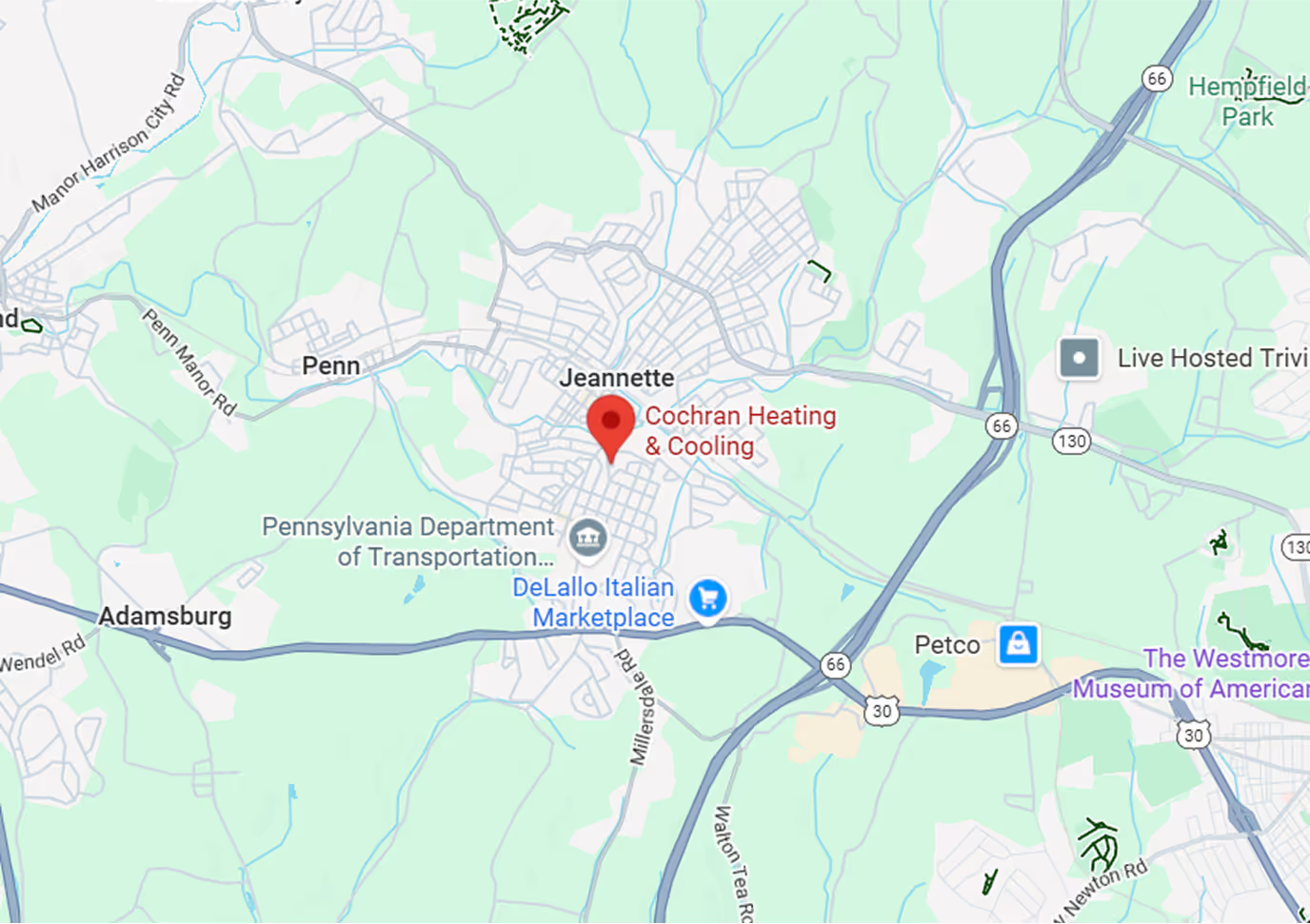
Mini Split Repair in Jeannette, PA
Mini split systems offer a popular and efficient way to heat and cool homes in Jeannette, PA. When these ductless systems malfunction, comfort can quickly diminish in one or more rooms. At Cochran Heating & Cooling, our mini split repair services are designed to pinpoint the root cause of the problem, restore reliable operation, and prevent future issues. Our experienced team handles everything from diagnosing common problems and performing necessary repairs to managing parts replacement, emergency response, and warranty support. With our technicians adhering to strict safety practices, homeowners can also receive valuable troubleshooting tips and guidance on scheduling repairs, ensuring their system runs smoothly year-round.
-min%2520(2).jpeg)
Mini Split Repair in Jeannette, PA
Mini split systems are a common and efficient way to heat and cool homes in Jeannette, PA. When a ductless system fails, it can quickly affect comfort in one or more rooms. Cochran’s mini split repair services focus on diagnosing the root cause, restoring reliable operation, and preventing repeat problems. This page outlines common failure modes in Jeannette homes, the diagnostic process, typical repairs and parts, emergency response and turnaround expectations, technician qualifications and safety practices, warranty handling, homeowner troubleshooting tips, and how scheduling usually works.
Why mini splits fail in Jeannette, PA
Jeannette’s humid summers, pollen seasons, and cold winters influence mini split performance. Common local contributors include:
- High run times during heat waves or cold snaps that increase wear on compressors and fans.
- Dust, pollen, and soot build-up that restrict airflow and overload fan motors.
- Freeze-thaw cycles that stress refrigerant lines and fittings, increasing leak risk.
- Occasional power surges from thunderstorms or older electrical systems that can damage control boards.
Common failure modes
- Compressor faults: Reduced cooling or heating capacity, loud noises, or failure to start. Often caused by electrical stress, long run times, or internal wear.
- Fan and blower problems: Indoor or outdoor fan motors can fail from dirt, worn bearings, or failed capacitors, producing abnormal noises or airflow loss.
- Refrigerant leaks: Low refrigerant causes poor temperature control and can lead to compressor damage if unaddressed. Leaks commonly occur at line-set fittings, brazed joints, or coils.
- Control and thermostat issues: Faulty PCBs, communication errors between indoor and outdoor units, or remote/thermostat faults lead to intermittent operation or error codes.
- Drain and condensation issues: Clogged condensate drains or pan problems cause water leaks or indoor unit shutdowns.
Diagnostic process
A reliable diagnostic follows systematic steps to identify root causes:
- Initial system history and symptom review, including error codes and prior service.
- Visual inspection of indoor and outdoor units for debris, corrosion, and obvious damage.
- Electrical checks: breaker, voltage, capacitors, and motor circuits to detect shorts or open circuits.
- Refrigerant analysis: pressure and temperature readings to assess charge level and performance.
- Leak detection: electronic detectors, UV dye, or pressure testing to locate refrigerant escape points.
- Component testing: capacitors, motors, compressors, and control boards tested per manufacturer procedures.
- Performance test: verify airflow, temperature differentials, and full-cycle operation after repair.
Typical repair procedures and parts replacement
Repair work depends on the diagnosis and system model. Common procedures include:
- Refrigerant leak repair: locate and repair the leak, evacuate and vacuum the system, and recharge with the correct refrigerant and oil per manufacturer specs.
- Compressor replacement: recover refrigerant, replace compressor with matching model and oil, rebuild and test the system for proper pressures and operation.
- Fan motor and capacitor replacement: replace failing motors or capacitors, balance assemblies, and verify airflow.
- Control board and remote/thermostat replacement: install OEM or approved replacement parts and reprogram system communication.
- Line-set and coil repairs: repair brazed joints, replace damaged copper lines or indoor coils where necessary.
- Drain cleaning and condensate pump service: clear blockages and ensure proper condensate removal.
Parts used should be compatible with the original equipment to maintain performance and warranty compliance. Technicians will document replaced parts and the system settings after service.
Emergency response and turnaround expectations
Emergency response priorities typically address safety risks and severe comfort loss first. In many cases:
- Minor repairs and common component swaps are completed the same day if replacement parts are on hand.
- Complex jobs that require ordering specific parts or major compressor replacement may extend to several days while parts are sourced.
- During extreme weather or high-demand periods, scheduling and turnaround can be affected by supply availability and technician workload.
Technician qualifications and safety practices
Qualified technicians for mini split repair typically hold:
- EPA 608 refrigerant handling certification and training specific to refrigerant recovery and charging procedures.
- Manufacturer training for major mini split brands and familiarity with different inverter-driven compressors and control systems.
- Proven experience diagnosing both electrical and refrigerant-system faults.Safety and quality practices include electrical isolation before service, proper refrigerant recovery and disposal, use of personal protective equipment, pressure-rated hoses and gauges, and adherence to local codes and manufacturer safety instructions.
Warranty handling and documentation
Warranty handling varies by equipment and installation:
- Manufacturer warranties often cover specific parts for a defined time and may require registration and proof of routine maintenance.
- Some components or labor may not be covered under manufacturer warranties; aftermarket warranties have different terms.
- Proper documentation of diagnosis, parts replaced, serial numbers, and proof of service is essential when filing warranty claims.
- Technicians will typically provide the paperwork needed to submit claims to manufacturers when applicable.
Troubleshooting tips for homeowners in Jeannette
Simple checks you can perform safely before requesting professional service:
- Verify the unit has power: check breakers and any disconnect switches; replace remote batteries.
- Inspect and clean or replace indoor filters to restore airflow.
- Ensure outdoor unit is clear of leaves, debris, snow, or weeds that restrict airflow.
- Check for visible water around indoor units indicating a clogged condensate drain.
- Note and record any error codes or unusual sounds; take photos or videos for the technician.Stop attempts at repair if you detect burning smells, oil around fittings, visible refrigerant splatter, or if you are unsure about electrical safety.
How scheduling typically works
Scheduling for mini split repair generally involves providing the following so a technician can prepare:
- System model and serial number if available.
- A clear description of symptoms and any error codes displayed.
- Recent history such as past repairs or service dates, and whether the system is under warranty.
- Availability windows and whether the issue is an emergency (loss of heat in winter or cooling in summer).Providers often offer routine appointments and prioritized emergency slots; technicians usually arrive with common parts and diagnostic tools to maximize likelihood of same-day resolution.
Benefits of prompt mini split repair
Timely repairs restore comfort and efficiency, protect major components from damage, and reduce long-term operating costs. In Jeannette homes, addressing issues quickly prevents freeze and moisture damage during winter and avoids extended high-load cooling runs in summer. Proper repairs and maintenance also support warranty compliance and the longevity of the system.
FAQs
Q: How can I tell if my mini split has a refrigerant leak?
A: Signs include reduced cooling or heating performance, ice buildup on evaporator coils, hissing sounds near line sets, and consistently low refrigerant pressure readings during diagnostics.
Q: Are mini split compressors repairable or must they be replaced?
A: Depending on the fault and compressor design, some faults may be repaired but many major compressor failures require replacement to ensure reliable operation and manufacturer compatibility.
Q: What should I have ready before a technician arrives?
A: System model and serial number, a description of symptoms and error codes, recent service history, and accessible indoor and outdoor units to facilitate inspection.
Q: Will a warranty cover my repair?
A: Warranty coverage depends on the manufacturer terms, registration status, the component involved, and whether routine maintenance was performed. Proper documentation is necessary to file claims.
Q: Can I recharge refrigerant myself to fix low charge?
A: Refrigerant handling requires EPA certification and proper equipment; adding refrigerant without repairing underlying leaks can damage the compressor and violate regulations.
Q: How soon can I expect repairs during extreme weather?
A: Emergency requests are typically prioritized, but actual timing depends on parts availability and technician workload during peak seasons.