Boiler Maintenance in Jeannette, PA
When winter arrives in Jeannette, you want reliable comfort. That's why regular boiler maintenance is so important. At Cochran Heating & Cooling, we know that Jeannette's cold temperatures, along with frequent freeze-thaw cycles and high heating demands, mean your boiler needs proactive care to ensure safety, efficiency, and long-lasting performance. Our professional boiler maintenance services include detailed inspections, thorough cleaning, and precise adjustments to help prevent breakdowns and maximize efficiency. We also address common boiler issues specific to Jeannette homes. Cochran Heating & Cooling will walk you through what a full maintenance visit entails and highlight the benefits of enrolling in an ongoing maintenance plan for year-round peace of mind. Trust Cochran Heating & Cooling to keep your home warm, safe, and worry-free all winter long.
Boiler Maintenance in Jeannette, PA
Keeping your boiler running reliably through Jeannette winters starts with proactive boiler maintenance. Cold temperatures, freeze and thaw cycles, and the heavy seasonal demand on heating systems make routine care essential for safety, efficiency, and long equipment life. This page explains what a professional boiler maintenance program covers, common issues seen in Jeannette homes, the step-by-step inspection and service process, and the benefits of joining a maintenance plan or comfort contract.
Why routine boiler maintenance matters in Jeannette, PA
Jeannette experiences long, cold heating seasons that put sustained stress on boilers. Many local homes have older systems or closed-loop hydronic heating that are more vulnerable to corrosion, sediment buildup, and control failures. Regular maintenance helps prevent mid-winter breakdowns, keeps fuel use efficient, and reduces the chance of safety issues like pressure faults or combustion problems.
Common boiler issues in Jeannette homes
- Mineral scale and sediment in the heat exchanger from moderate to hard water
- Corrosion at joints, fittings, and within expansion tanks
- Dirty burners, electrodes, and clogged pilot orifices causing poor ignition
- Pressure fluctuations or failed pressure relief and low-water cutoffs
- Inefficient combustion and venting problems leading to higher fuel bills
- Leaks around fittings, valves, and the boiler tank itself
- Poorly maintained filters or untreated system water that accelerates wear
What a seasonal boiler tune-up includes
A professional seasonal tune-up covers comprehensive checks and cleaning designed to restore performance and identify developing problems before they fail.
Typical tune-up tasks:
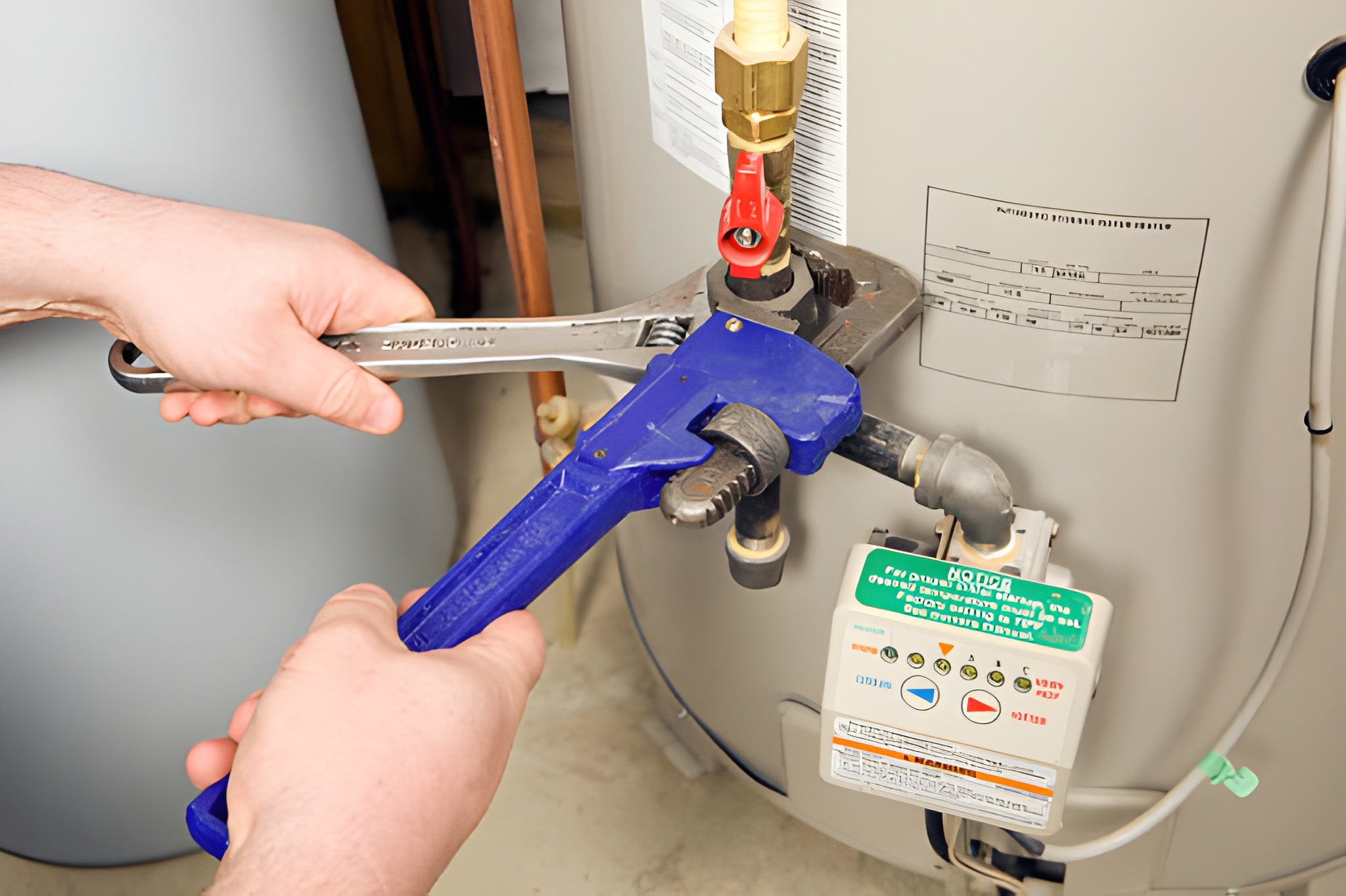
- Visual inspection of the boiler, piping, flues, and vents for leaks, corrosion, and obstructions
- Cleaning of burners, electrodes, pilot assembly, and combustion chamber
- Inspection and cleaning of heat exchanger surfaces to remove soot and scale
- Safety control checks: pressure relief valve, low-water cutoff, high-limit controls
- System pressure check and adjustment of expansion tank as needed
- Combustion and efficiency inspection: flame quality, draft, and venting condition
- Inspection and testing of thermostats and control wiring
- Filter checks and recommendations for replacement or upgrade
- Recommendations for water treatment, inhibitors, or softening where appropriate
Diagnostic and service process explained
A clear, step-by-step approach helps you understand what technicians do during maintenance:
- Start with a system history and visual exterior inspection to identify obvious issues.
- Power down and depressurize safely to access burner and internal components.
- Remove and clean burners, electrodes, and accessible heat exchanger surfaces.
- Reassemble and perform combustion and draft checks to ensure safe, efficient firing.
- Test safety devices under controlled conditions: pressure relief, low-water cutoff, and control limits.
- Check piping, valves, and fittings for leaks and signs of corrosion; tighten or replace parts as needed.
- Repressurize system, balance zones if required, and monitor for stable operation.
- Provide a written summary of findings and recommendations for repairs, water treatment, or parts replacement.
Leak and corrosion prevention, filter and water treatment recommendations
Preventative steps protect the boiler and hydronic system:
- Chemical treatment and corrosion inhibitors reduce scale and rust in closed-loop systems.
- Flushing the system to remove sediment improves heat transfer and reduces stress on the heat exchanger.
- Installing or maintaining filters and strainers helps capture particulates before they circulate.
- Checking and servicing expansion tanks to prevent pressure cycling and frequent relief valve activation.
- Where hard water is a known issue, recommend water conditioning or localized softening for make-up water.
Maintenance agreements and comfort contracts
Maintenance agreements typically bundle routine tune-ups with priority service and repair benefits to provide predictable care throughout the heating season. Common elements of a comfort contract include:
- Annual or semiannual scheduled tune-ups timed for pre-winter start-up
- Priority scheduling during peak heating season
- Discounted labor or parts for covered repairs
- Documented service records for warranty compliance and resale value
- Emergency inspection or response terms spelled out so homeowners know expectations
These agreements help Jeannette homeowners avoid emergency calls during freeze periods and maintain consistent efficiency.
Benefits of preventative boiler maintenance
- Fewer unexpected breakdowns during cold snaps
- Longer useful life for your boiler and fewer premature replacements
- Steadier heating performance and more even comfort throughout the house
- Lower fuel use through maintained combustion efficiency
- Reduced risk of safety incidents related to pressure and combustion faults
- Clear documentation of service for insurance, warranty, and resale
Scheduling guidance for Jeannette homeowners
- Best time for a full tune-up: early fall before the heating season begins.
- If your boiler is older or showing signs of trouble, schedule an inspection immediately rather than waiting.
- Consider mid-season checks for systems that run continuously or for homes with heavy demand (multi-level homes or larger properties).
- Annual service is the baseline; systems with hard water, frequent cycling, or high runtime may benefit from semiannual visits.
FAQs
Q: How often should I have boiler maintenance done in Jeannette, PA?
A: Annual maintenance before the heating season is recommended for most systems. Homes with older boilers, heavy use, or water quality issues may benefit from semiannual checks.
Q: Will a tune-up improve my fuel efficiency?
A: Yes. Cleaning burners and heat exchangers, calibrating controls, and ensuring correct pressure and combustion all help the boiler operate closer to its designed efficiency, which typically reduces fuel use.
Q: What signs indicate my boiler needs immediate attention?
A: Unusual noises, frequent cycling on and off, pressure drops, visible leaks, yellow or irregular flame, and inconsistent heating are signs to have a technician inspect the system right away.
Q: Are water treatment systems necessary for boilers in Jeannette?
A: Many homes in the area have mineral content in make-up water that can accelerate corrosion and scale. A water treatment or chemical inhibitor program is often recommended to protect the system and extend service life.
Q: What does a maintenance agreement usually cover?
A: Typical coverage includes scheduled tune-ups, priority scheduling during peak season, documented service visits, and discounts on labor or parts for needed repairs.