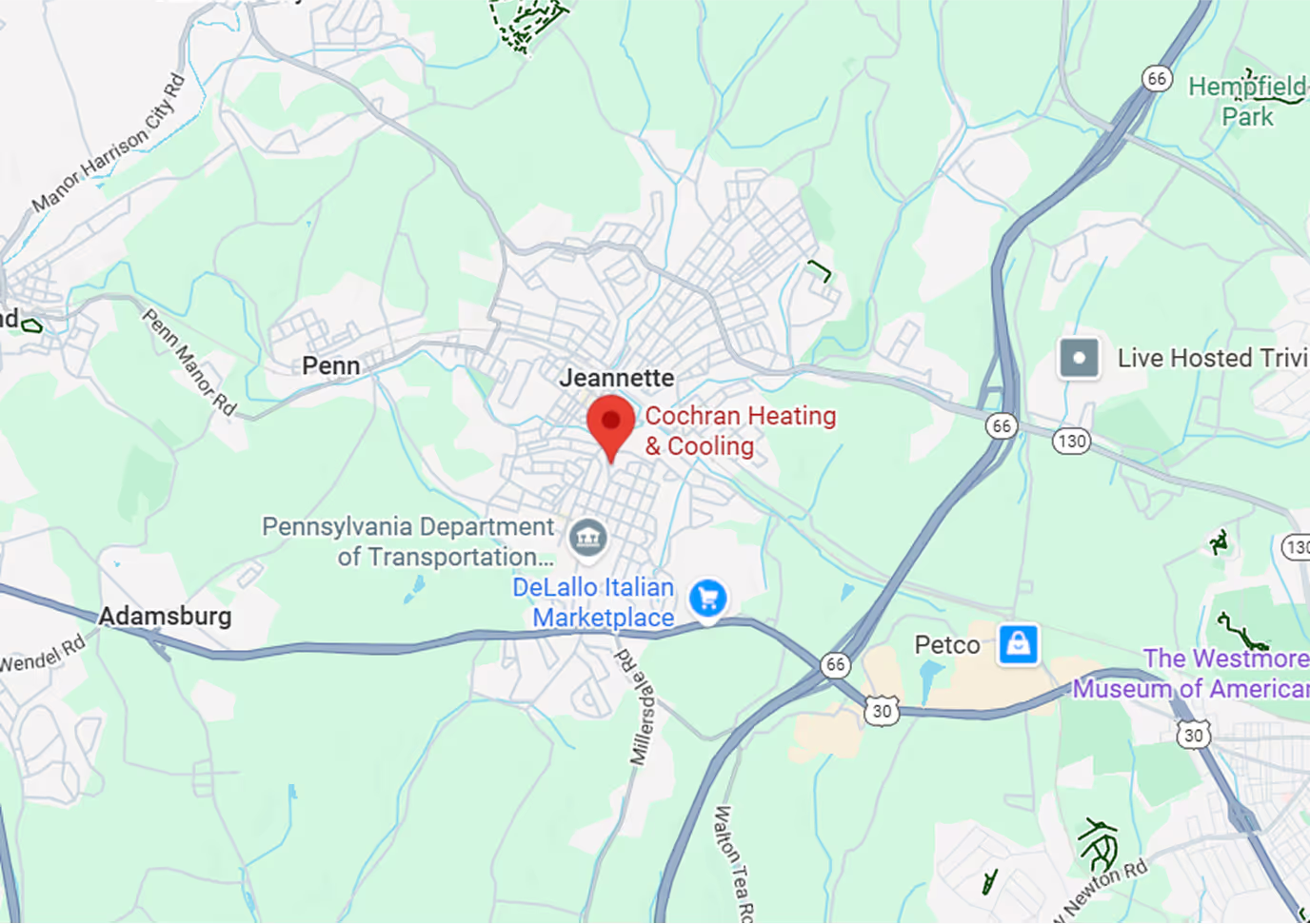
Geothermal Installation in Jeannette, PA
When a boiler starts failing in Irwin, PA, it can really throw a wrench in your comfort, safety, and even your energy bills, especially with our long, cold winters. Sometimes, replacing that old system is just a smarter move than constantly patching it up, especially when you look at the super-efficient options available today that are perfect for our local weather. With Cochran Heating & Cooling, professional boiler replacement means making sure everything is sized right, installed perfectly, and that your old unit is taken away and disposed of responsibly. Homeowners can count on clear timelines, solid warranty coverage, and helpful advice on picking the right system and a qualified installer to keep your Irwin home nice and warm for years to come.
.jpeg)
Geothermal Installation in Jeannette, PA
Geothermal installation in Jeannette, PA delivers a reliable, energy-efficient way to heat and cool your home year-round. With cold winters and humid summers typical of western Pennsylvania, a properly designed geothermal heat pump system can lower utility bills, provide steady indoor comfort, and reduce reliance on fossil fuels. This page explains the full installation process—from site evaluation and loop design to commissioning and homeowner operation—so you know what to expect for a geothermal installation in Jeannette, PA.
Common geothermal installation considerations in Jeannette, PA
- Lot size and layout: Many Jeannette properties are suburban lots that influence whether a horizontal or vertical ground loop is practical.
- Soil and rock conditions: Clay, shale, or rocky pockets affect drilling and trenching approaches and cost.
- Water table and wells: Properties with adequate groundwater might qualify for open-loop designs; well depth and water quality must be assessed.
- Existing heating systems: Integration with ductwork or conversion to hydronic radiant impacts equipment selection.
- Local permitting and neighborhood restrictions: Zoning, setbacks, and homeowner association rules can shape loop placement.
Site evaluation and ground loop design
A thorough site evaluation is the foundation of a successful geothermal installation in Jeannette, PA. During evaluation technicians will:
- Review site access, landscaping, overhead and underground utilities, and preferred loop locations.
- Conduct soil and subsurface assessments to determine boreability and expected thermal conductivity.
- Measure well depth or groundwater availability if considering an open-loop system.
Ground loop options explained:
- Horizontal loops: Trenched loops placed in shallow trenches are often less expensive when there is sufficient yard space. They work well in many Jeannette yards but require excavation across the property.
- Vertical loops: Vertical boreholes are the best solution when lot space is limited or when rocky soils make trenching impractical. Vertical drilling requires specialized equipment and typically higher up-front cost but minimizes surface disruption.
- Open-loop systems: If property well conditions allow, an open-loop using groundwater can be efficient, but it requires water quality and permitting review.
System sizing and energy modeling
Accurate sizing is critical for performance and efficiency. For geothermal installation in Jeannette, PA, expect:
- A detailed heat loss and heat gain calculation based on insulation, windows, orientation, and occupancy.
- Energy modeling to compare projected annual energy use and cost versus existing systems.
- Right-sizing of the heat pump and loop field to avoid short cycling or underperformance. Oversizing reduces efficiency and increases wear; undersizing leaves the home uncomfortable during extremes.
Equipment selection
Equipment choices depend on your home’s needs and desired features:
- Ground-source heat pump types: Single-stage, two-stage, and variable-speed units. Variable-speed models often deliver better comfort and efficiency.
- Distribution options: Ducted forced air, hydronic radiant floors, or a combination — compatibility matters for seamless integration.
- Hot water integration: Desuperheaters or integrated water heating options can recover heat for domestic hot water, boosting overall system efficiency.
- Controls and zoning: Multi-zone thermostats and smart controls help tailor comfort and maximize savings.
Installation process and coordination with permits and inspections
A typical geothermal installation process includes:
- Final design and permit submission to local authorities.
- Site preparation and utility location.
- Trenching or drilling for the ground loop and installation of loop piping.
- Grouting of boreholes or backfilling trenches to ensure thermal contact.
- Mechanical room setup: installing the heat pump, pumps, manifolds, and piping.
- Connecting distribution system and controls.
- Pressure testing and leak checks of the loop field.
- Inspections by local building departments and any required water or well inspections.
Coordination with permits and inspections is essential. Jeannette installations typically require building permits and may need additional approvals for drilling or well use. Proper documentation helps pass inspections and qualifies systems for incentives.
Expected project timeline
Timelines vary by home and loop type, but common ranges for geothermal installation in Jeannette, PA are:
- Site evaluation and design: 1 to 3 weeks.
- Permitting: 2 to 6 weeks depending on local review times.
- Loop field installation: 1 to 5 days (horizontal) or 1 to 3 days of drilling for vertical boreholes, subject to site conditions.
- Interior mechanical installation and tie-in: 2 to 7 days.
Overall, most residential projects are completed within 6 to 12 weeks from initial assessment to commissioning, depending on permitting and site complexity.
Financing and rebates
Geothermal systems can have higher up-front costs but deliver long-term savings. Homeowners in Jeannette should evaluate:
- Federal tax incentives and possible state or local rebates for energy-efficient systems.
- Utility company rebates or rate programs in the wider Pennsylvania region.
- Financing options such as energy efficiency loans, home equity financing, or other green loan programs tailored to renewable heating and cooling.
Confirm eligibility for incentives before installation and retain documentation from permits and commissioning to support applications.
Post-install testing and commissioning
After physical installation, professionals will:
- Pressure test the loop and verify proper flow rates.
- Charge and test refrigerant circuits and verify correct operating pressures.
- Balance airflow or hydronic flow for each zone.
- Calibrate controls and thermostats and perform a full system performance test.
- Provide a homeowner walkthrough and deliver documentation on warranties, nominal operating parameters, and maintenance needs.
Homeowner guidance for operation and efficiency
To get the best performance from geothermal installation in Jeannette, PA:
- Maintain consistent thermostat settings and use programmable or smart scheduling to avoid large swings.
- Change or clean filters regularly and schedule annual professional tune-ups for the indoor equipment.
- Keep outdoor loop access areas clear of heavy construction or deep digging. Ground loops generally require minimal maintenance.
- Take advantage of integrated hot water recovery if installed, and consider lowering water heater setpoints when appropriate.
Benefits and long-term considerations
A correctly sized and installed geothermal system offers:
- Stable, comfortable indoor temperatures through seasonal extremes in Jeannette.
- Lower operating costs and reduced greenhouse gas emissions compared to conventional heating fuels.
- Long-lived loop fields with expected service life measured in decades and indoor equipment lifespans typically between 15 and 25 years.
- Potential increase in home value and energy resilience.
Q: How long does a geothermal installation take from start to finish?
A: Most residential projects in the Jeannette area take 6 to 12 weeks from initial evaluation through final commissioning, depending on permitting and site conditions.
Q: Which loop type is best for a small Jeannette lot?
A: Vertical loops are typically chosen for small lots or where trenching is impractical; final selection depends on soil conditions and cost considerations.
Q: Will a geothermal system work with my existing ductwork?
A: In many cases yes, but a ductwork assessment is part of sizing to ensure adequate airflow and distribution; some homes may benefit from duct modifications or hydronic solutions.
Q: What maintenance does the ground loop require?
A: Ground loops require very little maintenance; annual checks focus on heat pump performance, pumps, and controls rather than the underground loop itself.