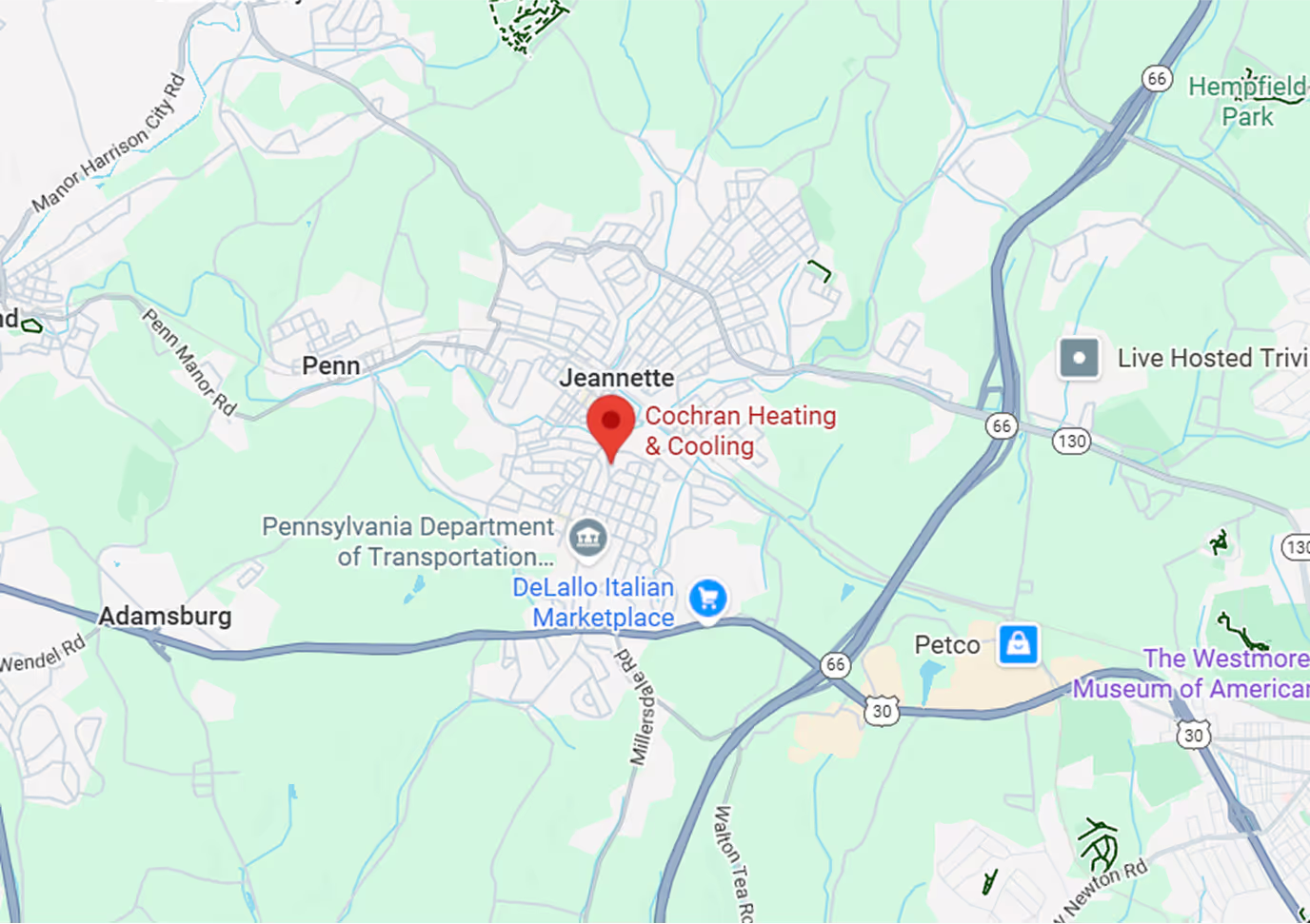
Heat Pump Installation in Jeannette, PA
Considering a heat pump installation in Jeannette, PA? It's a smart move for year-round comfort, potentially reducing heating bills and your carbon footprint compared to traditional fossil fuel systems. Given Jeannette's cold winters, occasional heavy snow, and humid summers, selecting the right heat pump and ensuring proper installation are crucial for reliable performance, long-term efficiency, and comfortable living. At Cochran Heating & Cooling, we understand these local climate challenges and can guide you through the entire process—from initial consultation and load calculations to final commissioning. We'll help you understand common installation types for Jeannette homes, navigate permit and safety requirements, explain warranty and maintenance basics, and explore practical financing options.
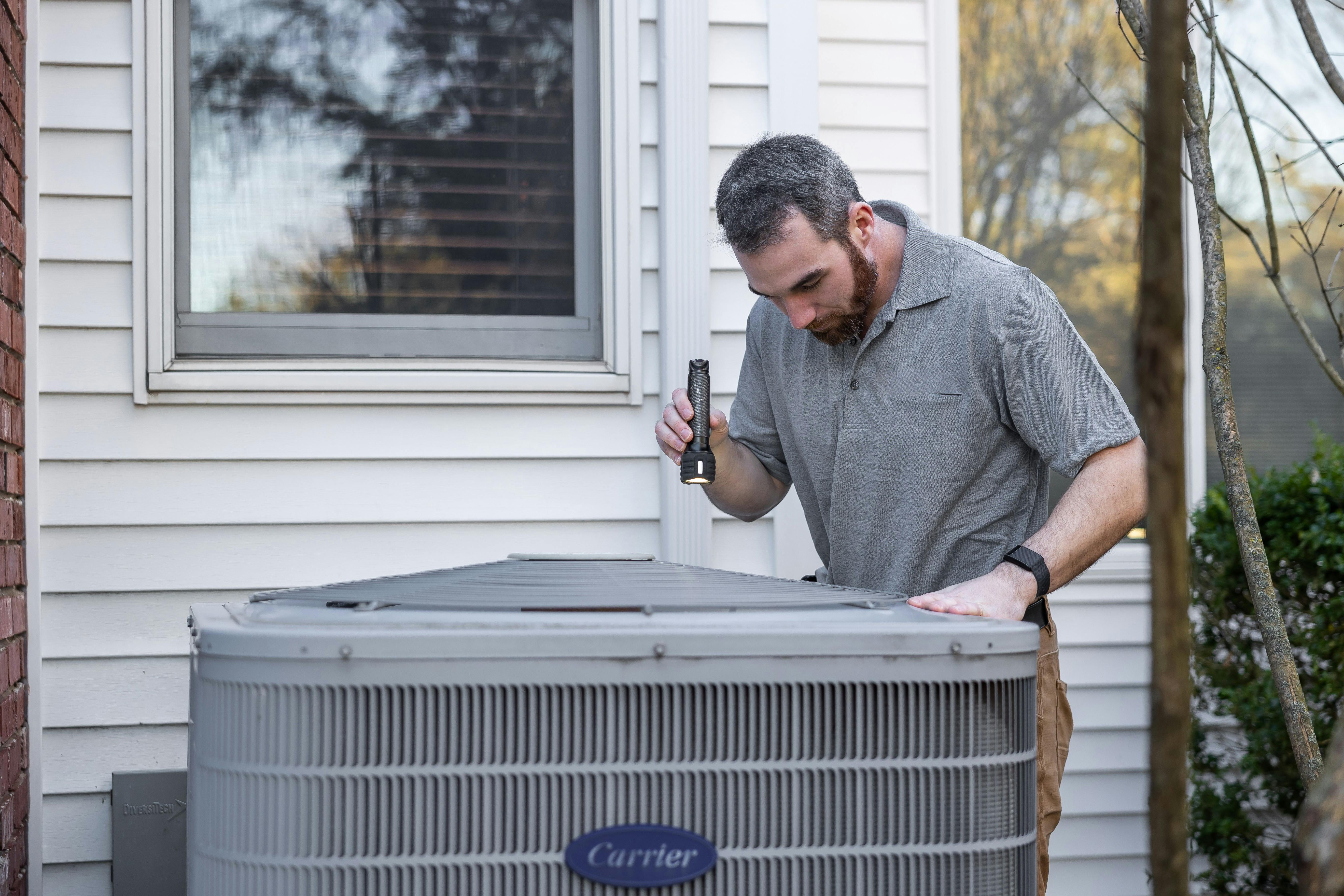
Heat Pump Installation in Jeannette, PA
Heat pump installation in Jeannette, PA offers a year-round comfort solution that reduces heating bills and lowers carbon footprint compared with conventional fossil fuel systems. In a community with cold winters, occasional heavy snow, and humid summers, selecting the right heat pump and installing it correctly is critical to reliable performance, long-term efficiency, and occupant comfort. This page explains the end-to-end process—what to expect from consultation and load calculations through commissioning, common installation types for Jeannette homes, permit and safety issues, warranty and maintenance basics, and practical financing options.
Why a properly installed heat pump matters in Jeannette, PA
Jeannette homes often contend with subzero winter temperatures and humid summer afternoons. A correctly sized, installed, and commissioned heat pump:
- Maintains comfortable indoor temperatures even in cold snaps
- Operates efficiently through season changes, lowering utility costs
- Integrates with existing heating systems where needed to ensure backup heat
- Reduces indoor humidity in summer when paired with appropriate controls
Poor sizing, undersized refrigerant lines, or inadequate airflow can lead to short cycling, freezing coils, higher energy use, and premature component wear. Professional installation prevents these issues.
Common heat pump systems and which suits Jeannette homes
- Split system (air-source): Outdoor compressor with indoor air handler. Good for homes with existing ductwork needing whole-house heating and cooling.
- Ducted heat pump: Uses your home’s existing ducts. Ideal when ducts are in good condition and sized properly.
- Ductless mini-split: Best for older Jeannette homes without ducts or for zone control in additions, finished basements, and rooms with unique heating needs.
- Cold-climate heat pumps: Designed to maintain efficiency at lower outdoor temperatures common in the region, often paired with supplemental heat in extreme cold.Choosing the right system depends on home size, insulation, existing ductwork, budget, and heating loads.
Initial consultation and load calculations
A professional installation begins with a structured assessment:
- On-site inspection: Review insulation levels, window types, attic and foundation conditions, and existing HVAC equipment.
- Manual J load calculation: Accurate heating and cooling load calculations account for Jeannette’s climate, home orientation, and building envelope. This prevents undersizing or oversizing.
- Equipment selection: Match system capacity, efficiency rating (SEER/HSPF), and cold-climate performance to calculated loads.
- Site planning: Determine outdoor unit placement, refrigerant line runs, condensate management, and electrical requirements.
Accurate load calculations are the foundation of a reliable system. They also inform whether duct upgrades or a ductless approach is more cost-effective.
Ductwork and site-preparation requirements
- Duct inspection and sealing: Test for leaks and insufficient insulation, then seal and insulate ducts where needed for efficiency.
- Return and supply sizing: Ensure proper airflow by sizing registers and returns to match the chosen air handler capacity.
- Outdoor unit placement: Install on a level pad above potential snow accumulation and with adequate clearance for airflow and maintenance.
- Refrigerant line routing: Plan shortest practical runs while allowing access for future service.
- Electrical upgrades: Verify the home’s electrical panel capacity and add dedicated circuits and disconnects per code.
- Structural or basement considerations: Secure indoor equipment to reduce vibration and noise transmission.
Addressing site needs before installation reduces delays and prevents performance issues after commissioning.
Installation and commissioning: step-by-step
- Prepare site and mount outdoor pad and indoor equipment.
- Install refrigerant lines, electrical connections, and condensate drains.
- Evacuate and pressure-test the refrigerant lines to remove moisture and verify system integrity.
- Charge the system with correct refrigerant quantity based on manufacturer specifications and measured line lengths.
- Configure controls, thermostats, and any supplemental heat settings for cold-weather operation.
- Commission system: measure refrigerant pressures, superheat/subcooling, airflow, and verify heating and cooling output against design values.
- Walk-through: review operation, maintenance tasks, and warranty registration documentation with the homeowner.
Professional commissioning ensures peak efficiency and maximizes equipment lifespan.
Safety, permits, and code compliance in Jeannette, PA
Permits and inspections are typically required for mechanical and electrical work. Key considerations:
- Local permits: Obtain mechanical and electrical permits through the municipal building department; inspections verify code compliance.
- Refrigerant handling: Technicians should be certified for refrigerant work (EPA Section 608 or equivalent) to ensure safe recovery and charging.
- Electrical code: Dedicated circuits, surge protection, and disconnects must meet local code and utility requirements.
- Ventilation and combustion safety: If the heat pump is integrated with existing combustion equipment, verify proper venting and interlock controls to prevent hazards.
Following permit and safety requirements prevents costly rework and ensures safe, code-compliant installations.
Warranty coverage and maintenance recommendations
- Manufacturer warranties: Typically cover major components (compressor, heat exchanger) for a set period; labor warranties are separate and should be documented.
- Service/installation warranty: Professional installers often provide a limited labor warranty for a specified timeframe.
- Recommended maintenance: Biannual checkups—spring and fall—cover coil cleaning, refrigerant checks, filter replacement, airflow verification, electrical connection inspection, and control calibration.
- Performance checks: Annual heating performance tests during cold months confirm system capacity and identify need for refrigerant or airflow adjustments.
Regular maintenance preserves efficiency, keeps warranties valid, and helps avoid unexpected failures during harsh weather.
Financing options and local incentives
Heat pump installation can be financed in several ways to spread cost:
- Manufacturer or dealer financing: Offers structured repayment plans with varying terms.
- Home equity or personal loans: Long-established options depending on homeowner preference.
- Energy efficiency loans or on-bill financing: Offered in some regions to support upgrades with energy savings covering payments.
- Incentives and rebates: Federal tax credits and state or utility rebates may be available for qualifying high-efficiency systems and upgrades. Local programs in the region sometimes support electrification and efficiency improvements.
Reviewing available incentives before purchase can materially affect the net cost and payback period.
Q: How long does a typical heat pump installation take?
A: Most whole-home installations take 1 to 3 days depending on system complexity, ductwork modifications, and permit scheduling. Simple ductless installs often complete in a day.
Q: Will a heat pump work in Jeannette winters?
A: Modern cold-climate heat pumps maintain good efficiency and capacity at low temperatures common in Jeannette, though some homes use auxiliary heat for extreme cold. Proper sizing and insulating the home are key.
Q: Do I need to replace ductwork for a heat pump?
A: Not always. If existing ducts are in good condition and properly sized, a heat pump can often use them. Duct sealing and insulation upgrades frequently improve comfort and efficiency.
Q: What routine maintenance should I expect?
A: Replace or clean filters every 1 to 3 months, schedule professional tune-ups twice a year, keep outdoor unit clear of debris and snow, and monitor thermostat settings.
Q: Are permits required in Jeannette, PA?
A: Yes. Mechanical and electrical permits and inspections are typically required by the local building department to ensure code compliance and safe installation.