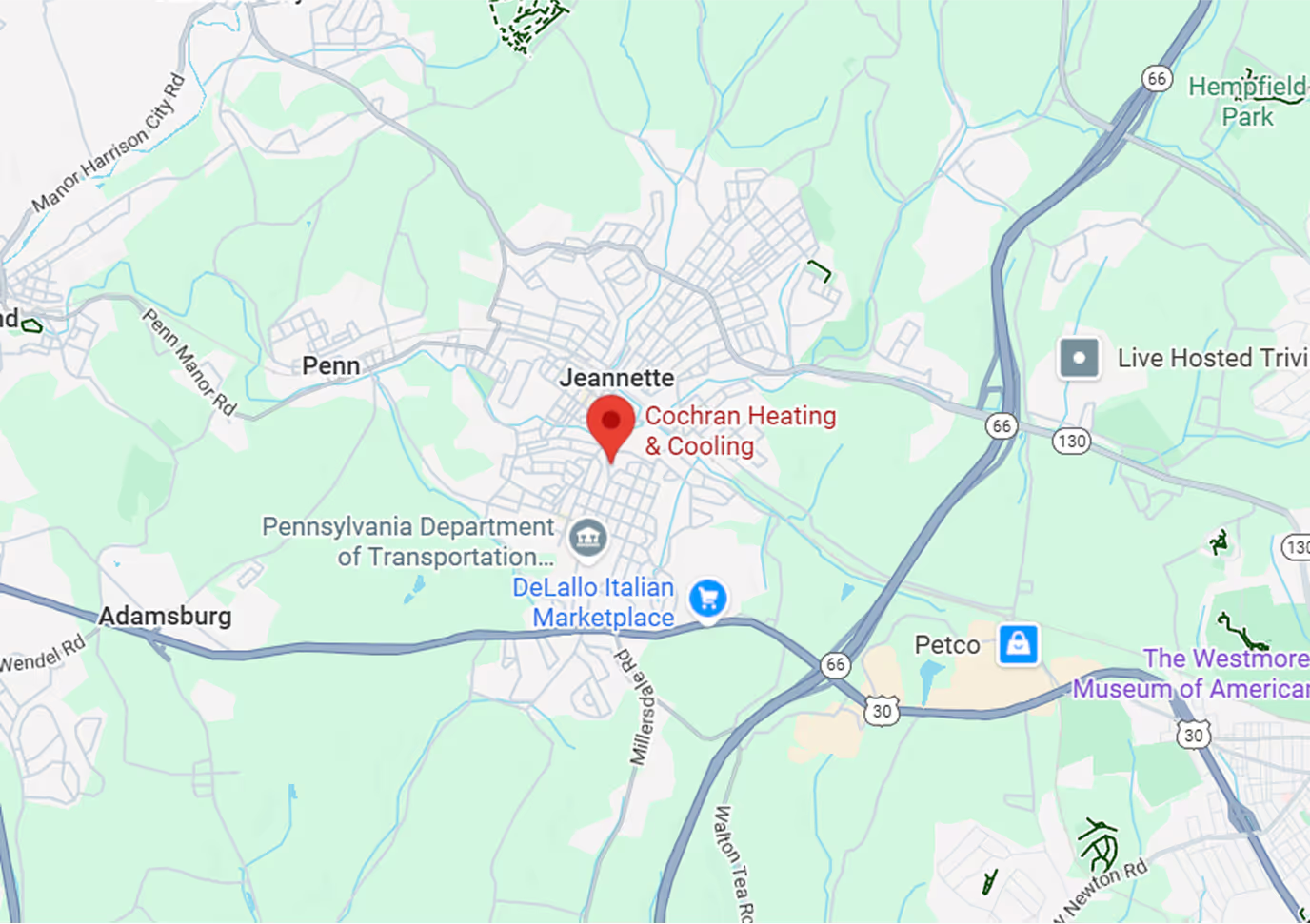
Heating Installation in Jeannette, PA
Are you struggling with uneven heating, skyrocketing energy bills, or an unreliable heating system this winter in Jeannette, PA? Upgrading to a new, properly installed heating system is the key to solving these problems; boosting your home’s comfort, cutting energy costs, and increasing property value. Jeannette’s cold, snowy winters and older homes demand expert attention to equipment sizing, ventilation, and code compliance to ensure your system performs efficiently and safely. At Cochran Heating & Cooling, we specialize in heating installation services tailored to Jeannette’s unique climate and housing needs. From your first consultation to a thorough homeowner orientation, we guide you through every step with transparency and professionalism.
Don’t let an outdated or improperly installed heating system leave you in the cold; contact us today to schedule your consultation and experience reliable warmth all winter long.
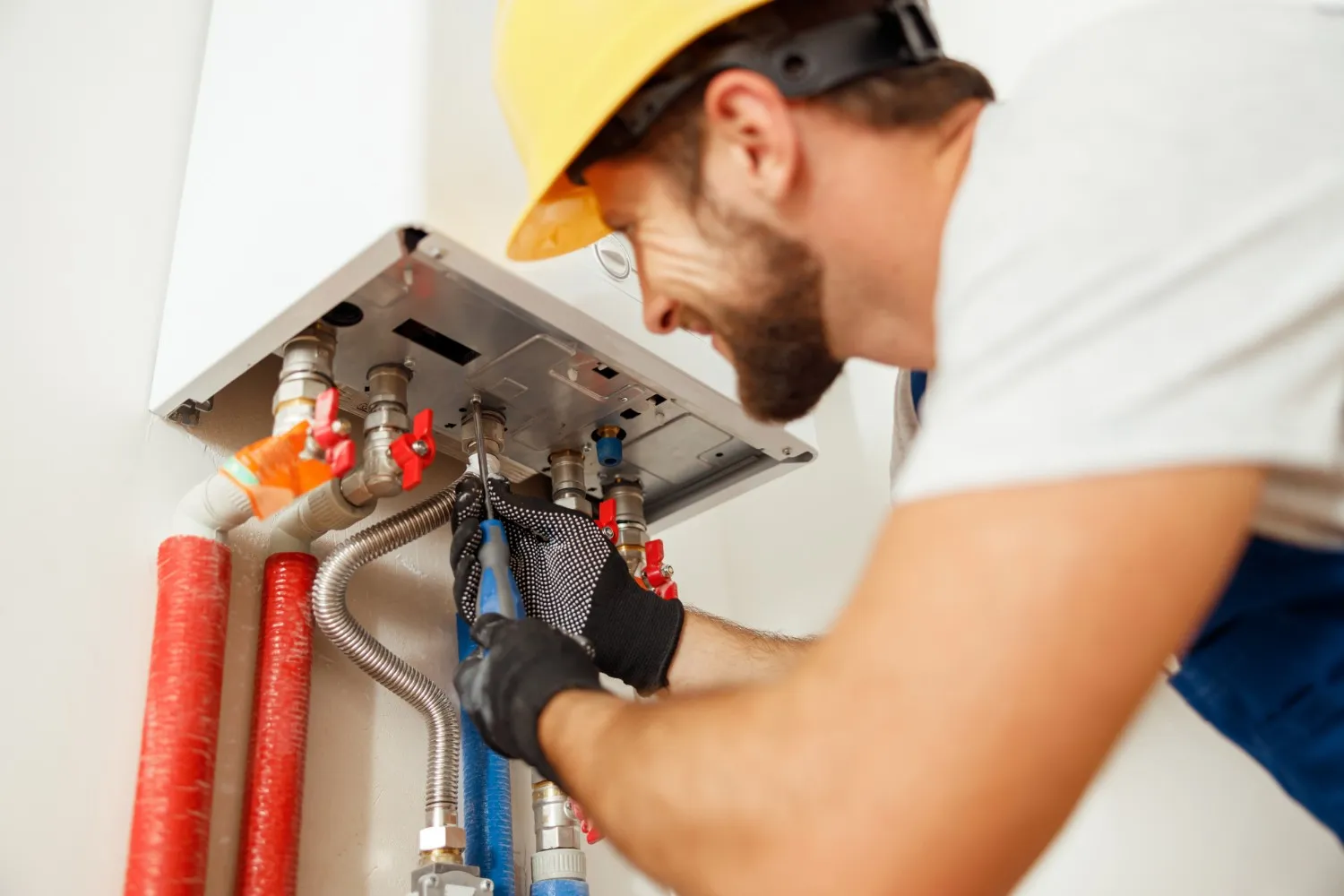
Ready to Upgrade Your Heating System?
Let Cochran Heating & Cooling provide a customized heating solution that fits your home and budget. Our expert team ensures a smooth installation process and long-term comfort. Schedule Your Free Consultation Now
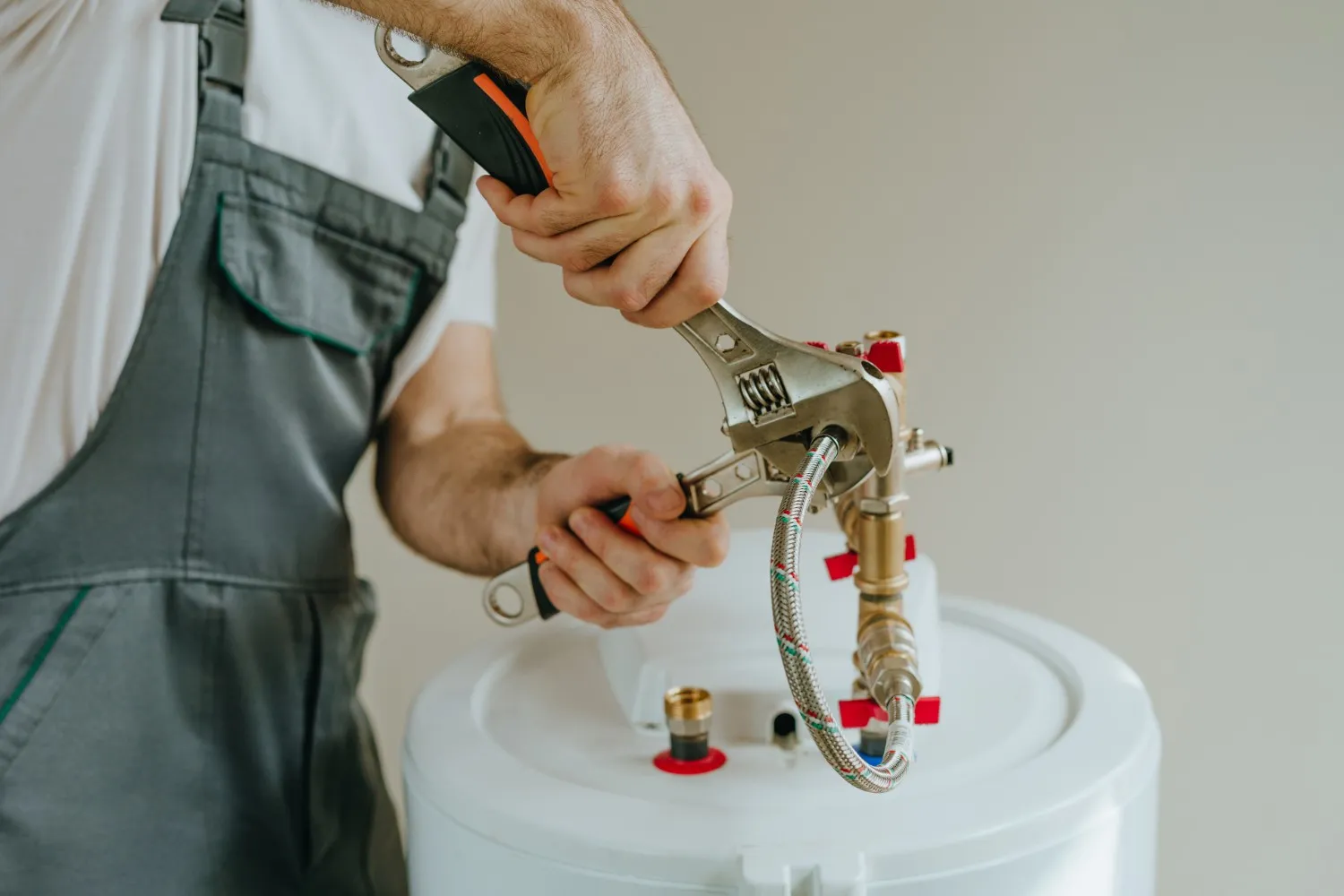
Heating Installation in Jeannette, PA
Upgrading or installing a new heating system in Jeannette, PA is one of the most effective ways to improve winter comfort, lower energy bills, and increase home value. Jeannette homes face cold, snowy winters and an older housing stock that often needs right-sized equipment, updated distribution systems, and careful attention to ventilation and code compliance. This page explains the full heating installation process from initial consultation through homeowner orientation, highlights common heating installation issues in Jeannette, PA, and outlines what to expect for performance testing, permits, and financing.
Why Proper Heating Installation Matters in Jeannette, PA
Jeannette experiences extended periods of below-freezing temperatures and occasional heavy snowfall. A correctly specified and installed heating system ensures reliable warmth, prevents freeze-related damage, and reduces fuel waste. Older homes in the area may have undersized or leaky ductwork, outdated boilers, or inadequate insulation that magnify the importance of professional assessment and precise equipment sizing.
Common Heating Systems to Consider
- High-efficiency gas furnaces for homeowners with natural gas service
- Condensing boilers or modern hydronic systems for homes with radiators or baseboard heating
- Propane or oil-fired boilers/furnaces where gas is not available
- Electric heat pumps and ductless mini-split systems for improved efficiency and dual heating/cooling
- Hybrid systems combining heat pump and furnace for cold-climate efficiency
Typical Heating Installation Issues in Jeannette, PA
- Incorrect equipment sizing leading to short-cycling or insufficient heat
- Old or undersized ductwork causing uneven rooms temperatures and high operating costs
- Aging boilers with scale, corrosion, or inefficient burners
- Improper venting or combustion air in tightly sealed homes
- Lack of zoning control in multi-level or large older homes
- Code noncompliance during previous installations, leaving safety or permitting gaps
Initial Consultation and Site Assessment
A professional installation begins with a thorough on-site assessment. Expect the following steps:
- Review of current system, fuel type, age, and maintenance history
- Inspection of existing distribution: ducts, radiators, baseboards, or piping
- Measurement of rooms, ceiling heights, insulation levels, and window types
- Identification of venting, combustion air access, and clearances
- Discussion of comfort goals, budget, and long-term efficiency priorities
This assessment informs equipment selection and ensures the installation plan reflects Jeannette-specific concerns such as utility availability and local winter load.
Equipment Selection and Sizing
Accurate sizing prevents common problems. Professionals use a heat load calculation (often called Manual J) to determine the required capacity based on:
- Square footage and room-by-room heat loss
- Local climate data for Jeannette winters
- Insulation levels and air infiltration rates
- Orientation and window area
For ducted systems, a duct design (Manual D) and airflow calculation ensure balanced, efficient delivery. For hydronic systems, piping and radiator sizing match the calculated heat load. Proper sizing also affects warranty and long-term performance.
Ductwork and Piping Considerations
- Ductwork: Evaluate for leaks, undersized trunks, poor insulation, or restricted returns. Sealing, rebalancing, or partial replacement may be required to achieve even comfort and efficiency.
- Piping: For boilers and hydronic systems, pipe routing, insulation, and expansion considerations are critical. Sloped drainage and proper air elimination help prevent noise and air locks.
- Clearances: Furnaces and boilers require service clearances and appropriate venting. Combustion air must meet code, especially in tightly built Jeannette homes.
Permits and Code Compliance
Installations must meet Pennsylvania mechanical codes and local Jeannette or Westmoreland County permit requirements. Typical compliance items include:
- Mechanical permits and inspections for fuel-burning appliances
- Proper venting, chimney connections, and combustion air provisions
- Gas piping or fuel storage code requirements
- Carbon monoxide detector placement and smoke alarm verification
- Electrical wiring and disconnects for equipment per local code
Adhering to these regulations protects safety, ensures insurance compliance, and avoids costly rework during inspections.
Step-by-Step Installation Practices
- Site preparation: Protect floors, move furniture, and isolate work areas
- Removal and safe disposal of old equipment and associated components
- Rough-in: Install ductwork, piping, gas lines, electrical connections, and ventilation
- Equipment placement and secure mounting, maintaining code clearances
- Connection of controls, thermostats, and any zoning components
- System charging for heat pumps or verification of burner settings for combustion equipment
- Sealing ducts and insulating accessible piping
Every step follows industry best practices and local code requirements to ensure a durable, efficient installation.
Commissioning and Performance Testing
Commissioning verifies the system operates as intended. Typical checks include:
- Safety controls and limit switches testing
- Combustion analysis for gas or oil equipment to confirm efficient combustion and safe venting
- Airflow measurements for ducted systems and balance adjustments
- Temperature rise checks across furnaces and proper water temperature in boilers
- Leak tests for hydronic circuits and refrigerant checks for heat pumps
- Thermostat calibration and zoning verification
Documentation of test results helps homeowners understand system performance and preserves warranty records.
Post-Install Homeowner Orientation
After installation, homeowners receive an orientation covering:
- How the system operates and what to expect during the first weeks
- Thermostat settings, scheduling, and zoning use for comfort and efficiency
- Basic maintenance tasks: filter changes, vent checks, and pump or burner observation
- Warning signs of trouble, including unusual noises, odors, or pressure issues
- Scheduled maintenance recommendations to preserve efficiency and prolong equipment life
This orientation empowers homeowners to operate the system safely and maximize value from the installation.
Financing and Long-Term Value
Heating installation in Jeannette, PA often qualifies for financing options that can spread the upfront cost over manageable terms. Financing can make higher-efficiency equipment, necessary ductwork upgrades, or multi-zone controls more accessible. Investing in a properly installed high-efficiency system typically yields lower operating costs, improved comfort, and reduced repair frequency over time.
Maintenance and Longevity
Regular maintenance extends equipment life and maintains efficiency. Recommended items include annual combustion tune-ups for fuel-fired systems, seasonal checks for heat pumps, regular filter replacement, and periodic duct inspections. Addressing small issues early reduces the risk of breakdowns during Jeannette winters.
Frequently Asked Questions
Q: How long does a typical heating installation take?
A: Most straight-forward furnace or boiler replacements take one to two days; installations involving major ductwork, zoning, or switching fuel types can take several days to a week depending on complexity and permits.
Q: How do you determine the right size heating system for my home?
A: A professional heat load calculation (Manual J) uses your home’s square footage, insulation, windows, and local climate data to determine capacity. This prevents oversizing or undersizing and improves efficiency.
Q: Do I need a permit for heating installation in Jeannette, PA?
A: Yes, most equipment replacements and new installations require mechanical permits and inspections to comply with local and Pennsylvania codes, covering venting, gas piping, and safety devices.
Q: Can I switch from an oil or propane system to natural gas or a heat pump?
A: In many homes this is possible, but feasibility depends on gas service availability, infrastructure changes, venting, and sometimes electrical upgrades. A site assessment will clarify options.
Q: What should I expect during the homeowner orientation after installation?
A: You will get a walkthrough of system operation, thermostat and zoning instructions, maintenance tips, safety reminders, and documentation of commissioning and test results.
Q: Are financing options available for heating installation projects in Jeannette, PA?
A: Financing is commonly available to help cover the cost of equipment and associated upgrades, including higher-efficiency systems and necessary distribution improvements.