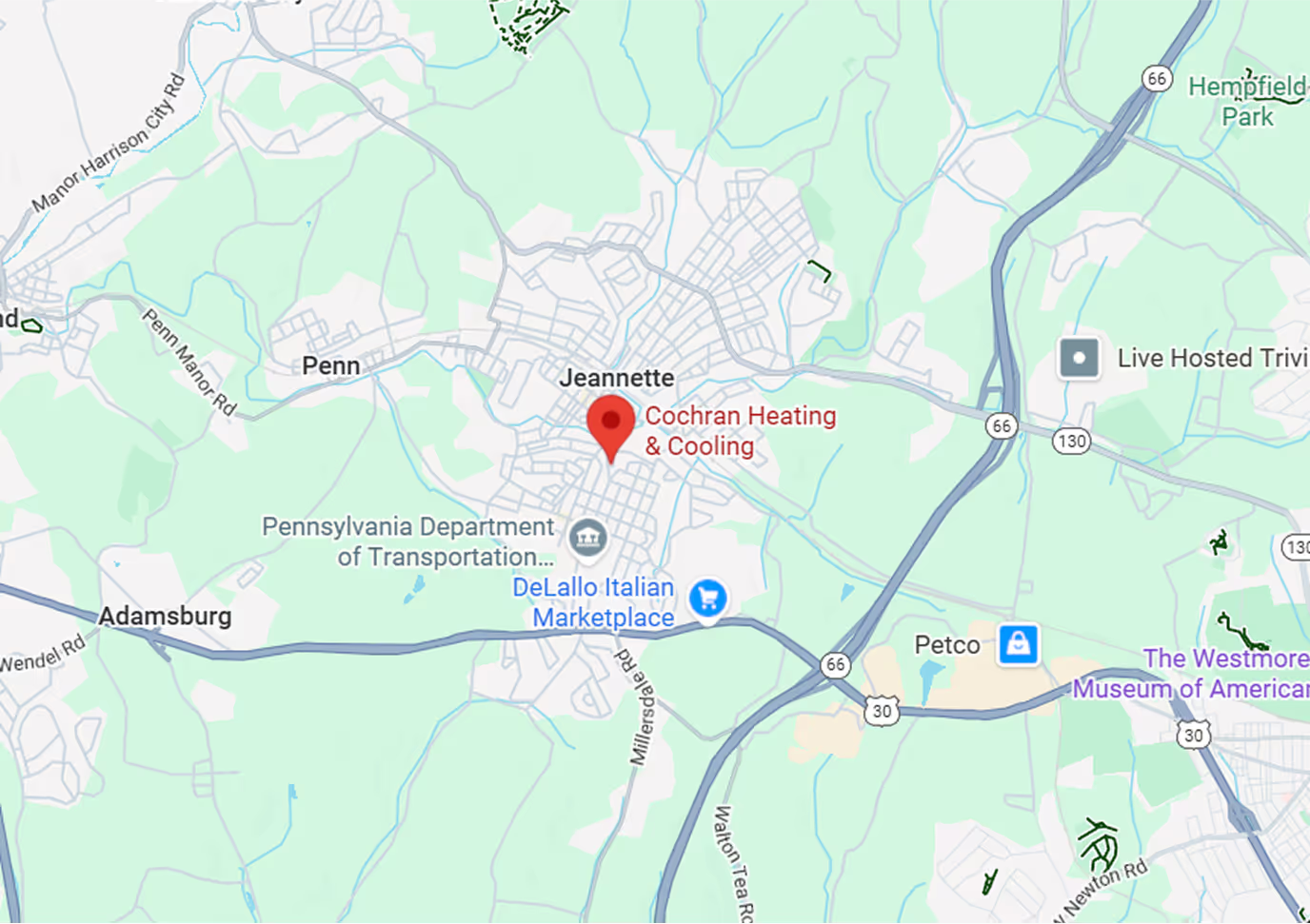
Heat Pump Replacement in Jeannette, PA
For homeowners in Jeannette, PA, replacing an aging heat pump can significantly improve year-round comfort and lower energy bills. Given the cold winters and humid summers common in Westmoreland County, along with the prevalence of older homes, an inefficient heat pump can lead to high utility costs and inconsistent temperatures. Cochran Heating & Cooling understands these challenges and provides expert heat pump replacement services. We focus on evaluating your home's specific needs, selecting the right high-efficiency equipment, and ensuring a seamless installation process. With Cochran Heating & Cooling, you can expect realistic energy savings and a more comfortable home environment.
-min.jpeg)
Heat Pump Replacement in Jeannette, PA
Replacing a heat pump is one of the most effective ways to improve year-round comfort and reduce energy bills in Jeannette, PA. With cold winters, humid summers, and older homes common in Westmoreland County, an outdated or undersized heat pump can mean higher utility costs, uneven temperatures, and frequent repairs. This page explains the heat pump replacement process, signs that replacement is necessary, how on-site evaluation and equipment sizing work, high-efficiency options and incentives, removal and disposal practices, installation timelines, warranty and testing protocols, and the realistic energy and comfort benefits you can expect for Jeannette homes.
When to consider heat pump replacement
Common indicators that a heat pump replacement is the right option:
- Age of system: Most air-source heat pumps last 10 to 15 years. If your system is older than this, replacement often makes more sense than repeated repairs.
- Rising energy bills: Higher heating or cooling costs despite similar use often mean declining efficiency.
- Frequent breakdowns or repairs: Repaired systems with recurring issues typically indicate failing components.
- Poor comfort or uneven temperatures: Short cycling, weak airflow, or rooms that never reach setpoint suggest wrong sizing or failing equipment.
- Noisy operation: Excessive vibration, loud compressors, or rattling often precede major failures.
- Obsolete refrigerant or leaking refrigerant: Systems using phased-out refrigerants or with unrepairable leaks should be replaced.
- Lack of cold-climate performance: Older models may struggle in Jeannette winters; modern cold-climate heat pumps maintain capacity at lower outdoor temperatures.
On-site evaluation and equipment sizing
A proper heat pump replacement starts with a detailed on-site evaluation. Key steps include:
- Inspection of existing system: Check outdoor unit, indoor air handler, duct condition, filters, thermostat, and electrical service.
- Load calculation (Manual J): Accurate heating and cooling load sizing prevents undersized or oversized systems. This considers home orientation, insulation levels, window types, and local climate data for Jeannette.
- Ductwork assessment: Evaluate leakage, sizing, and layout. Poor ducts can reduce the benefits of a new high-efficiency heat pump.
- Electrical and space requirements: Verify panel capacity, circuit sizing, and location for outdoor and indoor units.
- Recommendations: Present right-sized equipment options, noting whether a ducted, ductless, or hybrid system fits the home best.
Correct sizing and siting are critical in Jeannette where winter heat demand is significant but summers can be humid. Oversized units short-cycle, reducing comfort and lifespan; undersized units can fail on the coldest days.
Efficiency comparisons and high-efficiency options
When comparing replacement options, look at performance metrics and features:
- SEER (Seasonal Energy Efficiency Ratio) for cooling and HSPF (Heating Seasonal Performance Factor) for heating indicate seasonal efficiency.
- COP (Coefficient of Performance) helps compare heating performance at specific temperatures.
- Inverter-driven variable-speed compressors deliver quieter, more efficient operation with better humidity control.
- Cold-climate heat pumps are engineered to maintain meaningful heating capacity at lower outdoor temps common in Western Pennsylvania.
- Dual-fuel or hybrid systems combine a heat pump with a gas furnace for optimal efficiency across temperature extremes.
Jeannette homeowners may qualify for federal tax credits, state rebates, and local utility incentives for installing high-efficiency heat pumps or qualifying equipment. Financing options can also help spread upfront costs while delivering energy savings over time.
Removal and responsible disposal of old equipment
Proper removal of the old heat pump is essential and regulated:
- Refrigerant recovery follows environmental regulations to prevent release of refrigerants.
- Component recycling and disposal covers metals, plastics, and electronic parts according to local recycling rules.
- Paperwork and permits may be required for disposal or replacement, especially if electrical upgrades are performed.
Responsible disposal protects air quality and complies with Pennsylvania and federal regulations governing refrigerants and waste.
Installation timeline and what to expect
Typical timelines and stages:
- Preparation: Delivery of equipment and scheduling. If ductwork or electrical upgrades are needed, additional time is scheduled.
- Installation day(s): For straight replacements, most air-source installs are completed in 1 to 2 days. Complex projects with duct redesign, adding a new air handler, or switching to ductless may take several days.
- Commissioning: After installation, technicians charge the refrigerant, balance airflow, set controls, and test the system under load.
- Clean up and documentation: Disposal of old equipment and providing system documentation and manufacturer warranty info.
A well-planned replacement minimizes disruption and ensures peak performance from day one.
Warranty, post-installation testing, and commissioning
Post-installation testing confirms the system meets design expectations:
- Refrigerant charge verification and superheat/subcooling checks
- Airflow measurements across registers
- Temperature split and system capacity testing
- Electrical safety checks and voltage readings
- Thermostat calibration and control sequence verification
Most new units carry manufacturer warranties on components and compressors. Installation labor warranties may cover workmanship for a defined period. Keep warranty documents and service records to protect coverage.
Expected energy and comfort benefits in Jeannette homes
Replacing an old heat pump can provide:
- Lower utility bills: Modern high-efficiency models commonly reduce heating and cooling energy use substantially compared with older systems or electric resistance heat.
- More consistent comfort: Improved temperature control, humidity management, and quieter operation.
- Fewer service calls: New equipment reduces the frequency of emergency repairs and improves reliability during winter cold snaps.
- Environmental benefits: Higher-efficiency systems reduce greenhouse gas emissions associated with home heating and cooling.
Cold-climate models are especially valuable in Jeannette, maintaining efficient heating performance on typical winter days while still providing strong summer cooling.
Maintenance and extending system life
To protect your investment and maintain efficiency:
- Schedule an annual tune-up that includes refrigerant and electrical checks, airflow testing, and cleanliness inspection.
- Replace or clean filters regularly—typically every 1 to 3 months depending on use.
- Keep outdoor units clear of debris, snow, and vegetation.
- Watch for early warning signs: unusual noises, rising bills, or inconsistent temperatures.
Routine maintenance preserves warranty eligibility, sustains efficiency, and extends system life.
FAQs
Q: How long does a heat pump replacement typically take for a standard Jeannette home?
A: Straightforward air-source replacements usually take 1 to 2 days; projects involving ductwork, electrical upgrades, or switching system types may take several days.
Q: Will a heat pump work reliably in Jeannette winters?
A: Modern cold-climate heat pumps are designed to maintain heating capacity at lower outdoor temperatures common in Jeannette and perform reliably with proper sizing and installation.
Q: Can I get rebates or tax credits for a high-efficiency heat pump in Pennsylvania?
A: Federal, state, and local utility incentives and tax credits frequently apply to qualifying high-efficiency heat pumps. Eligibility depends on the specific equipment and program criteria.
Q: What is included in the on-site evaluation for replacement?
A: An on-site evaluation includes load calculation, ductwork inspection, electrical assessment, and review of existing equipment to determine the correct size and type of replacement unit.
Q: How much can I expect to save on energy after replacing an old heat pump?
A: Savings vary by system and home, but many homeowners see a significant reduction in heating and cooling costs—commonly 20 percent or more—especially when upgrading from older, inefficient units.
Q: What happens to my old heat pump when it is removed?
A: Old equipment is removed, refrigerant is properly recovered, and recyclable materials are processed according to regulations. Documentation of disposal is provided when required.