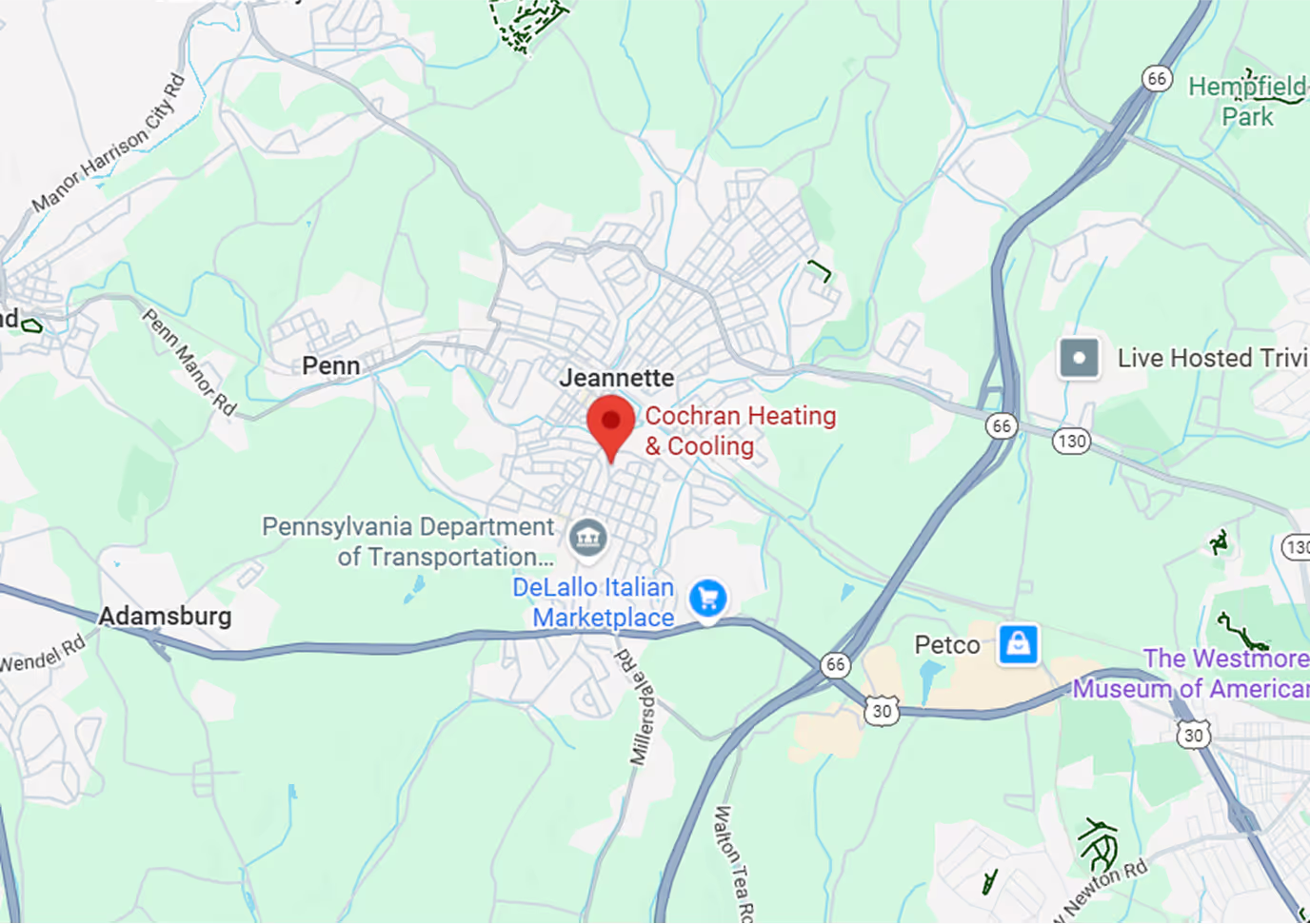
HVAC Company in Scottsdale, PA
When your home in Scottdale, PA needs reliable heating, ventilation, or air conditioning service, you want clear answers, dependable workmanship, and solutions that truly match our local weather and building conditions. Cochran Heating & Cooling is your experienced partner in Scottdale, PA, handling everything from new system installation and accurate equipment sizing to seasonal maintenance, emergency repairs, and indoor air quality improvements. We'll explain common HVAC problems in Scottdale homes, walk you through our diagnostic and repair process, discuss efficiency upgrade options, and provide practical maintenance advice to help you choose the right service and protect your investment.
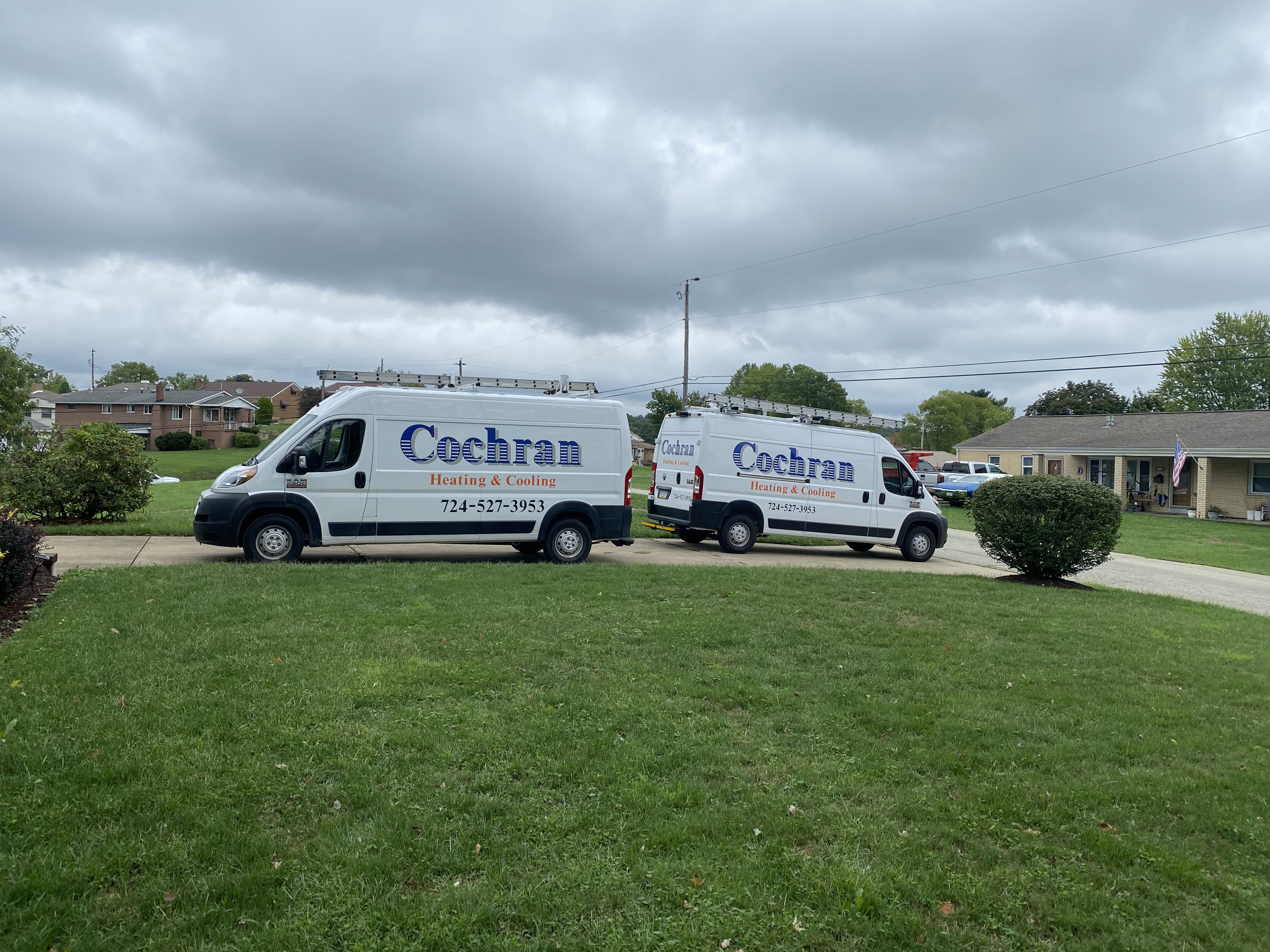
HVAC Company in Scottsdale, PA
When your home in Scottsdale, PA needs reliable heating, ventilation, or air conditioning service, you want clear answers, dependable workmanship, and solutions that match local weather and building conditions. An experienced HVAC company in Scottsdale, PA will handle everything from new system installation and accurate equipment sizing to seasonal maintenance, emergency repairs, and indoor air quality improvements. This page explains common HVAC problems in Scottsdale homes, the diagnostic and repair process, efficiency upgrade options, and practical maintenance advice to help you choose the right service and protect your investment.
Why local expertise matters in Scottsdale, PA
Scottsdale experiences hot, humid summers and cold, sometimes snowy winters. That climate puts stress on both cooling and heating systems and increases the importance of proper sizing, refrigerant charge, and air flow balance. Homes in the area also face seasonal pollen and indoor humidity swings that affect air quality and system performance. A local HVAC company understands these regional demands, local building codes, and the most cost effective efficiency upgrades for Scottsdale homeowners.
Common HVAC issues in Scottsdale, PA
Homeowners frequently call for the following problems:
- Inconsistent cooling or heating between rooms due to poor duct balance or undersized equipment
- Frequent short cycling of furnaces or AC units, often caused by airflow restrictions or incorrect thermostat settings
- Refrigerant leaks or low refrigerant affecting cooling capacity
- Noisy operation from worn motors, loose components, or failing bearings
- Poor indoor air quality from clogged filters, high humidity, or inadequate ventilation
- Pilot, ignition, or heat exchanger concerns on gas furnaces
- Emergency failures during heat waves or cold snaps due to lack of preventive maintenance
Service types offered
A full-service HVAC company in Scottsdale, PA typically provides:
- New system installation and replacement, including equipment selection and Manual J load calculations for proper sizing
- Routine and seasonal maintenance plans for heating and cooling systems
- Emergency and same-day repair for breakdowns and safety issues
- System diagnostics and efficiency tuning to restore peak performance
- Indoor air quality solutions: high-efficiency filters, HEPA and UV purifiers, whole-home humidifiers and dehumidifiers, and ventilation upgrades
- Duct inspection, sealing, and repairs to improve airflow and reduce energy loss
- Energy-efficiency upgrades: high-efficiency furnaces, heat pumps, variable-speed air handlers, and smart thermostats
- Warranty support and assistance with manufacturer claims
- Licensing, certifications, and compliance with local codes
How diagnostics work — what professionals check
Accurate diagnosis is the foundation for a lasting repair. Typical diagnostic steps include:
- Visual inspection of equipment, ductwork, and controls for obvious damage or wear
- Airflow assessment at supply and return registers to identify obstructions and imbalance
- Refrigerant charge check and leak detection for air conditioners and heat pumps
- Electrical testing of motors, capacitors, contactors, and safety controls
- Combustion analysis and heat exchanger inspection on gas-fired equipment for safety and efficiency
- Thermostat calibration and control system communication checks
- System performance testing under load to confirm capacity and efficiency
Technicians combine instrument readings with building-specific factors like insulation, window exposure, and occupancy patterns to recommend the correct repair or upgrade.
Typical repairs and practical solutions
Repairs focus on restoring safe, efficient operation and preventing repeat issues:
- Replacing failed components such as capacitors, contactors, fan motors, or control boards
- Repairing refrigerant leaks and recharging systems to manufacturer specifications
- Replacing or repairing duct sections and sealing leaks to improve delivery and reduce energy waste
- Performing combustion safety repairs or heat exchanger replacements when needed
- Upgrading thermostats to programmable or smart models to reduce runtime and utility costs
- Replacing aging equipment with high-efficiency alternatives when repair is no longer cost effective
A good service provider will explain the expected lifespan of parts, energy savings from upgrades, and warranty coverage so you can make informed decisions.
Brands serviced and certifications
Most local HVAC companies service all major residential brands, including but not limited to Carrier, Trane, Lennox, Rheem, Goodman, Bryant, and Daikin. Technicians should carry relevant certifications such as EPA 608 for refrigerants and industry-recognized credentials like NATE certification. Licensing and proof of insurance aligned with Pennsylvania requirements provide additional assurance of professional standards.
Energy-efficiency upgrades and sizing
Proper equipment sizing (Manual J load calculation) is critical in Scottsdale homes. Oversized units short cycle and underperform, while undersized systems cannot maintain comfort during extreme heat or cold. Efficiency upgrades that typically yield the best returns include:
- High-efficiency heat pumps or condensing furnaces
- Variable-speed air handlers and multi-stage compressors
- Smart thermostats with zoning capability
- Duct sealing and insulation improvements
- Whole-home ventilation and humidity control systems
These measures reduce utility bills, extend equipment life, and improve comfort throughout the year.
Indoor air quality — what to consider
Local pollen and humidity swings make indoor air quality a common concern in Scottsdale. Solutions include:
- High-efficiency pleated filters changed regularly
- HEPA filtration for allergy mitigation
- UV germicidal lights to reduce biological contaminants on coils
- Whole-home humidifiers or dehumidifiers to stabilize indoor humidity
- Mechanical ventilation upgrades to ensure adequate fresh air without sacrificing efficiency
Maintenance advice and long-term benefits
Regular maintenance is the most cost effective strategy to reduce emergency repairs and extend equipment life. Seasonal tune-ups typically include coil cleaning, filter changes, refrigerant checks, thermostat calibration, and safety inspections. Benefits of preventive maintenance include improved efficiency, lower energy bills, fewer unexpected breakdowns, and preserved manufacturer warranties.
Q: How often should I schedule HVAC maintenance in Scottsdale, PA?
A: Plan biannual maintenance: one service in spring for cooling and one in fall for heating. Homes with pets, allergies, or heavy usage may benefit from more frequent filter checks and tune-ups.
Q: How do I know if my system is correctly sized for my home?
A: A proper sizing assessment uses a Manual J load calculation that considers square footage, insulation, windows, orientation, and occupancy. If rooms are unevenly conditioned or the system short cycles, it may be incorrectly sized.
Q: Are heat pumps a good option for Scottsdale winters?
A: Modern cold-climate heat pumps are efficient for many Pennsylvania homes and can provide both heating and cooling. Their suitability depends on your home’s insulation and heating needs; a local assessment will determine the best choice.
Q: What are common signs of a refrigerant leak?
A: Reduced cooling capacity, longer run times, ice on the evaporator coil, hissing sounds, or higher energy bills can indicate a refrigerant leak. Refrigerant issues require licensed technicians to diagnose and repair.
Q: Can indoor humidity affect my HVAC performance?
A: Yes. High humidity can make air conditioning work harder and cause comfort problems, while low humidity in winter can lead to dry air. Whole-home humidifiers or dehumidifiers help maintain comfortable levels and protect wood surfaces.
Q: What certifications should I look for in an HVAC technician?
A: Look for EPA 608 certification for refrigerant handling, NATE certification for technician skill verification, and appropriate state or local licensing and insurance documentation.