Heat Pump Installation in Scottsdale, PA
Upgrading to a modern heat pump is one of the most effective ways to improve your year-round comfort and lower your energy bills in your Scottsdale, PA home. Cochran Heating & Cooling understands that proper heat pump installation in Scottsdale, PA, requires addressing the specific heating needs of our cold winters and the humidity control needed during our warm summers. We avoid common problems like improper sizing, poor ductwork, or inefficient controls. We'll explain the full installation process, what to expect at each stage, common issues in the area, and how to maintain peak performance after the install, ensuring your new system runs smoothly for years to come.
Heat Pump Installation in Scottsdale, PA
Upgrading to a modern heat pump is one of the most effective ways to improve year round comfort and lower energy bills in Scottsdale, PA homes. Proper heat pump installation in Scottsdale, PA addresses local heating needs during cold winters and humidity control in warm summers, while avoiding common problems like improper sizing, poor ductwork, or inefficient controls. This page explains the full installation process, what to expect at each stage, common issues in the area, and how to maintain peak performance after the install.
Common heat pump types and common issues in Scottsdale, PA
- Air-source heat pumps (split systems or packaged) — the most common choice for retrofit and new construction.
- Ductless mini-splits — ideal for zoned temperature control and homes without existing ducts.
- Geothermal (ground-source) heat pumps — high efficiency for long-term savings but require more site work.
- Common local issues:
- Undersized or oversized equipment from skipped load calculations.
- Older homes with inadequate or leaky ductwork that reduce efficiency.
- Electrical panel capacity limits in homes with older service.
- Performance complaints in extreme cold without suitable cold-climate models or backup heat.
Initial consultation and load calculations
A professional installation begins with an on-site consultation. Key elements include:
- Home inspection to evaluate insulation, windows, ductwork, and existing heating equipment.
- Performing a Manual J load calculation to determine heating and cooling requirements for each zone.
- Checking electrical service, breaker capacity, and outdoor space for the outdoor unit.
- Discussing homeowner priorities: low operating costs, quiet operation, zone control, or minimal visual impact.
Accurate load calculations are critical for Scottsdale, PA homes where seasonal swings require both efficient cooling and reliable heating. Proper sizing avoids short cycling, maintains comfort, and preserves compressor life.
Selecting the right system for your home
Choosing the right heat pump depends on your house type, budget, and performance expectations:
- Air-source heat pumps: Good all around choice for most Scottsdale homes. Look for cold-climate models rated for reliable operation below freezing.
- Ductless mini-splits: Best for room additions, older homes without ducts, or when you want separate temperature zones.
- Geothermal heat pumps: Consider for large properties or when you plan to stay long term and want maximum efficiency.
- Considerations specific to Scottsdale, PA:
- Humidity control: Select systems with strong dehumidification for humid summer months.
- Noise limits: Choose lower-sone outdoor units if you have close neighbors or sensitive outdoor living areas.
- Backup heat: Assess whether a supplemental electric or gas backup is needed for extreme cold days.
Permits and code compliance
Proper permitting and code compliance protect safety and ensure long-term performance:
- Local building permits, electrical permits, and inspections are typically required in Scottsdale, PA.
- Installers must follow National Electrical Code requirements and local amendments, including safe disconnects and proper wire sizing.
- Refrigerant handling must comply with EPA regulations and certified technician protocols.
- Ductwork and insulation upgrades may trigger additional permit reviews.
Expect permit processing time to vary; having a contractor handle permitting streamlines the process and ensures code compliance.
Professional installation steps
A professional installation follows a clear sequence to minimize surprises:
- Pre-install preparation: site protection, materials staging, and scheduling inspections.
- Remove old equipment safely and dispose according to regulations.
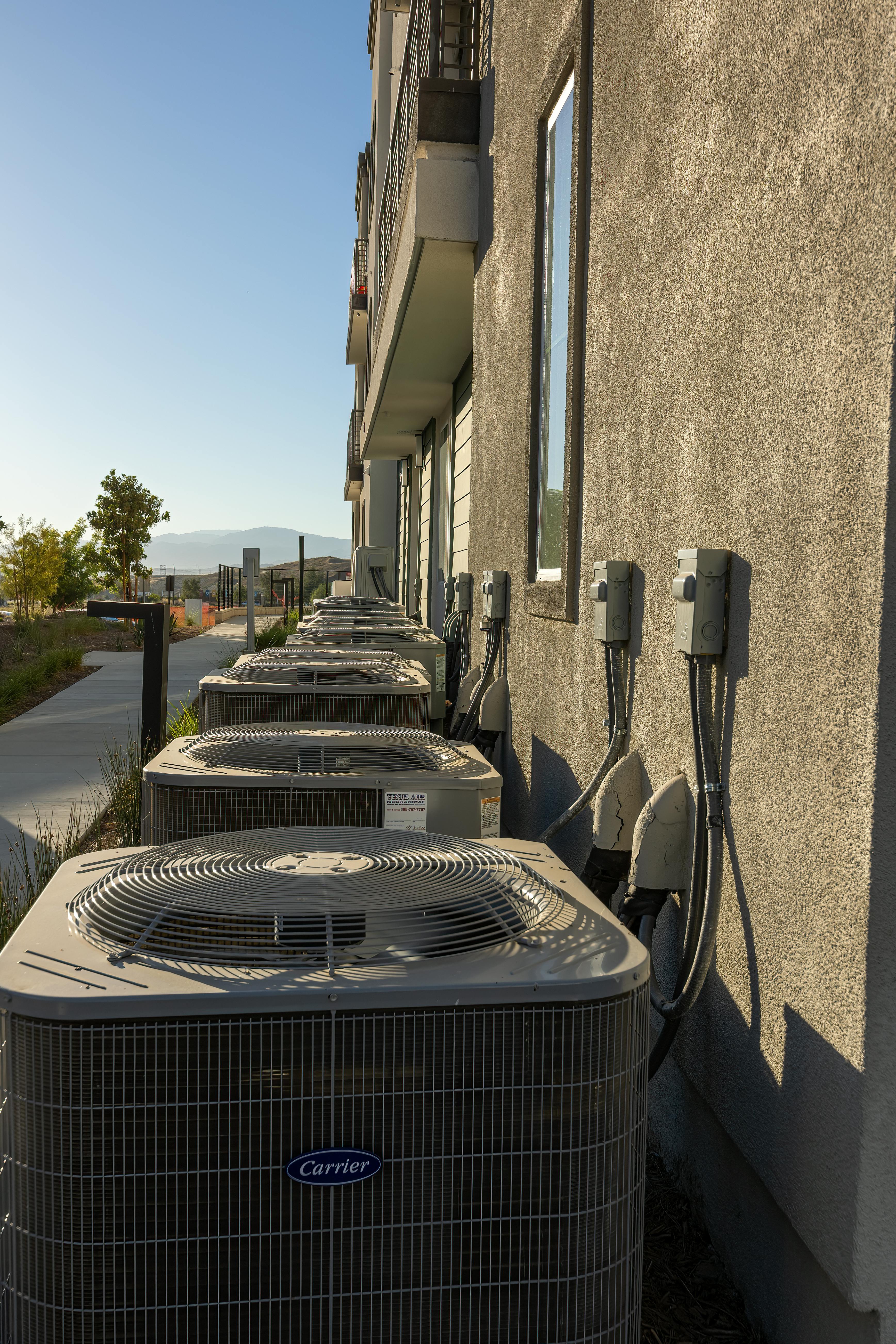
- Mount outdoor unit on a level pad; secure for wind and allow required clearances.
- Install indoor unit(s), route refrigerant lines, condensate drains, and electrical wiring.
- Perform ductwork repairs or modifications if needed for balanced airflow.
- Connect controls and thermostats; program zoning where applicable.
- Seal and insulate refrigerant lines and any exposed duct seams.
Typical disruption: most single-zone installs are completed in one to two days; larger or geothermal installs may take longer.
System commissioning and performance testing
Commissioning ensures the system operates as designed:
- Verify refrigerant charge, operating pressures, and temperature splits.
- Measure airflow, static pressure, and verify blower settings.
- Test defrost cycle, electrical loads, and safety controls.
- Validate thermostat calibration and zone balancing.
- Run a full system performance test under heating and cooling modes to confirm comfort and expected efficiency.
A good commissioning report documents readings and baseline performance for future maintenance comparisons.
Post-installation maintenance recommendations
Planned maintenance extends life and preserves efficiency:
- Replace or clean filters every 1 to 3 months depending on usage and indoor air quality.
- Schedule annual tune-ups before heating and cooling seasons to check refrigerant, motors, coils, and controls.
- Keep outdoor unit clear of debris, snow, and landscaping growth.
- Inspect condensate drains and pans for blockages to prevent water damage.
- Re-check thermostat settings and firmware updates for smart thermostats.
For Scottsdale, PA homeowners, routine maintenance reduces seasonal service calls and maintains humidity control during humid summers.
Financing options and homeowner expectations
Many Scottsdale residents choose financing or incentives to make upgrades affordable:
- Federal tax credits for high efficiency heat pumps may apply; check eligibility for qualifying products.
- State and utility rebates in Pennsylvania can offset equipment costs; availability varies by program and season.
- Financing and low-interest loan options are commonly offered through contractors or third-party lenders.
Homeowner expectations after a professional install:
- Improved comfort with more consistent temperatures and better humidity control.
- Noticeable energy savings vs older electric resistance or aging systems.
- Quieter indoor and outdoor operation for modern units.
- Potential need for supplemental heat only on the coldest days if a cold-climate model is not selected.
Why timely installation matters in Scottsdale, PA Installing or replacing a heat pump before peak seasons avoids emergency replacements during extreme weather, ensures access to incentives, and provides immediate comfort improvements. In Scottsdale, PA, the right heat pump handles humid summers, cold winters, and rising energy costs more efficiently than many legacy systems.
FAQ
Q: How long does a typical heat pump installation take in a single family home?
A: Single-zone air-source or ductless installations often take one to two days. Multi-zone systems, duct upgrades, or geothermal installs can take several days to a week depending on scope and permitting.
Q: Will a heat pump keep my Scottsdale, PA home warm in winter?
A: Cold-climate heat pumps can handle most winter days with high efficiency. In areas of extreme cold, a backup heat source may be recommended to ensure comfort during prolonged sub-freezing spells.
Q: Do I need to replace my ductwork when installing a heat pump?
A: Not always. Duct inspection is required; leaky or undersized ducts should be repaired or sealed to achieve rated performance and efficiency.
Q: What maintenance is required after installation?
A: Regular filter changes, annual professional tune-ups, coil cleaning, and keeping the outdoor unit clear of debris are the main tasks to maintain performance and longevity.
Q: Are there rebates or tax credits available in Pennsylvania?
A: Yes, there are federal tax credits and often state or utility rebates for qualifying high efficiency heat pumps. Availability and amounts change, so confirm eligibility before purchasing.
Q: What performance improvements should I expect after installation?
A: Expect more even heating and cooling, reduced monthly energy use compared to older systems, quieter operation, and better humidity control when the system is properly sized and commissioned.