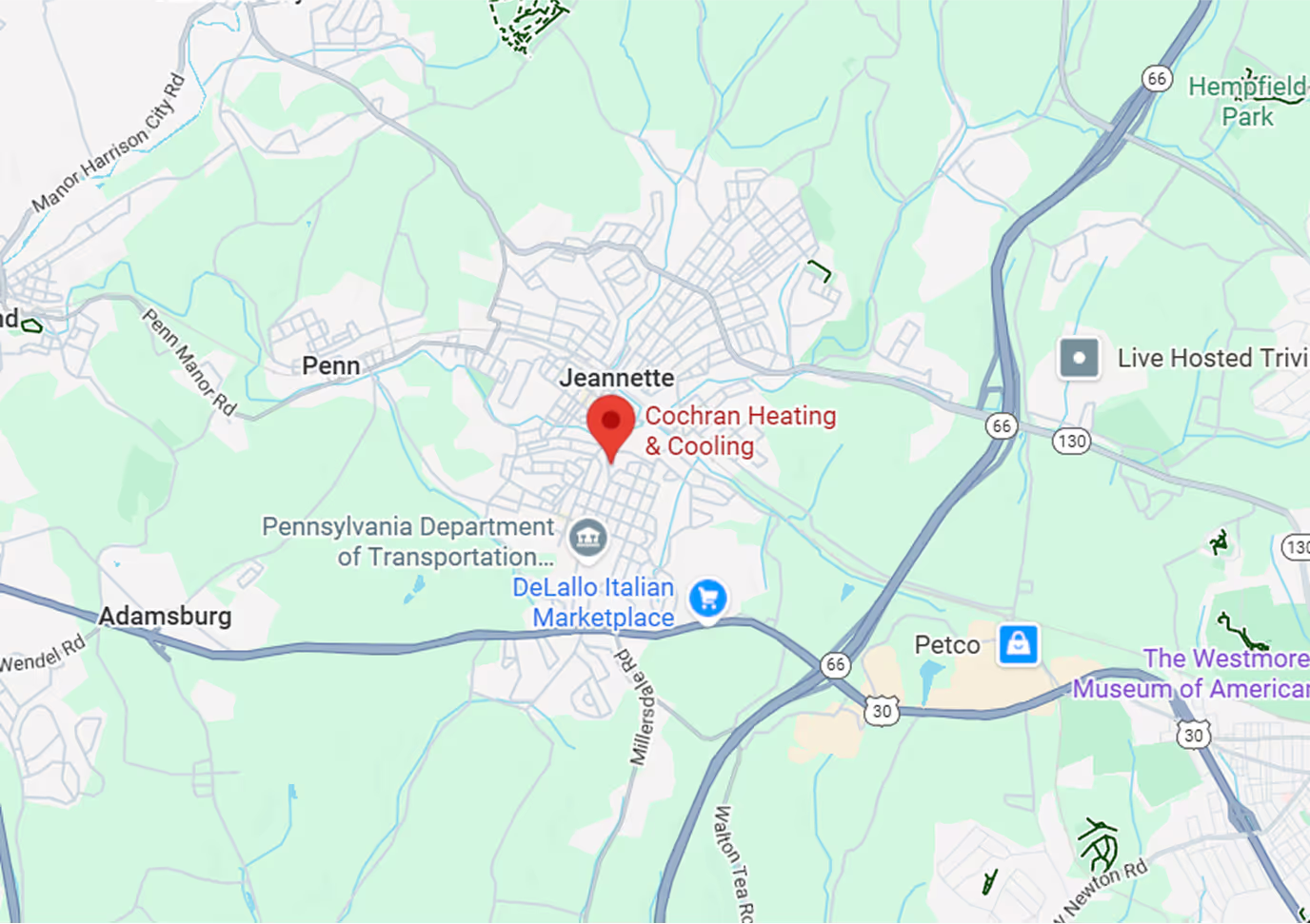
Heat Pump Maintenance in Scottsdale, PA
Regular heat pump maintenance in Scottsdale, PA, is crucial for maintaining a comfortable home year-round and minimizing the risk of expensive failures. Cochran Heating & Cooling knows that Pennsylvania winters can really test heating systems, and humid summers push cooling performance to its limits. That's why preventative maintenance is essential for dependable operation, improved energy efficiency, and a longer equipment lifespan. Our professional heat pump maintenance includes a detailed diagnostic and service process, addressing common issues we see in Scottsdale homes. With Cochran Heating & Cooling's maintenance plans, featuring priority service and emergency support, you can enjoy peace of mind knowing your comfort is our top priority.
-min.jpeg)
Heat Pump Maintenance in Scottsdale, PA
Regular heat pump maintenance in Scottsdale, PA keeps your home comfortable year round while reducing the risk of costly failures. With Pennsylvania winters that test heating systems and humid summers that push cooling performance, preventative maintenance is essential for dependable operation, better energy efficiency, and longer equipment life. This page explains what professional heat pump maintenance includes, common issues we see in Scottsdale homes, the diagnostic and service process, and how maintenance plans with priority service and emergency support deliver peace of mind.
Why preventative heat pump maintenance matters in Scottsdale, PA
Homes in Scottsdale experience wide seasonal swings. Cold, damp winters and humid summer months place different stresses on heat pumps: compressors work harder, coils are more likely to ice or corrode, and filters clog faster from pollen and household dust. Regular maintenance helps:
- Reduce unexpected breakdowns during peak heating or cooling seasons
- Restore and maintain rated efficiency to lower energy bills
- Extend the life of the compressor, coils, and controls
- Identify small problems (electrical wear, refrigerant leaks) before they become major repairs
Common heat pump issues in Scottsdale homes
Understanding common problems helps homeowners prioritize maintenance. Typical issues include:
- Restricted airflow from clogged filters, blocked returns, or failing fans
- Dirty evaporator and condenser coils that lower heat transfer efficiency
- Refrigerant leaks or incorrect charge causing poor heating or cooling and potential compressor damage
- Electrical faults: worn contactors, loose connections, and failing capacitors
- Reversing valve or control failures that affect switching between heat and cool
- Icing on the outdoor unit in winter due to airflow problems or low refrigerant
- Wear on components from seasonal temperature extremes and humidity
What a seasonal heat pump tune-up includes
A professional seasonal tune-up focuses on safety, efficiency, and reliability. Typical service steps include:
- Visual inspection of indoor and outdoor units for damage, debris, and clearances
- Filter replacement or cleaning to restore proper airflow
- Coil cleaning for evaporator and condenser coils to improve heat transfer
- Refrigerant inspection and leak detection with pressure checks and monitoring for proper charge
- Airflow testing to verify supply and return volumes and identify blockages
- Electrical safety inspection including tightness checks, control testing, and capacitor/contactor condition
- Compressor and fan performance check to detect unusual noises or wear
- Thermostat calibration and control verification to ensure accurate setpoints and staging
- System performance report with efficiency notes and recommended corrective actions
Diagnostic approach and transparency
A thorough diagnosis combines measurements and visual checks to pinpoint root causes rather than just treating symptoms. During service professionals will:
- Measure temperatures across the heat exchanger and across the supply/return to quantify performance
- Check refrigerant pressures and superheat/subcooling when applicable
- Use airflow meters or static pressure tests when airflow problems are suspected
- Inspect electrical components with a multimeter and identify parts nearing failure
- Document findings and explain any recommended repairs or adjustments in plain language
Common repairs and efficiency optimizations
When maintenance reveals issues, common repairs and optimizations include:
- Replacing dirty or damaged filters, fan belts, and capacitors
- Cleaning or straightening coils and fin packs and ensuring proper refrigerant line insulation
- Repairing refrigerant leaks and restoring proper charge for efficient operation
- Tightening electrical connections, replacing worn contactors, and updating control wiring
- Adjusting refrigerant metering devices or replacing aging compressors in severe cases
- Reconfiguring airflow (grille balancing, return adjustments) to improve comfort and reduce cycling
Maintenance plans, priority service, and emergency support
Maintenance plans provide scheduled seasonal visits plus added reliability benefits:
- Regularly scheduled tune-ups timed for pre-winter heating service and pre-summer cooling checks
- Priority scheduling to reduce wait times during peak seasons
- Emergency support access to help restore heating or cooling quickly when systems fail unexpectedly
- Discounts on repairs and parts in many plans, and record-keeping that preserves warranty eligibilityFor Scottsdale homeowners, a plan helps coordinate service ahead of the biggest weather swings and keeps documentation handy for resale or warranty claims.
Benefits of timely maintenance for Scottsdale homes
- Lower energy bills through restored efficiency and fewer short cycling events
- Fewer mid-season breakdowns when you need heating most
- Longer equipment life by reducing stress on compressors and motors
- Improved indoor comfort and air quality from consistent airflow and clean coils
- Safer operation with electrical checks that reduce fire and shock risk
Simple homeowner maintenance between professional visits
Homeowners can support professional maintenance by:
- Checking and changing filters every 1 to 3 months depending on use and indoor air conditions
- Keeping outdoor units free of leaves, mulch, and snow to maintain airflow
- Ensuring indoor returns and vents are not blocked by furniture or storage
- Monitoring for unusual sounds, odors, or performance drops and noting when they occur
Q: How often should I schedule heat pump maintenance in Scottsdale, PA?
A: Schedule professional maintenance at least twice a year: a pre-winter heating tune-up and a pre-summer cooling tune-up. Homes with heavy use, pets, or high dust loads may need more frequent filter checks.
Q: What signs indicate my heat pump needs immediate service?
A: Immediate service is warranted for loss of heating or cooling, loud grinding or banging noises, repeated short cycling, visible refrigerant leaks, or error codes on controls. These symptoms can signal issues that cause larger failures if left unaddressed.
Q: Will maintenance reduce my energy bills?
A: Yes. Cleaning coils, restoring proper refrigerant charge, and ensuring unobstructed airflow often reduces run time and improves efficiency, which typically lowers monthly energy costs.
Q: Are refrigerant repairs dangerous or complex for a homeowner?
A: Refrigerant handling requires licensed technicians due to safety, environmental regulations, and the need for specialized tools. Homeowners should not attempt refrigerant repairs themselves.
Q: What does priority service and emergency support mean for maintenance plan holders?
A: Priority service provides faster scheduling during peak seasons, and emergency support offers access to help when systems fail unexpectedly. Both features aim to reduce downtime and restore comfort quickly.