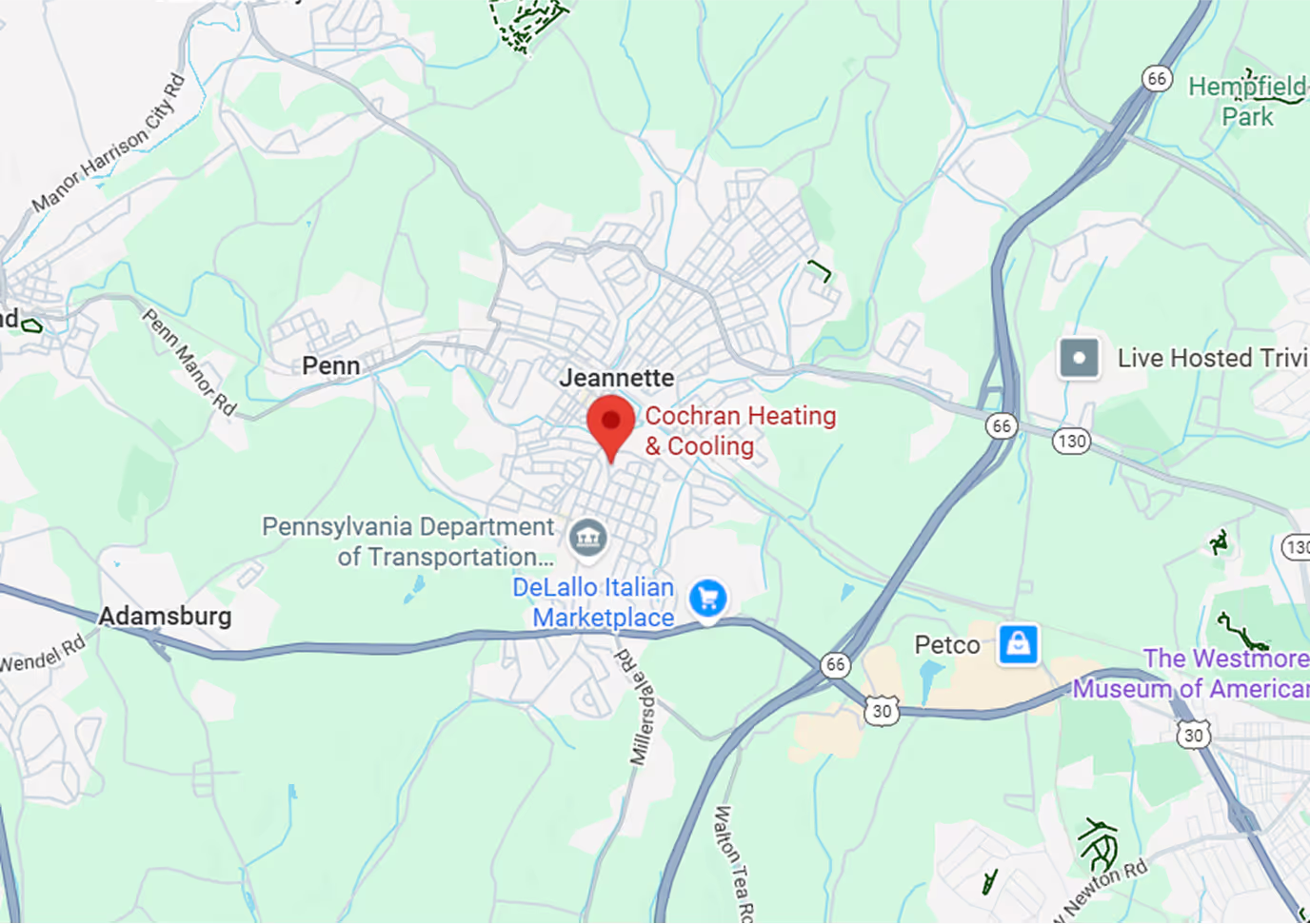
Heat Pump Repair in Mt. Pleasant, PA
Keeping your heat pump running reliably is essential for comfort and energy efficiency in Mt. Pleasant, PA. Cold winters, fluctuating spring and fall temperatures, and seasonal humidity put extra demand on heat pump systems, especially in older homes common in the area. Professional heat pump repair in Mt. Pleasant, especially when provided by Cochran Heating & Cooling, focuses on diagnosing the real cause of the failure, restoring safe operation, and helping prevent those repeat breakdowns that leave you without heat or comfort when you need it most.
.jpeg)
Heat Pump Repair in Mt. Pleasant, PA
Keeping your heat pump running reliably is essential for comfort and energy efficiency in Mt. Pleasant, PA. Cold winters, fluctuating spring and fall temperatures, and seasonal humidity put extra demand on heat pump systems, especially in older homes common in the area. Professional heat pump repair in Mt. Pleasant focuses on diagnosing the real cause of failure, restoring safe operation, and helping prevent repeat breakdowns that leave your home without heat or comfort when you need it most.
Common heat pump issues in Mt. Pleasant, PA
- Compressor failure or reduced capacity
Symptoms include weak heating or cooling, unusual noises, or a system that cycles frequently. Cold winters can expose weak compressors as systems operate near their limits. - Outdoor fan motor or blade problems
Bent blades, seized motors, or debris buildup reduce airflow and cause overheating or reduced efficiency. - Refrigerant leaks and low charge
Leaks reduce capacity and can damage the compressor if left untreated. Corrosion on older lines is a common source in area homes. - Reversing valve faults
If the unit will not switch between heat and cool modes or sticks in one mode, the reversing valve or its control mechanism may be at fault. - Electrical and control failures
Faulty contactors, capacitors, relays, or control boards cause intermittent operation or complete failure. Power surges during storms are a known regional risk. - Defrost cycle and sensor problems
Frost buildup on outdoor coils in winter can indicate defrost control or sensor issues, reducing heating performance. - Airflow and ductwork issues
Restricted airflow from clogged filters, closed vents, or duct leaks magnify other problems and reduce comfort.
Step-by-step diagnostic procedure
- Gather system history and homeowner observations to reproduce the issue and note intermittent symptoms.
- Perform a visual inspection of outdoor and indoor units for physical damage, debris, corrosion, and wiring condition.
- Test electrical components: breakers, fuses, contactors, capacitors, and motor windings with proper meters.
- Measure refrigerant pressures and temperatures to verify charge and detect leaks. Pressure readings are compared to expected values for outdoor conditions.
- Evaluate compressor performance with amperage draw and sound analysis to determine mechanical health.
- Check reversing valve operation and defrost cycle controls to verify mode switching and anti-ice function.
- Inspect airflow: blower operation, filters, return grilles, and ducts for restrictions.
- Run a timed system test under load to observe startup behavior, cycling, and steady state performance.
- Produce a written diagnostic report that explains findings, recommended repairs, expected outcomes, and parts or labor needed.
Typical repairs and parts replacement
- Compressor replacement or rebuild when internal mechanical failure or motor burnout is diagnosed.
- Fan motor and blade replacement for noisy or nonspinning outdoor fans.
- Refrigerant leak repair and recharge including brazing line repairs, replacing schrader valves, and pressure testing.
- Reversing valve or solenoid replacement for mode switching failures.
- Control board, relay, capacitor, and contactor replacement for electrical and sequencing faults.
- Thermostat and sensor replacement to restore accurate control and defrost timing.
- Line set, filter drier, and service valve replacement when corrosion or contamination is present.
Parts are chosen based on compatibility and durability. In many cases, technicians will recommend OEM or equivalent components and explain when replacement is more cost effective than repair.
Emergency and rapid-response repair options in Mt. Pleasant
Heat loss during cold spells or sudden system failure requires priority attention. Rapid-response options typically include same-day or next-available dispatching for no-heat emergencies, temporary measures to restore safe operation such as enabling auxiliary heat or bypassing failed components, and expedited parts ordering when needed. Response times vary by seasonal demand and weather conditions, so urgent problems are triaged and handled with priority to protect homes during cold periods.
How warranties and home-warranty claims are handled
Repair technicians document failures with diagnostic reports, photos, and parts lists to support manufacturer or home-warranty claims. The common process includes verifying coverage, obtaining preauthorization when required, submitting required paperwork, and using warranty-approved parts or procedures. Parts replaced under manufacturer warranty typically carry their own warranty terms, and technicians will record serial numbers and job details needed for claim follow up.
Estimated timelines and transparent pricing approach
- Diagnostic visits usually take 45 minutes to 2 hours depending on system complexity and symptoms.
- Minor repairs like capacitor or contactor replacement often require a few hours on site.
- Repairs requiring parts that are not stocked may require additional time for ordering and a return visit.
- Major repairs such as compressor or reversing valve replacement typically take most of a workday and may require specialized parts ordering.
A transparent pricing approach means you receive a clear, written estimate before work begins that explains the repair steps, parts being installed, labor involved, warranty coverage on parts and labor, and the cost drivers such as refrigerant type, access difficulty, and parts lead times. Estimates also explain options when replacement may be more cost effective than repeated repairs.
Preventative tips to avoid future breakdowns in Mt. Pleasant homes
- Schedule seasonal tune ups: inspect, clean, and test before the heating season and before heavy cooling use.
- Keep outdoor units clear of leaves, snow, and debris to maintain airflow and prevent corrosion in humid months.
- Replace disposable air filters monthly or as recommended to protect the indoor coil and blower.
- Maintain proper refrigerant line insulation and seal any exposed or corroded connections.
- Protect electrical components from rodents and moisture; consider surge protection in storm-prone seasons.
- Balance thermostat settings and avoid rapid setpoint changes that can stress compressors.
Q: How long does a typical heat pump diagnostic take?
A: Most diagnostics are completed within 45 minutes to 2 hours depending on system access and whether intermittent faults need extended observation.
Q: Can a refrigerant leak be repaired or does the system need replacement?
A: Small leaks can often be located and repaired with line replacement or brazing and a new filter drier, then recharged. Extensive corrosion, repeated leaks, or contaminated oil may make replacement the more reliable solution.
Q: Will repairs affect my manufacturer warranty?
A: Proper repairs using approved parts and documented procedures usually maintain warranty coverage. A warranty claim may require preauthorization and documentation that technicians can provide.
Q: When should I consider replacing the entire heat pump instead of repairing it?
A: Consider replacement when the compressor or multiple major components fail, when efficiency is poor relative to newer units, or when repairs are frequent and costly compared to remaining system life.