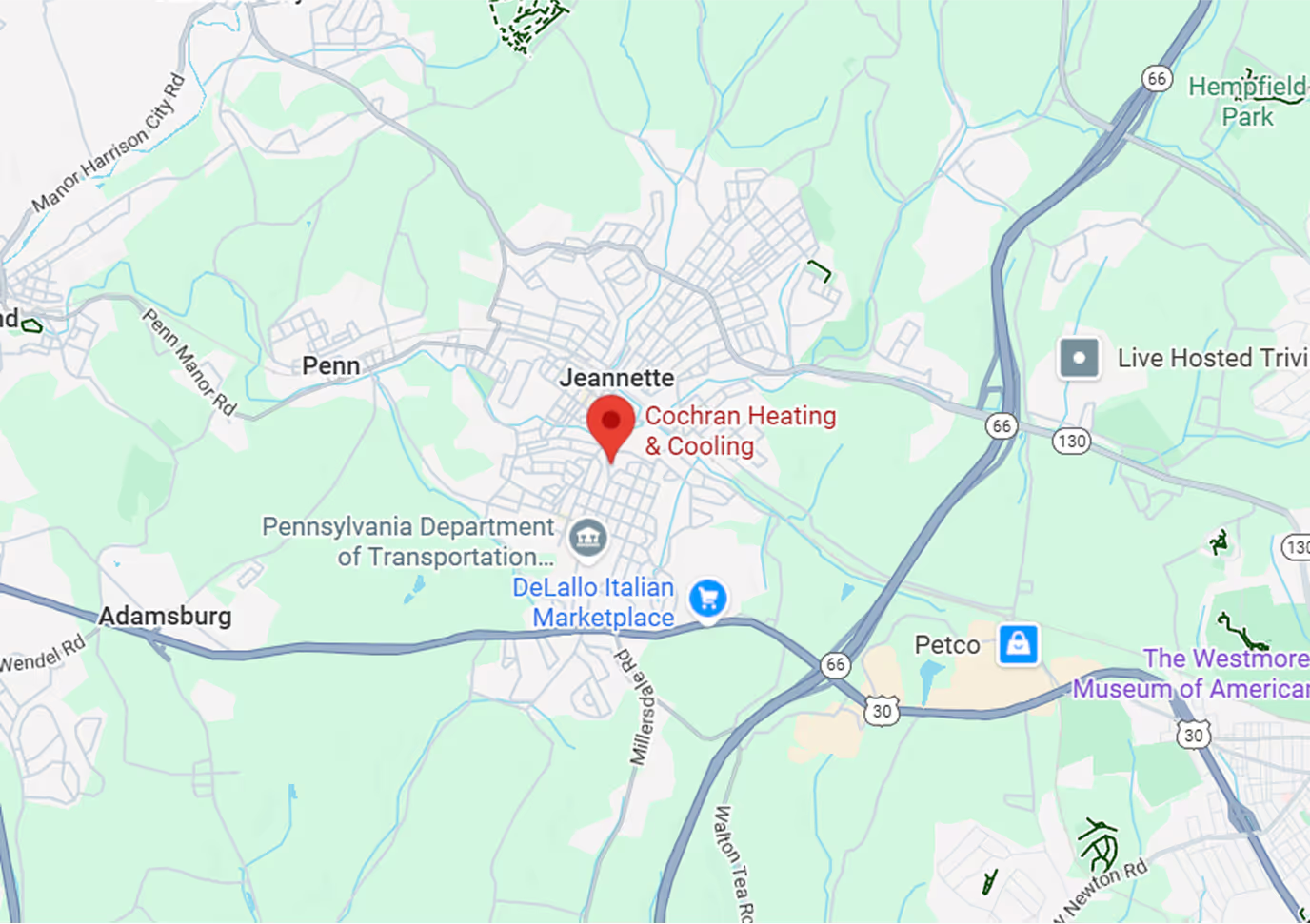
Heat Pump Replacement in Westmoreland County, PA
Replacing a failing or inefficient heat pump is one of the most impactful home upgrades you can make for comfort and energy savings in Westmorland County, PA. Given our cold winters, humid summers, and the prevalence of older homes with legacy ductwork, choosing the right replacement heat pump significantly impacts monthly bills, indoor comfort, and long-term reliability. Cochran Heating & Cooling can help you evaluate your end-of-life equipment, compare modern options, manage the replacement process and disposal, explain expected performance improvements and warranty considerations, and offer practical guidance for selecting the ideal system for your Westmorland County home.
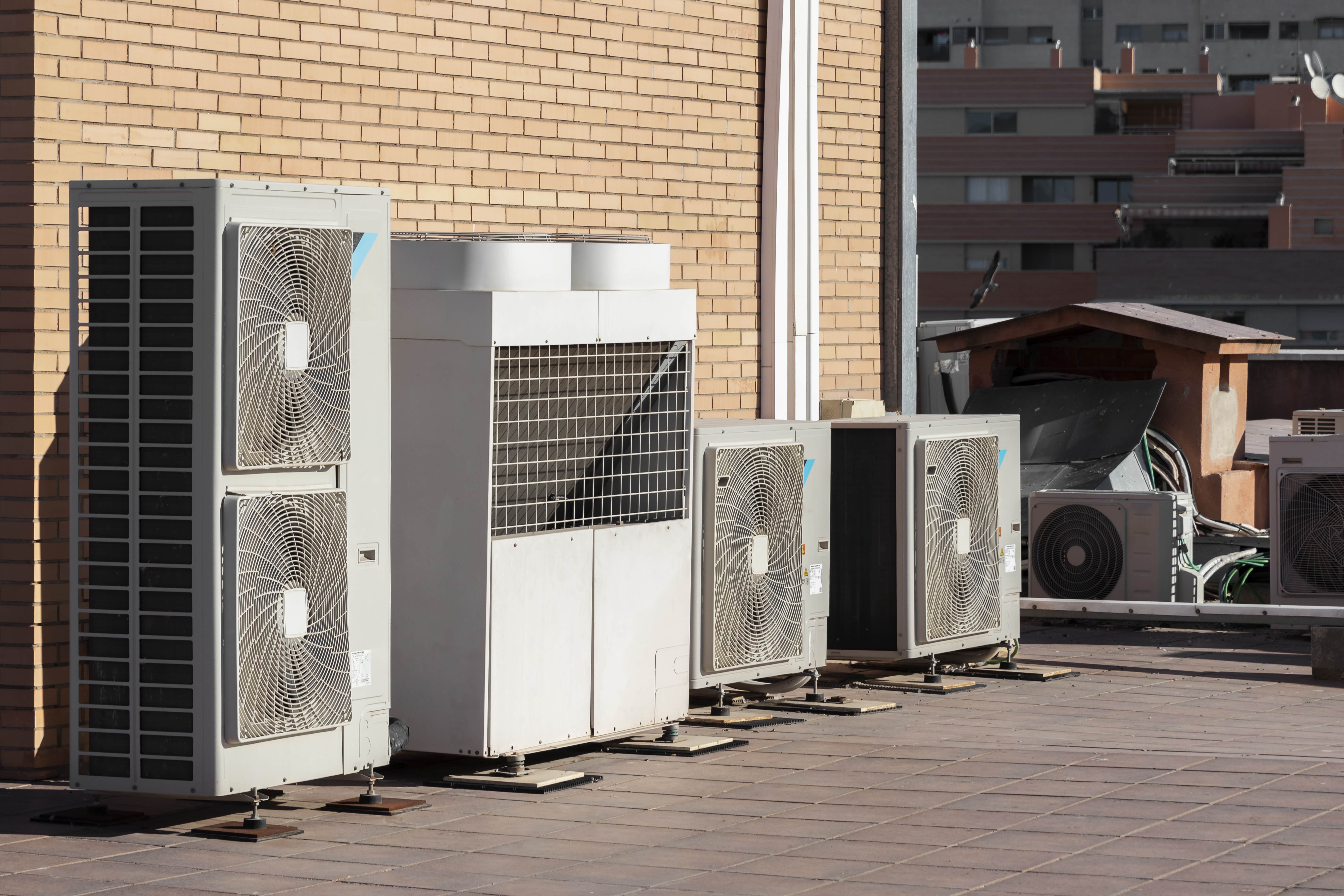
Heat Pump Replacement in Westmoreland County, PA
Replacing a failing or inefficient heat pump is one of the most impactful home upgrades for comfort and energy savings in Westmoreland County, PA. With cold winters, humid summers, and many older homes with legacy ductwork, choosing the right replacement heat pump affects monthly bills, indoor comfort, and long-term reliability. This page explains how to evaluate end-of-life equipment, compare modern options, the replacement process, disposal, expected performance improvements, warranty considerations, and practical guidance for picking the right system for your Westmoreland County home.
When to consider a heat pump replacement
Common signs your heat pump is at or near end-of-life:
- Frequent breakdowns or rising repair costs over several seasons
- Declining heating or cooling capacity despite regular maintenance
- Rapidly increasing electric bills without changes in usage
- R-22 refrigerant use or obsolete components that are hard to source
- Age: many systems over 10–15 years lose significant efficiency
In Westmoreland County homes, winters place extra strain on older systems. If your heat pump struggles on the coldest days or runs constantly to maintain temperature, replacement is often more cost-effective than repeated repairs.
Common replacement types and how they compare
Understanding the main modern heat pump options helps match system capabilities to your home and climate.
- Air-source heat pumps (ducted): Best for homes with existing ductwork. Newer cold-climate models maintain higher efficiency in subfreezing temperatures common in Westmoreland County winters.
- Ductless mini-splits: Ideal for homes without ducts, additions, or rooms needing independent control. They offer high efficiency and zoning flexibility.
- Hybrid systems (heat pump + gas furnace): Useful in very cold climates or where backup rapid heating is preferred; the heat pump handles mild to moderate cold, furnace kicks in on extreme days.
- Ground-source (geothermal) heat pumps: Highest efficiency and long lifespan but require significant upfront installation and site suitability.
Key comparison points: seasonal energy efficiency (SEER and HSPF or HSPF2 for cold-climate models), heating capacity at low ambient temperatures, noise levels, and zoning capability.
Sizing and energy-efficiency considerations
Correct sizing is essential. Oversized units cycle frequently, reducing comfort and lifespan; undersized units can’t maintain temperature on cold nights. A professional load calculation (Manual J) considers:
- Home size and layout
- Insulation levels and window types
- Local climate patterns in Westmoreland County
- Desired indoor temperature and occupancy patterns
Energy-efficiency ratings matter for operating cost. Look for models with higher SEER for cooling and higher HSPF (or cold-climate heating ratings) for winter performance. In this region, prioritize cold-weather heating performance and models designed to operate efficiently below freezing.
Step-by-step replacement process
A standard, professional replacement typically follows these steps:
- Onsite evaluation and load calculation to confirm size and best system type for your house.
- Equipment selection including efficiency rating, capacity, and configuration (ducted vs ductless).
- Pre-installation preparation: verifying electrical panel capacity, duct condition, and any permits.
- Removal of old equipment and safe disposal of refrigerant per regulations.
- System installation: mounting outdoor unit, indoor unit placement, duct or line set connections, and electrical hookup.
- System charge, startup, and performance testing including refrigerant charge, airflow, and controls.
- Owner orientation covering operation, thermostat settings, and simple maintenance.
- Final documentation: warranty registration and any required inspection sign-offs.
Removal, disposal, and environmental considerations
Old heat pumps contain refrigerants and metals that must be removed and disposed of safely. Proper evacuation and certified refrigerant recovery prevent environmental release and ensure compliance with federal and state regulations. Metal and scrap components are recycled where possible. If your existing system uses phased-out refrigerants, replacement avoids future compliance headaches.
Costs, financing, and incentives (what to expect)
Cost components include equipment, labor, any needed duct or electrical upgrades, and permits. Final costs vary with system type, capacity, and complexity of installation. Financing options commonly include energy-efficiency loans, home improvement financing, or equipment financing offered through third parties. Additionally, homeowners should investigate federal, state, and local incentives or utility rebates that often apply to high-efficiency and cold-climate heat pumps; these programs can materially affect payback timelines.
Expected performance gains and warranty coverage
Replacing an older unit with a modern heat pump typically yields:
- Reduced energy use and lower monthly heating and cooling costs
- Improved temperature consistency and humidity control
- Quieter operation and better indoor air quality with updated filtration options
Warranty coverage varies: manufacturers commonly offer parts and compressor warranties for a limited number of years, and some provide extended warranties when installed by certified contractors. Always review warranty terms, what is covered, and maintenance requirements to keep the warranty valid.
Choosing the right system for a Westmoreland County home
Consider these location-specific factors:
- Cold snaps: choose systems rated for low-temperature performance or a hybrid setup for backup heat.
- Older houses: assess duct condition and sealing; ductless may be preferable when duct retrofit is costly.
- Humidity control: Westmoreland County summers can be humid; opt for systems with good dehumidification and variable-speed compressors.
- Long-term value: prioritize efficiency and durability if you plan to stay in the home, and consider noise and aesthetics for outdoor unit placement near neighbors.
Ask for a full load calculation, a written scope of work, and detailed comparisons of candidate systems including expected seasonal performance and operating cost estimates under local climate conditions.
Maintenance and maximizing ROI
Regular maintenance prolongs life and preserves efficiency. Key tasks:
- Biannual service visits (pre-winter and pre-summer) to check refrigerant, controls, and airflow
- Replace or clean filters monthly to quarterly depending on use
- Keep outdoor unit clear of debris, snow, and vegetation
- Seal and insulate refrigerant lines and ducts as needed
Timely replacement prevents emergency failures during cold spells and delivers predictable operating costs and comfort.
Q: How do I know if a replacement will save money over repairing my existing unit?
A: If your system is older than 10 years, needs frequent major repairs, or uses obsolete refrigerant, replacement often provides better long-term value through lower energy bills and reduced service costs. A professional energy and cost comparison based on your actual usage provides the clearest answer.
Q: Can a heat pump handle Westmoreland County winters alone?
A: Modern cold-climate heat pumps are designed to operate efficiently at low temperatures and can handle most Westmoreland County winters. For very low temperature events, some homeowners choose a hybrid system or supplemental heat source to ensure rapid recovery.
Q: What should be included in an installer’s proposal?
A: A comprehensive proposal should include a Manual J load calculation, equipment specs and efficiency ratings, scope of work for duct or electrical upgrades, warranty details, disposal plan for old equipment, and a clear timeline for installation.