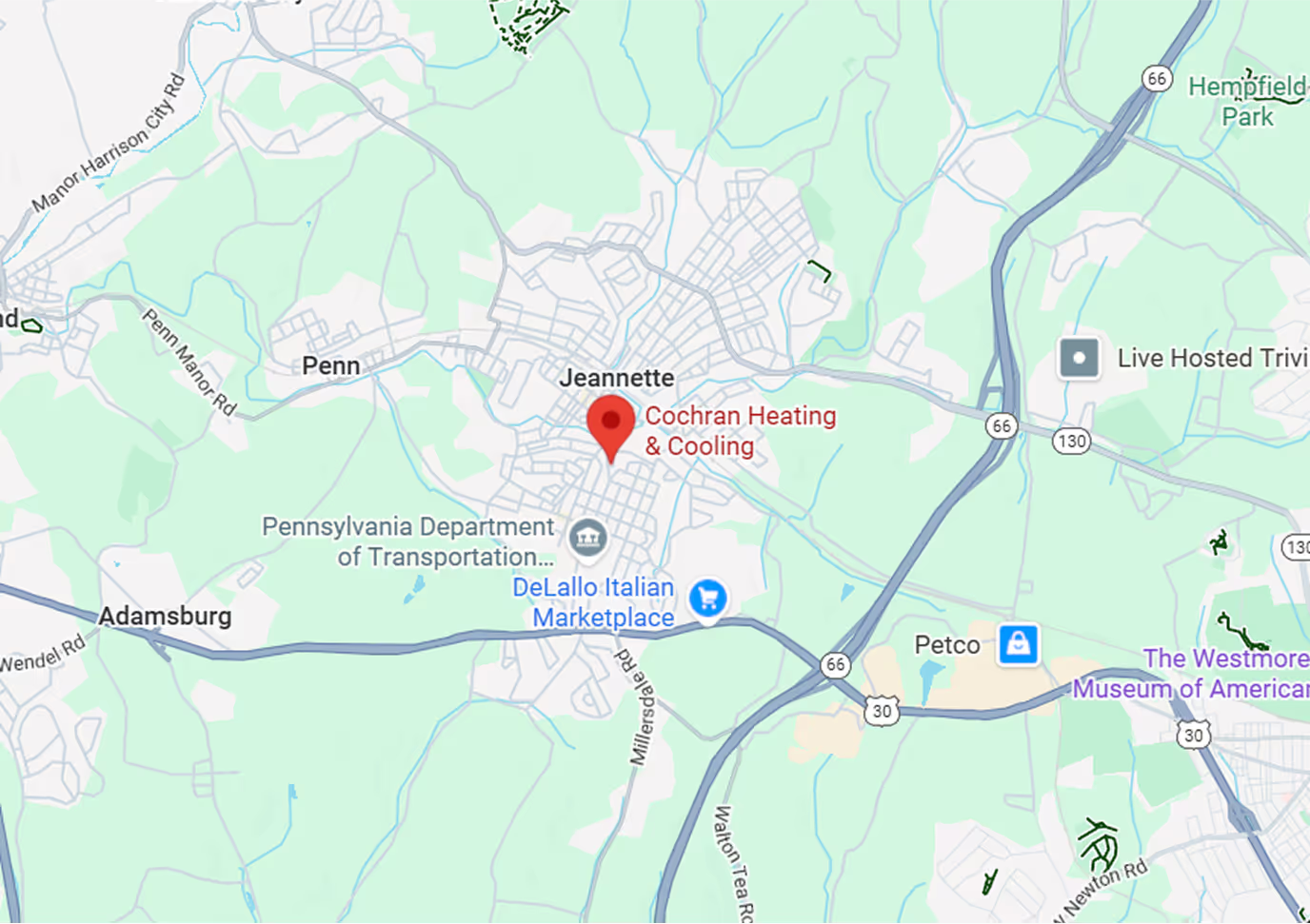
Boiler Services in Jeannette, PA
When winter temperatures drop in Jeannette, PA, a reliable boiler is crucial for both comfort and safety. Cochran HVAC provides professional boiler services that keep heating systems running efficiently, help prevent unexpected breakdowns, and reduce energy costs. Many homes in the area have older installations, cast iron boilers, or systems exposed to hard water and freeze-thaw cycles, making regular inspections, timely repairs, and targeted maintenance especially important for local homeowners.
%20(2).avif)
Boiler Services in Jeannette, PA
When winter temperatures drop in Jeannette, PA, a reliable boiler is essential for both comfort and safety. Proper boiler service ensures your system runs efficiently, avoids unexpected breakdowns, and reduces energy costs.
Many homes in Jeannette have older cast iron systems or boilers affected by hard water and freeze-thaw cycles, making regular maintenance, inspections, and timely repairs especially important.
Common Boiler Issues in Jeannette Homes
- No heat or uneven heating: Often caused by failed controls, circulator pump problems, air in the system, or zone valve failures.
- Water leaks: Leaking pipes, fittings, or pressure relief valves are common in older systems.
- Low pressure or frequent drops: Could indicate leaks, failed expansion tanks, or faulty pressure valves.
- Strange noises: Kettling, banging, or gurgling usually signal scale buildup or trapped air.
- High fuel use or poor efficiency: Often due to combustion issues or lack of maintenance.
- Safety concerns: Cracked heat exchangers or blocked vents can lead to carbon monoxide risks.
Types of Boiler Services We Offer
- Comprehensive system inspections: Full check of controls, safety devices, venting, and pressure.
- Annual maintenance & tune-ups: Includes burner adjustments, heat exchanger cleaning, and vent checks.
- Leak & control repair: Replacement of valves, pumps, thermostats, or control boards.
- Heat exchanger evaluation: Inspection for cracks, corrosion, or efficiency loss.
- System flushing & water treatment: Removes scale and sediment; helps prevent corrosion.
- Efficiency upgrades: Smart controls, thermostat upgrades, and insulation improvements.
- Safety & code guidance: Ensuring proper venting, combustion air, and CO prevention.
What a Professional Inspection Includes
- Initial system assessment: Identify boiler type, fuel source, and service history.
- Pressure & expansion checks: Test pressure relief valves and inspect expansion tanks.
- Heat exchanger inspection: Look for cracks, soot, and corrosion.
- Venting & flue evaluation: Ensure no blockages or corrosion for safe exhaust.
- Control testing: Check thermostats, limit switches, and safety interlocks.
- Combustion & efficiency checks: Adjust burners for proper fuel-air balance.
- Water quality assessment: Detect scale, rust, or air traps; recommend treatment.
Typical Repairs & Solutions
- Leak repair: Replace or reseal fittings and pipes to prevent recurring leaks.
- Control & electrical fixes: Repair or replace faulty thermostats and control boards.
- Pump & circulation repairs: Replace noisy or failed pumps and bleed system air.
- Heat exchanger service: Clean fouled components or replace corroded sections.
- System flushing: Power flush sludge buildup and apply corrosion inhibitors.
- Venting & chimney service: Clear blocked vents to prevent CO hazards.
Efficiency Upgrades & Long-Term Options
- Control upgrades: Smart thermostats and zoning for better comfort and savings.
- Combustion optimization: Cleaning and minor adjustments improve performance.
- Insulation & piping: Reduce heat loss with insulated pipes and sealed air leaks.
- High-efficiency replacements: Modern condensing boilers deliver long-term fuel savings.
Safety, Compliance & Local Considerations
Jeannette winters put extra strain on heating systems. Local codes require proper combustion air, venting clearances, and CO safety measures.
Because western Pennsylvania water can accelerate scale and corrosion, annual flushing and water treatment are critical for longevity and safety.
What to Expect During Routine Maintenance
- System review and homeowner discussion.
- Visual inspection and operational testing of safety devices.
- Cleaning of combustion chamber, burners, and heat exchanger.
- Pressure and temperature verification; bleeding air from radiators.
- Maintenance report with repair or upgrade recommendations.
Benefits of Regular Boiler Service
- Improved system reliability and comfort.
- Lower heating bills and energy consumption.
- Extended equipment lifespan.
- Increased safety and code compliance.
- Fewer mid-winter breakdowns.
Frequently Asked Questions
Q: How often should a boiler be serviced?
A: Annual maintenance is recommended. Older boilers or systems with hard water may need checks twice a year.
Q: Can flushing and water treatment extend a boiler’s life?
A: Yes. Removing sediment and treating water prevents corrosion and scale buildup.
Q: What are the signs of a cracked heat exchanger?
A: Soot buildup, rust, CO alarms, or reduced heating performance — call for immediate inspection.
Q: Will upgrading controls lower heating bills?
A: Absolutely. Smart controls and zoning prevent energy waste and improve comfort.
Q: Are venting and chimney checks necessary every year?
A: Yes. Cold weather, bird nests, or debris can block vents and cause carbon monoxide hazards.