

Geothermal Installation in Mt. Pleasant, PA
For homeowners in Mt. Pleasant, PA, dealing with high heating bills, aging furnaces, or uneven temperatures, geothermal installation offers a long-term solution. With our cold winters and constant need for heat, ground source heat pumps are a great way to get stable, efficient heating and cooling by using the earth's natural temperature. Cochran Heating & Cooling can explain the whole geothermal installation process for Mt. Pleasant homes, covering all the local considerations, timelines, performance testing, and even how we can help you with financing and rebates.
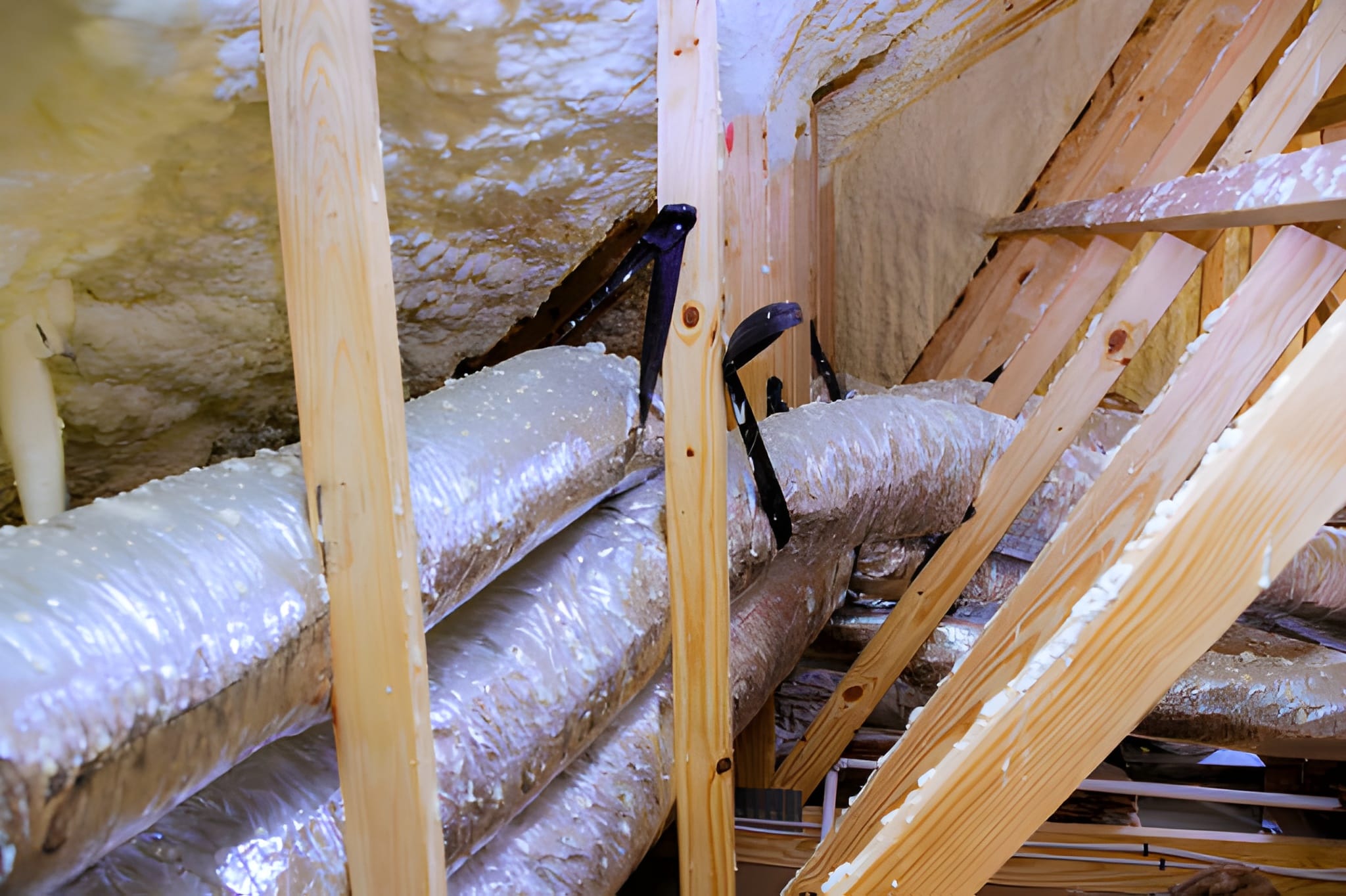
Geothermal Installation in Mt. Pleasant, PA
Geothermal installation in Mt. Pleasant, PA offers a long-term solution for homeowners facing high winter heating bills, aging furnaces, or inconsistent indoor comfort. In a region with cold winters and steady heating demand, ground source heat pumps deliver stable, efficient heating and cooling by using the earth as a heat sink. This page explains the full geothermal installation process for Mt. Pleasant homes, common local considerations, expected timelines, performance testing, and assistance with financing and rebates.
Why choose geothermal in Mt. Pleasant, PA
- Mt. Pleasant winters are cold and heating-dominant, so a high-efficiency geothermal system reduces energy use and stabilizes monthly costs.
- Ground temperatures beneath the frost line remain stable year-round, improving system efficiency compared to air-source alternatives.
- Geothermal loop fields are durable, with expected lifespans of 50 years or more for buried loops, making them well suited to homeowners who plan to stay long term.
Common geothermal installation types in Mt. Pleasant, PA
- Closed-loop horizontal: Trenched loops laid 4 to 6 feet deep. Best for properties with adequate yard space and suitable soil.
- Closed-loop vertical: Boreholes 150 to 400 feet deep for smaller lots or where bedrock requires deeper placement.
- Pond or lake loop: Cost-effective if a suitably sized body of water is on the property.
- Open-loop: Uses groundwater directly. Viability depends on well yield and water quality, and local regulations.
Initial site assessment and load calculations
A proper installation begins with a detailed site survey and a heating and cooling load calculation (Manual J). Key steps include:
- Inspecting existing insulation, windows, ductwork, and hot water systems to size the geothermal unit correctly.
- Performing soil and geology checks to determine whether horizontal trenching or vertical drilling is appropriate. In the Mt. Pleasant area, historical coal mining and variable subsurface conditions can affect loop design, so identifying old mine workings and mapping bedrock depth is important.
- Determining available outdoor space, utility easements, setbacks, and proximity to septic systems or wells.
Choosing between horizontal and vertical loop fields
- Horizontal loop advantages: Lower drilling costs and simpler installation where there is ample, undisturbed yard space and good soil conduction.
- Vertical loop advantages: Requires less surface area, better where bedrock or compacted soils exist, and preferred on smaller or landscaped lots.
- Local consideration: Mt. Pleasant homeowners should factor in subsurface variability from historic mining and slate or sandstone bedrock. A geotechnical or utility locate is often required before committing to a loop type.
Drilling, trenching logistics, permitting, and site prep
- Permitting: Installations typically require borough or county permits and inspections. Utilities must be located and marked to avoid damage. Local zoning and setbacks may apply.
- Site prep: Trees, landscaping, driveways, and access routes must be planned. Horizontal loops require trenches that can temporarily disrupt yards; vertical loops require a drill rig and staging area.
- Logistics: Drilling in Mt. Pleasant may involve rock cutting or blasting when encountering bedrock. Trenching in sandy or clay soils affects backfill and compaction methods. Expect soil restoration work after installation to return the site to usable condition.
Professional installation steps
- Final design and permitting based on load calculation and site survey.
- Excavation or drilling of loop field and installation of HDPE piping for closed loops, or connection work for open-loop systems.
- Pressure testing and thermal grouting of vertical boreholes if required.
- Installation of the geothermal heat pump and integration with existing or new ductwork or hydronic distribution.
- Electrical hookups, thermostat and controls setup, and ground loop manifold connection.
- Backfilling, compaction, and landscape restoration. Installers will monitor for proper spacing, loop bends, and ground contact to ensure efficient heat transfer.
Commissioning and performance testing
After installation, a full commissioning process confirms system operation:
- Leak and pressure tests on the loop field and manifold.
- Measurement of refrigerant charge, airflow, and water flow rates.
- Verification of system controls, zone temperatures, and hot water integration when applicable.
- Baseline performance metrics such as COP (coefficient of performance) and seasonal energy usage are recorded. Proper commissioning ensures the system meets design expectations and delivers the efficiency gains promised.
Expected timelines
- Site assessment and design: 1 to 3 weeks depending on testing and permitting.
- Permitting: Varies by jurisdiction; allow 1 to 4 weeks.
- Field installation and mechanical hookup: 3 to 10 business days for typical residential projects; more complex sites with drilling or difficult access can extend timelines.
- Commissioning and site restoration: 1 to 5 days. Overall, most residential geothermal installations in Mt. Pleasant are completed within 4 to 8 weeks from design start to finished system, depending on permits and site complexity.
Energy-efficiency benefits and longevity
- Geothermal heat pumps typically provide 3 to 5 times the energy output for every unit of electricity used, yielding significant savings during Mt. Pleasant winters.
- Ground loops can last 50 years or more; the indoor equipment typically lasts 20 to 25 years with regular maintenance.
- Benefits include consistent indoor comfort, quieter operation than conventional HVAC, reduced carbon footprint, and stable operating costs despite fluctuating fuel prices.
Maintenance and common issues in Mt. Pleasant homes
- Routine checks: Verify loop pressure, inspect heat pump filters, and test controls annually.
- Common issues to monitor: Low loop pressure from leaks, poor airflow from duct leaks in older homes, and refrigerant imbalance.
- Cold-climate performance: Modern geothermal systems are designed for cold climates, but proper sizing and ductwork/hydronic upgrades are essential for peak performance in Mt. Pleasant winters.
Financing and rebate assistance
- Federal tax credits and state-level incentives are often available for geothermal installations. The federal residential clean energy tax credit has helped many homeowners offset a portion of system cost.
- Local utilities and state programs in Pennsylvania may offer rebates, performance incentives, or low-interest financing options.
- Professional installers commonly assist with incentive paperwork, equipment certification requirements, and documentation needed for rebate or tax credit claims.
Q: How do I know if my Mt. Pleasant property is suitable for geothermal?
A: A site assessment including soil or geology review, available yard space, and utility locates will determine suitability. Vertical loops are an option for small or rocky lots.
Q: How long does the ground loop last compared to the heat pump?
A: Buried ground loops typically last 50 years or more, while the heat pump unit usually lasts 20 to 25 years with proper maintenance.
Q: Will installation disrupt my yard or landscaping?
A: Horizontal installations require trenches that disrupt yards temporarily; vertical installations use a smaller drill pad. Professional installers restore and regrade the site after completion.
Q: Are geothermal systems effective in cold Mt. Pleasant winters?
A: Yes. Geothermal systems use stable ground temperatures and are highly efficient in cold climates when properly sized and installed.
Q: What performance testing is done at commissioning?
A: Technicians perform loop pressure tests, flow measurements, refrigerant and airflow checks, and control calibration to verify system efficiency.
Q: Can I get financial incentives for geothermal in Pennsylvania?
A: Federal tax credits and state or utility incentives are commonly available. Installers can help identify applicable programs and prepare documentation.
