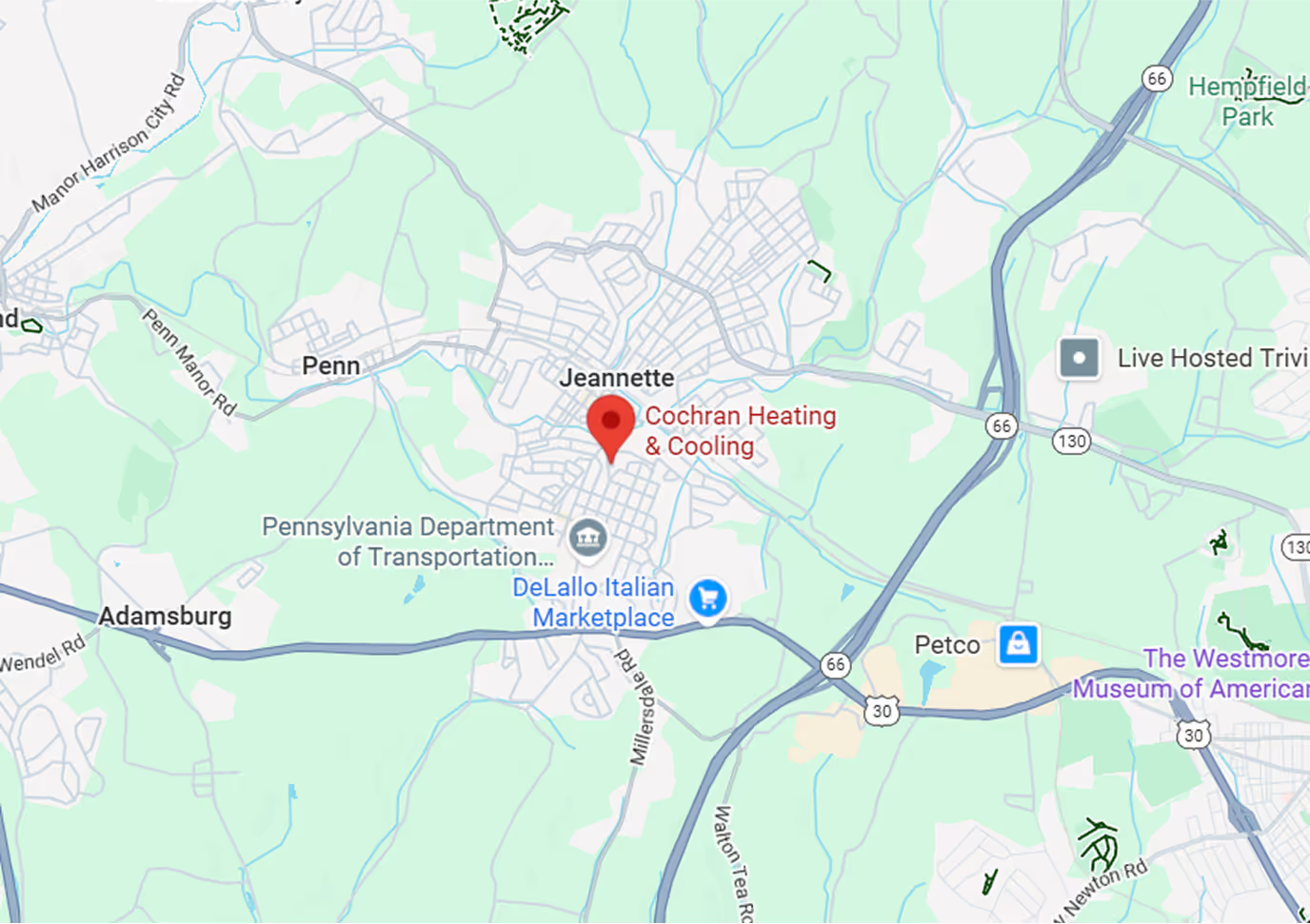
Geothermal Repair in Adamsburg, PA
Adamsburg, PA homeowners rely on geothermal systems for efficient heating and cooling, especially with our cold winters and variable summer humidity. When these systems falter, it can lead to discomfort and higher energy bills. That's where Cochran Heating & Cooling comes in. Our Geothermal Repair service in Adamsburg focuses on restoring the reliable performance of your ground-source heat pump. We address common issues, preventing potential damage to expensive components like compressors and ground loops. Our expert technicians quickly diagnose and fix problems, ensuring your system is running smoothly. We'll walk you through what to expect during the repair process, including parts, timelines, warranty information, and even some practical troubleshooting tips you can use right away.
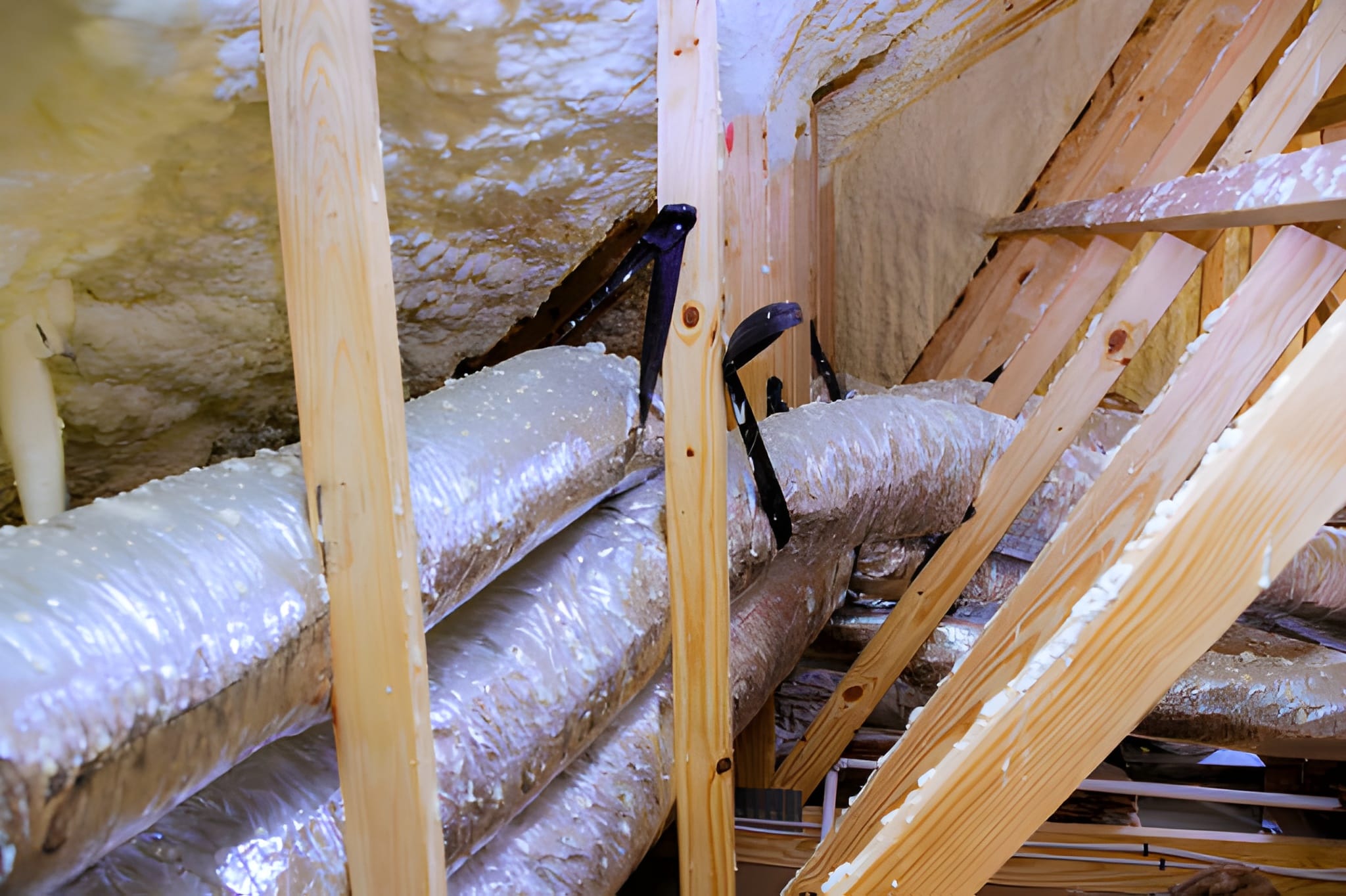
Geothermal Repair in Adamsburg, PA
Geothermal Repair in Adamsburg, PA focuses on restoring reliable, efficient heating and cooling for homes that depend on ground-source heat pump systems. In this region, cold winters and variable summer humidity put steady demand on geothermal systems. Timely repairs prevent lost comfort, higher energy bills, and potential damage to expensive components like compressors and ground loops. This page explains common geothermal problems in Adamsburg homes, how technicians diagnose and fix them, what parts and timelines to expect, warranty considerations, and practical troubleshooting tips you can use right away.
Common Geothermal Repair Issues in Adamsburg, PA
- Compressor faults
Compressors fail from electrical problems, refrigerant contamination, or normal wear. Symptoms include loss of heating or cooling, unusual noises, tripped breakers, or high energy use. - Circulation pump failures
Circulation pumps move fluid through the loop and equipment. Failures cause poor heat transfer, short cycling, or no output to the home. Pumps can seize, leak, or suffer motor electrical faults. - Refrigerant leaks
Low refrigerant reduces capacity and can damage the compressor. Leaks may occur in brazed joints, internal brazing, or components exposed to vibration. - Ground-loop problems
Issues with horizontal or vertical loops include reduced flow from blockages, leaks in buried pipes, or improper antifreeze concentration. In Adamsburg, freeze-thaw cycles and soil movement can exacerbate loop stresses. - Controls and thermostat errors
Faulty control boards, sensors, or thermostats lead to incorrect setpoints, staging errors, or failure to respond. Aging controls may be incompatible with modern thermostats or zoning equipment. - Water-related corrosion and valve failure
High mineral content in groundwater or poor loop water chemistry can corrode heat exchangers, valves, and pumps over time.
How Technicians Diagnose Geothermal Problems
- Initial intake and symptom review
Technicians gather system history, error codes, and homeowner observations to narrow likely causes. - Visual and electrical inspection
Wiring, breakers, contactors, and control boards are checked for obvious faults, burn marks, or loose connections. - System-level performance checks
Refrigerant pressures, compressor amps, and flow rates are measured to spot underperformance or abnormal readings. - Loop and fluid analysis
Flow meters, static pressure, and sample testing for antifreeze concentration and contaminants identify loop issues. - Targeted component testing
Pumps, reversing valves, expansion valves, and sensors are tested individually. When necessary, temporary isolation or bypasses help confirm the failing part. - Report and repair plan
After diagnosis, technicians present a clear explanation of the failure, repair options, and expected timelines.
Step-by-Step Repair Process
- Secure and isolate the system
Power is removed and refrigerant lines or loop connections are isolated to prevent further damage and ensure safety. - Replace or repair failed components
Technicians use OEM or equivalent parts to replace compressors, pumps, valves, controls, or sensors. Repairs follow best practice brazing and leak detection procedures. - Restore loop integrity
If loop leaks or flow issues are found, options include repairing a localized loop section, recharging antifreeze to specification, or flushing and refilling the loop. - System evacuation and recharge
For refrigerant repairs, the system is evacuated to required vacuum, leak-tested, and recharged to manufacturer pressure and oil specifications. - Control calibration and testing
Controls and thermostats are set and tested through full heating and cooling cycles to confirm stable operation and proper staging. - Final inspection and documentation
Technicians document repairs, part numbers, and test results to support warranties and future service.
Typical Parts, Labor, and Response Times
- Common replacement parts: compressors, circulation pumps, reversing valves, thermostats, control boards, pressure sensors, expansion valves, and loop fittings.
- Labor: Most component repairs are completed in a single visit if parts are on hand. More complex loop repairs or compressor replacements may require multiple visits.
- Estimated response times in Adamsburg, PA: emergency heating failures commonly receive priority dispatch within 2 to 4 hours; high-priority calls often get same-day service; routine non-emergency repairs are typically scheduled within 24 to 48 hours. Response times vary seasonally, with peak winter demand affecting availability.
- Emergency options: technicians trained on geothermal systems can provide temporary measures to restore heat quickly, such as temporary electric heat or bypasses, while planning permanent repairs.
Warranty and Manufacturer-Authorized Repair Considerations
- Always check your system warranty before authorizing repairs. Manufacturer warranties often require certified technicians and OEM parts for the warranty to remain valid.
- Documented service history helps with warranty claims. Retain invoices and diagnostic reports showing authorized parts and procedures.
- Some components, like compressors, may carry extended manufacturer warranties that specify installation and repair protocols. Following the manufacturer guidelines prevents denied claims.
Troubleshooting Tips for Adamsburg Homeowners
- Check breakers and disconnects before calling—tripped breakers are a common, simple cause of failure.
- Verify thermostat settings and batteries. Ensure the thermostat is set to the correct mode and temperature range.
- Listen for unusual noises at startup, such as loud clicks, grinding, or hissing, and note when they occur to help technicians diagnose faster.
- Inspect visible loop or mechanical-room piping for leaks, salty or crusty deposits, or frozen sections.
- Maintain clear airflow around indoor units and outdoor loop connection boxes to prevent icing or overheating.
- If you suspect a refrigerant or loop leak, avoid running the system extensively to reduce the risk of compressor damage.
Frequently Asked Questions
Q: How long will a typical geothermal repair take?
A: Most electrical or component replacements can be completed in a single day. Compressor replacements, extensive loop repairs, or parts that must be ordered can extend the timeline to multiple days.
Q: Can a geothermal system be temporarily fixed in winter?
A: Yes. Technicians can sometimes install temporary heat sources, bypass faulty components, or make provisional repairs to restore comfort until a permanent fix is performed.
Q: Should I use OEM parts for my geothermal system?
A: OEM parts are recommended to preserve warranty compliance and ensure compatibility. Equivalent parts may be used in some cases, but they can affect warranty coverage.
Q: What are signs of a ground-loop problem?
A: Reduced heat transfer, sudden drops in flow rate, repeated low-temperature alarms, and unexplained antifreeze loss indicate possible loop issues.
Q: How do local Adamsburg weather conditions affect geothermal systems?
A: Cold winters increase system runtime and expose loops and pumps to freeze risks if antifreeze concentration is incorrect. Saturated soils and freeze-thaw cycles can stress buried loop piping over time.
Q: Can I troubleshoot refrigerant issues myself?
A: Refrigerant diagnosis and repair require certified professionals due to environmental and safety regulations. Homeowners can note symptoms but should not attempt refrigerant work.
This information is designed to help Adamsburg homeowners understand geothermal repair needs, what to expect during diagnosis and repair, and how to protect system longevity through proper maintenance and warranty-aware repairs.