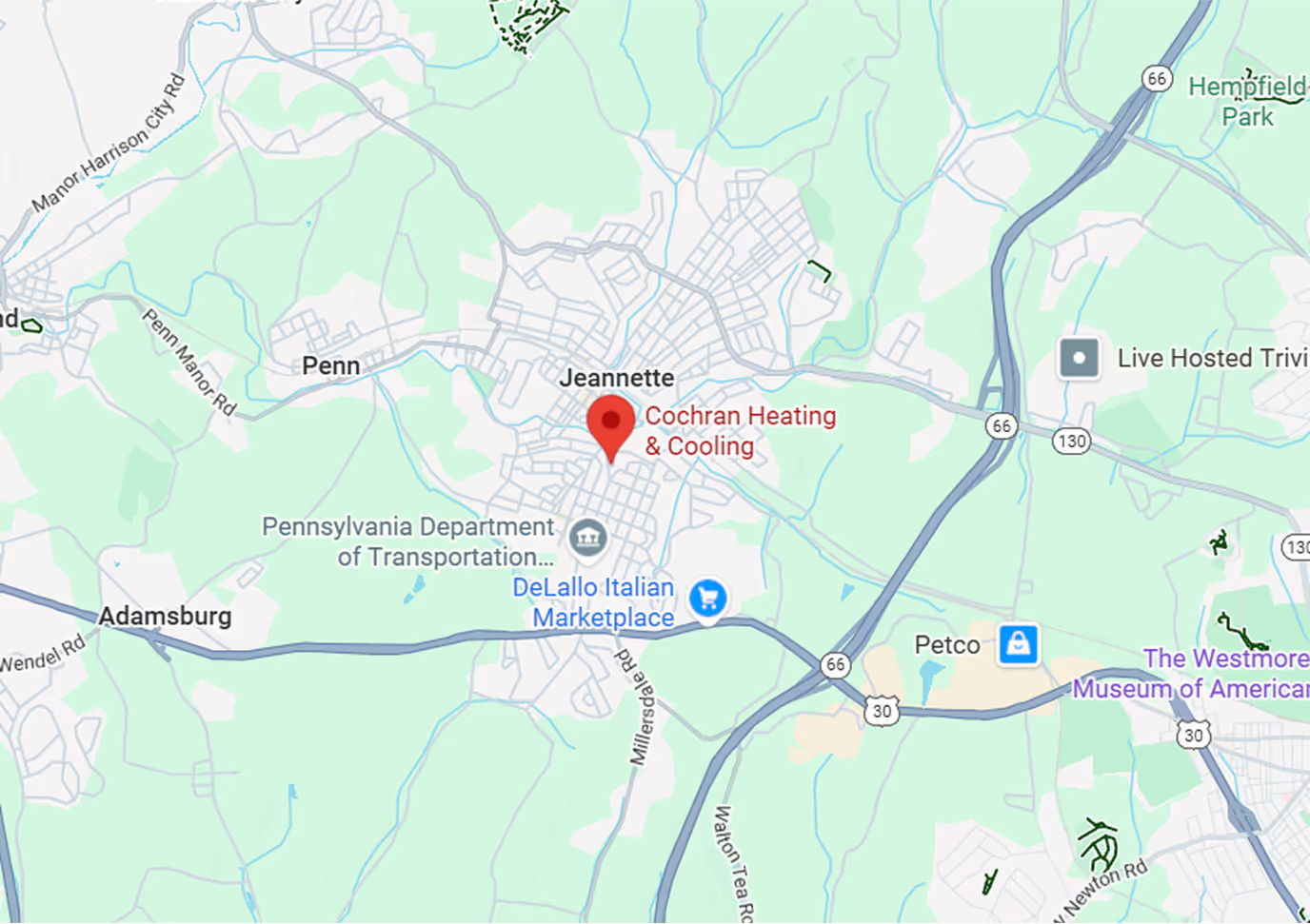
Heating Services in Jeannette, PA
Cold winters in Jeannette, PA make reliable heating crucial for comfort, safety, and energy efficiency. Cochran HVAC offers comprehensive heating services, from preventive furnace and boiler inspections to advanced diagnostics, ignition and combustion system repairs, full system replacements, thermostat calibration, and guidance on reducing energy bills. Whether your home relies on a gas furnace, oil or gas boiler, or a modern heat pump, our thorough heating service helps minimize breakdowns, maintain consistent comfort, and extend the life of your system.
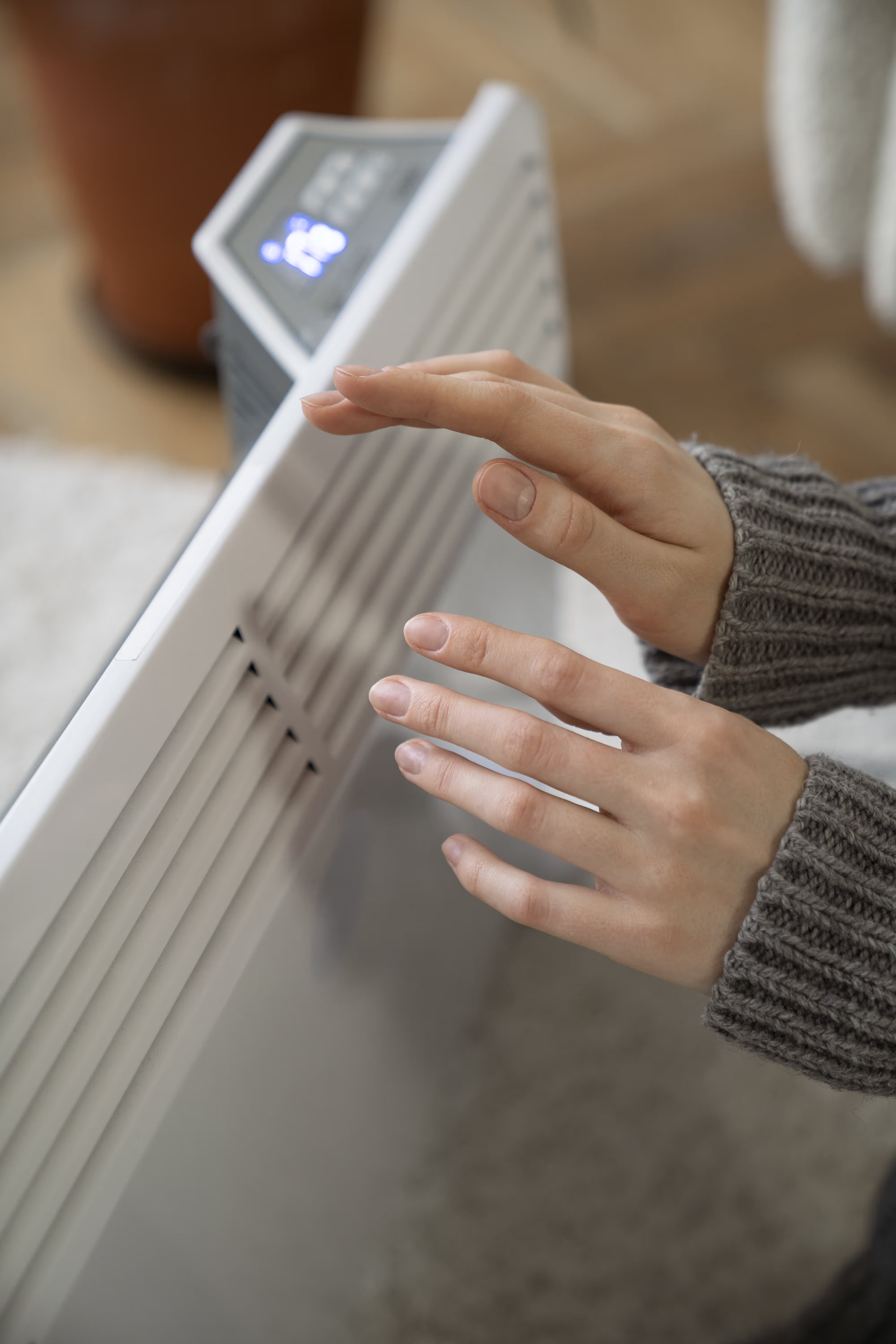
Heating Services in Jeannette, PA
Cold winters in Jeannette, PA make reliable heating essential for comfort, safety, and energy efficiency. Our full-service heating solutions cover everything from preventive furnace and boiler inspections to diagnostics, repairs, replacements, and system upgrades. Whether your home relies on a gas furnace, oil or gas boiler, or modern heat pump, professional heating service ensures dependable warmth and long-term performance all season long.
What Our Full-Service Heating Includes
- Furnace and Boiler Inspections:
Comprehensive checks of burners, heat exchangers, controls, combustion systems, chimneys, vents, and safety devices. - Preventive Maintenance Plans:
Regular tune-ups for optimal seasonal performance — including filter changes, cleaning, lubrication, and efficiency testing. - Diagnostics for Heating Issues:
Systematic troubleshooting with airflow measurement, combustion analysis, electrical testing, and control board checks. - Repairs of Ignition and Combustion Components:
Replacement or repair of igniters, pilot assemblies, flame sensors, gas valves, burners, and control modules. - System Replacements and Upgrades:
Guidance on selecting correctly sized, high-efficiency furnaces, condensing boilers, or cold-climate heat pumps suited to local needs. - Safety Checks:
Carbon monoxide risk assessment, venting inspection, and combustion efficiency evaluation for peace of mind. - Thermostat Calibration and Zoning:
Ensuring accurate temperature control, programmable scheduling, and potential multi-zone solutions for even heating. - Energy-Saving Advice:
Practical recommendations for insulation improvements, duct sealing, and thermostat strategies that reduce energy costs.
Common Heating Issues in Jeannette Homes
- No heat or intermittent heating during cold snaps
- Uneven temperatures between rooms (common in older homes)
- Short cycling of furnaces, leading to high energy use
- Strange noises such as rattling, banging, or squealing
- Pilot light failure or ignition delays
- Rising energy bills during winter
- Soot or smoke smell indicating incomplete combustion
- Leaking or corroded boiler components
Local context:
Jeannette’s older housing stock and long, damp winters make heating reliability especially important. Properly adjusted combustion and venting prevent soot buildup, corrosion, and carbon monoxide risks.
How Diagnostics and Inspections Work
A professional diagnostic process follows these clear steps:
- Initial Interview: Review system symptoms and usage patterns.
- Visual Inspection: Check unit, flue, and vents for damage or blockages.
- Electrical Testing: Evaluate controls, thermostats, and safety switches.
- Combustion & Efficiency Analysis: Identify incomplete combustion or CO risks.
- Airflow Checks: Measure return and supply flow to detect restrictions.
- Operational Test: Observe startup, flame behavior, blower operation, and cycling.
This approach ensures repairs fix the root cause, not just the symptoms — for example, resolving short cycling from a miscalibrated thermostat or blocked return duct.
Repairs, Replacements & Safety Considerations
- Ignition and Combustion Repairs:
Replacing pilot assemblies, igniters, flame sensors, or gas valves to restore safe operation. - Heat Exchanger and Burner Service:
Address cracked exchangers immediately; clean and align burners for efficient combustion. - Boiler Repairs and Maintenance:
Flushing, pressure checks, valve replacements, and circulator service for efficient water or steam flow. - Controls and Electronics:
Diagnosis and replacement of malfunctioning sensors or control boards. - System Replacement and Upgrades:
When repairs approach replacement costs, we recommend high-efficiency furnaces or modulating boilers with proper sizing and duct evaluation. - Safety Checks:
Each visit includes venting and flue inspections, carbon monoxide testing, and combustion verification.
Ways to Improve Comfort & Lower Energy Bills
- Replace or clean filters every 1–3 months
- Seal and insulate ducts in basements or crawl spaces
- Zone systems to prevent overheating unused areas
- Install programmable or smart thermostats
- Add insulation or weatherstripping to reduce heat loss
- Bleed radiators and flush boilers periodically
- Consider high-efficiency heat pumps or condensing boilers
Benefits of Timely Heating Service
- Improved safety through carbon monoxide and combustion checks
- Increased system reliability during cold months
- Lower energy bills from restored efficiency
- Extended equipment lifespan through preventive maintenance
- Better indoor comfort with balanced temperatures
Frequently Asked Questions (FAQs)
Q: How often should I schedule maintenance for my furnace or boiler?
A: Once a year is recommended, ideally before the heating season. Older or heavily used systems may benefit from twice-yearly checks.
Q: What are the warning signs my system needs repair or replacement?
A: Frequent cycling, strange noises, uneven heating, higher bills, visible rust or leaks, or age over 15 years (furnaces) / 20 years (boilers).
Q: Can I upgrade to a heat pump in Jeannette’s cold winters?
A: Yes. Cold-climate heat pumps perform efficiently in southwestern Pennsylvania. A professional can evaluate your home’s ductwork and backup heat needs.
Q: What does a preventive maintenance plan include?
A: Burner and heat exchanger cleaning, lubrication, filter guidance, thermostat calibration, combustion testing, and safety checks.
Q: Are carbon monoxide detectors still necessary if my system was inspected?
A: Absolutely. Detectors offer 24/7 protection between professional inspections and should be tested regularly.