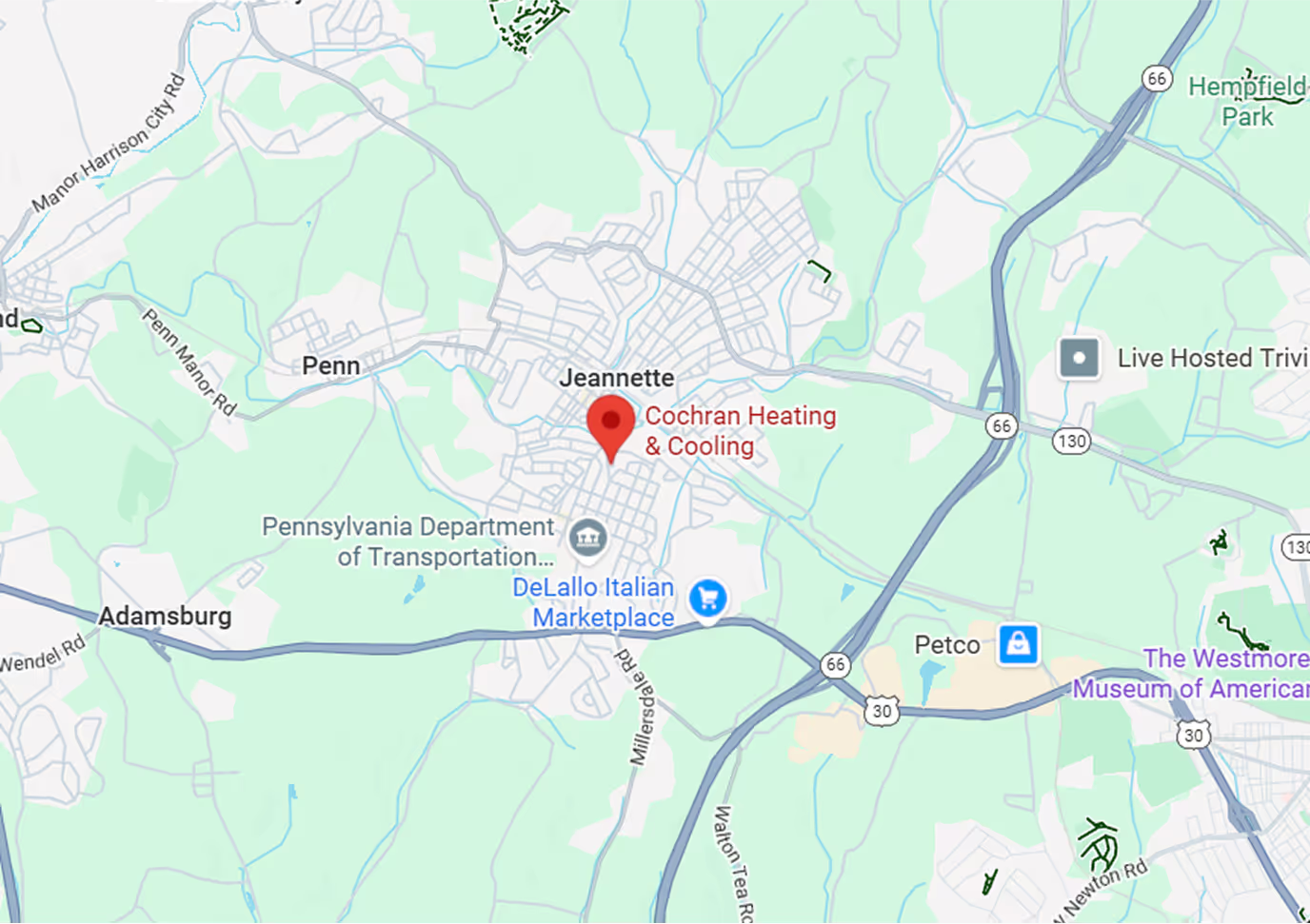
Mini Split Installation in Adamsburg, PA
An efficient, properly installed mini split system from Cochran Heating & Cooling can deliver reliable cooling in humid summers and efficient heating during Adamsburg’s cold winters. Mini split installation in Adamsburg, PA, requires a clear, step-by-step process: accurate load calculations, thoughtful indoor and outdoor unit placement, correct refrigerant and electrical work, adherence to local codes and permits, and thorough testing and homeowner training. We'll guide you through each stage, address common local issues, and help you prepare your home so the system performs reliably year after year.
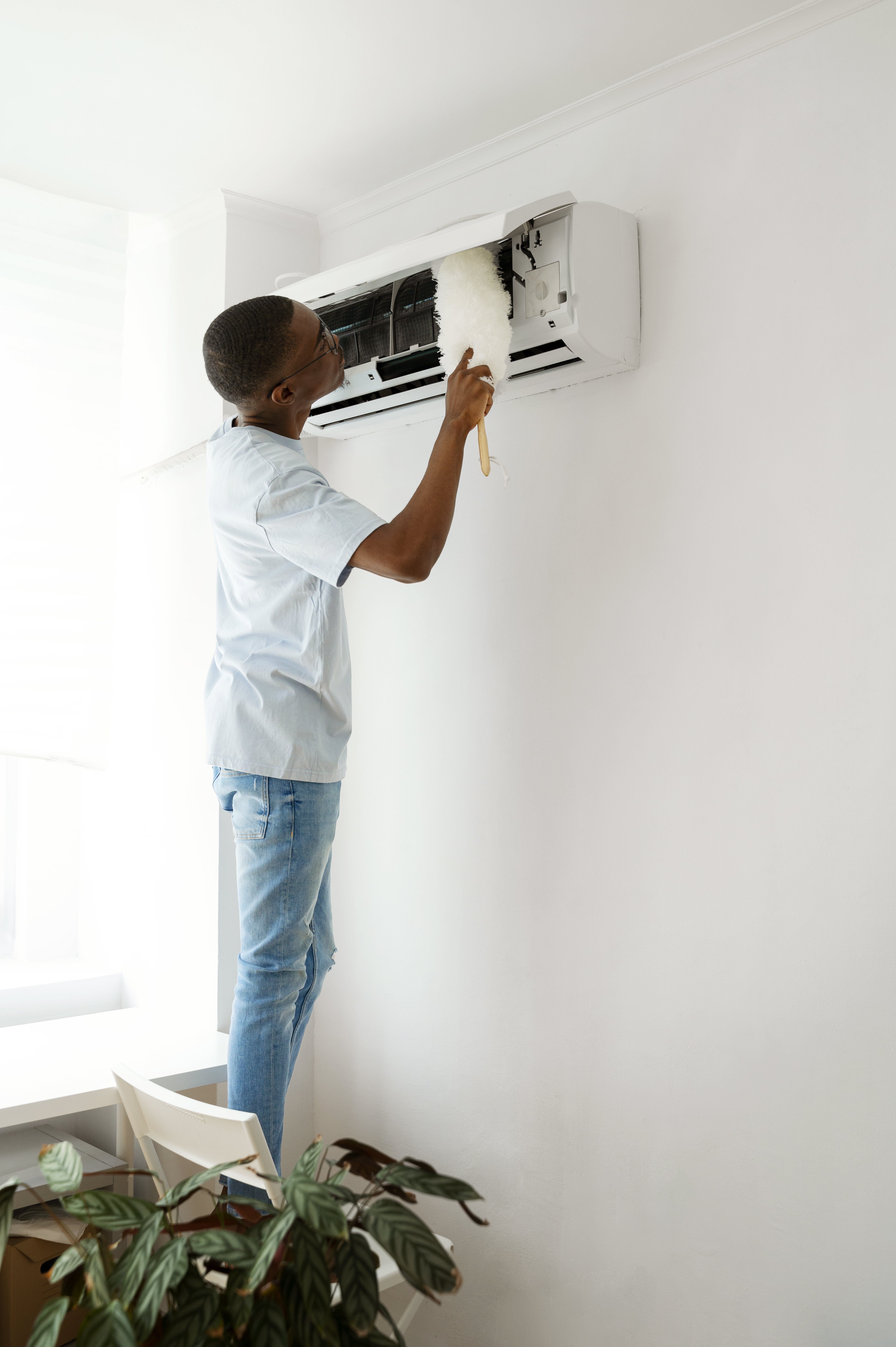
Mini Split Installation in Adamsburg, PA
An efficient, properly installed mini split can deliver reliable cooling in humid summers and efficient heating during Adamsburg’s cold winters. Mini split installation in Adamsburg, PA requires a clear, step-by-step process: accurate load calculations, thoughtful indoor and outdoor unit placement, correct refrigerant and electrical work, adherence to local codes and permits, and thorough testing and homeowner training. This page explains what to expect at each stage, common local issues, and how to prepare your home so the system performs reliably year after year.
Why a mini split is a good choice for Adamsburg homes
- Zoned comfort: Ductless mini splits let you heat or cool individual rooms, which is ideal for older homes or additions common in Westmoreland County.
- Efficiency in mixed seasons: Modern heat-pump mini splits perform well through warm, humid summers and deliver efficient heating in moderate cold; choosing a cold-climate rated unit matters for Adamsburg’s subfreezing winter days.
- Minimal disruption: Installation avoids major ductwork changes, preserving historic finishes in older houses while still improving comfort.
Common mini-split types and placement options
- Single-zone wall-mounted indoor units — best for a single room or basement living space.
- Multi-zone systems — one outdoor compressor serving multiple indoor heads for whole-house zoning without ducts.
- Floor-console and ceiling-cassette units — alternatives when wall placement is impractical.
- Outdoor unit siting — level pad or brackets on an exterior wall with 12–24 inches clearance for airflow and service access; location should consider winter snow, salt exposure, and prevailing winds in Adamsburg.
Typical installation process and timeline
- Initial site assessment and load calculations (Manual J)
- Technician inspects room orientation, insulation, window types, occupancy, and existing heating systems.
- A Manual J load calculation determines correct system size; undersizing leads to poor comfort, oversizing increases cycling and energy waste.
- Time: on-site assessment usually 1–2 hours.
2. System selection and placement planning
- Selection balances capacity, low-ambient heating performance, indoor unit style, and noise levels.
- Plan for refrigerant line routing, condensate drain, and electrical access.
- Time: included with assessment and system ordering.
3. Permits and code review
- HVAC and electrical permits are commonly required in Pennsylvania municipalities; installations must comply with NEC electrical code and local building codes.
- Refrigerant handling requires EPA 608-certified technicians.
- Time: permit approval varies — often a few days to two weeks depending on local jurisdiction.
4. Installation day(s)
- Mount indoor unit(s) and run a small line set through a 2–3 inch hole (sealed and insulated).
- Install outdoor unit on pad or brackets; connect refrigerant lines, electrical conduit, and condensate piping.
- Electrical work: dedicated circuit, disconnect, proper wire gauge and breaker sized to the unit specifications; ensure grounding and compliance with NEC.
- Typical time: single-zone installs commonly completed in 4–8 hours; multi-zone systems may take one to three days.
5. Refrigerant evacuation, charging, and commissioning
- Vacuum down the line set to remove moisture and non-condensables, then charge per manufacturer specifications.
- Pressure and leak testing ensure system integrity.
- Commissioning includes verifying airflow, temperature delta, proper defrost operation for heating, and controller setup (Wi-Fi/thermostat pairing if present).
- Final checks and homeowner walkthrough occur after commissioning.
- Time: 1–2 hours as part of final installation.
Refrigerant, electrical, and code considerations
- Refrigerant: Many systems use R-410A or newer refrigerants; correct charging and leak-free connections are critical for performance and warranty.
- Electrical: Some mini splits require 240V circuits; others run on 120V. A dedicated breaker and proper disconnect are required. NEC and local code dictate installation specifics.
- Permits and inspections: Secure necessary HVAC and electrical permits; schedule inspections to ensure compliance. Check with Adamsburg Borough or Westmoreland County permitting offices for local requirements.
Common installation issues and how they’re avoided
- Improper sizing: Prevented with accurate Manual J load calculations and selecting cold-climate models for Adamsburg winters.
- Poor indoor placement: Avoid placing indoor heads directly over seating or where airflow will be obstructed by furniture.
- Long line sets or improper elevation changes: Keep line set lengths within manufacturer limits; extra length can require additional refrigerant and impact efficiency.
- Inadequate condensate routing: Install reliable drain lines with slope, and consider condensate pumps where gravity drainage isn’t possible.
- Electrical underspecification: Ensure wire gauge and breaker sizing meet nameplate requirements to avoid nuisance trips or hazards.
Post-installation testing, warranty handoff, and homeowner expectations
- Tests performed: leak testing, vacuum level confirmation, refrigerant pressure checks, amperage draw, airflow verification, temperature split testing, and defrost cycle check.
- Documentation: You will receive system specs, wiring diagrams, charge records, and manufacturer warranty information. Labor warranties and maintenance recommendations should be provided at handoff.
- Homeowner expectations: Expect some drilling noise and a small footprint where lines enter the home. Systems are generally quiet but indoor head placement affects perceived sound. Heating performance in deep cold depends on model; select a unit rated for low-ambient operation if Adamsburg winters are a concern.
Maintenance schedule and long-term benefits
- Recommended maintenance:
- Clean or replace filters every 1–3 months depending on use.
- Annual professional service to inspect refrigerant charge, clean coils, check electrical connections, and verify drain lines.
- Clear snow and debris away from the outdoor unit in winter and inspect for ice buildup.
- Long-term benefits:
- Energy savings through zoning and high seasonal efficiency.
- Improved indoor comfort with targeted temperature control.
- Lower installation disruption compared with ducted retrofits, preserving structural details in older Adamsburg homes.
Frequently Asked Questions
Q: How long does a single-zone mini split installation in Adamsburg, PA usually take?
A: A typical single-zone installation takes one day (4–8 hours) including mounting, line runs, electrics, and commissioning; multi-zone systems usually require one to three days plus any permit wait time.
Q: Will I need a permit for mini split installation in Adamsburg?
A: Most likely yes; HVAC and electrical permits are commonly required and inspections ensure compliance with NEC and local building codes. Check with local permitting authorities for specific requirements.
Q: Can mini splits heat effectively during Adamsburg winters?
A: Many modern mini splits designed for cold climates maintain efficient heating even in subfreezing temperatures. Choose a model with low-ambient heating specs and confirm performance ratings for your expected winter lows.
Q: What homeowner preparations are needed before the installers arrive?
A: Clear access to indoor install locations and outdoor unit site, move furniture away from walls where units will mount, ensure pets are secured, and provide access to the electrical panel. Have any required permits ready for inspection.
Q: How often should I schedule professional maintenance after installation?
A: Annual professional maintenance is recommended, with filter attention every 1–3 months. Annual checks prolong system life and preserve warranty coverage.