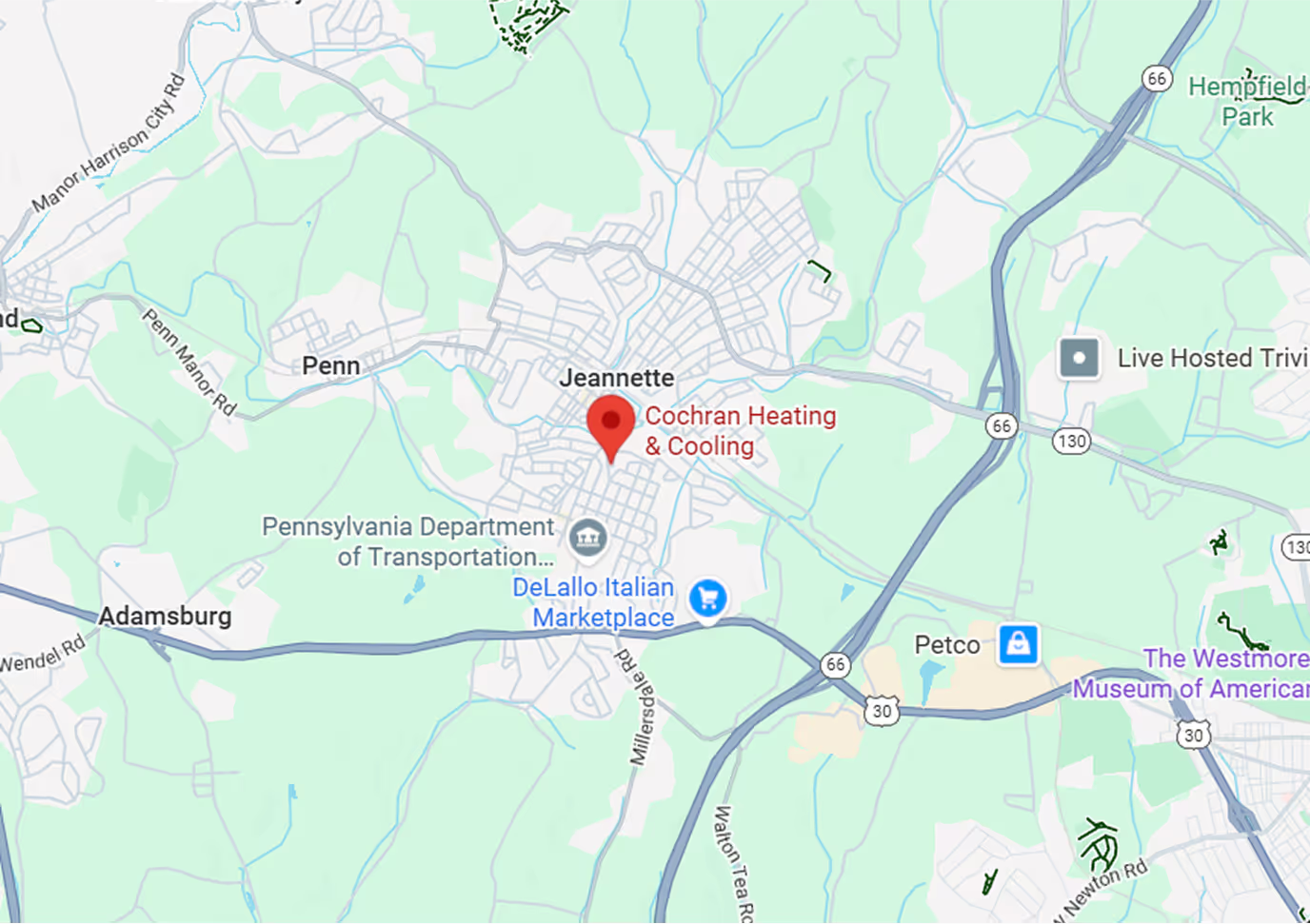
Mini Split Installation in Derry, PA
Mini split installation in Derry, PA, from Cochran Heating & Cooling gives homeowners a modern, efficient option for year-round comfort without the expense and disruption of ductwork. In Derry-area homes that face cold winters, humid summers, and many older properties with limited or inefficient duct systems, a properly planned and installed mini split delivers precise zone control, lower energy use, and quick comfort improvements. We offer a full-service installation process, addressing common local issues, expected timelines, warranty and financing considerations, and practical preparation tips for homeowners in Derry, PA.
-min%2520(1).jpeg)
Mini Split Installation in Derry, PA
Mini split installation in Derry, PA gives homeowners a modern, efficient option for year-round comfort without the expense and disruption of ductwork. In Derry-area homes that face cold winters, humid summers, and many older properties with limited or inefficient duct systems, a properly planned and installed mini split delivers precise zone control, lower energy use, and quick comfort improvements. This page explains the full-service installation process, common local issues, expected timelines, warranty and financing considerations, and practical preparation tips for homeowners in Derry, PA.
What a full-service mini split installation includes
A professional, full-service mini split installation covers every step from initial assessment to post-installation verification. Typical inclusions are:
- Initial home and site assessment
- Load calculations and zone planning
- Selecting the right single- or multi-zone units
- Placement and mounting best practices for indoor and outdoor units
- Electrical work, line set routing, and condensate management
- Refrigerant evacuation, charging, and leak testing
- Cleanup and post-installation performance verification
- Documentation, warranty setup, and financing options
- Homeowner preparation guidance
Initial home/site assessment and load calculations
A proper installation begins with a site visit. Technicians will inspect the building envelope, insulation levels, window orientation, sun exposure, and existing heating or cooling systems. For accuracy, we perform heating and cooling load calculations (Manual J or equivalent) to size each indoor and outdoor unit correctly. In Derry, PA, load calculations must account for cold winter temperatures and summer humidity—undersizing for heat in winter or cooling in humid months is a common problem that leads to short cycling and discomfort.
Zone planning and system selection
Zone planning determines how many indoor heads are needed and where they should be placed to deliver balanced comfort. Single-zone systems serve one room, while multi-zone systems connect several indoor units to one outdoor compressor. In Derry homes with multiple floors or finished basements, multi-zone systems often provide the best balance of control and cost-efficiency. Selection also considers low-ambient performance for reliable winter heating and inverter technology for consistent efficiency.
Mounting and indoor/outdoor placement best practices
Indoor unit placement focuses on airflow, occupant comfort, and aesthetics. Options include wall-mounted, ceiling cassette, or floor-mounted units. Best practices:
- Place units where airflow can sweep the occupied area without blowing directly on beds or seating.
- Maintain clearances for airflow and service access.
- Avoid mounting directly above heat-producing appliances or in locations subject to excessive moisture.
Outdoor unit placement must consider snow, ice, and drainage common in Derry winters:
- Elevate outdoor compressors above expected snow levels and away from roof overhangs that shed snow.
- Ensure 2 to 3 feet of clearance around the unit for airflow and service access.
- Avoid placement where road salt or runoff may accelerate corrosion; provide a protective pad when appropriate.
Refrigerant charging, testing, and commissioning
Proper refrigerant handling is critical. The installation should include:
- Evacuation of the refrigerant lines to remove air and moisture
- Proper charging based on manufacturer specifications, using superheat and subcooling methods rather than line length estimates alone
- Leak testing and electronic leak detection to ensure system integrity
- Functional testing of heating and cooling modes, defrost control, and safety limits
Commissioning verifies temperatures, airflow, noise levels, and electrical performance. In colder months, technicians should check low-ambient operation and defrost cycles to ensure reliable winter heating in Derry.
Cleanup, documentation, and post-installation verification
A full-service job includes removal of installation debris, securing line set runs, and patching any small penetrations in walls. Technicians document system settings, refrigerant charge, and performance data. Final verification includes a temperature delta check across indoor units, confirming proper condensate drainage, and ensuring outdoor unit clearance is maintained for winter.
Expected timelines
Typical timelines vary with system complexity:
- Site assessment and load calculation: 1 to 2 hours on-site
- Permits and scheduling: variable depending on local permit processing
- Single-zone install: often completed in one day (6 to 10 hours)
- Multi-zone install: generally 1 to 3 days, depending on number of indoor units, line set routing, and electrical upgradesAllow additional time in winter months for weather-related delays; permit turnaround and power upgrades can extend schedules.
Warranty and financing options
Most manufacturers offer limited warranties on compressors and parts that range from several years to a decade, with some extended warranties available for registered systems. Labor warranties vary by installer. Financing plans commonly include deferred payment or low-interest options to spread upfront costs. When budgeting, include the benefit of lower operational costs from higher seasonal energy efficiency, which is particularly valuable with Derry-area winter heating demands.
Common mini split issues in Derry, PA and how proper installation prevents them
- Undersized systems that struggle in extreme cold: prevented by accurate load calculations
- Improper outdoor placement leading to snow and ice buildup: prevented by elevation and clearance planning
- Refrigerant leaks and poor charging: prevented by professional evacuation, leak testing, and proper charging
- Poor condensate drainage leading to freezing or water damage: prevented by heat tracing or insulated drainage and correct slope
- Short cycling or poor zoning: prevented by correct unit selection and balanced zone planning
Preparation tips for homeowners in Derry, PA
- Clear access to installation areas and the electrical panel; move furniture away from proposed indoor unit locations.
- Verify any HOA rules or local permit needs; plan for permit processing time.
- Note high-traffic times and pets so technicians can plan minimally disruptive work.
- Ensure gutters and roof drains near outdoor unit sites are functioning to reduce ice buildup risks.
Maintenance and long-term benefits
Routine maintenance keeps mini splits performing at peak efficiency: clean or replace filters every 1 to 3 months depending on use, keep outdoor units clear of debris and snow, and schedule annual professional inspections for refrigerant, electrical, and defrost system checks. Proper installation and maintenance translate to year-round comfort, lower energy bills, and longer equipment life—advantages that matter in the cold winters and humid summers of Derry, PA.
Q: How long does a typical mini split installation take?
A: Single-zone installs often finish in one day (6 to 10 hours). Multi-zone systems typically take 1 to 3 days depending on complexity, line set routing, and any electrical work required.
Q: Will a mini split work as my primary heat in Derry winters?
A: Many modern mini splits with inverter compressors and low-ambient heating kits perform well as primary heat in Derry, but proper sizing for winter load and selection of models rated for low-temperature operation are essential.
Q: Do I need a permit for mini split installation in Derry, PA?
A: Most jurisdictions require electrical and mechanical permits for HVAC installations. Homeowners should confirm local permitting requirements and allow time for approval.
Q: How noisy are mini split systems?
A: Indoor units are typically quiet, producing low background noise similar to a quiet fan. Outdoor compressors make audible sound but should be sited to minimize impact on living spaces.
Q: What maintenance does a mini split require?
A: Homeowners should clean filters regularly (every 1 to 3 months), keep outdoor units free of snow and debris, and schedule an annual professional inspection to check refrigerant, electrical connections, and defrost function.
Q: What common problems should I watch for in Derry-area installations?
A: Watch for poor winter performance (often due to undersizing), ice buildup around outdoor units, and reduced efficiency from dirty filters or blocked airflow. Proper installation and routine maintenance address these issues.