
Mini Split Maintenance in Mt. Pleasant, PA
Proper maintenance from Cochran Heating & Cooling keeps your mini-split running efficiently through Mt. Pleasant winters and humid summers. Regular tune-ups reduce breakdowns, cut energy bills, and extend equipment life—especially important here, where cold snaps, heavy snowfall, and high summer humidity put extra strain on heating and cooling systems. Cochran Heating & Cooling offers professional mini-split maintenance services that cover all the common issues seen in Mt. Pleasant homes. We can recommend service intervals and discuss membership or comfort plan options to suit your needs.
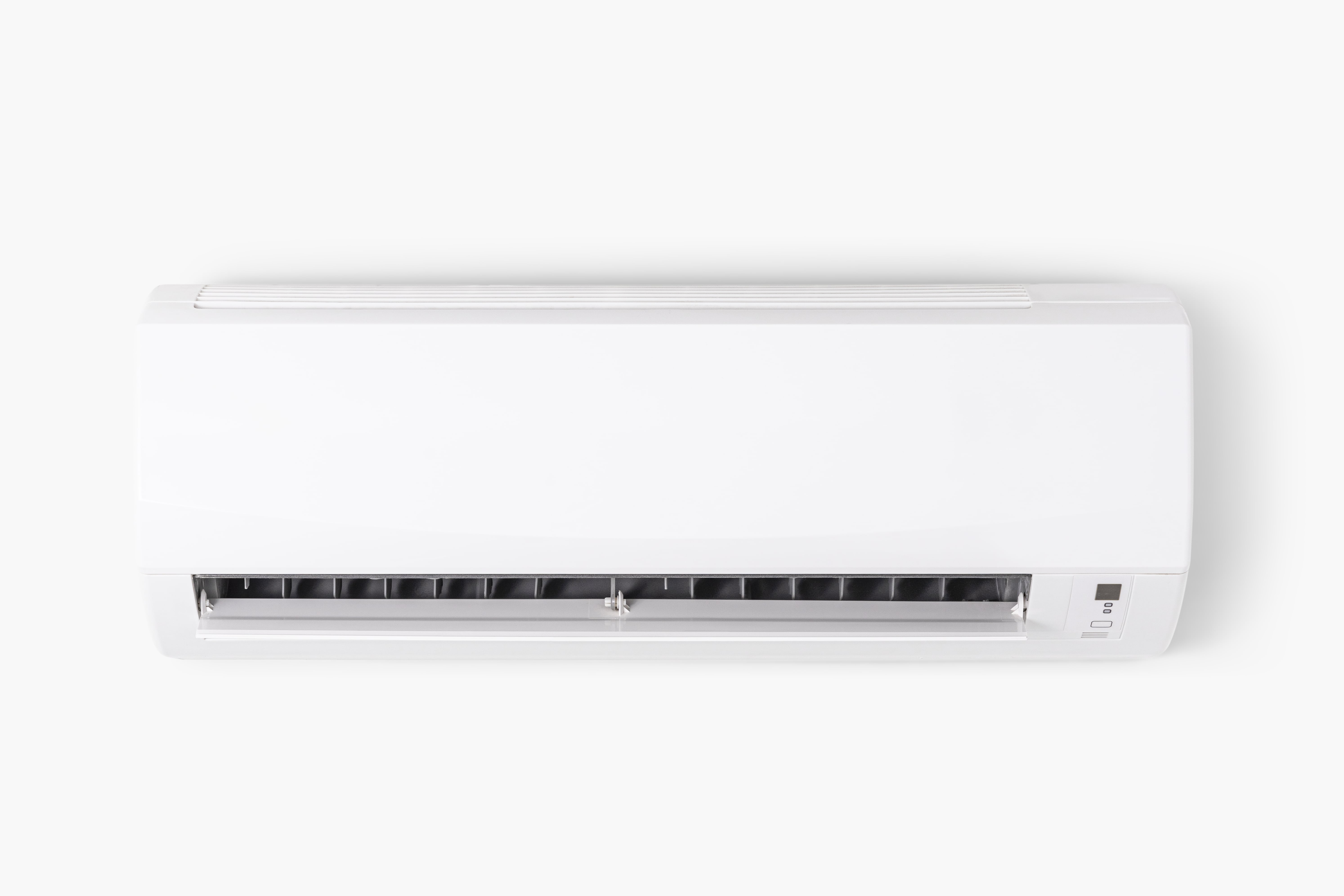
Mini Split Maintenance in Mt. Pleasant, PA
Proper maintenance keeps your mini split running efficiently through Mt. Pleasant winters and humid summers. Regular tune-ups reduce breakdowns, cut energy bills, and extend equipment life—especially important here, where cold snaps, heavy snowfall, and high summer humidity put extra strain on heating and cooling systems. This page explains what a professional mini split maintenance service covers, common issues seen in Mt. Pleasant homes, recommended service intervals, and what membership or comfort plan options typically include.
Why scheduled mini split maintenance matters in Mt. Pleasant, PA
Mt. Pleasant experiences wide seasonal swings: freezing temperatures and snow in winter, warm humid conditions in summer, and pollen and dust in spring. Those factors increase the workload on mini split systems and accelerate dirt accumulation, corrosion, and refrigerant stress. Routine maintenance:
- Preserves heating performance and defrost efficiency during subfreezing weather
- Prevents moisture-related problems and reduces mold risk during humid months
- Improves cooling capacity when humidity and pollen levels are high
- Reduces the chance of emergency repairs during extreme seasonal demand
Common mini split problems in Mt. Pleasant homes
Many issues are preventable with regular service. Typical problems technicians find include:
- Restricted airflow from dirty filters or clogged indoor coils
- Reduced heating efficiency due to low refrigerant or leaks
- Outdoor unit obstructions from leaves, ice, or snow buildup
- Electrical faults such as loose connections or tripped breakers
- Frozen indoor coils or improper defrost operation in winter
- Clogged condensate drains causing water leaks or overflow
- Imbalanced temperature split between indoor and outdoor units
What a seasonal tune-up includes
A professional seasonal tune-up is a multi-point inspection and cleaning process designed to optimize performance and catch small problems early. Typical steps:
- Visual inspection of indoor and outdoor units for damage, debris, and proper mounting
- Filter cleaning or replacement guidance (clean washable filters; recommend replacement for disposable types)
- Indoor and outdoor coil cleaning to remove dust, pollen, and grease that reduce heat transfer
- Refrigerant level check and leak screening; verify proper pressures for the system type
- Electrical inspection: tighten terminals, check capacitors and contactors, test breakers and disconnects
- Performance testing: measure temperature differential (supply vs return), airflow, and compressor amperage to ensure efficient operation
- Condensate drain inspection and clearing to prevent backups and microbial growth
- Defrost cycle check for winter operation and inspection of drain pan and piping
- Outdoor unit clearance and winterization advice to prevent ice damage and ensure airflow
Refrigerant, leaks, and efficiency
Mini splits rely on correct refrigerant charge for efficient heating and cooling. Technicians check pressures and temperatures to spot undercharge or overcharge conditions. In Mt. Pleasant, repeated freeze/thaw cycles and vibration can lead to slow leaks. Detecting and repairing leaks early preserves efficiency and avoids premature compressor failure. If a leak is found, the typical process includes documenting the issue, repairing the leak source, and recharging the system to the manufacturer specified charge.
Electrical and safety checks
Electrical faults cause many failures. A technician will:
- Inspect and tighten electrical connections
- Test start/run capacitors and relays
- Verify correct voltage and amperage under load
- Check safety devices and controls, including thermostat or remote control functionsThese steps reduce risk of unexpected failures and ensure safe operation under Mt. Pleasant’s variable power demands.
Performance testing and diagnostics
Performance testing verifies that the system actually delivers designed capacity. Common diagnostics:
- Supply-return temperature split (should match manufacturer specs)
- Airflow verification at indoor units
- Compressor performance and cycle timing
- Noise and vibration inspection for signs of mounting or mechanical wearDocumenting these values during tune-ups creates a baseline to spot degradation over time.
Recommended service intervals
Establishing a schedule keeps mini splits reliable throughout the year. Typical recommendations:
- Filter cleaning: every 1 to 3 months in homes with heavy use, pets, or high pollen
- Light maintenance (visual check, basic filter care): spring and fall
- Full seasonal tune-up: twice yearly (spring for cooling season, fall for heating season)
- Coil cleaning, refrigerant check, electrical inspection: annually or semiannually for high-use systemsMore frequent service may be appropriate for systems used as primary heating sources during cold spells or in homes with high dust/pollen loads.
Membership and comfort plan features
Many homeowners choose a membership or comfort plan to simplify maintenance. Common components of these plans:
- Scheduled seasonal tune-ups (documented inspections twice per year)
- Priority scheduling during peak seasons
- Discounted diagnostics and labor rates for repairs
- Record keeping of system performance and recommended repairs
- Seasonal checklists tailored to local climate concerns (winter defrost checks, summer humidity control)These plans help ensure consistent care and a known maintenance budget without surprises.
Maintenance tips specific to Mt. Pleasant residents
- Keep outdoor units clear of leaves, snow, and ice to preserve airflow during snow events.
- During spring pollen season, increase filter cleaning frequency to maintain indoor air quality.
- In winter, watch for ice build up around the outdoor unit; proper clearance and occasional brushing of snow help defrost performance.
- If your mini split is a primary heat source, schedule a fall tune-up focused on defrost cycles and compressor health.
- Track performance numbers from each tune-up to spot slow declines in efficiency before they become costly failures.
FAQs
Q: How often should I schedule mini split maintenance in Mt. Pleasant, PA?
A: Plan a full professional tune-up twice a year—spring and fall—and clean or check filters every 1 to 3 months depending on use, pets, and pollen levels.
Q: Will maintenance help lower my energy bills?
A: Yes. Clean coils, correct refrigerant charge, and tightened electrical connections improve efficiency, often reducing energy use and stabilizing heating and cooling costs.
Q: What signs indicate I need immediate service?
A: Rapid loss of heating or cooling capacity, unusual noises, ice forming on coils, water leaks, or tripped breakers are all reasons to arrange a prompt inspection.
Q: Can I perform any maintenance myself?
A: Homeowners can regularly clean washable filters, keep indoor vents unobstructed, and clear debris away from outdoor units. Professional services are recommended for refrigerant work, electrical checks, coil cleaning, and performance diagnostics.
Q: Do mini splits need refrigerant top-ups every year?
A: Not if the system is leak-free. Refrigerant should not be consumed. Annual checks detect slow leaks early; if levels are low, technicians will locate and repair leaks before recharging.
Maintaining your mini split with seasonal tune-ups tailored to Mt. Pleasant’s climate protects comfort, improves efficiency, and reduces the likelihood of emergency repairs. Regular care is the most effective way to get predictable performance and long equipment life from your system.