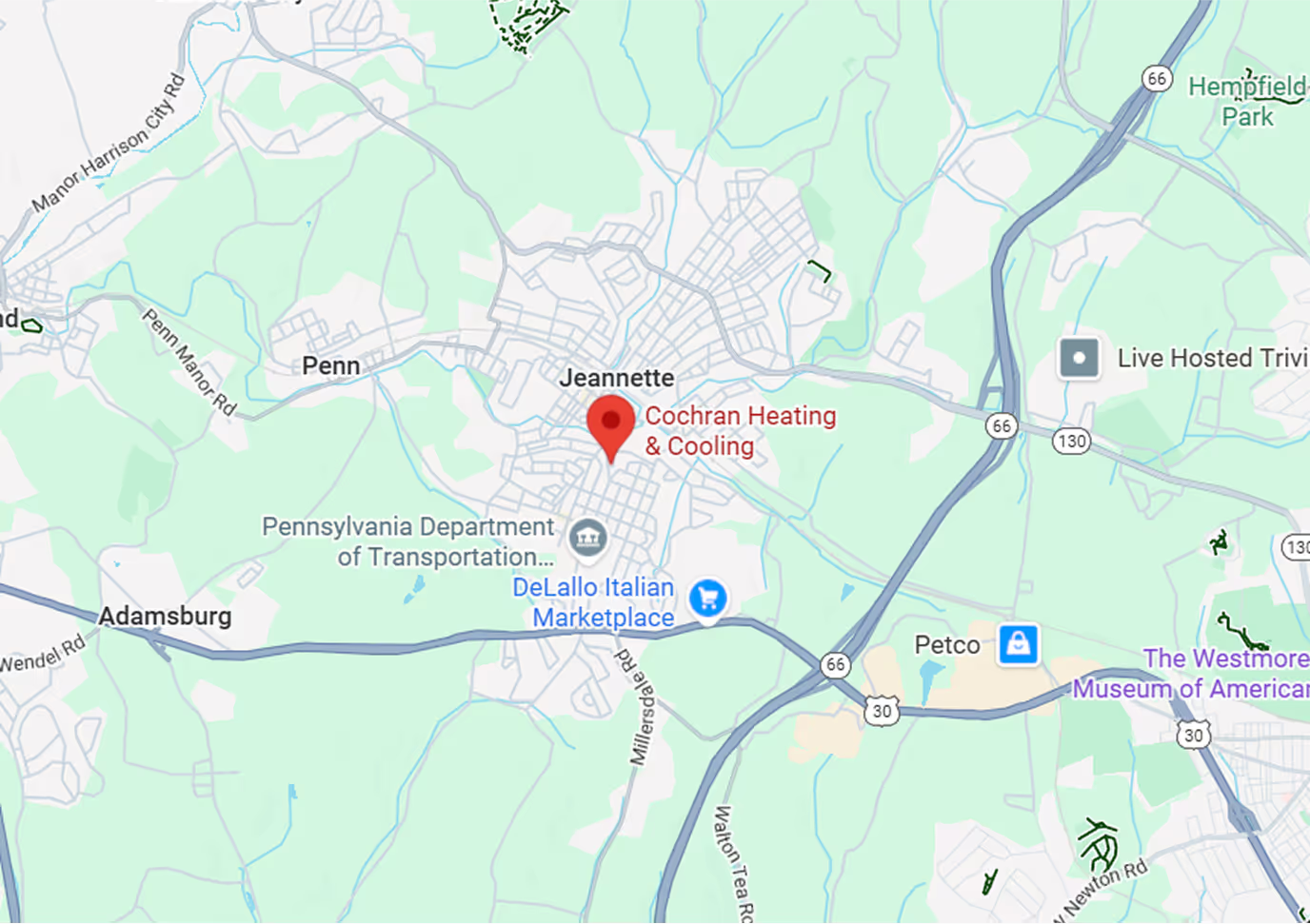
Mini Split Maintenance in Westmoreland County, PA
Consistent mini-split maintenance is essential for reliable heating and cooling in Westmorland County, PA, homes. With humid summers, snowy winters, and seasonal pollen and leaf debris, ductless mini-split systems from Cochran Heating & Cooling face specific challenges that can reduce efficiency and shorten equipment life if neglected. Routine maintenance services, addressing common system problems in this region, and a professional tune-up are all part of a preventative maintenance plan that preserves comfort while lowering operating costs.
%2520(1)-min.jpeg)
Mini Split Maintenance in Westmoreland County, PA
Regular mini split maintenance is essential for reliable heating and cooling in Westmoreland County, PA homes. With humid summers, snowy winters, and seasonal pollen and leaf debris, ductless mini split systems face specific stresses that reduce efficiency and shorten equipment life if not addressed. This page explains routine maintenance services, common system problems in this region, what a professional tune-up includes, and how a preventative maintenance plan preserves comfort while lowering operating costs.
Why seasonal mini split maintenance matters in Westmoreland County, PA
Westmoreland County experiences warm, humid summers and cold winters with freeze-thaw cycles. Those conditions create three maintenance priorities:
- Condensate and drain line management to prevent clogs and mold during humid months.
- Outdoor unit cleaning after leaf fall and winter storms to preserve airflow and coil performance.
- Refrigerant and electrical checks before heavy-use seasons to prevent mid-season failures.
Routine maintenance reduces emergency repairs, improves energy efficiency, and helps keep system warranties valid.
Common mini split problems in Westmoreland County, PA homes
- Reduced airflow or weak cooling/heating - often caused by dirty filters, blocked indoor blower fans, or outdoor coil debris.
- Icing on the indoor coil in winter - can indicate airflow restriction or low refrigerant.
- Persistent condensate or water leaks - usually from clogged drain lines or improper unit tilt.
- Refrigerant leaks - decreased cooling capacity and higher energy use.
- Strange noises or vibrations - loose mounting, debris, or motor wear.
- Electrical or control failures - worn capacitors, relays, or sensor problems that affect cycling.
Addressing these issues during scheduled maintenance prevents them from becoming costly breakdowns.
What a seasonal mini split tune-up includes
A thorough seasonal tune-up for mini split systems in Westmoreland County, PA typically covers the following steps:
- Visual system assessment
- Check indoor and outdoor units for obvious damage, ice, or debris from storms and fall leaf drop.
- Verify proper mounting and clearances for outdoor units after winter snow and spring thaw.
- Filter service and washable-filter care
- Replace disposable filters or clean washable filters, rinse, dry, and reinstall correctly.
- Inspect filter frames and seals to ensure no bypass of unfiltered air.
- Indoor and outdoor coil cleaning
- Gently clean indoor evaporator coils to remove dust and pollen that reduce heat transfer.
- Clean outdoor condenser coils of leaves, grass, and road grime to restore airflow and efficiency.
- Condensate drain and pan cleaning
- Clear drain lines and treat pans to prevent clogs, algae, and mold growth that cause water leaks and odors.
- Confirm proper condensate discharge and slope of lines.
- Refrigerant level and leak check
- Measure refrigerant pressures and superheat/subcooling to verify correct charge.
- Inspect for signs of refrigerant leaks and recommend repair if needed.
- Electrical and control inspection
- Tighten electrical connections, inspect capacitors, contactors, and control boards for wear or corrosion.
- Test sensors, thermostat settings, and wireless controllers for accurate operation.
- Performance testing and airflow checks
- Measure temperature split across the indoor coil, test airflow, and confirm system is meeting expected capacity.
- Run system through cooling and heating cycles to ensure reliable operation in local temperature ranges.
- Safety and functional checks
- Verify system safety controls, drainage safeguards, and defrost operation for winter performance.
- Confirm that the unit defrosts properly in cold weather to avoid icing problems.
Technicians document findings and, when necessary, recommend repairs or parts replacement to restore peak performance.
Preventative maintenance plans for peace of mind
A preventative maintenance plan or service contract tailored for Westmoreland County, PA typically includes scheduled seasonal visits, priority scheduling, and a defined checklist of services. Benefits include:
- Predictable scheduling before peak summer and winter seasons.
- Discounted or consolidated service visits for filter replacement and tune-ups.
- Detailed maintenance records that help with warranty compliance and resale value.
- Priority response in peak demand periods to reduce downtime.
These plans are especially valuable where weather extremes increase likelihood of mid-season failures.
Energy and lifespan benefits of regular service
Routine mini split maintenance delivers measurable benefits:
- Improved energy efficiency: Clean coils and properly charged refrigerant reduce runtime and electricity use.
- Lower utility bills: Even a small efficiency gain can cut seasonal cooling and heating costs in a humid Pennsylvania climate.
- Longer equipment life: Preventing motor burnout, refrigerant-related damage, and corrosion extends the system’s useful service life.
- Fewer emergency repairs: Early detection of wear or leaks avoids high-cost mid-season replacements.
- Better indoor air quality: Clean filters and coils reduce dust, pollen, and microbial growth that affect household health, important during Westmoreland County allergy seasons.
How often to schedule service
- Twice-yearly tune-ups are recommended for most mini split systems: one before the cooling season and one before the heating season. This cadence addresses seasonal stressors specific to Westmoreland County, PA.
- Filter checks and washable-filter cleaning should be performed more frequently during high pollen or heavy-use months, often monthly to quarterly depending on occupancy, pets, and indoor air quality needs.
Maintenance tips for homeowners
- Clean or rinse washable filters monthly during heavy-use seasons and replace disposable filters as recommended by the manufacturer.
- Keep the outdoor unit clear of leaves, snow buildup, and lawn debris. Trim vegetation to maintain airflow.
- Watch for early warning signs like reduced output, unusual sounds, or water near the indoor unit and schedule a check before small issues become major failures.
- Keep records of maintenance visits and any refrigerant or electrical work for warranty and resale documentation.
FAQs
Q: How long does a typical mini split tune-up take?
A: A standard seasonal tune-up usually takes 45 to 90 minutes per indoor/outdoor system, depending on system complexity and condition.
Q: Will maintenance require system downtime?
A: Technicians normally perform checks and cleaning with minimal downtime. Cooling or heating cycles are run briefly for testing but service rarely interrupts comfort for long.
Q: How often should refrigerant be checked?
A: Refrigerant levels are inspected at least once per year during a tune-up. If a leak is suspected, a targeted check and repair are recommended immediately.
Q: Are washable filters as effective as replaceable filters?
A: Washable filters can be effective when cleaned regularly and allowed to dry completely, but they may trap less fine particulate than high-efficiency disposable filters. Your maintenance program can recommend the best option for your indoor air quality needs.
Q: Does maintenance help with warranty coverage?
A: Regular documented maintenance often helps meet manufacturer warranty requirements and supports any future warranty claims.