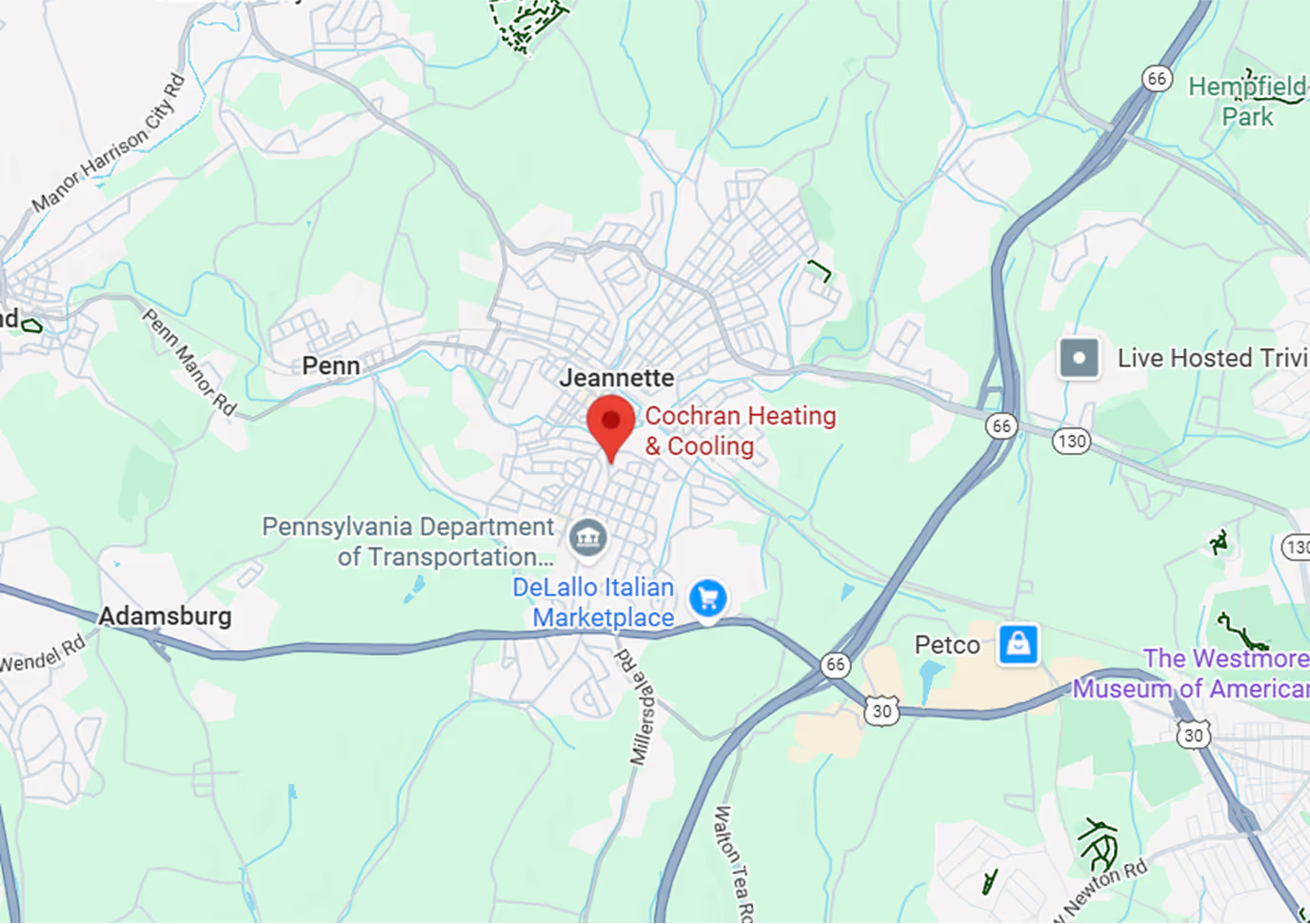
Mini Split Repair in North Huntington, PA
Mini split (ductless) systems are a popular choice for North Huntington, PA homes because they deliver targeted heating and cooling without the need for extensive ductwork. When a mini split fails, it affects comfort immediately and can raise energy bills or cause humidity problems. Cochran Heating & Cooling provides professional mini split repair services specific to North Huntington, PA, covering common failure modes, diagnostic procedures, typical repair steps and parts, estimated response times including 24/7 emergency availability, warranty and pricing expectations, and what to expect when scheduling service.
%2520(1)-min.jpeg)
Mini Split Repair in North Huntington, PA
Mini split (ductless) systems are a popular choice for North Huntington, PA homes because they deliver targeted heating and cooling without extensive ductwork. When a mini split fails, it affects comfort immediately and can raise energy bills or cause humidity problems. This page outlines professional mini split repair services specific to North Huntington, PA, covering common failure modes, diagnostic procedures, typical repair steps and parts, estimated response times including 24/7 emergency availability, warranty and pricing expectations, and what to expect when scheduling service.
Why prompt mini split repair matters in North Huntington, PA
North Huntington experiences cold, snowy winters and humid summers. These seasonal extremes amplify common mini split problems: heat pump compressors work harder in winter, outdoor units face freeze-thaw cycles, and indoor units can struggle with humidity in summer. Timely repairs prevent secondary damage such as frozen coils, refrigerant loss, electrical stress, and mold growth in condensate lines. Fixing issues quickly restores comfort, reduces energy consumption, and prolongs system life.
Common mini split failure modes in this area
- Compressor and outdoor unit problems
- Compressor not starting, tripping breakers, or making unusual noises
- Oil contamination or mechanical failure after long use or freeze events
- Fan motor and blower issues
- Indoor or outdoor fan motors failing, noisy bearings, or broken blades
- Reduced airflow from clogged filters or damaged blowers
- Refrigerant leaks and charge problems
- Low refrigerant from leaks or poor installation leading to poor heating/cooling and ice on coils
- Leak corrosion exacerbated by road salt and seasonal moisture
- Control, sensor, and electrical faults
- Faulty PCBs, remotes, thermostats, sensors, or loose connections causing intermittent operation
- Capacitor failures, contactor wear, or short circuits
- Condensate and drain problems
- Clogged drain lines or failed condensate pumps causing water leaks and microbial growth
- Reversing valve and valve assembly failures
- Loss of heating function in heat pump models due to valve or solenoid issues
Diagnostic procedures: how technicians identify the root cause
- Initial visual inspection of indoor and outdoor units for obvious damage, corrosion, and obstructions
- Electrical testing for voltage, continuity, and component health including capacitors, contactors, and motor windings
- Refrigerant system evaluation using gauges to measure pressures, and temperature readings for superheat and subcooling
- Leak detection using electronic detectors, soap testing, or UV dye if applicable
- Evacuation and vacuum testing to verify system integrity after repairs
- Control and sensor testing with handheld meters and communication checks between indoor and outdoor units
- Performance test run to confirm airflow, temperature change, and stable operation
Typical repair steps and parts replaced
Repair work is performed methodically to restore reliable operation and protect the refrigerant system.
- Safety and isolation: power is disconnected and unit made safe
- Recovery: refrigerant is recovered if required by repair scope and local regulations
- Repair or replacement: options include brazing line repairs, replacing fan motors, capacitors, contactors, PCBs, reversing valves, expansion devices, compressors, or condensate pumps
- Drier replacement: filter dryers or liquid line driers are typically replaced after any open refrigerant work
- Evacuation and recharge: system is evacuated to proper vacuum, leak tested, and recharged to precise manufacturer specifications
- System verification: full test run to confirm temperatures, pressures, airflow, and control response
Common parts replaced in mini split repairs:
- Compressor assemblies
- Indoor and outdoor fan motors
- PCBs and control modules
- Capacitors, contactors, and relays
- Expansion devices, TXVs, and reversing valves
- Refrigerant line sections and fittings
- Condensate pumps, drain pans, and drain lines
- Air filters and sensors
Note: refrigerant handling requires certified technicians and proper recovery equipment to comply with federal and state regulations.
Response times and emergency availability
- Typical nonemergency appointment windows: many service providers schedule diagnostic visits within 24 to 72 hours depending on seasonality and parts availability
- Emergency response: 24/7 emergency repair coverage is commonly available for situations like complete heating failure in winter or active refrigerant or condensate leaks. Emergency response times are often faster in close-proximity communities but can vary by local demand and weather conditions
- Parts lead times: repair duration depends on whether parts are in stock. Some common replacement parts are often on service vehicles for same-day repair; larger components such as compressors may require ordering and return visits
Warranty and pricing expectations
- Warranty types: repairs often include a short-term labor warranty and the manufacturer may include parts warranties. Typical arrangements include labor coverage on the repair and separate manufacturer coverage on replacement parts
- What warranties usually cover: workmanship for the repaired component, and manufacturer defects on new parts. Warranties usually do not cover preexisting system issues, misuse, or damage from lack of maintenance
- Pricing factors that influence repair cost:
- Age and model of the mini split and whether replacement parts are still available
- Type of refrigerant used (older R-22 systems can be more costly to service)
- Accessibility of indoor and outdoor units and the scope of refrigerant piping work
- Whether a compressor or major component replacement is required versus a simple motor, capacitor, or control repair
- Emergency vs scheduled service and seasonal demand
- Transparent estimates: professional diagnostics produce a repair plan with parts and labor considerations so homeowners understand tradeoffs like repairing versus replacing a failing system component
What to expect when scheduling service
- Typical scheduling steps: an appointment is set for inspection and diagnosis during a specified arrival window; a technician will assess the system and explain the needed repairs and timeline
- On-site visit length: a diagnostic visit typically ranges from 30 minutes to a couple of hours depending on system complexity; full repairs may take longer or require a return visit if parts must be ordered
- What to prepare at home:
- Ensure clear access to indoor and outdoor units and any attic or crawlspace areas involved
- Have system model numbers and any existing warranty documentation available
- Note symptoms and the history of issues to help the technician diagnose faster
Maintenance tips to reduce future repairs
- Schedule annual or biannual preventative maintenance before peak cooling and heating seasons to catch issues early
- Clean or replace filters regularly and keep outdoor units free of debris, snow, and ice
- Maintain proper clearances around outdoor units to ensure airflow and reduce freeze risk
- Address unusual noises, reduced airflow, or performance drops promptly to avoid larger failures
Q: How long will a typical mini split diagnostic take?
A: A full diagnostic visit usually takes 30 minutes to two hours depending on unit accessibility and symptoms.
Q: Can refrigerant leaks be repaired without replacing the compressor?
A: Many leaks can be repaired by replacing line sections, fittings, and driers, but if a compressor is contaminated by oil or debris it may also need replacement.
Q: Are mini split repairs covered by manufacturer warranty?
A: Parts under manufacturer warranty may be covered, but labor and diagnosis are typically covered separately under service warranties.
Q: Will a repair always restore full efficiency?
A: Repairs that address leaks, charge issues, or failing components often restore near-original performance, but systems with extensive wear may not match new-system efficiency.
Q: What should I do if my indoor unit is leaking water?
A: Turn the unit off and ensure power is isolated. Water leaks often stem from clogged condensate drains, failed pumps, or frozen coils and require professional inspection.
Q: Is it better to repair or replace an older mini split?
A: The decision depends on age, frequency of failures, cost of major components versus system replacement, and available efficiency improvements. A technician can provide a comparative assessment after diagnosis.