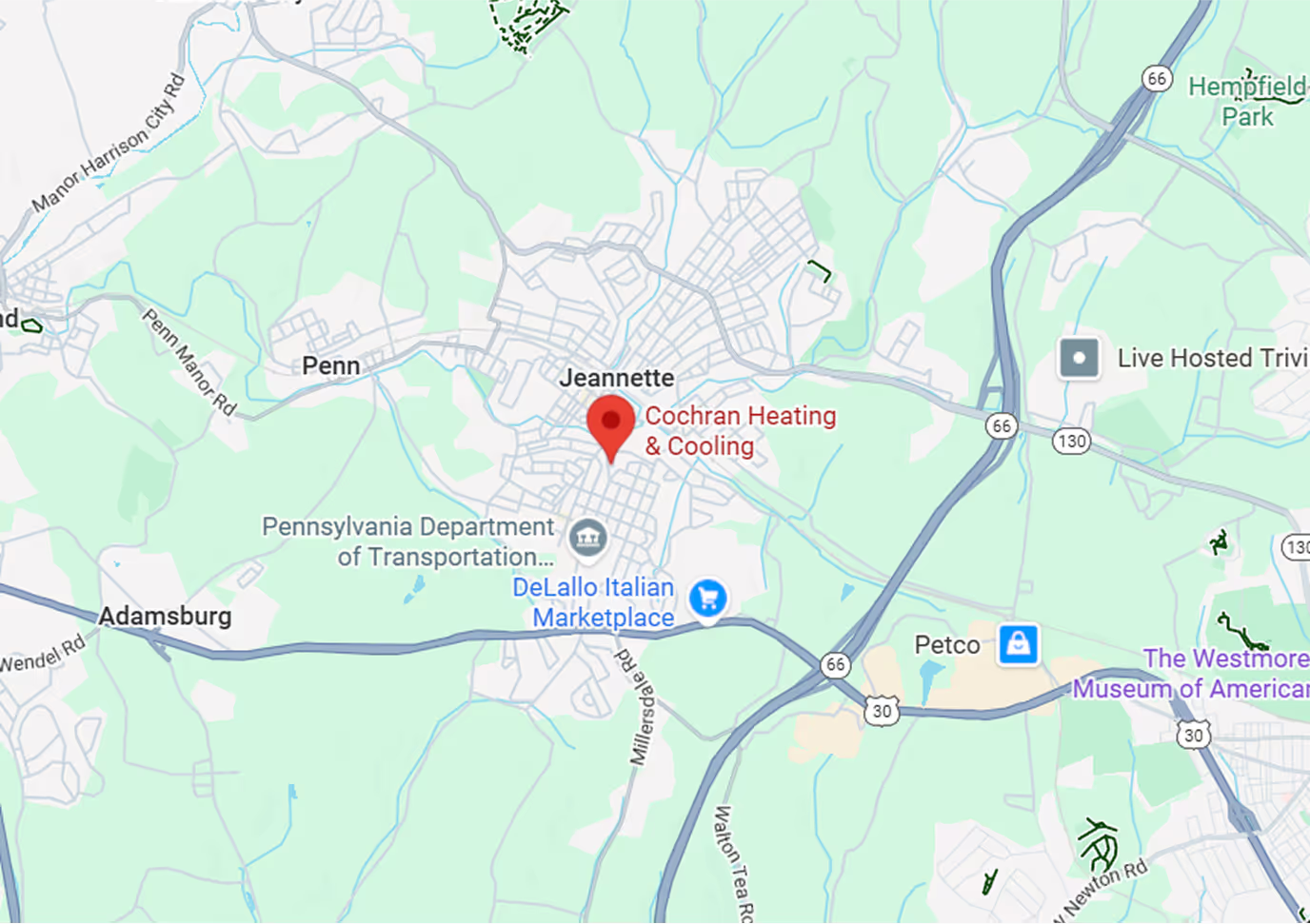
Mini Split Replacement in Greensburg, PA
Replacing an aging or inefficient mini split in Greensburg, PA, with the help of Cochran Heating & Cooling, ensures reliable year-round comfort and lower operating costs in a climate that ranges from humid summers to cold, heating-intensive winters. Whether your existing system is failing, uses an outdated refrigerant, or can no longer meet your desired comfort and efficiency levels, a professionally managed mini split replacement focuses on correct sizing, safe refrigerant recovery, and selecting the right single- or multi-zone equipment for your home or business.
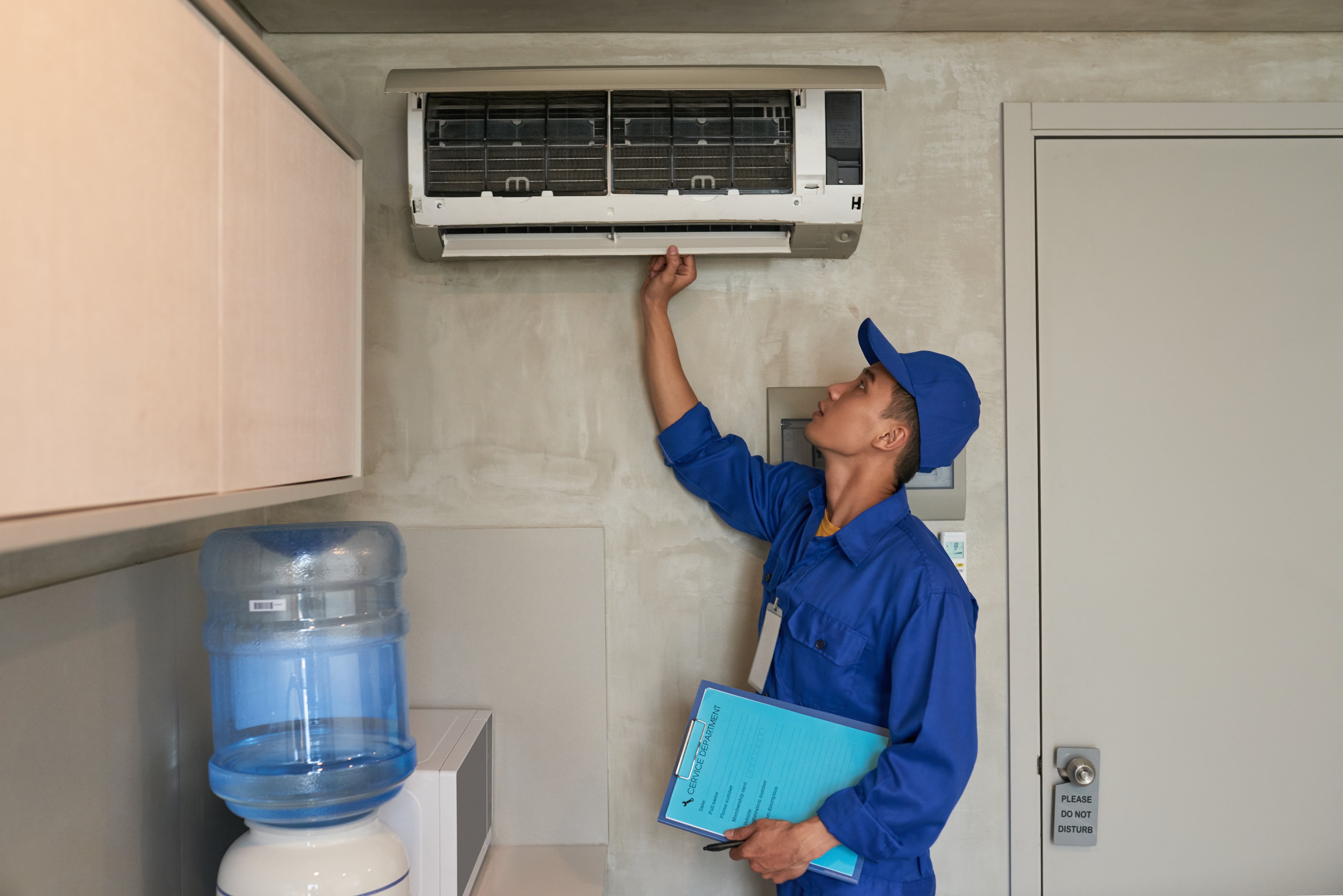
Mini Split Replacement in Greensburg, PA
Replacing an aging or inefficient mini split in Greensburg, PA ensures reliable year-round comfort and lower operating costs in a climate that swings from humid summers to cold, heating-intensive winters. Whether your existing system is failing, uses an outdated refrigerant, or can no longer meet desired comfort and efficiency levels, a professionally managed mini split replacement focuses on correct sizing, safe refrigerant recovery, and selecting the right single‑ or multi‑zone equipment for local homes and businesses.
Why Greensburg homes need timely mini split replacement
- Greensburg’s humid summers and cold winters place dual demands on heat pump technology. Older mini splits often lose efficiency faster here than in milder climates.
- Many local homes are older with mixed insulation and layout challenges. An undersized or end-of-life mini split can lead to uneven rooms, higher energy bills, and more frequent repairs.
- Modern mini splits provide efficient heating in shoulder seasons and reliable cooling during humidity peaks, making replacement a practical investment in comfort and energy savings.
Common reasons to replace a mini split
- Repeated compressor or inverter failures and rising repair frequency
- Low efficiency compared to modern SEER/HSPF2 ratings or discontinued refrigerants
- Leaking refrigerant or irreparable damage to outdoor/condenser units
- Inadequate capacity for added living spaces or remodeling projects
- Desire for quieter operation, better controls, or multi-zone flexibility
System assessment: what the inspection covers
A thorough pre-replacement assessment determines whether replacement is necessary and guides proper equipment selection:
- Performance evaluation: measure cooling and heating output, electrical draw, and indoor comfort patterns
- Visual inspection: assess indoor heads, outdoor condensing unit, line sets, and mounting hardware
- Refrigerant check: test for leaks and note refrigerant type—older systems may use phased-out refrigerants that require careful handling
- Load considerations: a basic load analysis considers home orientation, insulation, window areas, and occupancy to avoid undersizing or oversizing
Equipment selection: single‑ vs. multi‑zone and efficiency ratings
- Single‑zone units are ideal for one room or a small addition; multi‑zone systems serve multiple rooms with one outdoor compressor and multiple indoor heads.
- In Greensburg homes with multiple living areas or open-plan layouts, multi‑zone systems often provide better comfort control and energy use.
- Evaluate efficiency ratings: modern mini splits are labeled with SEER2 for cooling and HSPF2 for heating performance. Higher ratings generally mean lower operating costs—especially valuable through Greensburg’s long heating season.
- Consider features: variable-speed inverter compressors, smart controls, advanced filtration, and compatibility with existing thermostats or home automation.
Removal and refrigerant recovery
- Removal begins with a certified technician recovering refrigerant using EPA‑approved equipment. Proper recovery prevents environmental harm and ensures legal compliance.
- After refrigerant recovery, the old outdoor and indoor units are disconnected, and line sets and wiring are assessed for reuse or replacement.
- Disposal follows state and local requirements; refrigerant-containing components are handled separately from recyclable metals and plastics.
New unit sizing and layout considerations
- Accurate sizing is critical: a heat-load calculation (Manual J or equivalent) accounts for Greensburg’s climate, home insulation, and windows to determine the correct BTU capacity.
- Indoor head placement affects comfort and aesthetics: choose locations that promote even airflow, minimize drafts, and align with interior design.
- Line set length, route, and concealment should minimize visual impact while respecting manufacturer limits for refrigerant piping.
- Plan for condensate management, secure outdoor mounting, and electrical service upgrades if needed.
Estimated costs and financing options
- Replacement cost depends on system type (single vs multi‑zone), capacity, brand, necessary electrical or ductwork upgrades, and any permitting requirements in Westmoreland County.
- Many homeowners finance replacements through home improvement loans, energy‑efficiency lending programs, or manufacturer and installer financing plans. Local and state incentives, utility rebates, and federal efficiency credits may also be available for high‑efficiency heat pumps.
- Discussing financing early in the assessment helps tailor equipment choices to budget while maximizing long‑term savings.
Expected energy savings
- Replacing an end‑of‑life mini split with a modern, high‑efficiency unit typically yields noticeable energy savings and improved comfort. Savings depend on the age and condition of the old system, usage patterns, and home envelope improvements.
- Upgrades that include properly sized equipment, inverter technology, and improved controls usually reduce seasonal heating and cooling costs and deliver more consistent indoor temperatures through Greensburg’s transitional seasons.
Warranty, disposal, and environmental considerations
- New mini splits come with manufacturer warranties on compressors and parts; installers often provide labor warranties. Verify warranty lengths and coverage before purchase.
- Proper disposal of the old unit includes certified refrigerant recovery and recycling of metals. Disposal practices comply with Pennsylvania and federal environmental regulations to prevent refrigerant release and promote material recycling.
- Choosing equipment with modern refrigerants and higher efficiency contributes to reduced greenhouse gas emissions and aligns with broader clean‑energy trends.
Typical project timeline
- Initial assessment and load calculation: usually completed within a single visit.
- Equipment selection and permitting: may take a few days to a couple of weeks depending on permit schedules with local authorities.
- Removal and installation: single‑zone swaps often require one day; multi‑zone installations or cases needing electrical upgrades can take two to three days.
- Final inspection and commissioning: technicians recover and charge refrigerant, balance the system, and walk through controls—this final step ensures peak performance.
Post‑replacement tips and ongoing value
- Schedule seasonal checkups to maintain efficiency and extend system life. Regular filter changes, coil cleaning, and condensate drain inspections prevent common issues.
- Keep manufacturer documentation and warranty information accessible, and record installation details like refrigerant type and charge.
- Proper replacement enhances year‑round comfort, reduces repair interruptions, and stabilizes energy use in Greensburg’s variable climate.
FAQs
Q: How do I know if my mini split needs replacement rather than repair?
A: If your unit is older, requires frequent repairs, uses phased‑out refrigerant, or cannot maintain comfort despite repairs, replacement is often more cost‑effective. A professional assessment will outline repair vs replacement options.
Q: Will a new mini split handle Greensburg winters for heating?
A: Modern heat‑pump mini splits are designed to provide efficient heating in many cold‑climate situations. Proper sizing and selecting units rated for low‑temperature performance are important for consistent winter comfort.
Q: Do installers need permits for mini split replacement in Greensburg?
A: Permitting requirements can vary by municipality and Westmoreland County regulations. An installer familiar with local codes will advise on necessary permits and scheduling.
Q: Can my existing line sets and wiring be reused?
A: That depends on their condition, length, and compatibility with the new equipment. During assessment, technicians determine reuse viability or recommend replacement for reliability and performance.
Q: How long before I see energy savings after replacement?
A: Savings typically begin immediately once the new, efficient system is operational, but the magnitude depends on the prior system’s condition, your usage patterns, and any complementary home efficiency measures.
Q: What environmental safeguards are used during removal?
A: Certified technicians recover refrigerant using approved equipment, recycle salvageable materials, and dispose of waste per state and federal regulations to prevent emissions and contamination.