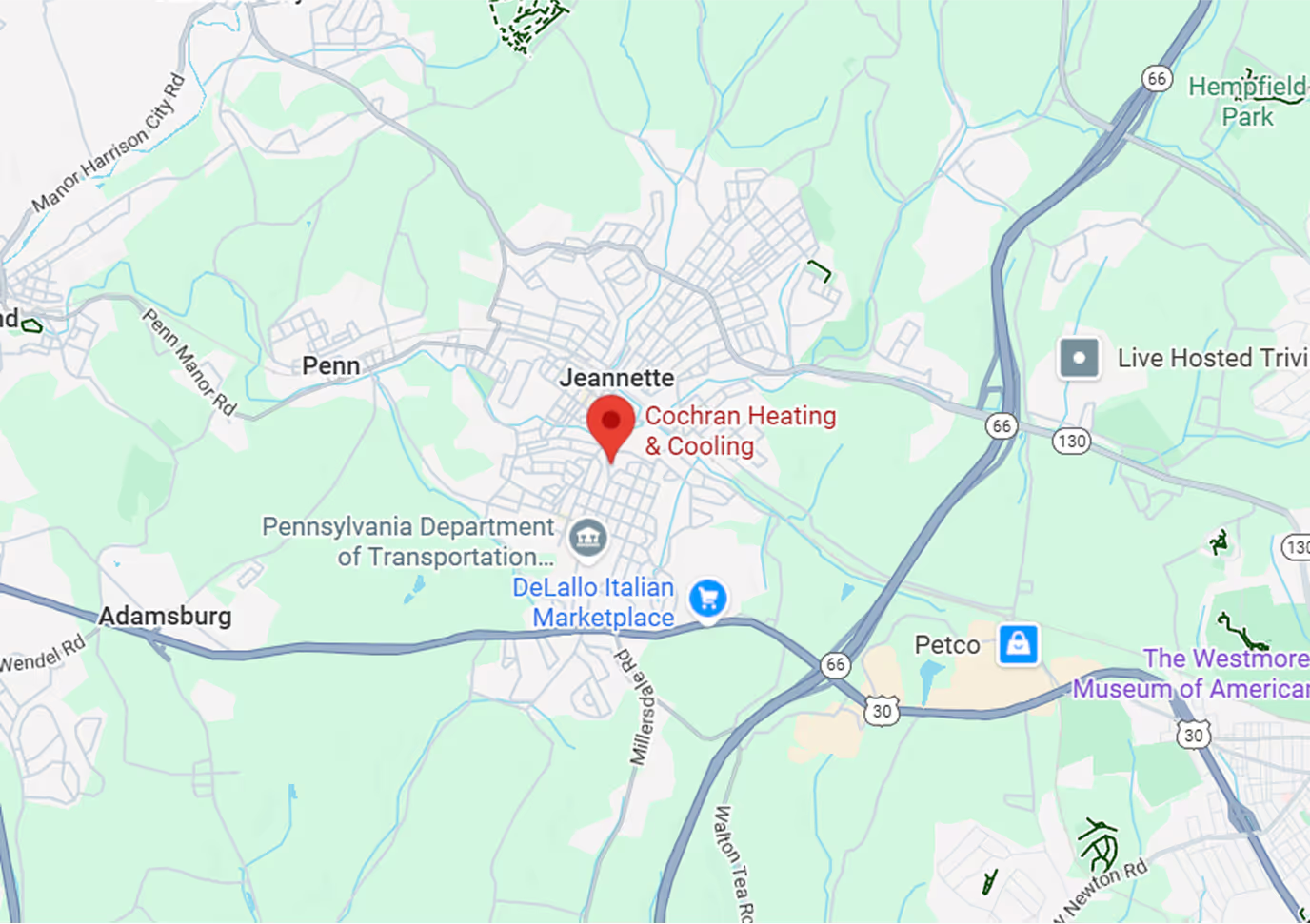
Water Heaters Installation in Manor, PA
Selecting and installing a new water heater is a significant investment for any homeowner, impacting comfort, safety, and energy efficiency. In Manor, PA, where cold winters increase hot water demand and local water quality can lead to scale buildup, a professionally planned and code-compliant installation is crucial. It ensures a reliable hot water supply, lower operating costs, and a long service life. Cochran HVAC provides detailed water heater installation services specifically tailored to Manor homes. This includes a thorough pre-installation site assessment, accurate sizing and model selection, permit handling, safe plumbing and venting work, comprehensive commissioning and testing, and clear guidance on post-installation care.
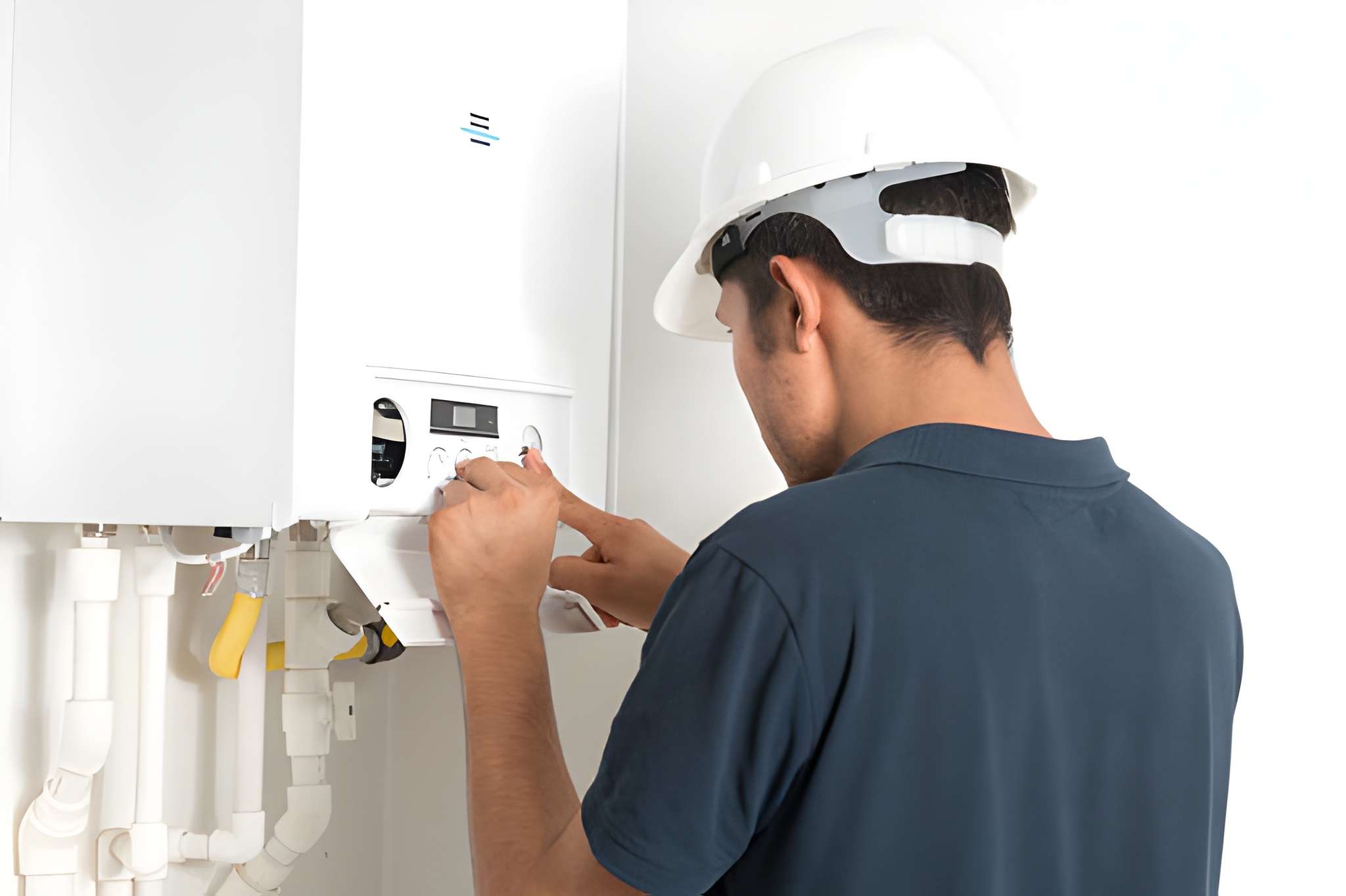
Water Heaters Installation in Manor, PA
Selecting and installing a new water heater is one of the most important home investments for comfort, safety, and energy efficiency. In Manor, PA, where cold winters increase hot water demand and local water quality can accelerate scale buildup, a professionally planned, code compliant installation ensures reliable hot water, lower operating costs, and long service life. Cochran HVAC provides detailed water heaters installation services tailored to Manor homes, including pre-installation site assessment, accurate sizing and model selection, permit handling, safe plumbing and venting work, commissioning and testing, and clear post-installation care guidance.
Why professional water heater installation matters in Manor, PA
Homeowners often underestimate how much proper installation affects performance and longevity. A poorly sized or improperly vented unit can lead to short cycling, premature failure, higher energy bills, unsafe venting, or voided warranties. Manor experiences seasonal extremes that influence hot water usage and freeze risk. Older homes may have outdated venting, cramped utility closets, or insufficient combustion air. Professional installers from Cochran HVAC account for these local realities to deliver an installation that meets safety codes, fits your home, and performs efficiently year round.
Common water heater issues in Manor homes
- Reduced hot water capacity during cold months due to increased demand and lower incoming water temperature.
- Short cycling from an oversized or undersized unit that cannot match household draw patterns.
- Sediment and scale buildup caused by hard water, reducing heat transfer and efficiency.
- Inadequate venting or improper combustion air in older utility spaces.
- Leaks from corroded tanks or failed connections.
- Electrical panel capacity limitations for electric or heat pump water heaters.
- Freeze vulnerability for outdoor or unvented units during harsh winter conditions.
Types of water heaters and what works best for Manor, PA
Choosing the right type of water heater depends on household hot water profile, energy preferences, space constraints, and local conditions like water hardness and winter temperatures. Cochran HVAC helps homeowners in Manor assess options objectively.
- Tank style (gas or electric): Familiar, cost effective to purchase, straightforward installation when space and venting already exist. Best for homes with steady, moderate hot water needs. Tank sizing must match family size to avoid cold showers in winter.
- Tankless (on demand): Provides continuous hot water and energy savings on low to moderate use. Sensitive to hard water and mineral buildup; requires water treatment in Manor if hardness is high. Electrical service or gas line capacity must be evaluated before installation.
- Hybrid heat pump water heaters: Highly efficient for energy savings, particularly in milder basement or conditioned attic spaces. Performance can decline in unconditioned spaces during Manor winters unless installed in a conditioned area.
- Condensing gas storage or high efficiency models: Good for homes with high hot water demand and available proper venting and condensate drainage.
Pre-installation site assessment: what we check
A thorough site assessment prevents surprises and sets expectations for installation time, materials, and permitting.
- Current unit evaluation: age, capacity, venting type, condition of connections, presence of leaks, and existing electrical or gas infrastructure.
- Utility access: gas meter size and gas line capacity, electrical panel capacity and breaker availability, and any need for service upgrades.
- Venting and combustion air: available chase, chimney condition, clearances to combustibles, and whether vent upgrades or a power vent will be required.
- Space and access: doorway widths, stairs, and clearances for moving the unit and future servicing.
- Structural considerations: floor load capacity for heavy storage tanks, possible need for drain pan and floor drain, and seismic strapping if required by local code.
- Water quality: hardness, sediment levels, and need for a water softener or filtration to protect tankless and heat exchange components.
- Freeze risk: location of piping and whether insulation or frost protection is necessary for outdoor or unheated installations.
- Local code and permit review: identify which permits and inspections the municipality requires for the proposed change out or new installation in Manor, PA.
Sizing and model selection made practical
Correct sizing optimizes performance. Cochran HVAC uses a straightforward approach to match equipment to real household demand.
- For storage tank units: consider First Hour Rating (FHR) and tank capacity. FHR reflects recovery and available hot water in the first hour of use. Typical guidance: 2 person household 30 to 40 gallon, 3 to 4 person 40 to 50 gallon, 5+ person 50 to 80 gallon depending on peak demand. Adjust upward for big bathtubs, simultaneous laundry, or high flow showerheads.
- For tankless systems: calculate peak flow rates in gallons per minute (GPM) and required temperature rise. Add up simultaneous draws (e.g., shower 2.5 GPM, dishwasher 1.5 GPM) to determine required GPM. Cold groundwater in Manor lowers inlet temperature in winter, increasing required temperature rise, which can reduce tankless output — plan accordingly.
- For hybrids and heat pump units: evaluate space for installation and expected operating temperature ranges. Heat pump water heaters perform best in moderately warm, well ventilated mechanical rooms.
- Efficiency and recovery: weigh recovery rate for tanks and energy factor (EF) or uniform energy factor (UEF) for newer models. Consider long term operating costs in Manor where heating demand is significant part of household energy use.
Code-compliant installation steps
A safe, compliant installation follows municipal, state, and national codes. Cochran HVAC adheres to applicable standards and coordinates required permits and inspections for Manor installations.
- Permit handling: file required applications with the local building department and schedule inspections. Proper permitting ensures the installation is reviewed and recorded with the township.
- Gas plumbing and hookup: sizing of gas lines, installation of shutoff valves, leak testing with approved methods, sediment trap installation for tankless units, and adherence to clearances around gas appliances.
- Electrical hookup: dedicate circuits for electric or heat pump units, appropriate breaker sizing, and GFCI or bonding where required. Verify panel capacity and add circuits or upgrades if necessary.
- Venting: install correct vent type and size for flue gases. For atmospheric vented gas units ensure chimney or flue integrity. High efficiency condensing or power vent units require condensate drains and proper slope. Mechanical venting must meet manufacturer requirements for length and termination.
- Combustion air: supply adequate combustion air in tight homes, coordinate ventilation openings or through the use of sealed combustion units as appropriate.
- Plumbing connections: install pressure relief valve and discharge piping, install dielectric unions where dissimilar metals meet, provide expansion tank for closed domestic water systems, and use approved materials for potable water.
- Drain pans and drip legs: install an overflow pan under tanks in conditioned spaces, and ensure drain piping from the pan complies with local code. For gas lines install sediment traps and union fittings per manufacturer guidance.
- Seismic and safety: secure tanks with straps where required by local code, and locate unit so that shutoffs are accessible.
Commissioning and testing procedures
After installation, a rigorous commissioning process ensures safety and peak performance.
- Visual inspection: confirm proper clearances, secure mounting, correct piping orientations, and appropriate vent terminations.
- Leak testing: check gas lines with a pressure test and water connections under operating pressure to confirm there are no leaks.
- Combustion analysis for gas units: measure CO, CO2, and combustion efficiency, and adjust gas pressure and burner settings to manufacturer specifications. This is especially important in tight Manor homes where carbon monoxide risk must be minimized.
- Electrical checks: confirm correct voltage, amperage draw, and proper breaker operation.
- Thermostat and control calibration: verify set point accuracy and check programmable features if present.
- Flow and temperature validation: run hot water at multiple fixtures simultaneously to validate delivery, temperature consistency, and recovery rates. For tankless systems, test at expected winter inlet temperatures to confirm real world performance.
- Condensate and drain checks: verify proper condensate removal and correct operation of condensate traps and vents for high efficiency systems.
- Safety device checks: operate and test temperature pressure relief valve, drain pan alarms if installed, and any pressure regulators or backflow prevention installed as part of the job.
- Documentation: provide the homeowner with labels for shutoffs, operating tips, and the manufacturer warranty registration instructions.
Post-installation care and maintenance in Manor conditions
Proper care prolongs service life and preserves efficiency, especially in communities like Manor where water quality and seasonal temperature swings present wear factors.
- Routine flushing for tanks: flush the tank at least once a year to remove sediment. If water hardness is high, increase the frequency to every 6 months.
- Anode rod inspection: check sacrificial anode rods every 1 to 3 years depending on water chemistry. Replace as needed to prevent tank corrosion.
- Tankless maintenance: schedule descaling annually or as recommended by water hardness. Replace inlet screens and check pressure sensors and flow sensors on a regular schedule.
- Heat pump and hybrid checks: keep the surrounding area clean and unobstructed for air flow; change or clean filters if present per manufacturer intervals.
- Insulation and freeze protection: insulate accessible hot and cold lines in unheated spaces, and consider trace heating or indoor relocation if pipes are at risk of freezing during Manor winters.
- Water softening: install a softener where recommended to protect heat exchangers and heating elements, particularly for tankless systems sensitive to limescale.
- Annual professional inspection: reserve a professional inspection and tune up annually to confirm efficiency, address small leaks or wear items before they cause failures, and verify all safety devices.
Warranties, registration, and financing options
Understanding warranty coverage and available payment options is essential to making an informed decision.
- Manufacturer warranties: most water heaters include manufacturer warranties covering specific components and tank failure for a defined period. Warranty length varies by model and must be registered as required by the manufacturer. Improper installation can void some warranty provisions.
- Labor warranties: Cochran HVAC provides labor warranty terms that protect against installation defects for a specified period following installation. Labor warranty scope and duration vary depending on the equipment installed and job scope.
- Extended protection plans: additional service plans or extended warranties may be available to cover routine maintenance and repairs beyond standard terms.
- Financing: flexible financing programs are commonly available for larger upgrades like tankless conversions or heat pump installations. Typical options include fixed term loans or deferred payment plans. Financing terms vary by product and homeowner eligibility. Cochran HVAC works with homeowners to outline typical financing structures so they can evaluate budget and long term savings.
- Warranty registration and records: register unit warranties with manufacturers promptly and maintain a copy of installation documentation, serial numbers, and service records to support any future claims.
Safety, efficiency, and long term value
Correct installation protects your family and your investment. A code-compliant installation reduces risk of gas leaks, combustion byproduct exposure, water damage, and premature equipment failure. Energy efficient choices and proper sizing reduce monthly operating costs. In Manor, where heating costs and freeze risk are significant, an efficiently installed water heater also reduces the likelihood of emergency breakdowns during peak need periods.
Typical installation scenarios and considerations for Manor homes
- Replacing a same type, same location tank: often straightforward but may require updated venting practices or new drip pan. Check for leak history, water quality, and need for expansion tanks.
- Upgrading to a tankless system: assess gas line and electrical capacity, consider buffer tanks for high simultaneous draws, and install whole house water softening if hardness is a concern. Expect more detailed venting or condensate management.
- Installing a hybrid heat pump unit: best in conditioned basements with adequate airflow. Consider local winter performance and backup electric elements for cold spells.
- Moving the water heater: involves additional plumbing and possibly routing of new venting or condensate lines. Permits are typically required and interior relocations can reduce freeze risk.
Practical savings and energy notes for Manor homeowners
- Energy factors and local fuel prices determine payback. In Manor, electric rates, natural gas availability, and seasonal heating loads factor into total cost of ownership. High efficiency models often recover their investment through lower energy bills over time.
- Tankless units offer fuel savings when household usage is intermittent but may not be the best fit for every family depending on peak simultaneous demand and water hardness.
- Heat pump water heaters can be highly efficient in the right space and climate, but verify winter performance if installed in unconditioned attics or crawlspaces common in Manor older homes.