

Water Heaters Repair in North Huntington, PA
When your water heater fails, it affects daily life immediately: no hot showers, cold dishwashing, and potential water damage if a leak is present. Cochran HVAC provides professional water heater repair in North Huntington, PA, focused on fast, safe diagnosis and long-lasting repairs. We address common problems North Huntington homes experience, provide skilled technicians to diagnose and repair them, replace parts as needed, offer emergency response options available around the clock, explain pricing and warranty coverage, and provide practical steps you can take to avoid future breakdowns.
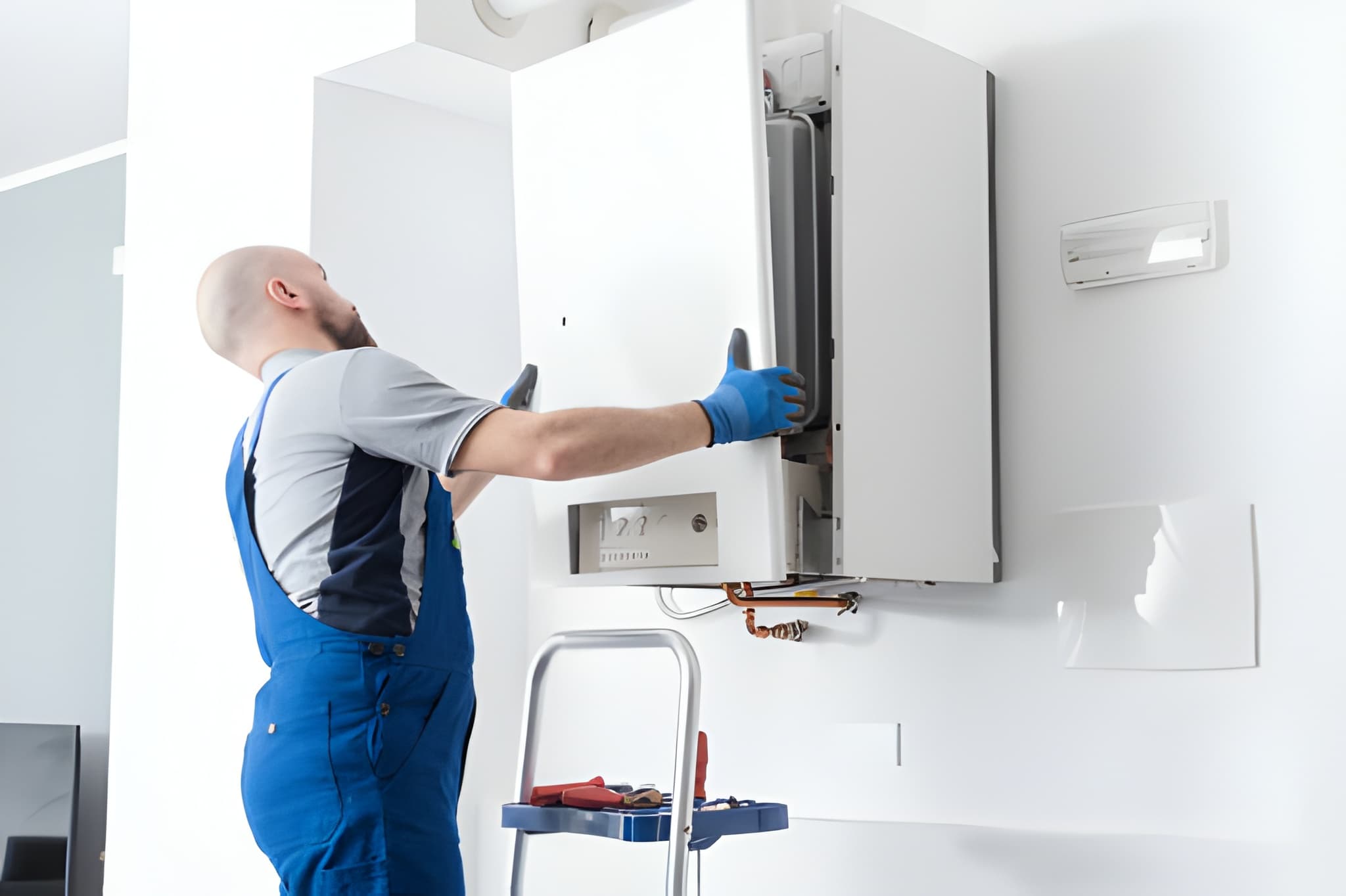
Water Heaters Repair in North Huntington, PA
When your water heater fails, it affects daily life immediately: no hot showers, cold dishwashing, and potential water damage if a leak is present. Cochran HVAC provides professional water heaters repair in North Huntington, PA, focused on fast, safe diagnosis and long-lasting repairs. This page explains the common problems North Huntington homes experience, how skilled technicians diagnose and repair them, what parts are typically replaced, emergency response options available around the clock, how pricing and warranty coverage work, and practical steps you can take to avoid future breakdowns.
Why timely water heater repair matters in North Huntington, PA
North Huntington experiences cold winters and seasonal temperature swings that increase hot water demand and the strain on water heating systems. Older homes in the area often have aging tanks or legacy equipment that are more prone to sediment buildup from local water conditions. Delaying repairs can lead to:
- Larger failures that require full replacement
- Higher energy bills from inefficient operation
- Water damage from leaks or ruptured tanks
- Safety hazards such as gas leaks, carbon monoxide risk, or electrical faults
Cochran HVAC approaches each service call with the local climate and housing stock in mind, so diagnostics and repairs match the real-world stresses North Huntington equipment faces.
Common water heater problems in North Huntington homes
Below are the most frequent reasons homeowners call for water heater repair, with insights on likely causes and what to expect during a service visit.
- No hot water
- Causes: tripped breaker or blown fuse for electric units; failed gas supply, closed gas valve, or ignition/pilot problems for gas units; failed thermostat or control board.
- Technician actions: verify power or gas supply, test thermostats and heating elements, inspect ignition and gas valves, perform combustion safety checks on gas systems.
- Insufficient or inconsistent hot water
- Causes: undersized tank, faulty thermostat, heating element failure, severe sediment buildup reducing tank capacity, or dip tube deterioration pulling cold water to the bottom of the tank.
- Technician actions: measure temperature rise, test elements and thermostats, inspect sediment and dip tube condition, evaluate tank sizing relative to household demand.
- Leaks or pooled water around the unit
- Causes: failing tank due to corrosion, loose fittings, leaking valves (T&P, drain, inlet/outlet), or failed internal components.
- Technician actions: identify leak source, test T&P valve, inspect welds and tank exterior for rust or pinhole leaks, check and torque fittings; advise on repair vs replacement if tank integrity is compromised.
- Strange noises (popping, rumbling)
- Causes: sediment accumulation on the bottom of the tank causing localized boiling and noise; loose components.
- Technician actions: inspect for sediment, flush the tank, test heating efficiency, suggest more frequent maintenance or a replacement if noise indicates advanced scaling.
- Pilot light or ignition failures (gas water heaters)
- Causes: thermocouple failure, clogged pilot orifice, faulty gas control valve, or problems with the gas supply.
- Technician actions: clean pilot assembly, test and replace thermocouple or gas control as needed, check gas line pressure and safety controls.
- Electrical issues on electric water heaters
- Causes: burned elements, faulty thermostats, tripped high-limit switches, or poor wiring and connections.
- Technician actions: test elements with a multimeter, verify thermostats and high-limit cutoffs, inspect wiring and terminals, replace defective components.
- Cloudy, discolored, or metallic-tasting hot water
- Causes: corrosion inside the tank or sacrificial anode depletion.
- Technician actions: analyze water discoloration, inspect and replace anode rod, determine if tank corrosion warrants replacement.
- High water bills or poor energy efficiency
- Causes: aging units losing efficiency, incorrect thermostat settings, continuous pilot lights, or sediment reducing heat transfer.
- Technician actions: measure tank recovery rate and temperature differential, inspect burners and insulation, recommend upgrades or repairs that restore efficiency.
Diagnostic and troubleshooting process
A thorough diagnostic separates temporary fixes from long-term solutions. Cochran HVAC technicians follow structured diagnostic steps to identify root causes and recommend the most cost-effective repair:
- Safety and isolation
- Turn off electrical supply or gas and water feeds as appropriate. Verify safe working conditions for inspection.
- Visual and operational inspection
- Check for obvious leaks, corrosion, improper venting, or damage. Observe pilot/ignition operation, listen for abnormal sounds, and note temperature settings and customer complaints.
- Electrical and gas system checks
- For electric heaters: test power at the unit, inspect breakers, test thermostats and heating elements with a multimeter.
- For gas heaters: verify gas supply and pressure, inspect burner assembly, pilot or electronic ignition, and test the gas control valve operation.
- Pressure and safety component evaluation
- Test the temperature-pressure (T&P) relief valve and check for blocked drains or overflow. Inspect pressure regulator if present.
- Internal condition assessment
- Drain a portion of the tank to evaluate sediment and anode rod condition. Inspect dip tube if accessible.
- Leak source identification
- Trace leaks to fittings, valves, or tank body. Small pinhole leaks in the tank usually indicate end of life.
- Performance and efficiency measurement
- Determine recovery time and heat transfer efficiency. Compare observed performance with expected standards for your model and age.
After diagnostics, technicians document findings, explain repair options, and outline pros and cons of repair versus replacement based on safety, cost-effectiveness, and anticipated remaining service life.
Typical parts replaced during repairs
Common parts that fail and are routinely replaced during water heater repairs include:
- Heating elements (electric units)
- Thermostats and high-limit switches
- Gas control valves and thermocouples (gas units)
- Ignition assemblies or electronic ignition modules
- Temperature-pressure relief valves
- Drain valves and inlet/outlet fittings
- Anode rods and dip tubes
- Expansion tanks and pressure regulators
- Burner assemblies and pilot orifices
- Control boards and sensors for smart or hybrid units
Technicians use industry-standard replacement parts. When parts are replaced, Cochran HVAC documents the make and model to preserve warranty coverage and future serviceability.
Repair workflow: what a professional repair includes
A proper repair visit balances speed with safety and durability. Typical repair steps are:
- Confirm customer concerns and symptoms, then perform the diagnostic sequence described above.
- Isolate the unit and relieve pressure before any disassembly.
- Replace failed components with quality parts and follow manufacturer torque and wiring specifications.
- Flush and purge the tank if sediment is present or after replacing elements and sensors.
- Reassemble, refill, and restore power or gas; re-light pilots and verify combustion safety for gas appliances.
- Test for leaks and validate operating temperatures and recovery rates.
- Provide written documentation of work performed, parts installed, and any recommended follow-up actions.
All work is performed according to local codes and best practices to protect safety and system longevity.
24/7 emergency response and winter considerations
Water heater failures are often emergencies, especially during North Huntington winters when freeze risk and high hot water demand can create unsafe conditions. Cochran HVAC offers emergency response options to stabilize your home:
- Rapid assessment to identify immediate hazards such as active gas leaks, electrical faults, or major water leaks.
- Temporary measures such as shutting off water to a leaking tank, capping lines, or restoring hot water via temporary electric heater hookup when safe.
- Priority scheduling for repairs that cannot wait until normal business hours.
Winter-specific issues North Huntington homeowners should watch for include frozen exterior lines, burst relief valves due to thermal stress, and accelerated sedimentation from fluctuating water temperatures. Prompt emergency care prevents water damage, reduces the risk of frozen pipes, and restores basic hot water needs.
Pricing structure and what affects repair cost
Transparent pricing helps you choose a repair path that matches your budget and long-term needs. Typical components of water heater repair pricing include:
- Diagnostic or service call fee: covers the technician visit and initial diagnosis; often applied toward the cost of repair if performed.
- Labor: usually billed by the job or by an hourly labor rate depending on the scope and time required.
- Parts: cost varies by type and brand of part—OEM parts typically cost more than aftermarket equivalents but can affect warranty coverage.
- Emergency or after-hours service fees: repairs outside regular hours carry a premium to ensure rapid response.
- Disposal and environmental fees: tank disposal and recycling may include a small charge.
Factors that increase repair cost:
- Age and accessibility of the unit (older tanks and tight closets increase labor time).
- Complexity of repairs (e.g., replacing a gas control valve or internal components).
- Need for code-compliant upgrades (pressure relief piping, venting repairs).
- Extensive corrosion or tank failure that necessitates replacement rather than repair.
When possible, Cochran HVAC provides itemized estimates that separate parts and labor so you can understand exactly what you are paying for and why a replacement may be the more economical long-term choice.
Warranty and guarantee information
Warranties protect your investment and provide peace of mind. Typical warranty elements to expect:
- Manufacturer part warranties: many replacement parts and water heaters carry a manufacturer warranty that covers defects for a specified term. Coverage varies by brand and model.
- Labor warranties from the service provider: Cochran HVAC documents labor warranties on repairs where applicable, covering workmanship for a defined period. Labor warranty length depends on the type of repair performed.
- Combined warranties: When both parts and labor apply, warranty responsibilities may be split between the manufacturer and the service provider. Cochran HVAC clarifies which warranty covers which component.
Important warranty considerations:
- Using OEM parts versus aftermarket parts can affect the remaining manufacturer warranty.
- Improper installation, lack of maintenance, or unauthorized modifications can void warranties.
- Regular maintenance is often required to maintain certain warranty terms.
Technicians provide warranty documentation for installed parts and specify any routine maintenance required to keep warranties valid.
Repair versus replacement: how to decide
Repairing a water heater can be cost-effective when the failure involves a replaceable component and the unit still has significant remaining life. Replacement becomes the better choice when:
- The tank is leaking from corrosion or has multiple internal failures.
- Repair costs approach a significant portion of a new unit cost.
- The unit is beyond its expected service life (typical tank water heaters last 8 to 12 years; tanks in local hard water conditions may age faster).
- Efficiency gains from a modern unit (lower operating cost) justify replacement.
Technicians present a clear comparison that includes estimated remaining life, expected performance after repair, energy efficiency considerations, and total cost of ownership.
Preventive maintenance to avoid future breakdowns
Regular maintenance dramatically reduces unplanned repairs and extends equipment life. Key preventive steps for North Huntington homeowners include:
- Annual flush: draining a portion or fully flushing the tank to remove sediment that reduces heat transfer and causes noises and element failure.
- Inspect and replace the sacrificial anode rod every 2 to 5 years depending on water quality.
- Test the temperature-pressure relief valve annually for proper function.
- Check and adjust thermostat settings; set to 120 degrees Fahrenheit to balance scalding risk and energy use.
- Insulate hot water pipes and consider insulating the tank in unconditioned spaces to reduce standby loss.
- Monitor for early signs of leaks, corrosion, or rust-colored water and address issues promptly.
- For homes with hard water, consider a water softener to reduce scale buildup in tanks and on heating elements.
- Schedule professional inspections to verify combustion safety on gas units and check electrical connections on electric systems.
Consistency with maintenance in a North Huntington climate significantly reduces winter failures and preserves unit efficiency.
Why professional repair matters and Cochran HVAC expertise
Attempting DIY fixes on water heaters can lead to safety hazards, improper repairs, and voided warranties. Professional technicians bring training, proper tools, and code knowledge necessary to:
- Diagnose with accuracy to fix root causes rather than symptoms
- Ensure safe handling of gas, combustion, and electrical systems
- Preserve warranty coverage through correct part selection and installation
- Provide documented repairs and clear next-step recommendations based on long-term reliability
Cochran HVAC technicians are familiar with the local service conditions in North Huntington, PA, including common models used in area homes, typical failure modes from local water quality and temperature patterns, and code requirements for safe installations and repairs.
