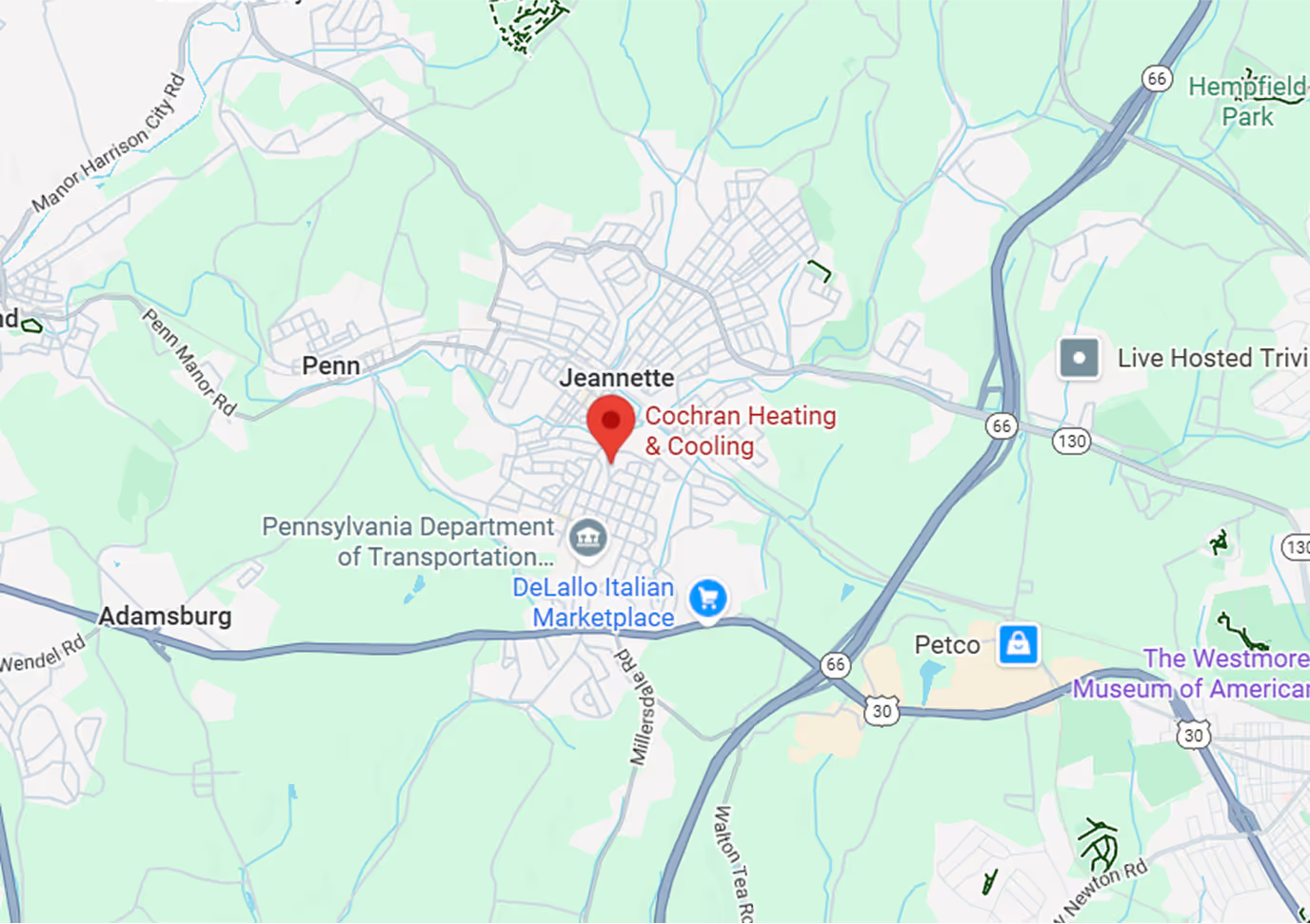
Water Heaters Repair in Scottsdale, PA
A malfunctioning water heater disrupts daily life and can cause costly water damage if not resolved quickly and correctly. In Scottsdale, PA, where cold winters increase demand for reliable hot water and regional water quality can accelerate wear, understanding common problems, accurate diagnostics, and dependable repair options is essential. Cochran HVAC provides experienced water heater repair services that address the root cause of failures, prioritize safety, and aim to restore reliable hot water with long-term performance in mind.
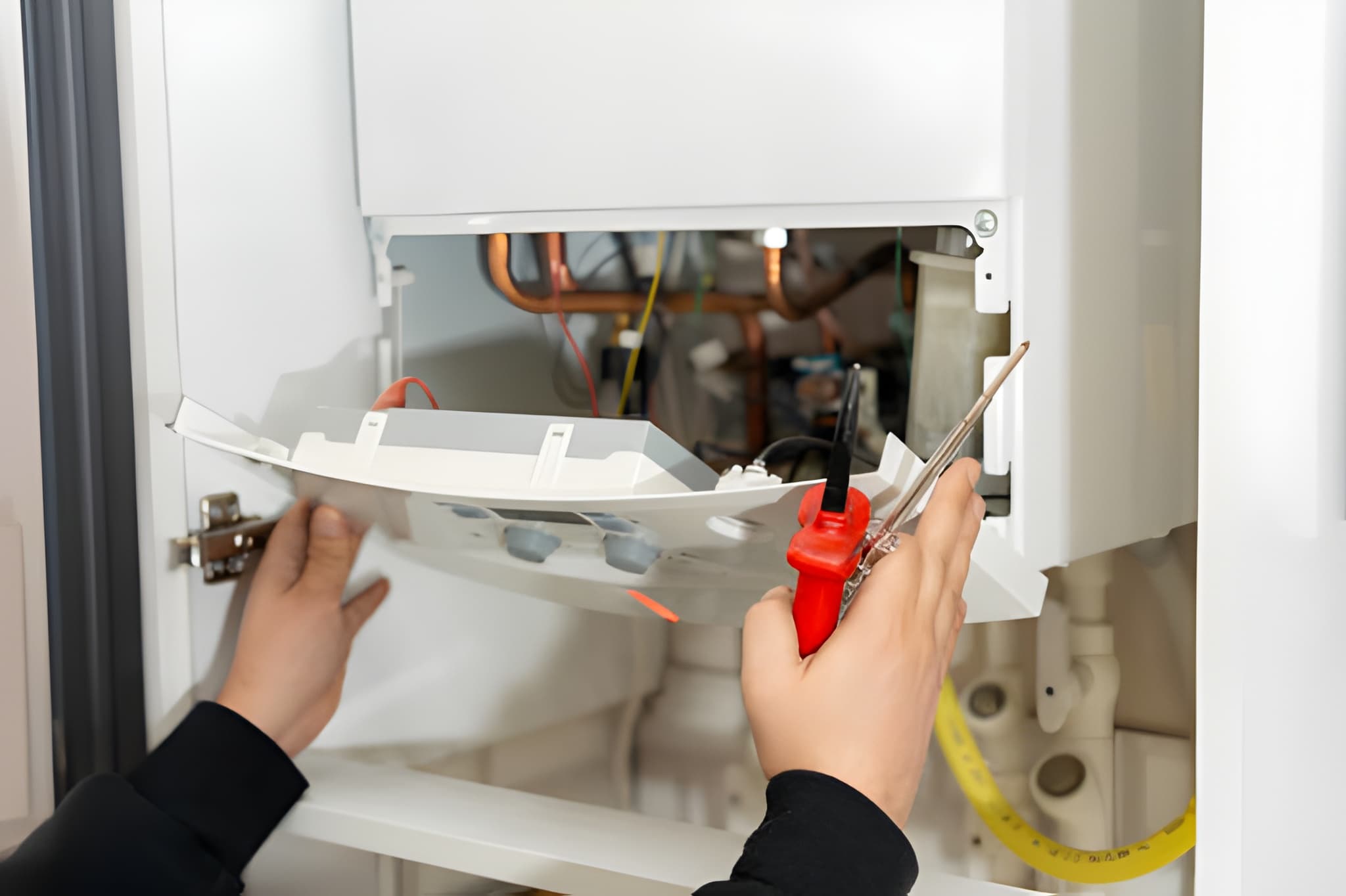
Water Heaters Repair in Scottsdale, PA
A malfunctioning water heater disrupts daily life and can cause costly water damage if not resolved quickly and correctly. In Scottsdale, PA, where cold winters increase demand for reliable hot water and regional water quality can accelerate wear, understanding common problems, accurate diagnostics, and dependable repair options is essential. Cochran HVAC provides experienced water heater repair services that address the root cause of failures, prioritize safety, and aim to restore reliable hot water with long term performance in mind.
Why timely water heater repair matters in Scottsdale, PA
Scottsdale experiences colder months and seasonal temperature swings that increase strain on water heaters. Homes with older systems, closet installations, or unconditioned basements are at higher risk for freezes, tank stress, and accelerated rust. In addition, higher mineral content in local ground and municipal water contributes to sediment and scale buildup inside tanks and on heating elements. Prompt repair prevents small issues from becoming emergencies, reduces energy waste, and limits the chance of leaks that can damage floors and walls.
Common water heater problems in Scottsdale, PA homes
Below are the most frequent issues technicians encounter on service calls, with a brief explanation of what each symptom usually indicates.
- No hot water
- Often caused by a failed heating element on electric units, a bad thermostat, a tripped circuit breaker, or a failed gas valve or ignition system on gas units.
- Not enough hot water or short hot water supply
- Could be due to a failing heating element, incorrect thermostat setting, sediment buildup reducing tank capacity, or a broken dip tube that sends cold water to the top of the tank.
- Inconsistent temperature or water that is too hot
- Typically a thermostat or control problem, or incorrect thermostat calibration.
- Leaks around the tank
- External connections, valves, or the tank itself can leak. A leaking tank is usually a sign the tank lining has failed and the unit may need replacement.
- Sediment buildup and noisy operation
- Sediment collects on the bottom of storage tanks, causing rumbling, popping sounds and reducing heating efficiency.
- Pilot light or ignition issues (gas units)
- Thermocouple, pilot assembly, gas control valve, or electronic ignition failures prevent the burner from staying lit.
- Water discoloration or metallic taste
- Rust inside the tank or decayed anode rod causing corrosion.
- Pressure relief valve discharge or leaking
- Overpressure, thermal expansion problems, or valve failure.
- Slow recovery or longer wait between hot water cycles
- Aging elements, sediment, or improper tank sizing for household demand.
How Cochran HVAC diagnoses water heater problems
A precise diagnosis is the foundation of a reliable repair. Cochran HVAC technicians follow a systematic troubleshooting process to identify the underlying cause while protecting your home and system.
- Initial visual inspection
- Check for external leaks, corrosion, loose fittings, and the overall condition and installation of the unit.
- Safety checks
- Verify combustion air, venting, gas line safety on gas models, and proper power supply on electric units before proceeding.
- Operational testing
- Confirm whether burners, pilot lights, or heating elements engage. Measure outlet water temperature and tank temperature at multiple points.
- Electrical and gas diagnostics
- Test elements, thermostats, wiring, breakers, and gas valve operation. Use combustion analyzers when needed to verify proper burner performance and venting.
- Sediment and internal inspection
- Drain a portion or fully flush the tank to check for sediment accumulation. Inspect the anode rod condition when accessible.
- Leak source tracing
- Isolate leaks to a specific fitting, valve, or the tank body using moisture meters and pressure testing.
- Documentation and repair options
- Provide a clear explanation of findings, outline repair options, list parts that need replacement, and advise on long term considerations such as tank age and remaining service life.
Technicians carry diagnostic tools and common replacement parts to speed repairs and reduce the likelihood of return visits. Cochran HVAC emphasizes transparent explanations of what failed and why, so homeowners can make informed decisions.
Typical repair options and parts commonly replaced
Repair choices depend on unit type, age, extent of damage, and safety considerations. Below are common repairs and parts replaced during water heater service.
- Heating element replacement (electric units)
- Elements corrode and fail with age or due to sediment buildup. Replacing single or both elements often restores function.
- Thermostat replacement
- Faulty thermostats cause temperature irregularities and are routinely replaced when inaccurate or unresponsive.
- Anode rod replacement
- The sacrificial anode rod protects the tank from corrosion. Replacing it prolongs tank life.
- Dip tube replacement
- A broken dip tube causes premature cold water mixing and reduced hot water delivery.
- Pressure relief valve replacement
- T&P valves that leak or fail to open under test are replaced for safety.
- Thermocouple or pilot assembly replacement (gas)
- Thermocouple failures prevent burners from remaining lit. New components restore reliable ignition.
- Gas control valve or gas regulator replacement
- When the gas valve or regulator malfunctions, the burner cannot operate safely.
- Ignition module and sequencing control replacement
- Modern gas units have electronic ignition controls that sometimes require replacement.
- Tank patching and fitting repairs
- Minor external fitting leaks can be repaired; significant tank leaks often indicate replacement is necessary.
- Drain valve replacement
- A leaking drain valve is an inexpensive and common repair.
- Flue and vent repairs
- Damaged venting needs immediate correction to maintain safe combustion exhaust.
When parts are replaced, technicians will often test the rest of the system to ensure the repair is durable and will not be compromised by related failures.
Repair versus replacement: how the decision is made
Deciding whether to repair or replace a water heater involves evaluating several factors:
- Age of the unit
- Older tanks near or past their expected service life are less likely to be economical to repair.
- Nature and size of the problem
- A failed heating element is a straightforward repair. A leaking or corroded tank usually requires replacement.
- Frequency and cost of prior repairs
- Multiple recent repairs indicate an aging system that may be better replaced.
- Energy efficiency and performance needs
- Newer models provide improved efficiency and faster recovery, which can be beneficial if the unit runs constantly.
- Manufacturer warranty status
- If the tank or specific parts are under warranty, replacement or covered repairs may be possible.
Cochran HVAC technicians present objective assessments that weigh immediate repair needs against long term value and reliability so Scottsdale homeowners can make an informed decision.
Emergency response and safety-first handling
Water heater failures present safety risks including gas leaks, carbon monoxide, or water damage. Emergency situations are treated with priority to protect occupants and property.
- Immediate safety steps
- If there is standing water, turn off electrical at the breaker. For suspected gas leaks, turn off the gas supply at the appliance shutoff and evacuate the premises, then follow local emergency guidance. Technicians prioritize isolating hazards before performing repairs.
- Rapid evaluation
- Emergency service begins with a focused assessment to determine whether the situation requires immediate shutdown, temporary containment, or can wait for scheduled service.
- Temporary solutions
- When full repair is not possible immediately, temporary measures such as isolation valves, temporary ignition fixes, or safe power disconnection may be provided to prevent further damage.
- Follow up with a robust repair plan
- After stabilizing the situation, technicians outline next steps for complete repair or replacement with attention to safety and code compliance.
Cochran HVAC’s approach is to address hazards first, then restore hot water with repairs that meet current safety standards.
What to expect on repair day: timelines and process
Knowing what happens during a repair appointment reduces disruption and sets realistic expectations.
- Diagnostic phase
- Technicians typically spend 30 to 90 minutes diagnosing the unit, depending on complexity and accessibility.
- Common repair durations
- Minor repairs such as replacing a thermostat, element, or valve can often be completed within 1 to 3 hours.
- More involved repairs like replacing a gas control valve, ignition module, or multiple components may require 2 to 4 hours and additional testing.
- If a part needs to be ordered or a replacement tank is required, it may take additional time for procurement and scheduling.
- Testing and verification
- After repairs, technicians verify proper operation, test for leaks, confirm safe venting and combustion for gas appliances, and recheck electrical connections.
- Clean up and documentation
- Work areas are left tidy and technicians document repairs and parts replaced for the homeowner’s records.
These timelines reflect typical scenarios; individual cases can vary based on unit location, access, and part availability.
Warranty information and workmanship assurance
Understanding warranty coverage protects homeowners and clarifies expectations after a repair.
- Manufacturer warranties
- Many water heaters carry manufacturer warranties that cover tanks and select components for specified periods. Coverage varies by model and may be prorated as the unit ages.
- Service and parts warranties
- Repaired parts and labor performed by a licensed service provider are commonly covered by a service warranty that promises repair of the same issue within a defined window.
- Warranty validation considerations
- Using a certified technician and maintaining service records helps preserve manufacturer warranties. DIY repairs or unauthorized parts can void coverage.
- Documentation
- Technicians provide documentation of work performed and any parts replaced to assist with warranty claims and for future maintenance records.
Cochran HVAC technicians install parts that meet manufacturer specifications and provide clear documentation so homeowners know what is covered and for how long.
Maintenance practices to extend water heater life in Scottsdale, PA
Regular maintenance is the most effective way to prevent emergency repairs and extend a water heater’s useful life, particularly in areas with hard water and seasonal temperature extremes.
- Annual tank flush
- Flushing the tank once a year removes sediment that causes noise, reduces efficiency, and shortens component life.
- Inspect and replace anode rod as needed
- Check the sacrificial anode every 1 to 3 years; replace it when depleted to prevent tank corrosion.
- Test the temperature and pressure relief valve
- Lift the valve test lever to verify proper operation and safe discharge. Replace a malfunctioning valve promptly.
- Adjust thermostat settings
- Set the thermostat to 120 degrees Fahrenheit for safe hot water temperature and energy efficiency.
- Consider water treatment
- If Scottsdale area water hardness is an issue, installing a water softener reduces scale buildup and prolongs heater life.
- Insulate tank and hot water pipes
- Proper insulation reduces standby heat loss and helps maintain consistent water temperatures.
- Maintain proper venting and combustion air
- Ensure vents and combustion air openings are clear, especially after winter storms or renovations.
- Schedule regular professional inspections
- A licensed technician can identify early signs of trouble and perform preventative maintenance tailored to local conditions.
Implementing these steps helps prevent premature failures caused by sediment, corrosion, and thermal stress common in this region.
Benefits of timely repair and maintenance
When homeowners address water heater issues early, they avoid larger problems and enjoy tangible benefits.
- Improved safety and reduced risk of leaks or combustion hazards
- Better energy efficiency and lower utility waste
- Longer equipment life and deferment of replacement costs
- Fewer emergency repairs and less disruption to daily routines
- Improved water quality and consistent hot water delivery
Timely, expert repairs also preserve warranty coverage and maintain code-compliant operation.
Why Cochran HVAC for water heater repair in Scottsdale, PA
Cochran HVAC brings local knowledge and years of service experience to residential hot water systems in Scottsdale, PA. Our technicians are trained to diagnose root causes accurately, recommend repair or replacement options based on real-world performance and safety considerations, and perform work that follows industry best practices and local codes. We understand how seasonal temperature swings and regional water conditions affect water heaters and factor those conditions into repair and maintenance recommendations.
Technicians carry quality replacement parts, use diagnostic equipment to validate repairs, and document work so homeowners have a clear record. This expertise helps Scottsdale homeowners make confident decisions about their water heaters while minimizing the risk of recurring issues.