Water Heaters Replacement in West Newton, PA
Replacing a failing water heater is a major household decision for West Newton, PA homeowners. Cold winters, older housing stock, and the need for reliable hot water for daily tasks make the right replacement critical for comfort and long-term energy savings. Cochran HVAC understands this, and we're here to help. We'll explain how our technicians evaluate repair versus replacement, guide you through choosing between tank and tankless or high-efficiency systems, discuss energy and cost considerations, and outline the removal and disposal process. We'll also cover warranty and financing options, and walk you through the step-by-step replacement process, from the initial estimate to the final testing.
Water Heaters Replacement in West Newton, PA
Replacing a failing water heater is a major household decision for West Newton, PA homeowners. Cold winters, older housing stock, and the need for reliable hot water for daily tasks make the right replacement critical for comfort and long-term energy savings. This page explains how technicians evaluate repair versus replacement, how to choose between tank and tankless or high-efficiency systems, energy and cost considerations, removal and disposal, warranty and financing options, and the step-by-step replacement process from estimate to final testing.
Common water heater problems in West Newton homes
- Age and decreased performance: Most traditional tank water heaters show reduced capacity and slower recovery after 8 to 15 years. Older units commonly run out of hot water during winter when demand rises.
- Leaks and corrosion: Visible leaks, pooling around the base, or rusty water indicate tank or connection failure and usually require replacement rather than repair.
- Strange noises: Popping or rumbling often means heavy sediment buildup that reduces heat transfer and shortens tank life.
- Inconsistent temperatures: Fluctuating hot water can signal failing thermostats, heating elements, or sediment issues that may justify replacement if recurring.
- High operating cost: Units with poor efficiency or failing components raise utility bills, especially in areas with cold groundwater like West Newton.
How technicians decide repair versus replacement
Technicians evaluate several factors to recommend repair or replacement:
- Age of the unit: If the water heater is near or beyond its expected lifespan, replacement is usually more cost effective than repeated repairs.
- Extent of damage: Internal tank corrosion or a failed heat exchanger typically requires replacement because repairs are temporary or unsafe.
- Repair cost versus remaining life: A common rule is if repair costs exceed 50 percent of a new unit and the heater is older, replacement is recommended.
- Efficiency and fuel type: Upgrading to a more efficient model can provide measurable long-term savings that change the economics of replacement.
- Local code and safety concerns: If venting, gas piping, or electrical connections are outdated or noncompliant, replacement coupled with necessary upgrades may be required to meet local codes.
Choosing tank, tankless, or high-efficiency models
Selecting the right system depends on household needs, fuel availability, and long-term goals.
Tank water heaters
- Best for predictable, simultaneous high-demand scenarios like multiple bathrooms in use.
- Lower upfront cost and simpler installation in many homes.
- Consider higher insulation and larger tanks if winters increase hot water demand.
Tankless (on-demand) water heaters
- Provide continuous hot water, reduce standby losses, and can be more energy efficient for smaller households or intermittent use.
- Require proper sizing by flow rate and temperature rise; multiple units or high-capacity models may be necessary for whole-house use.
- Installation can involve higher upfront cost and potential venting or gas line upgrades.
High-efficiency alternatives
- Heat pump water heaters and condensing gas models can reduce operating costs significantly in the right settings.
- Heat pump units perform best in conditioned spaces with moderate ambient temperatures; West Newton basements may be suitable if space and ventilation allow.
- Consider hybrid systems for balance between efficiency and capacity.
Energy-efficiency and cost-savings considerations
- Evaluate the unit using UEF or energy factor as a guide to efficiency; higher values mean lower operating costs.
- Fuel choice matters: natural gas, electricity, and propane have different price dynamics in Pennsylvania. Matching the most economical fuel source to a high-efficiency model yields the best savings.
- Consider lifecycle cost rather than upfront price: efficiency gains, expected lifespan, and maintenance needs affect total ownership cost.
- Insulation, thermostat settings (120 degrees Fahrenheit recommended for households with children or elderly), and recirculation controls for faster hot water delivery also reduce waste and improve comfort.
Removal and disposal of old units
Safe, code-compliant removal is part of responsible replacement.
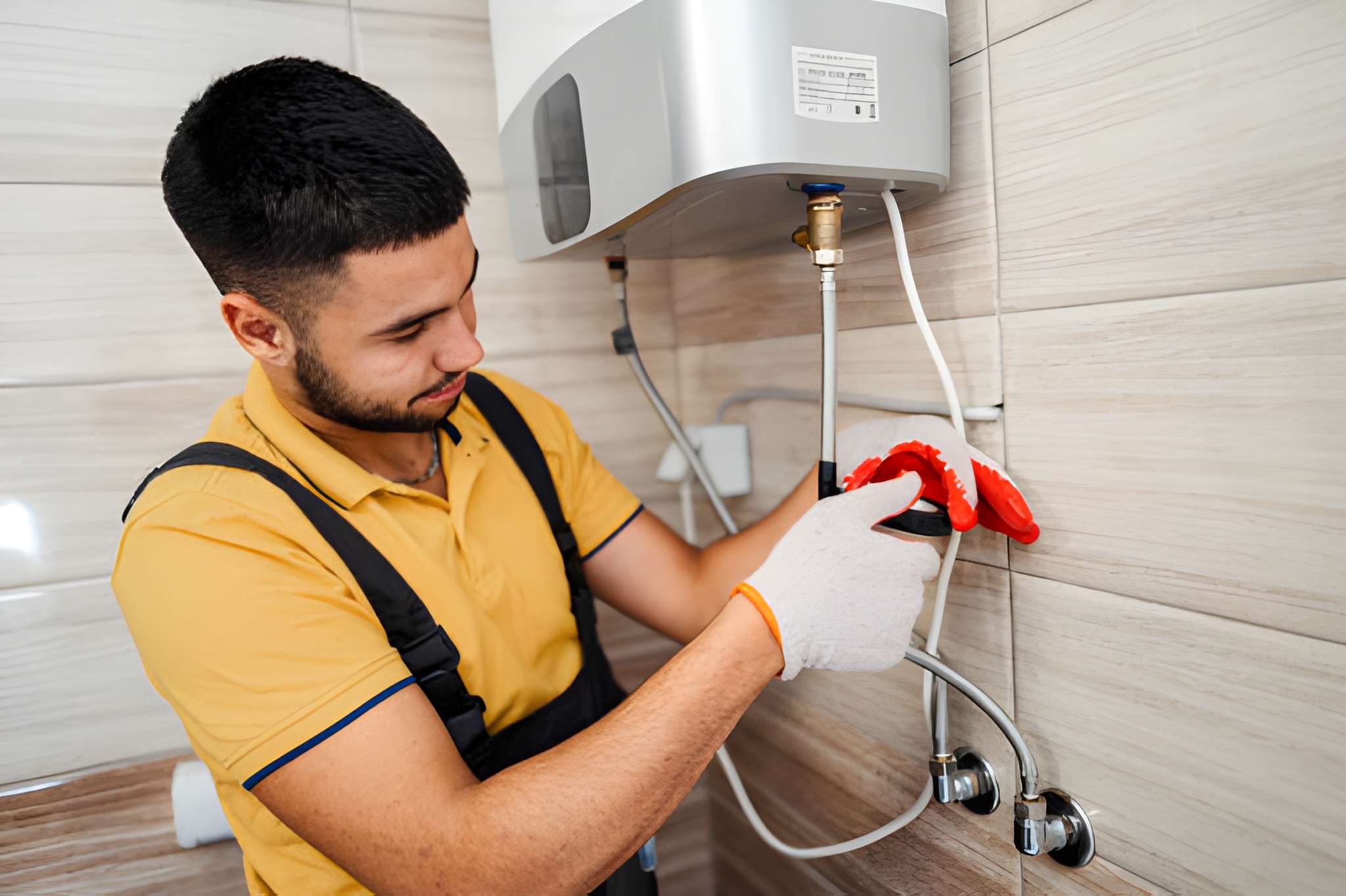
- Technicians drain and disconnect units, safely cap gas or electrical lines, and handle flammable components.
- Older tanks may contain hazardous residues; proper disposal and recycling reduce environmental impact.
- Permits and municipal disposal rules in Westmoreland County or local West Newton authorities are followed where required to ensure compliance.
Warranties and financing options
- Manufacturer warranties typically cover parts for a set period, commonly 3 to 12 years depending on model and component. Extended warranties may be available for higher-end units.
- Workmanship warranties cover installation-related issues for a separate term and are important for peace of mind.
- Financing options often include low-interest loans, payment plans, or energy program financing through third-party providers or local utility incentives. Homeowners should review terms, repayment schedules, and any available rebates or incentive programs that reduce upfront cost.
Replacement process from estimate to final testing
- On-site inspection and load assessment: Technician reviews existing system, runs simple tests, and performs a hot water demand calculation for your household.
- Written estimate and options: Clear comparisons of repair versus replacement and multiple system options with efficiency and lifecycle implications.
- Permits and scheduling: Pull required permits and schedule work to align with local inspection availability.
- Preparation: Area cleared, and safety precautions set; gas or electrical supply isolated.
- Removal: Old unit drained, disconnected, and removed following disposal rules.
- Installation: New unit sited, secured, and connected to gas, electric, water, and venting per code. Upgrades to piping, venting, or gas lines performed if needed.
- Start-up and commissioning: System filled, bled of air, and powered up. Combustion and vent tests for gas units, element checks for electric models.
- Final testing and homeowner review: Leak checks, temperature verification, and a walk-through explaining operation, maintenance schedules, and warranty paperwork.
Benefits of timely replacement and maintenance tips
Replacing an aging water heater improves reliability, safety, and energy bills while reducing the risk of sudden leaks and water damage. To extend the life of any new system:
- Flush tank-style heaters annually to reduce sediment.
- Inspect and replace the sacrificial anode rod as recommended to prevent corrosion.
- Test the pressure relief valve periodically.
- Keep venting and combustion air clear for gas units.