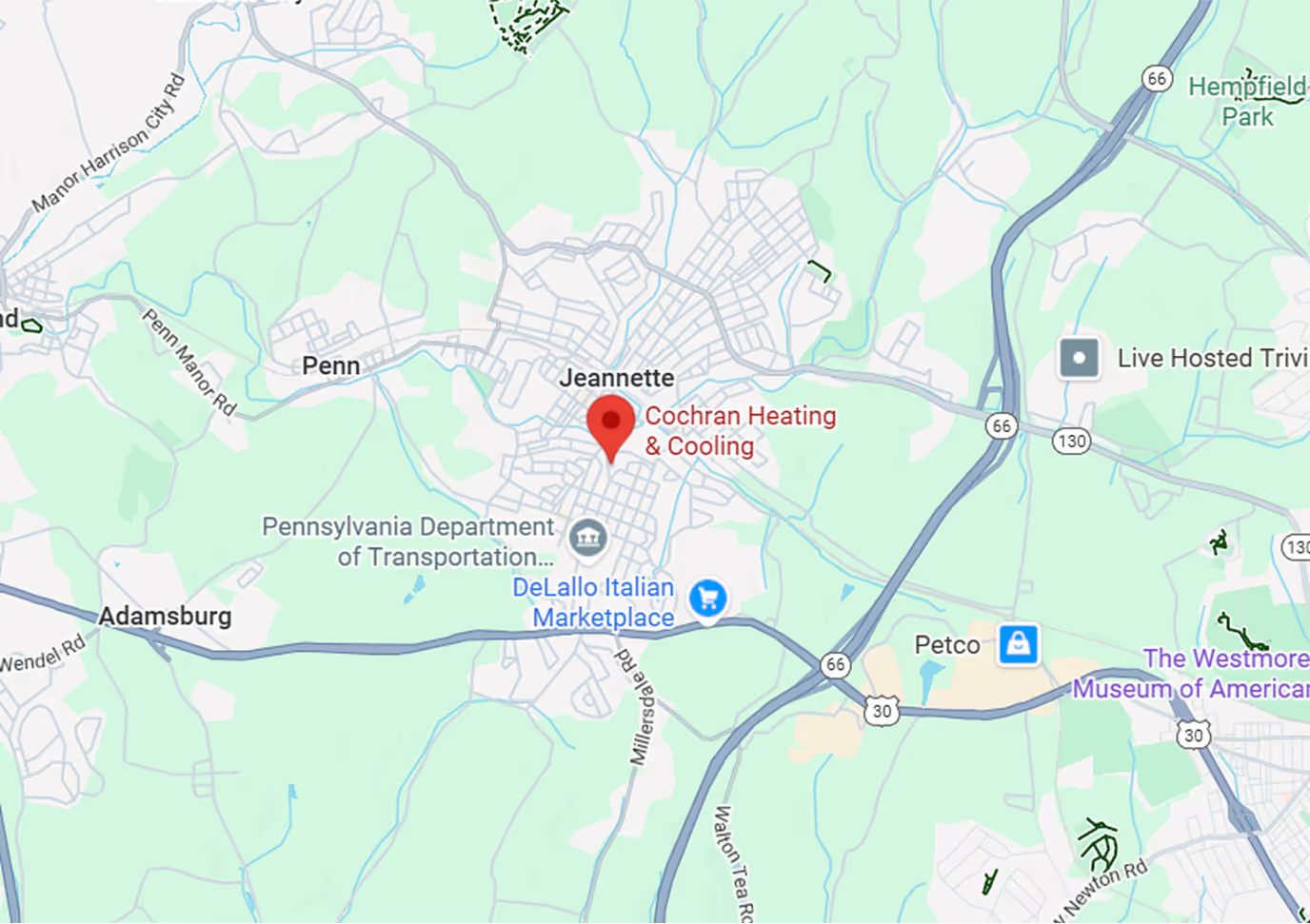
Air Conditioner Repair in North Huntington, PA
When your air conditioner fails during a Pennsylvania summer, you need fast, accurate repair to restore comfort and prevent further damage. Cochran Heating & Cooling specializes in Air Conditioner Repair in North Huntington, PA, with a focus on rapid diagnostics and clear explanations of the problem. We provide durable repairs tailored to our local conditions. North Huntington homes often face humid summers and heat waves that can strain aging or undersized systems. Timely service from Cochran Heating & Cooling can help prevent higher utility bills and premature equipment failure. We're here to help you stay cool and comfortable.
.jpeg)
Air Conditioner Repair in North Huntington, PA
When your air conditioner fails in the peak of a Pennsylvania summer, the immediate need is fast, accurate repair that restores comfort and protects your system from further damage. Air Conditioner Repair in North Huntington, PA focuses on fast diagnostics, clear explanations of causes, and durable repairs tailored to regional needs. North Huntington homes face humid summers and occasional heat waves that put extra strain on aging and undersized systems, so timely service prevents higher utility bills and premature equipment failure.
Why timely AC repair matters in North Huntington, PA
- High humidity and warm summer temperatures increase runtime, accelerating wear on compressors and motors.
- Older homes in the area often have legacy ductwork or undersized systems that mask problems until a component fails.
- Addressing issues early reduces energy costs and limits refrigerant loss or compressor damage that leads to costly replacements.
Common air conditioner issues in North Huntington homes
- Compressor problems: Overheating, electrical failures, or mechanical wear reduce cooling capacity.
- Refrigerant leaks: Low refrigerant causes poor cooling, longer run times, and potential system icing.
- Electrical faults: Tripped breakers, failed capacitors, relays, and control board issues prevent the system from starting or running reliably.
- Blower and motor issues: Weak airflow from the vents because of a failing blower motor, dirty blower wheel, or obstructed filters and return vents.
- Thermostat and control faults: Incorrect temperature readings or failing sensors cause short cycling or inconsistent comfort.
- Drain pan and condensate leaks: Clogged drains or failed pumps can cause water damage and system shutdowns.
Fast diagnostics: step-by-step process
- System history and symptom intake
- Technician documents runtime behavior, noises, smells, and recent maintenance to narrow likely causes.
- Visual and basic safety checks
- Inspect power supply, disconnects, safety switches, and visible wiring for obvious faults.
- Airflow and filter assessment
- Check return grilles, filters, and blower operation to rule out restricted airflow before moving to refrigerant or compressor diagnosis.
- Refrigerant and pressure testing
- Measure refrigerant pressures and temperature differentials to detect low charge or restrictions.
- Electrical diagnostics
- Test capacitors, contactors, relays, fuses, and control voltages using meters and measured startup current to identify failing components.
- Component-level inspection
- Evaluate compressor condition, evaporator coil cleanliness, and condensate drainage.
- Diagnostic summary and transparent estimate
- Provide a clear explanation of findings, repair options, parts needed, expected results, and warranty terms before any work begins.
Typical repair procedures and best practices
- Compressor repair or replacement
- Confirm compressor failure with electrical and pressure tests. Replace only when justified; often replacing the compressor requires matching refrigerant type and verifying system integrity.
- Refrigerant leak repair and recharge
- Locate leaks using electronic detectors or UV dye, repair the leak, evacuate, vacuum test, and recharge to manufacturer-specified refrigerant levels.
- Electrical component replacement
- Replace failed capacitors, contactors, control boards, or fuses with properly rated parts and verify correct start/run currents after service.
- Blower and duct repairs
- Clean or replace blower motors and wheels, inspect and seal ducts, and balance airflow to restore proper distribution.
- Coil cleaning and condensate maintenance
- Clean evaporator and condenser coils, clear condensate lines, and replace failed condensate pumps to prevent shutdowns and water damage.
- System startup and performance verification
- After repairs, measure temperature splits, airflow, and power draw; document results and explain performance improvements.
Emergency and after-hours response
North Huntington homeowners sometimes need urgent service during heat waves or when a malfunction risks freezing in humid conditions. Emergency AC repair response focuses on:
- Rapid diagnostics to determine safety and immediate temporary measures.
- Stabilizing the system to prevent further damage, such as isolating electrical faults or restoring safe operation.
- Clear timelines for permanent repairs and parts replacement once full diagnostics are completed.
Transparent estimates, parts, and warranty information
- Estimates outline labor, parts, and any diagnostic fees with a clear scope of work and exclusions.
- Parts replacement uses manufacturer-spec or equivalent quality components compatible with the existing system for reliability.
- Warranty coverage is specified for parts and labor with duration details; common practice includes limited warranties on replaced components and workmanship guarantees for a defined period.
- If a repair is unlikely to be cost-effective, an objective assessment explains replacement considerations, expected remaining lifespan, and efficiency gains from a new system.
Technician qualifications and safety standards
- Technicians perform EPA-certified refrigerant handling, electrical safety testing, and manufacturer-recommended procedures.
- Ongoing training ensures familiarity with modern inverter-driven systems, variable refrigerant flow, and common legacy equipment found in local homes.
- Work follows local codes and safety practices, including proper lockout/tagout, safe refrigerant recovery, and elimination of hazards before repair.
How booking and service visits typically work
Booking typically follows these steps:
- Request an appointment and provide basic system details and symptoms.
- Receive a confirmed appointment window and technician arrival timeframe.
- Technician performs diagnostics and presents a written estimate before any repair work begins.
- After approval, the technician completes repairs, tests system performance, and documents service and warranty information.
Preventive maintenance and tips specific to North Huntington
- Replace or clean filters every 1 to 3 months during heavy use to reduce strain on blowers and coils.
- Schedule seasonal tune-ups before summer to check refrigerant, clean coils, inspect electricals, and test safety controls.
- Keep outdoor condenser units clear of debris, foliage, and snow to maintain airflow and prevent heat buildup.
- Consider upgraded thermostats and zoning for homes with uneven cooling to improve efficiency and reduce runtime.
FAQs
Q: How long does a typical AC repair visit take?A: Most diagnostic visits take 60 to 90 minutes; simple repairs can be completed the same day, while more complex component replacements or refrigerant repairs may require additional time or parts ordering.
Q: Will refrigerant be added during a repair?A: Refrigerant is only added after locating and repairing leaks and evacuating the system to manufacturer specifications to ensure proper charge and performance.
Q: What is the most common cause of AC failure in North Huntington?A: Common causes include dirty coils and filters, electrical component failures (capacitors, contactors), and refrigerant leaks—conditions worsened by extended run times during hot, humid weather.
Q: Do technicians provide written estimates before starting repairs?A: Yes, a transparent written estimate detailing labor, parts, and warranty terms is standard before work begins.
Q: Are replaced parts covered by warranty?A: Replaced parts typically carry a parts warranty for a defined period; workmanship warranties for labor are also commonly provided and specified in the estimate.
Q: What should I prepare for a service visit?A: Ensure access to the indoor and outdoor units, note any unusual noises or behaviors, and have thermostat settings available to help the technician replicate the issue during diagnostics.