

Boiler Installation in Irwin, PA
In Irwin, PA, where cold, snowy winters and older housing stock are common in Westmoreland County, a properly sized and installed boiler is truly one of the smartest investments you can make for your home. Inefficient or failing boilers cause uneven heat, skyrocketing energy bills, frequent repairs, and even safety concerns. We're here to explain the complete boiler installation process for homes in Irwin, PA—from that crucial initial site assessment and heat loss calculation to the final commissioning, warranty registration, and post-install maintenance recommendations. This way, you can make a truly informed decision and avoid common pitfalls with Cochran Heating & Cooling.
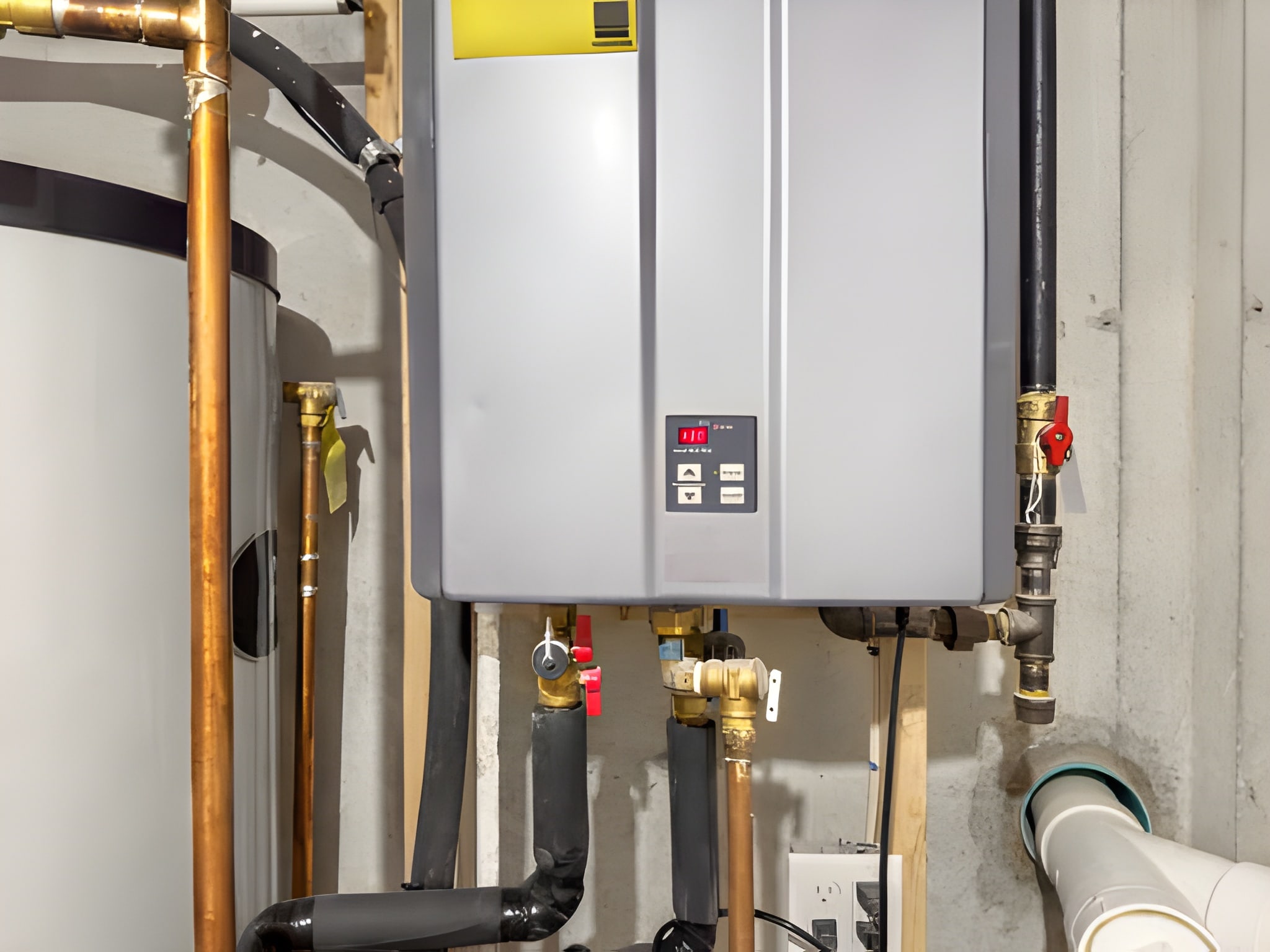
Boiler Installation in Irwin, PA
A properly sized and installed boiler is one of the smartest investments for Irwin, PA homes. With cold, snowy winters and older housing stock common in Westmoreland County, inefficient or failing boilers lead to uneven heat, high energy bills, frequent repairs, and safety concerns. This page explains the complete boiler installation process for homes in Irwin, PA — from initial site assessment and heat loss calculation to final commissioning, warranty registration, and post-install maintenance recommendations — so you can make an informed decision and avoid common pitfalls.
Why a professional boiler installation matters in Irwin, PA
- Reliable heat through long Pennsylvania winters prevents frozen pipes and comfort interruptions.
- Proper sizing and venting reduce fuel costs and extend equipment life.
- Code-compliant installations address local building and fuel system rules, minimizing safety risks.
- Correct installation improves efficiency, which matters when heating demand is high for extended periods.
Common boiler types and installation scenarios in Irwin, PA
- Condensing gas boiler - high efficiency, often best for natural gas service areas.
- High-efficiency oil boiler - common in neighborhoods without gas service.
- Combi boilers - provide on-demand hot water plus space heating for smaller homes.
- Cast-iron or sectional boilers - typical replacements in older homes that originally had similar systems.
- Hydronic radiant conversions - when replacing baseboards or converting to in-floor radiant heat.
Complete boiler installation process
1. Site assessment
A thorough site assessment documents the existing heating system, fuel source, venting/chimney condition, mechanical room layout, and any access limitations. In Irwin, installers look for historic chimney integrity, garage clearances in cold months, and the proximity to combustion air sources. Photos and measurements are taken to plan piping and venting routes.
2. Heat loss calculation and system sizing
Sizing a boiler is based on room-by-room heat loss, not on the size of the old unit. Factors include insulation levels, window types, orientation, and local climate. A proper heat loss calculation ensures the new boiler has the correct output to maintain comfort during Irwin winters without short cycling, which wastes fuel and stresses components.
3. Selecting the right model
Selection considers fuel type (natural gas, propane, oil), required output, efficiency rating (AFUE), modulation capability, and system type (single-purpose vs combi). For many Irwin homes, high-efficiency condensing boilers offer measurable fuel savings, but venting and condensate handling must be considered.
4. Piping and venting considerations
- Piping: Properly sized supply and return mains, appropriate materials (copper, black iron, or press systems), zone piping, expansion tanks, air separators, and circulator pump selection.
- Venting: Sizing and routing of flue or PVC vent for condensing units, chimney liner needs for non-condensing boilers, and ensuring combustion air requirements are met.
- Condensate: Installation of condensate drains and neutralizers if required for local disposal rules.
- Safety devices: Low-water cutoffs, pressure relief valves, backflow preventers, and appropriate shutoff valves.
5. Professional installation steps
- Safe removal and disposal of the old boiler and associated components.
- Secure mounting and placement of the new boiler with required clearances.
- Precise connection of gas or oil supply, electrical wiring, controls, and thermostat interfaces.
- Installation of piping, pumps, expansion tank, zone valves or manifolds, and any indirect water heater connections.
- Proper vent termination and chimney work as required by local codes.
- Conducting leak checks on fuel, water, and gas systems before startup.
6. Commissioning and safety testing
Commissioning confirms the system operates as intended. Typical checks include:
- Combustion analysis and CO testing to verify safe and efficient fuel combustion.
- Pressure testing the hydronic loop and validating expansion tank performance.
- Thermostat calibration and system balancing across zones.
- Verifying safety controls - low-water cutoffs, pressure relief, and emergency shutdowns.
- Recording serial numbers, setpoints, and test results for warranty and owner records.
7. Warranty, registration, and documentation
Manufacturer warranties vary by model and component. Registration is often required to activate full warranty coverage. Installers should provide documentation including unit model and serial numbers, installation date, and commissioning reports. For homeowners in Irwin, retaining these records is important for future service and potential resale value.
Post-install maintenance recommendations
Routine maintenance maximizes efficiency and reliability:
- Annual tune-up: combustion check, burner cleaning, control inspection, and safety device testing.
- Check system pressure and top off as needed during fall startup.
- Bleed air from radiators or zones to prevent noise and maintain even heat.
- Inspect venting and chimney annually, especially after severe winter weather.
- Monitor expansion tank condition and system filtration or magnetic dirt separation if installed.
- Keep the mechanical room clear of combustibles and ensure vents remain unobstructed in winter.
Common installation issues to avoid in Irwin, PA
- Oversized boilers that short cycle in mild temperatures.
- Improper venting or unlined chimneys causing combustion hazards.
- Neglecting condensate neutralization for high-efficiency units.
- Inadequate combustion air in tightly sealed homes.
- Skipping a proper heat loss calculation and relying on the old boiler size.
Benefits of a properly installed boiler
- Consistent, even heat throughout your home during Irwin winters.
- Lower fuel use and utility bills from improved efficiency.
- Fewer emergency repairs and longer equipment lifespan.
- Safer operation with modern controls and safety devices.
- Better comfort and humidity control compared with aging systems.
Q: How long does a boiler installation typically take?
A: Most residential boiler installs take one to three days depending on scope - replacement in the same footprint is faster, while relocations, venting upgrades, or system conversions take longer.
Q: Will I need permits for a boiler installation in Irwin, PA?
A: Yes, boiler installations normally require local permits and inspections to ensure code compliance. A professional installer coordinates permits and inspections.
Q: How is a boiler sized for my home?
A: Boiler sizing uses a room-by-room heat loss calculation that considers insulation, windows, orientation, and local climate conditions to determine the required output.
Q: What maintenance is required after installation?
A: Annual professional tune-ups, periodic pressure checks, bleeding zones as needed, and inspection of venting and safety controls help maintain performance.
Q: How long will a new boiler last?
A: With proper installation and maintenance, modern boilers typically last 15 to 25 years depending on usage, fuel type, and maintenance history.
Q: Are high-efficiency boilers worth it for Irwin homeowners?
A: High-efficiency models often pay back over time through lower fuel costs, especially in areas with long heating seasons like Irwin, but venting and condensate requirements must be considered during installation.
