Boiler Replacement in Greensburg, PA
For homeowners in Greensburg, PA, replacing an aging or inefficient boiler is a smart move to enhance comfort, reduce heating costs, and prevent unexpected repairs. With our cold, snowy winters and older housing stock, many homes experience frequent breakdowns, uneven heating, and inefficient fuel consumption. Cochran Heating & Cooling's professional boiler replacement service includes a thorough assessment of your current system's end-of-life status, an evaluation of high-efficiency options, proper sizing to match your home's needs, and expert installation. We'll guide you through expected timelines, responsible disposal of your old unit, warranty coverage, efficiency improvements, financing options, available rebates, and projected long-term savings, all tailored to Greensburg homes. Trust Cochran Heating & Cooling to keep you comfortable and save you money.
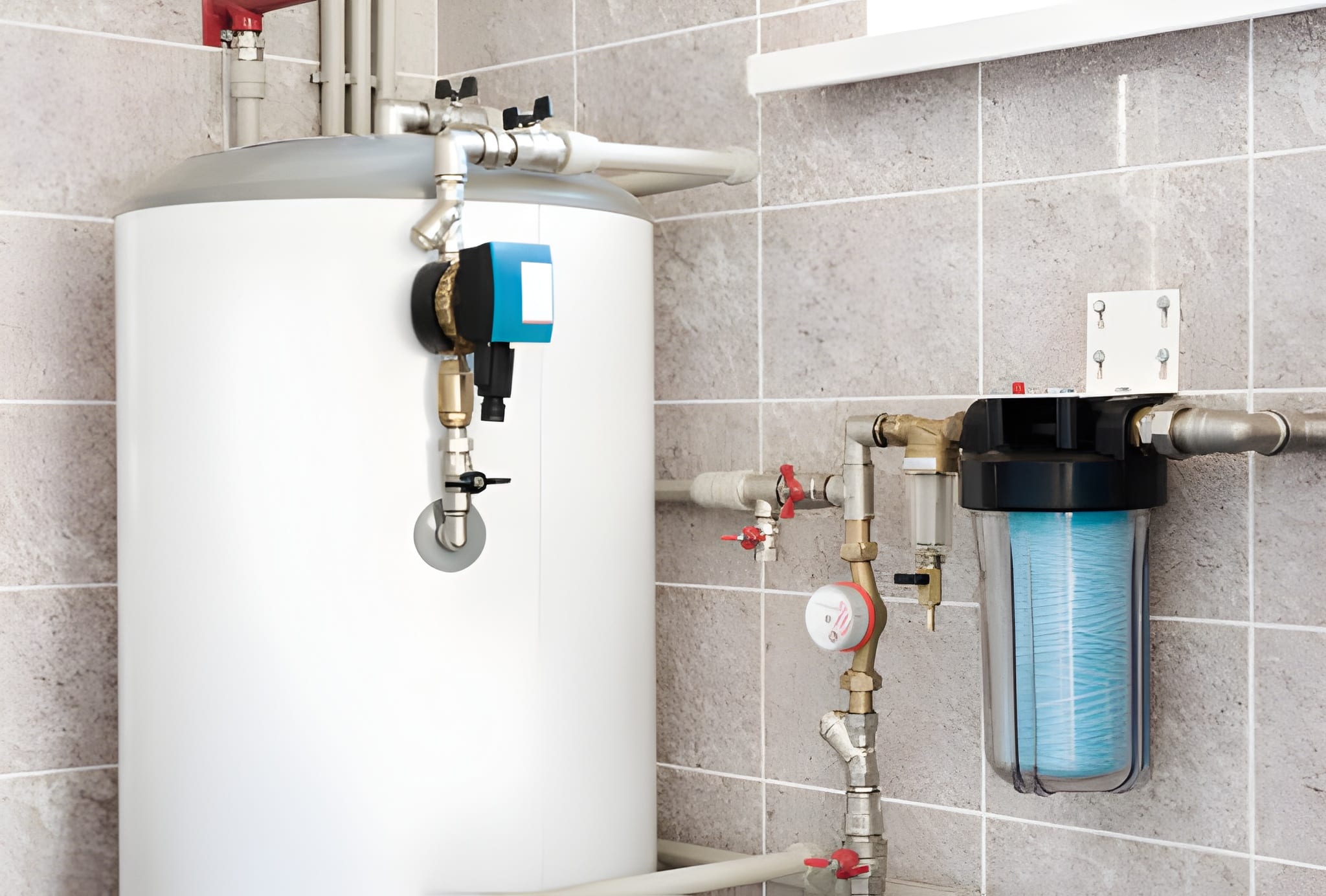
Boiler Replacement in Greensburg, PA
Replacing an aging or failing boiler is one of the most effective ways to improve comfort, lower heating bills, and reduce unplanned repairs in Greensburg, PA homes. With cold, snowy winters and an older housing stock, many homeowners face frequent breakdowns, inefficient fuel use, and uneven heating. This page outlines the full boiler replacement process: end-of-life assessment, comparing high-efficiency options, correct sizing, expected timelines, responsible disposal, warranty and efficiency gains, financing choices, and guidance on rebates and long-term savings specific to Greensburg.
Why consider boiler replacement in Greensburg, PA
- Winters in Greensburg can be long and cold, so reliability matters. Older boilers often lose efficiency and break down at peak demand.
- Many local homes have cast-iron or older gas and oil boilers that are no longer economical to repair.
- Modern high-efficiency boilers can significantly reduce fuel use and improve comfort, especially in homes with radiators or hydronic baseboard systems.
Common end-of-life signs and typical problems
- Frequent breakdowns or rising repair frequency
- Uneven heat from room to room or slow recovery after setback
- Visible corrosion, leaks, or a rusted heat exchanger
- Pilot or ignition problems and noisy operation
- Chimney or venting issues causing condensation or backdrafting
- Noticeable spike in monthly heating costs despite normal usage
If your system shows multiple signs, a replacement evaluation is usually the most cost-effective long-term solution.
What an evaluation and end-of-life assessment includes
- Inspection of the boiler envelope, heat exchanger, burners, controls, and safety devices
- Fuel type and supply inspection (natural gas, oil, propane)
- Flue and venting condition and venting capacity check
- Visual and operational tests for leaks, ignition, and combustion efficiency
- Estimation of remaining useful life and repair vs replacement cost analysis
- Heating load estimate to determine correct replacement size
The evaluation determines whether a simple repair, partial component replacement, or full system replacement best meets your needs and budget.
Comparing high-efficiency boiler models
Key options to consider for Greensburg homes:
- Modulating-condensing (mod-con) gas boilers: Highly efficient for new installations, especially on homes with low return-water temperatures. Best fuel savings when replacing older gas or oil boilers.
- Condensing oil boilers: Available for homes reliant on heating oil; improved efficiency over non-condensing oil models.
- Combination boilers (combi): Provide space heating and instant domestic hot water without a separate water heater—suitable for smaller homes or where space is limited.
- Non-condensing cast-iron boilers: Durable but less efficient; sometimes retained for compatibility with older distribution systems.
- Electric boilers: An option where electric rates and decarbonization goals make sense, or for small supplemental systems.
Important features to review:
- Modulation range and controls for reduced short cycling
- Condensing capability and need for proper condensate handling
- Integrated outdoor reset or smart controls for better seasonal efficiency
- Compatibility with existing distribution (radiators, baseboards, in-floor)
Sizing and load calculations
Accurate sizing is essential. Oversizing causes short cycling, higher wear, and reduced efficiency; undersizing leaves you underheated on the coldest days. A proper replacement uses a whole-house heating load calculation (Manual J style) that accounts for:
- Insulation levels and window performance
- Home orientation and air infiltration
- Desired indoor setpoints and occupancy patterns
- Local design temperatures for Greensburg winters
A correctly sized boiler combined with modern controls delivers the best efficiency and comfort.
Expected timeline for removal and installation
Typical stages and durations for a straightforward boiler replacement:
- Initial assessment and quoting: 1 to 3 days
- Permit review and ordering equipment: 1 to 2 weeks depending on model availability
- Removal of old boiler and preparation: half day to 1 day
- Installation of new boiler, controls, and piping modifications: 1 to 2 days
- Commissioning, testing, and inspection: several hours to 1 day
Complex jobs involving conversion of fuel type, chimney rebuilding, or major distribution changes can extend the timeline. Local permits and inspections in Greensburg and Westmoreland County may add scheduling time.
Disposal of old equipment
Old boilers must be drained, disconnected, and recycled responsibly. Disposal steps commonly include:
- Safe removal of residual fuel or oil and proper containment
- Disconnecting gas, oil, and electrical connections per code
- Recycling scrap metal and disposing of non-recyclable components at approved facilities
- Handling any hazardous materials according to local regulations
Recycling reduces waste and may be required by local ordinance. Documentation of disposal is typically provided for compliance.
Warranty, efficiency gains, and long-term savings
- Efficiency gains: Replacing an older non-condensing boiler with a modern mod-con can reduce fuel consumption by a noticeable margin, often in the double digits, depending on system matching and usage patterns.
- Warranties: Manufacturer warranties vary by model and component. Heat exchangers sometimes carry longer warranties; extended service plans may be available.
- Long-term savings: Savings come from higher AFUE ratings, reduced maintenance, fewer repairs, and smarter controls. Proper commissioning and seasonal maintenance preserve expected savings over the equipment life.
Costs and financing options
Boiler replacement costs vary by system type, complexity of installation, and accessory work (venting, piping, structural changes). Financing options commonly available include:
- Installer or manufacturer financing programs
- Home improvement loans or personal lines of credit
- Home equity or mortgage-backed financing
- Utility or state-run energy loan programs where available
Evaluate financing terms carefully and factor in expected energy savings and potential rebates when considering payback.
Rebates and incentives guidance
Federal, state, and local rebates or tax credits for high-efficiency heating equipment may be available and can meaningfully offset upfront costs. Greensburg homeowners should check:
- Current federal tax incentives for energy-efficient heating upgrades
- Pennsylvania state and local utility rebate programs for high-efficiency boilers or controls
- Seasonal or program-based offers from natural gas and electric utilities
Documentation of equipment specifications and manufacturer efficiency ratings is typically required for rebate applications.
Maintenance and maximizing lifespan
- Schedule annual tune-ups and combustion efficiency checks
- Keep surrounding area clean and maintain proper clearances
- Inspect vents and condensate drains seasonally
- Use recommended water treatment for closed hydronic systems to prevent corrosion and scale
Regular maintenance preserves efficiency, extends the useful life of the replacement, and maintains warranty compliance.
Q: How do I know if my Greensburg home needs a replacement rather than repairs?
A: If your boiler is older than 15 years, requires frequent repairs, shows corrosion or leaks, provides uneven heat, or has poor combustion performance, a replacement evaluation is recommended to compare long-term costs and benefits.
Q: Will a high-efficiency boiler work with my existing radiators?
A: Yes, but compatibility depends on return-water temperatures and system piping. Sometimes small changes, controls, or a buffer tank are needed to optimize condensing boiler performance.
Q: How long does a boiler replacement typically last?
A: Modern boilers properly installed and maintained commonly last 15 to 25 years. Longevity depends on installation quality, water quality, usage, and routine maintenance.
Q: Are there financial incentives available in Greensburg for new boilers?
A: There can be federal, state, and utility incentives for high-efficiency boilers. Eligibility and availability change over time, so checking current programs and keeping documentation of equipment specifications is important.