

Geothermal Replacement in Greensburg, PA
For homeowners in Greensburg, PA, geothermal replacement is a smart move if your ground-source heat pump system is getting old, failing, or just not meeting your comfort and efficiency needs. With our cold winters and humid summers in Westmoreland County, a properly functioning geothermal system is key to consistent indoor comfort and lower heating and cooling costs. Cochran Heating & Cooling will assess your current system, help you decide between full replacement and component repair, size and select energy-efficient equipment, manage the replacement process, navigate Greensburg's permit and site-prep requirements, and explore financing and incentive options.
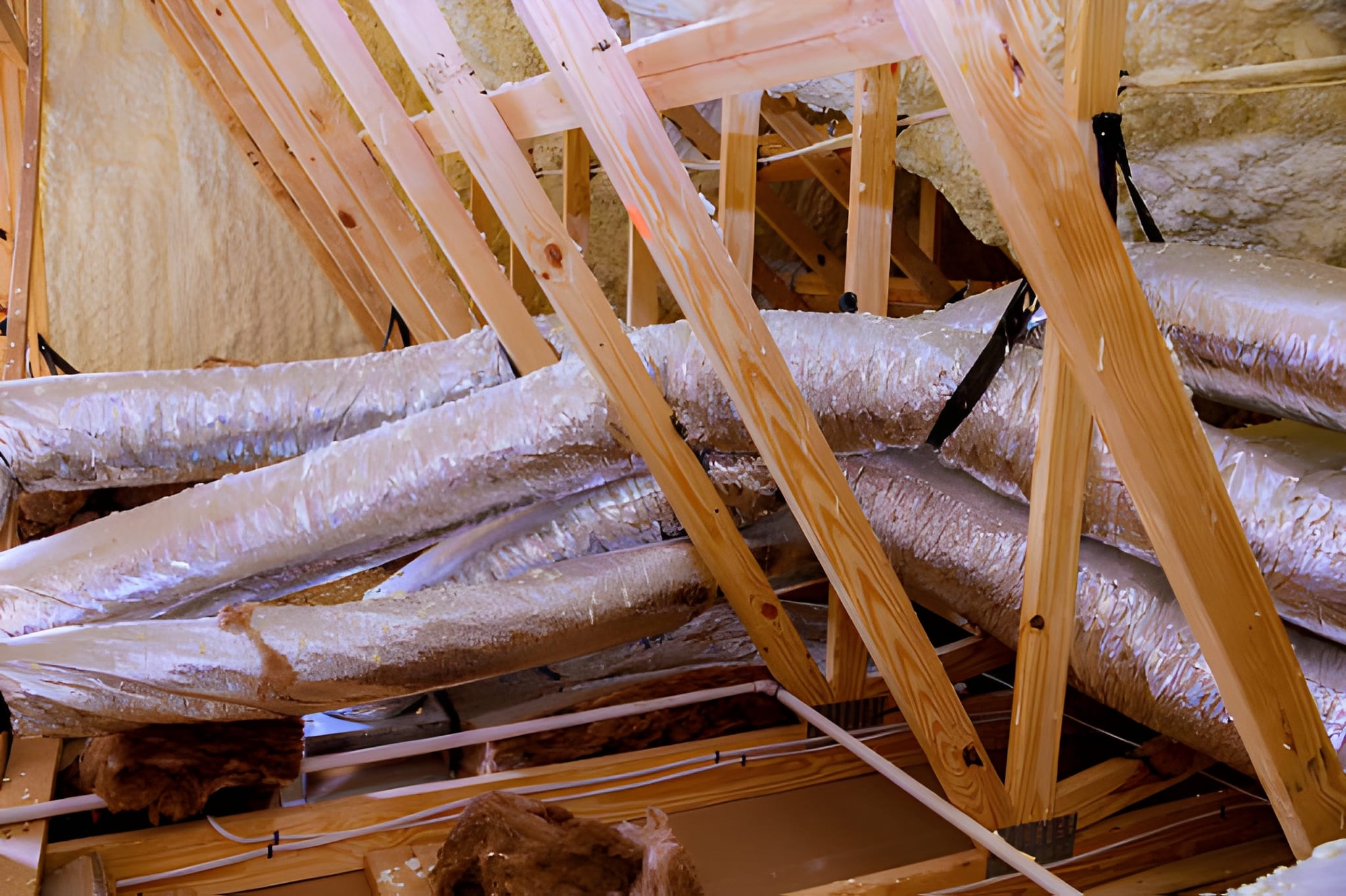
Geothermal Replacement in Greensburg, PA
Geothermal replacement is a smart next step for Greensburg, PA homeowners whose ground-source heat pump systems are aging, failing, or no longer meeting comfort and efficiency expectations. With cold winters and humid summers in Westmoreland County, a properly functioning geothermal system can deliver consistent indoor comfort while cutting heating and cooling costs. This page explains how a geothermal system replacement is assessed, the choices between full system replacement and component repair, how to size and select energy-efficient equipment, the replacement process and timeline, permit and site-prep considerations specific to Greensburg, and financing and incentive options you should evaluate.
Common geothermal replacement issues in Greensburg, PA
- Aging heat pump or repeated compressor failures that indicate end-of-life for the indoor/outdoor unit.
- Ground loop leaks, loss of loop pressure, or contamination that reduce heat transfer and lower efficiency.
- Undersized equipment after home renovations or additions that increase heating and cooling loads.
- Frequent refrigerant leaks or obsolete refrigerants that are costly or difficult to service.
- Corroded manifolds, pumps, or controls that cause reliability problems.
- Poor performance in extreme winter temperatures due to mismatched loop capacity or worn equipment.
Recognizing these issues early reduces downtime and avoids escalating energy costs during Greensburg’s long heating season.
Assessment: evaluating existing equipment and ground loop condition
A careful diagnostic determines whether to repair components or replace the whole system. Typical assessment steps include:
- Visual inspection of indoor unit, heat exchanger, pumps, electrical connections, and controls.
- Performance testing: measuring supply/return temperatures, flow rates, and system pressures under operating load.
- Ground loop evaluation: pressure/leak tests, flow (GPM) verification, and checking for signs of contamination or freeze damage.
- Reviewing system history, maintenance records, and calculating current heating/cooling loads compared to original design.
- Soil and site review to confirm the loop type (horizontal vs vertical) and available access for replacement work.
This diagnostic establishes whether the loop can be reused, needs repair, or must be fully replaced.
Full system replacement vs component replacement
- Full system replacement
- Best when the loop is damaged, severely degraded, or incompatible with modern heat pump technology.
- Also recommended for older systems with frequent failures, obsolete refrigerants, or when you want a major efficiency upgrade.
- Advantage: new matched system delivers predictable efficiency and reliability for decades.
- Component replacement (heat pump, pump, controls)
- Appropriate when the ground loop is in good condition and the indoor/outdoor equipment has failed.
- Shorter disruption and lower immediate cost than a full replacement.
- Requires careful matching to ensure the new unit works with the existing loop capacity.
- Loop-only replacement
- Necessary when the buried loop has leaks, thermal degradation, or is undersized for a new, higher-efficiency heat pump.
- In Greensburg, choosing horizontal trenching vs vertical drilling depends on property size and soil conditions.
Choosing the right approach depends on the assessment, budget considerations, and your long-term goals for efficiency and reliability.
Energy-efficient model selection and sizing
Proper sizing and equipment selection are critical. Key considerations:
- Perform a current heating and cooling load calculation that reflects insulation, windows, occupancy, and recent renovations. Oversizing reduces efficiency and comfort; undersizing leads to poor performance in Greensburg’s cold months.
- Look for high Coefficient of Performance (COP) and high heating season performance ratings. Variable-speed compressors and modulating controls improve comfort and lower energy use.
- Consider features such as desuperheaters for domestic hot water, integrated controls for zoning, and smart monitoring for performance tracking.
- Ensure the selected heat pump matches the loop’s capacity and flow characteristics; mismatch can negate efficiency gains.
An accurately sized, modern geothermal heat pump typically delivers substantially better seasonal performance than older models.
Replacement process and typical timeline
A typical geothermal replacement workflow:
- Detailed inspection, load calculations, and proposal preparation.
- Permit submission and utility locates.
- Disconnect and removal of old indoor/outdoor units; test and, if needed, repair or replace pumps and manifolds.
- Loop work: connect new unit to existing loop, repair leaks, or install new horizontal trenches or vertical boreholes.
- Equipment installation, refrigerant charging (if applicable), system balancing, and startup testing.
- Final inspection and handing over operational documentation.
Estimated timelines (vary with project scope and Greensburg site conditions): component swaps — 1 to 3 days; heat pump replacement with loop reuse — 2 to 5 days; loop replacement (horizontal) — several days to a week; vertical drilling can take one to several weeks including restoration. Seasonal scheduling matters in Greensburg because frozen ground can delay trenching or drilling.
Permits and site-prep considerations in Greensburg, PA
- Permitting: local and county permits often required for drilling or significant ground disturbance; plan for permit review time.
- Utility locates and setback rules must be observed; confirm property easements and neighbor boundaries for horizontal loops.
- Access for drilling rigs or excavation equipment: driveway width, overhead obstructions, and staging areas should be planned.
- Yard restoration: expect grading and re-seeding after trenching; seasonal timing affects how quickly lawns recover in Greensburg’s climate.
Advance coordination reduces delays and protects your landscaping and property access.
Financing, rebates, and incentive information
Geothermal replacement often qualifies for energy incentives. Homeowners should explore:
- Federal tax credits and state-level incentives that may apply to geothermal systems.
- Local utility rebates or performance-based incentives available for energy-efficient heat pumps or loop upgrades.
- Financing options: home energy loans, low-interest financing programs, and equipment financing tailored to HVAC upgrades.
- Proper documentation: proof of equipment efficiency ratings, installer certification, and invoices are commonly required to claim rebates or credits.
Because incentive programs change, gather documentation early and confirm eligibility before starting work.
Expected benefits and maintenance after replacement
Replacing an aging geothermal system brings several lasting advantages:
- Lower energy bills through higher system efficiency, especially during Greensburg’s heating season.
- Improved reliability and consistent indoor comfort with modern controls and variable-speed compressors.
- Reduced environmental footprint by using ground-source energy more efficiently.
- Extended system life and simplified maintenance when new, matched components are installed.
Maintenance essentials after replacement include scheduled annual tune-ups, filter replacement, pump operation checks, loop pressure monitoring, and periodic control and refrigerant checks. Regular maintenance preserves efficiency and protects incentives that require proof of upkeep.
FAQs
Q: How do I know if my ground loop can be reused?
A: A loop pressure/leak test, flow verification, and thermal performance check during a professional assessment determine loop integrity and whether reuse is viable.
Q: Is a full system replacement always better than replacing just the heat pump?
A: Not always. If the loop and pumps are in good condition, replacing the heat pump can restore performance at lower cost. Full replacement is best when the loop is compromised or you want a complete efficiency upgrade.
Q: How long will my new geothermal system last after replacement?
A: Modern geothermal heat pumps typically last 20+ years with proper maintenance; ground loops often last 50+ years, depending on installation and soil conditions.
Q: What permits will I need in Greensburg for loop replacement?
A: Permits commonly include county building or mechanical permits and possibly drilling permits. Utility locates and compliance with setback rules are also required.
Q: Will I see immediate savings on my energy bill?
A: You should see noticeable improvements after system commissioning, with full seasonal savings measurable once the system has run through a full heating and cooling cycle.
