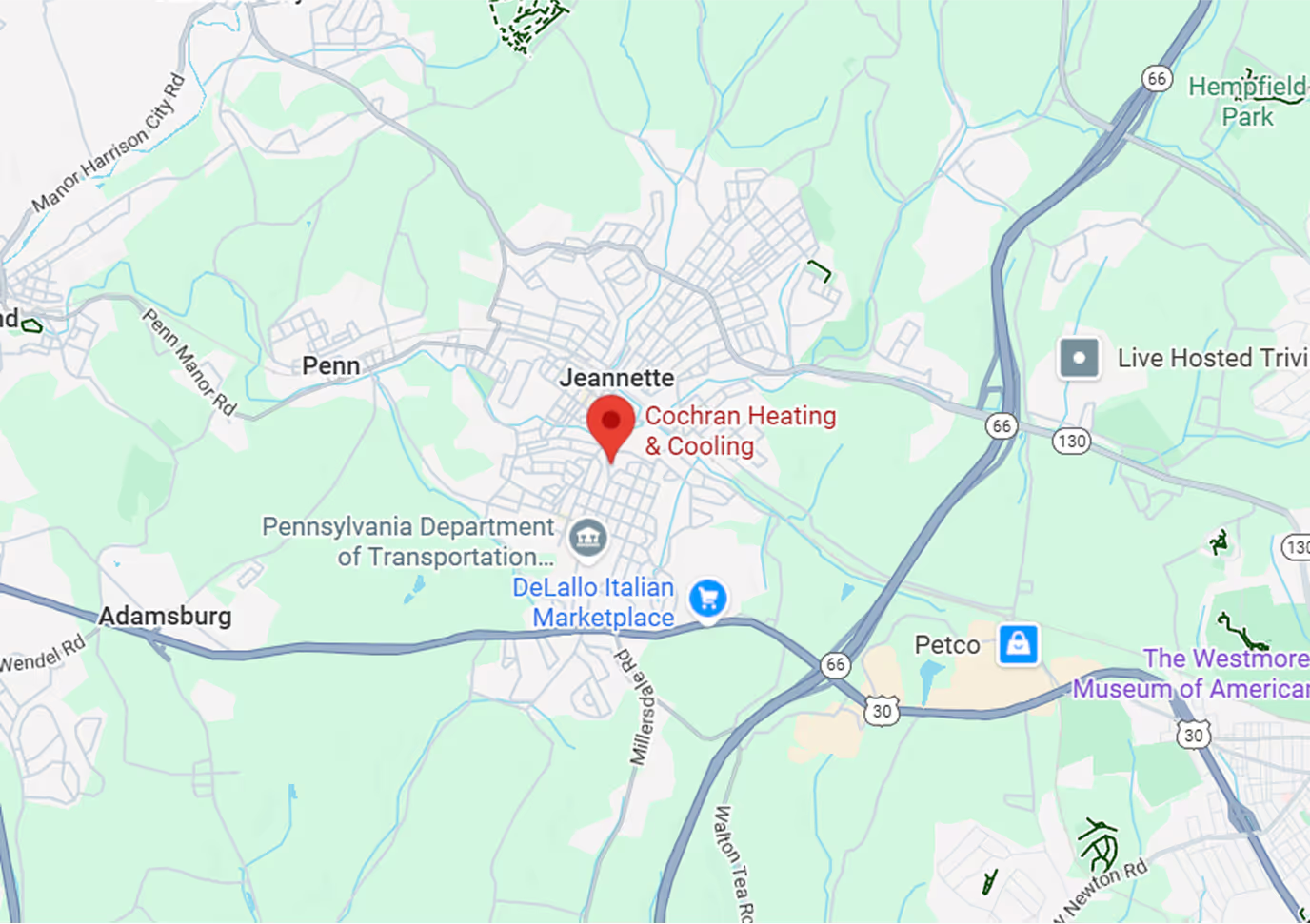
Heating Installation in Adamsburg, PA
For homeowners in Adamsburg, PA, a well-designed and professionally installed heating system is more than just a comfort – it's a necessity. With our long, cold winters, having a reliable and efficient heating system is crucial for both safety and keeping energy costs down. At Cochran Heating & Cooling, we understand the unique demands placed on home heating in this area. Let's explore what a professional heating installation involves, compare different system types suitable for Adamsburg homes, highlight common issues to avoid, and outline what you can expect from the initial assessment to the final commissioning and ongoing maintenance.
-min%2520(1).jpeg)
Heating Installation in Adamsburg, PA
A properly designed and installed heating system is essential for comfort, safety, and efficiency in Adamsburg, PA, where cold winters and variable early/late season temperatures place long demands on home heating. This service page explains what a professional heating installation involves, how different system types compare for local homes, common problems to avoid in Adamsburg, and what to expect from assessment through commissioning and long-term maintenance.
Why a tailored heating installation matters in Adamsburg, PA
Adamsburg homes often face long heating seasons, older building envelopes, and a mix of fuel types (natural gas, oil, propane, and electric). A one-size-fits-all replacement can lead to higher bills, uneven comfort, and premature equipment wear. Proper sizing, attention to ductwork or piping, and correct component selection ensure reliable performance through cold snaps and milder shoulder seasons alike.
Pre-install assessment and accurate load calculation
- Comprehensive home survey: Inspect insulation levels, window and door performance, building orientation, attic and foundation details, and existing distribution systems (ducts or hydronic piping).
- Load calculation (Manual J): Determine the exact heat loss for each room to avoid undersizing or oversizing. Proper load calculations ensure equipment operates efficiently and maintains comfort.
- Distribution analysis (Manual D/Manual S considerations): Evaluate current ductwork or piping; identify pressure imbalances, leakage, or inadequate capacity. Results guide system type, capacity, and zoning decisions.
Choosing the right system for local conditions
Compare the main options with Adamsburg conditions in mind:
- Gas furnaces: High-efficiency condensing furnaces deliver strong winter performance where natural gas is available. Look for variable-speed blowers and modulating burners for better comfort and lower energy use.
- Oil-fired boilers/furnaces: Common in some regional homes. Modern oil boilers and furnaces can be efficient but require regular service and proper venting.
- Boilers (hydronic systems): Excellent for older homes with radiators or baseboard heat. Condensing boilers increase efficiency, and zoning with thermostatic radiator valves improves room-by-room comfort.
- Air-source heat pumps (cold-climate models): Modern cold-climate heat pumps provide high efficiency throughout much of the heating season and can reduce fuel use. In Adamsburg, heat pumps paired with a backup furnace or as part of a dual-fuel system are often an effective solution.
- Hybrid systems: Combine a heat pump with a high-efficiency gas furnace to maximize seasonal efficiency.
Each option should be evaluated for fuel availability, installation site constraints, and long-term operating costs. System selection must match calculated loads and distribution capabilities.
Ductwork and piping considerations
- Duct systems: Inspect for leaks, poor insulation, undersized trunks or branch runs, and unbalanced airflow. Upgrading to sealed, insulated ducts and replacing leaky sections often improves efficiency and comfort more than upsizing equipment.
- Hydronic piping: Check for correct pipe sizing, trapped air, and improper sloping. Older piping may require replacement or rebalancing to avoid noisy operation and uneven heat.
- Zoning and controls: Consider multi-zone setups with separate thermostats or zone valves for hydronic systems to balance comfort and reduce waste, particularly in multi-story or large Adamsburg homes.
Step-by-step installation process
- Final system selection and permit review based on load and distribution analysis.
- Site preparation: remove old equipment, secure venting paths, and verify fuel and electrical connections.
- Rough-in: install new ducts, piping, flue/venting, condensate drains, and electrical service as required by code.
- Equipment installation: set and secure the furnace, boiler, or heat pump; connect fuel, electrical, control wiring, and distribution systems.
- Insulation and sealing: seal duct joints, insulate exposed lines, and air-seal openings made during installation.
- Commissioning and testing: perform combustion analysis, airflow and hydronic flow testing, thermostat calibration, and electrical safety checks.
- Final inspection and code compliance verification.
Code compliance, safety checks, and permits
Installations must meet local and state codes for combustion air, venting, clearances, and fuel piping. Safety checks typically include:
- Proper venting and flue inspections to prevent carbon monoxide risks
- Pressure testing of gas lines or fuel oil systems
- Electrical grounding and breaker protection for new equipment
- Installation or verification of carbon monoxide and smoke detection devices per codePermits and inspections ensure the system is safe, legal, and insurable.
Commissioning and performance testing
Commissioning confirms the system meets design intent and performance targets:
- Combustion efficiency and CO readings for fuel-fired equipment
- Airflow measurements and supply/return balance for duct systems
- Temperature rise and delta-T testing across heat exchangers
- Hydronic flow rates and temperature distribution checks for boilers
- Thermostat response and control system verificationA properly commissioned system operates more efficiently, lasts longer, and provides steady comfort.
Warranty, maintenance onboarding, and documentation
Proper onboarding includes registering equipment warranties and providing a maintenance schedule. Typical recommended items:
- Annual tune-ups for combustion systems or heat pumps, including filter checks, burner or coil cleaning, and refrigerant level checks
- Seasonal pre-winter inspections focusing on safety controls, pilot or ignition systems, and condensate lines
- Instructions on basic homeowner maintenance: filter replacement frequency, thermostat programming, and recognizing warning signsGood documentation and scheduled maintenance protect warranty coverage and reduce unexpected breakdowns.
Financing assistance and incentives
Installing a new heating system is an investment. Financing assistance options often available for homeowners include equipment financing plans, low-interest home improvement loans, and energy-efficiency loan programs. In many cases, state or utility incentives can offset costs for high-efficiency equipment or qualifying heat pump installations. Ask about typical financing structures and documentation needed to apply for rebates or incentive programs applicable to Adamsburg-area homes.
Common installation pitfalls in Adamsburg, PA and how to avoid them
- Oversized equipment: Leads to short cycling, lower efficiency, and uneven humidity control. Accurate load calculation prevents this.
- Ignoring distribution issues: New equipment cannot overcome leaky or undersized ducts or blocked radiators. Address distribution first.
- Improper venting or combustion air: Creates safety hazards and code violations. Ensure correct clearances and vent configurations.
- Skipping commissioning: Without testing, systems may underperform despite correct installation. Commissioning identifies and fixes issues before handover.
Long-term benefits of a proper installation
A correctly selected and installed heating system delivers consistent comfort, lower utility bills, longer equipment life, and improved indoor air quality. For Adamsburg homeowners, investing in professional assessment, correct sizing, and proper commissioning reduces cold-weather stress and keeps homes comfortable through the entire heating season.
Q: How long does a typical heating installation take?
A: Installation time varies by system type and scope; a straight swap for a furnace may take one to two days, while boiler replacements, ductwork upgrades, or heat pump installations with distribution work can take several days to a week.
Q: Will a heat pump work in Adamsburg winters?
A: Modern cold-climate heat pumps perform well through most of the heating season and are a viable option when sized correctly; in colder periods, many homeowners use a complementary furnace in a dual-fuel setup for backup.
Q: How do I know if my ducts need replacement?
A: Signs include rooms that never reach set temperatures, large energy bills despite new equipment, visible duct damage, and high leakage rates found during a duct test.
Q: What permits are required for a heating system replacement?
A: Permitting requirements depend on local jurisdiction and the scope of work—fuel conversions, new venting, or structural changes commonly require permits and inspections.
Q: How often should I schedule maintenance after installation?
A: Annual maintenance is recommended for most heating systems; heat pumps typically benefit from biannual checks (pre-winter and pre-summer), and fuel-fired equipment should be serviced annually before heavy use.
Q: Can I combine a new heating system with improved insulation or windows to reduce size and cost?
A: Yes. Upgrading insulation or sealing air leaks before calculating loads can reduce required system capacity and operating costs, often lowering upfront equipment expense and improving comfort.