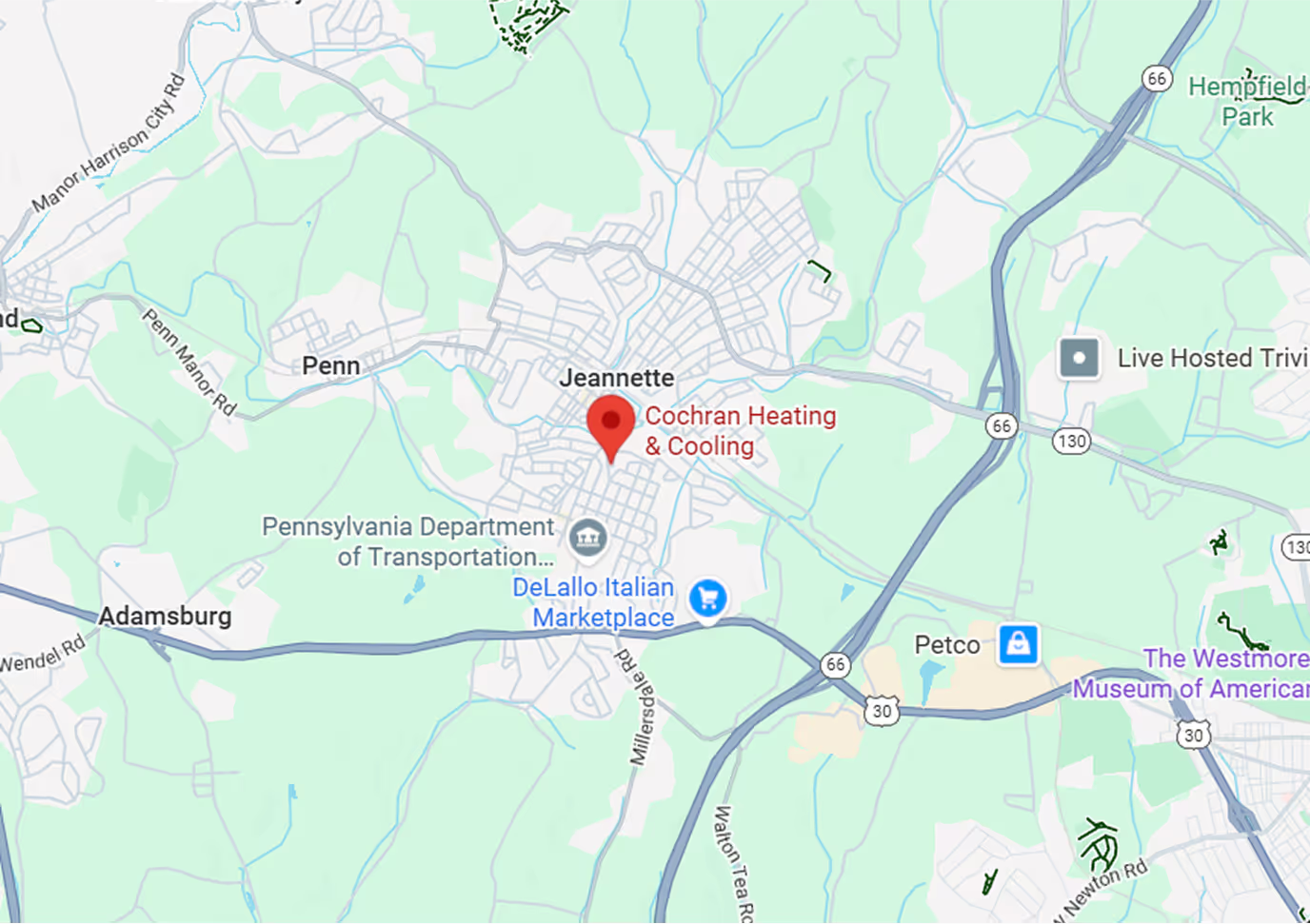
Heating Installation in Derry, PA
Upgrading or installing a new heating system in Derry, PA, is a long-term investment in your home's comfort, safety, and energy efficiency. With cold Pennsylvania winters and a variety of building ages across Derry, choosing the right system, properly sized and installed, can make a noticeable difference in your comfort and monthly expenses. Cochran Heating & Cooling is committed to helping you make the right choice. We'll outline the entire heating installation process – from the initial consultation to the post-installation testing – so you're fully informed and confident in your decision.
-min.jpeg)
Heating Installation in Derry, PA
Upgrading or installing a new heating system in Derry, PA is a long-term investment in comfort, safety, and energy costs. Cold Pennsylvania winters and varied building ages across Derry mean the right system, properly sized and installed, makes a measurable difference in comfort and monthly bills. This page outlines the full heating installation process—from initial consultation through post-install testing—so you know what to expect and can make an informed decision for your home.
Why replace or install a new heating system in Derry homes
- Older furnaces or boilers that are more than 15 to 20 years old often lose efficiency and reliability.
- Rising repair frequency and uneven heating between rooms are signs a replacement is more cost-effective than ongoing fixes.
- Derry winters require consistent heating; modern high-efficiency systems reduce energy use and maintain comfort.
- Many local homes have aging distribution systems (older ductwork or cast-iron radiators) that benefit from a full system assessment.
Types of systems and which makes sense in Derry
- Furnace installation (gas, propane, or electric): Best for homes with existing ductwork. High-efficiency gas furnaces are common in the region when natural gas is available.
- Boiler installation (hot water or steam): Ideal for homes with baseboard radiators or hydronic systems, especially in older Derry properties that already have boiler infrastructure.
- Heat pump installation (air-source, cold-climate): Modern cold-climate heat pumps can be effective in Pennsylvania and offer excellent efficiency, especially when paired with a backup or hybrid system.
- System selection depends on fuel availability, existing distribution, insulation levels, and budget. During the consultation we match these factors to your goals for efficiency and comfort.
Initial consultation and assessment
- Visual inspection of equipment, ductwork or radiators, vents, attic and basement access points, and thermostat location.
- Review of utility type and history: gas, propane, or electric usage and any past service records.
- Home energy and layout review: insulation, window types, and typical occupancy patterns that affect heating load.
- Recommendation on system types and rough cost comparison along with expected efficiency improvements.
Proper sizing and design considerations
- We use industry-standard load calculations (Manual J) to determine heating requirements rather than relying on rule-of-thumb sizing. Proper sizing avoids short-cycling, poor humidity control, and wasted fuel.
- Equipment selection follows Manual S principles to match the heating unit to the calculated load.
- Ductwork considerations: assessment for leaks, correct sizing (static pressure and CFM), and distribution balance. Many Derry homes benefit from duct sealing, insulation, or partial redesign when upgrading systems.
- For hydronic systems, piping layout, zone controls, and boiler output are sized to match radiators or baseboard run lengths.
Step-by-step installation timeline
- Day 0: Permit pull and pre-install planning. Confirm final equipment selection, delivery logistics, and any parts or specialty materials needed.
- Day 1: Site preparation and removal of old equipment. Protect floors, create work zones, and disconnect utilities safely.
- Day 2: Install new equipment (furnace, boiler, or heat pump). Connect fuel lines, electrical, ventilation, and distribution systems (ducts or piping).
- Day 3: Commissioning, testing, insulation work around ducts/pipes, and homeowner orientation on controls and maintenance.
- Complex conversions (for example, oil to gas, or adding a duct system) may extend the timeline. The installer provides a clear project timeline during the consultation phase.
Code compliance and safety checks
- All installations comply with local and state codes applicable in Derry and Pennsylvania, including fuel, venting, combustion air, and electrical requirements.
- Required permits are identified and obtained before work begins.
- Safety checks include gas leak testing, combustion analysis for gas-fired equipment, venting integrity, carbon monoxide testing, and confirming proper clearances around equipment.
- Installers document code compliance and provide a summary of permits and inspection results.
Post-install testing and commissioning
- System start-up and warm-up sequence checked to verify proper operation across modes and zones.
- Airflow measurements, temperature rise tests, thermostat calibration, and burner or heat pump performance analysis are completed.
- For boilers, checks include pump operation, pressure, expansion tank condition, and correct water temperature settings.
- A commissioning report summarizes measured values, recommended adjustments, and confirmation that the system meets the design requirements.
Warranty details and registration
- Heating systems typically include manufacturer warranties for parts and often separate warranties for specific components such as heat exchangers or compressors. Warranty length varies by brand and model.
- Installer-provided workmanship warranties cover installation quality and labor for a stated period. The exact terms depend on the equipment and installer policies.
- Proper warranty use often requires registered equipment and documented annual maintenance. Keep commissioning and service records to preserve coverage.
Financing and maintenance plan options
- Financing options commonly available include short-term deferred interest plans, fixed-rate HVAC loans, and longer-term payment plans to spread the cost of installation.
- Financing qualifications, terms, and availability vary. Programs designed for energy-efficiency upgrades may be available periodically.
- Maintenance plans are recommended to protect efficiency and warranty coverage. Typical maintenance includes:
- Annual tune-up and safety inspection
- Filter replacement reminders or service
- Priority scheduling for repairs and discounted parts or labor
- Seasonal system optimization for winter performance
- Regular maintenance reduces breakdown risk in peak heating months and can extend equipment life.
Benefits of a professional, code-compliant installation in Derry
- Improved comfort with reliable, even heating throughout your home during cold months.
- Lower energy bills through properly sized, higher-efficiency equipment and sealed, insulated distribution systems.
- Greater safety with modern venting, combustion controls, and carbon monoxide safeguards.
- Predictable performance and fewer emergency repairs when a system is professionally installed and maintained.
Q: How long does a typical heating installation take?
A: Most straightforward replacements take two to three days from removal to commissioning. Conversions or major distribution updates may take longer and are scheduled after an on-site assessment.
Q: How is the right heating system size determined?
A: A Manual J load calculation evaluates your home layout, insulation, windows, and local climate to determine the exact heat loss, and Manual S matches the equipment to that load.
Q: Will my existing ducts work with a new furnace or heat pump?
A: Duct evaluation is part of the assessment. Many ducts require sealing, balancing, or resizing to match the new equipment for optimal performance.
Q: Are heat pumps effective in Derry PA winters?
A: Modern cold-climate heat pumps perform well in Pennsylvania and can significantly reduce energy use. In some homes a hybrid setup with a backup source is recommended for the coldest periods.
Q: What safety checks are performed after installation?
A: Safety checks include gas leak testing, combustion efficiency checks, venting inspection, carbon monoxide testing, and verification of proper clearances and controls.
Q: How often should I schedule maintenance after installation?
A: Annual preventative maintenance before the heating season is standard. Homes with high usage or specific warranty requirements may benefit from semi-annual checks.