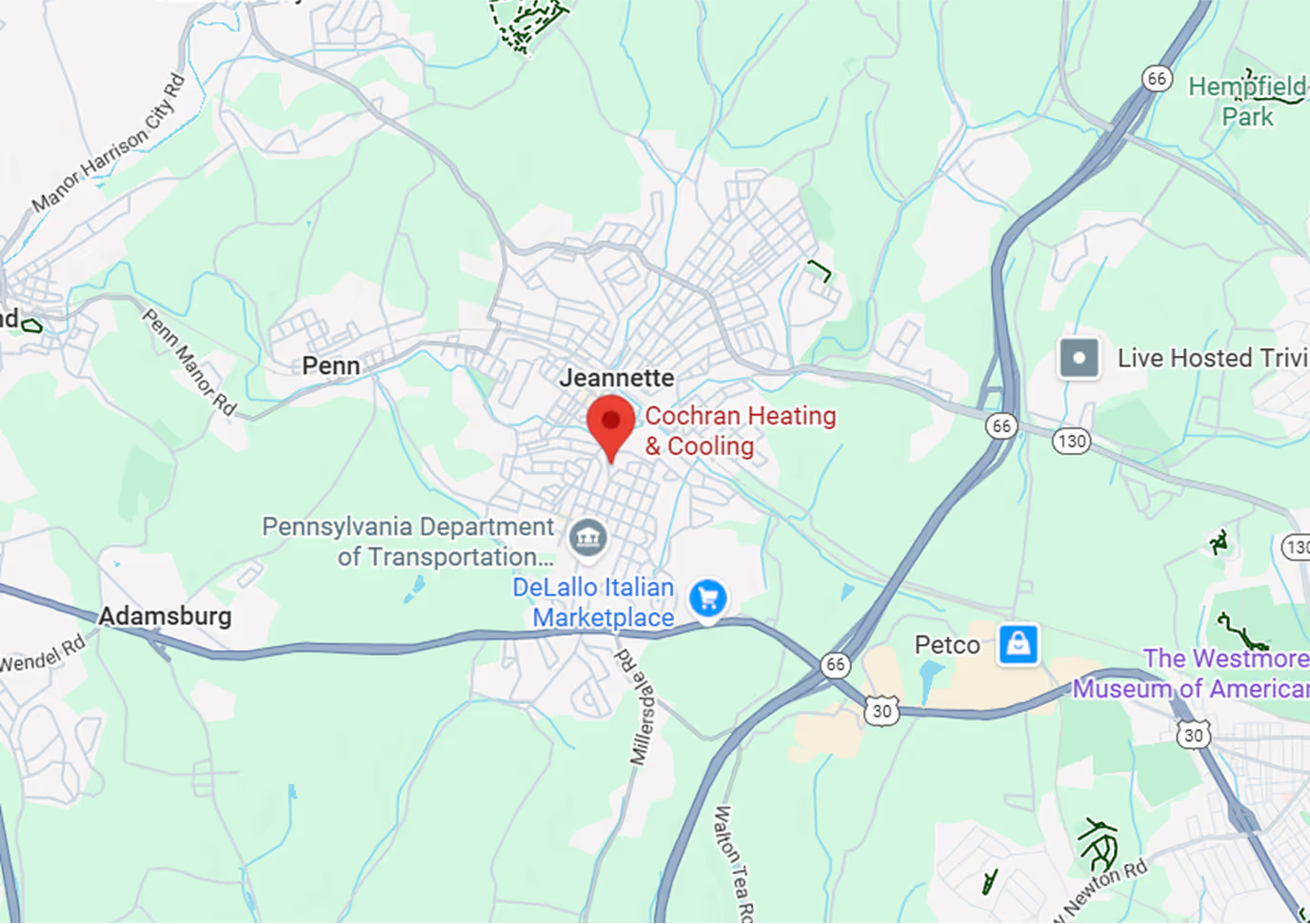
Heating Maintenance in Delmont, PA
Delmont, PA, winters demand a lot from your heating system. The cold temperatures and frequent freeze-thaw cycles can really put furnaces, boilers, and heat pumps to the test. That's why Cochran Heating & Cooling stresses the importance of professional heating maintenance. It's not just about preventing midwinter breakdowns; it's about improving your comfort, lowering energy bills, and ensuring your system operates safely. Let Cochran Heating & Cooling keep your home warm and worry-free all winter long.
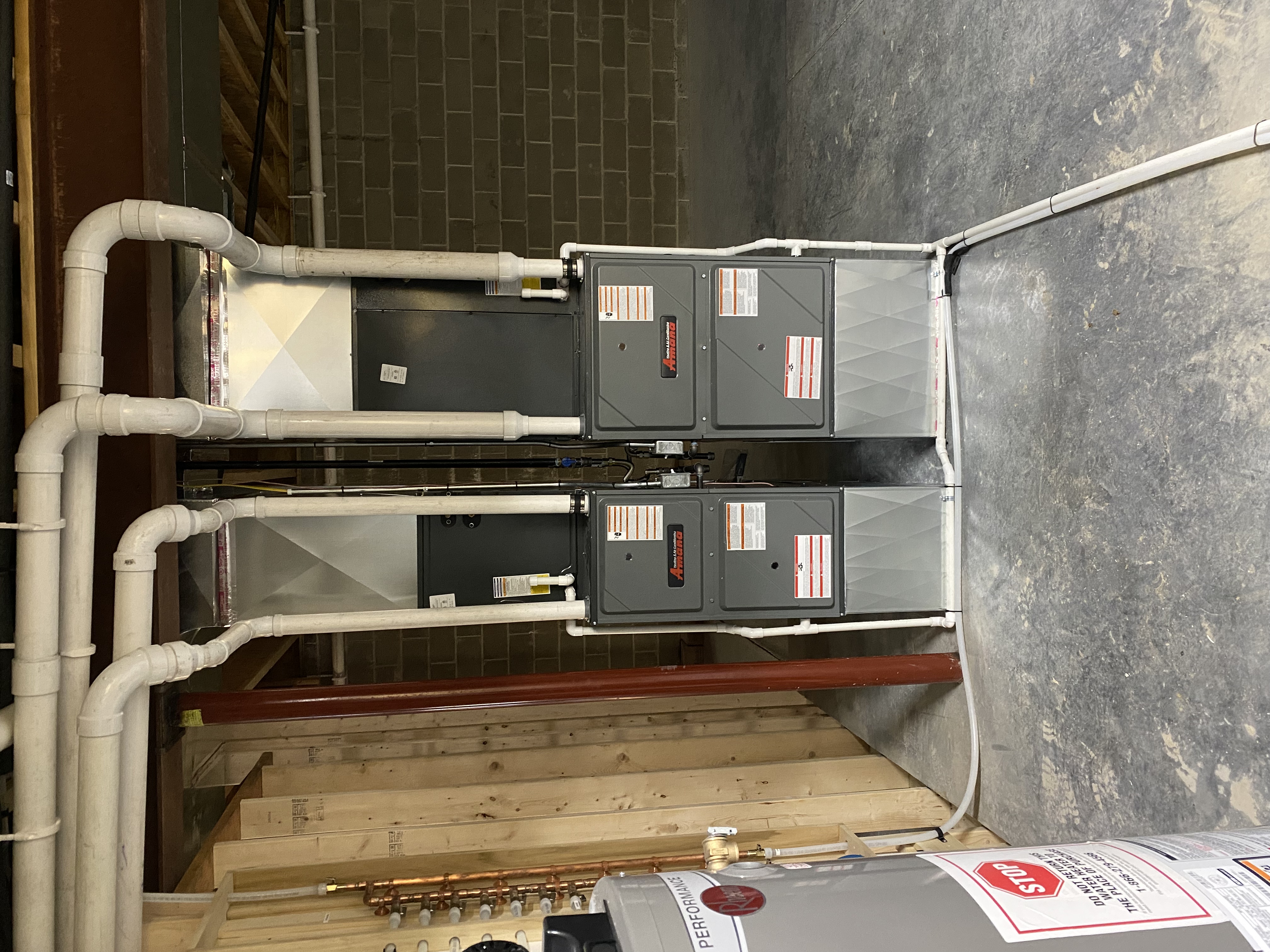
Heating Maintenance in Delmont, PA
Keeping your heating system serviced and tuned is essential in Delmont, PA, where cold winters and frequent freeze-thaw cycles put heavy demand on furnaces, boilers, and heat pumps. Professional heating maintenance prevents midwinter breakdowns, improves comfort, lowers energy use, and keeps systems operating safely. This page explains common heating maintenance services, how technicians diagnose problems, what tune-ups include, recommended service intervals for Delmont homes, maintenance agreement benefits, and practical tips to avoid unexpected failures.
Why heating maintenance matters in Delmont, PA
Delmont experiences long, cold stretches and occasional heavy snowfall that increase run-times for heating equipment. Older homes in the Westmoreland County area often have aging furnaces or boilers that are more likely to suffer from clogged burners, corroded heat exchangers, or poor airflow. Regular maintenance reduces the risk of carbon monoxide leaks, improves combustion efficiency in gas or oil systems, prevents frozen condensate lines in high-efficiency units, and extends the life of your equipment.
Common heating maintenance issues in Delmont
- Dirty or clogged air filters reducing airflow and forcing systems to work harder
- Soot buildup and dirty burners on gas or oil-fired equipment lowering efficiency
- Fouled ignition electrodes or pilot assemblies causing intermittent starts
- Incomplete combustion producing elevated carbon monoxide or exhaust problems
- Worn belts, bearings, or motors increasing operating noise and energy use
- Restricted vents or blocked flues from debris or animal nests
- Leaks or scale in hydronic systems and boilers affecting heat transfer
- Thermostat calibration drift resulting in uneven temperatures and cycling
Typical seasonal inspection and tune-up process
A comprehensive heating tune-up follows a structured checklist to catch current problems and prevent future ones. Key steps include:
- Visual inspection of unit, piping, vents, flue, and combustion chamber
- Filter inspection and replacement or recommendation for correct MERV rating
- Burner and electrode cleaning for gas or oil systems to ensure reliable ignition
- Combustion analysis on gas and oil equipment to measure efficiency and CO levels
- Heat exchanger and flue inspection to detect cracks, corrosion, or blockages
- Safety control checks including limit switches, pressure controls, and CO detectors
- Fan, blower, motor, and belt inspection with lubrication and adjustments as needed
- Thermostat calibration and system cycle testing to confirm correct operation
- Ductwork and vent airflow check, with recommendations for sealing or cleaning if needed
- For heat pumps: refrigerant level check, reversing valve test, and defrost cycle assessment
Repairs and solutions explained plainly
- Filter replacement and airflow fixes: Simple, low-cost fixes that restore efficiency and reduce wear. Filters in Delmont homes often need more frequent attention during peak winter use.
- Burner and electrode cleaning: Removes deposits that prevent stable flames and efficient combustion. Regular cleaning reduces soot and keeps emissions within safe limits.
- Combustion adjustments: Small tune-ups to fuel-air mix can significantly improve efficiency and lower fuel bills while reducing carbon monoxide risk.
- Heat exchanger and flue repairs: If corrosion or cracks are detected, repairs or replacements are necessary for safety—these issues are more likely in systems that run continuously through Delmont’s cold months.
- Duct sealing and balancing: Sealing leaks and balancing airflow improves comfort and lowers workload on the heating unit.
- Hydronic system maintenance: Flushing, checking expansion tanks, and repairing leaks keeps boilers running smoothly and prevents pressure-related shutdowns.
Recommended service intervals for Delmont homes
- Gas and oil furnaces: Annual professional inspection and tune-up before the heating season
- Boilers: Annual inspection and combustion testing; more frequent for older systems or those showing sediment buildup
- Heat pumps: Biannual service is recommended—once before heating season and once before cooling season—to check refrigerant and reversing components
- Air filters: Inspect monthly; replace every 1-3 months depending on filter type, household pets, and indoor air quality needs
- Ductwork: Inspect every 2-3 years or when you notice uneven heating, airborne dust increases, or musty odors
Maintenance agreements and their benefits
Maintenance agreements typically bundle regular inspections with priority scheduling during peak demand, seasonal tune-ups, and discounts on parts and labor. For Delmont homeowners, common agreement features include:
- Priority service during cold snaps so repairs are handled faster when heating demand is highest
- Prescheduled annual or biannual tune-ups to keep systems on a preventive schedule
- Discounted diagnostic rates or parts pricing for covered equipment
- Documentation of service history, which helps maintain equipment warranties and supports resale value
Tips to prevent unexpected breakdowns
- Change or check filters monthly during winter to maintain airflow and efficiency
- Keep vents and radiators clear of furniture, curtains, and dust buildup
- Monitor your thermostat for odd cycling or temperature drift and replace batteries annually
- Insulate exposed pipes and seal drafty windows to reduce system strain
- Ensure outdoor units and flues are free of snow, leaves, and nests that can block airflow
- Install CO detectors on each level and test them regularly, especially in homes with combustion equipment
Long-term benefits of regular heating maintenance
Regular maintenance improves safety, reduces emergency repair frequency, and preserves equipment value. In Delmont’s climate, properly maintained systems run more reliably through long chill periods, consume less fuel, and help prevent costly midseason failures. Over time, consistent care delays major replacements, maintains warranty compliance for many manufacturers, and keeps indoor comfort steady across seasonal extremes.
FAQs
Q: How soon should I schedule heating maintenance before winter in Delmont, PA?
A: Schedule an annual inspection and tune-up in early fall so your system is cleaned, tested, and adjusted before extended cold sets in.
Q: How often should I change my furnace filter during heavy winter use?
A: Check filters monthly and replace them every 1-3 months. Households with pets or higher dust should replace filters more frequently.
Q: Will a tune-up reduce my heating bills?
A: Yes. Cleaning burners, adjusting combustion, and restoring proper airflow improve efficiency and can lower fuel consumption and operating costs.
Q: Are combustion tests and carbon monoxide checks part of a standard tune-up?
A: Yes. Combustion testing and CO level checks are standard for gas and oil systems to confirm safe and efficient operation.
Q: How do I know if my heat exchanger is cracked?
A: Signs include unexplained CO alarms, soot buildup, persistent odors, or reduced heating efficiency. Only a professional inspection can confirm a crack.
Q: Should heat pumps get serviced differently than furnaces in Delmont winters?
A: Heat pumps benefit from two seasonal checks (pre-winter and pre-summer) to verify refrigerant, defrost cycles, and reversing valve performance in addition to general maintenance tasks.