Heating Maintenance in Scottsdale, PA
Keeping your heating system running reliably throughout Pennsylvania's long winters starts with professional, routine heating maintenance from Cochran Heating & Cooling. In Scottsdale, PA, where cold temperatures, snow, and freeze-thaw cycles put extra strain on furnaces, boilers, and heat pumps, regular tune-ups and safety inspections are essential. These services reduce breakdowns, extend equipment life, and keep energy costs under control, protecting your comfort and your investment.
Heating Maintenance in Scottsdale, PA
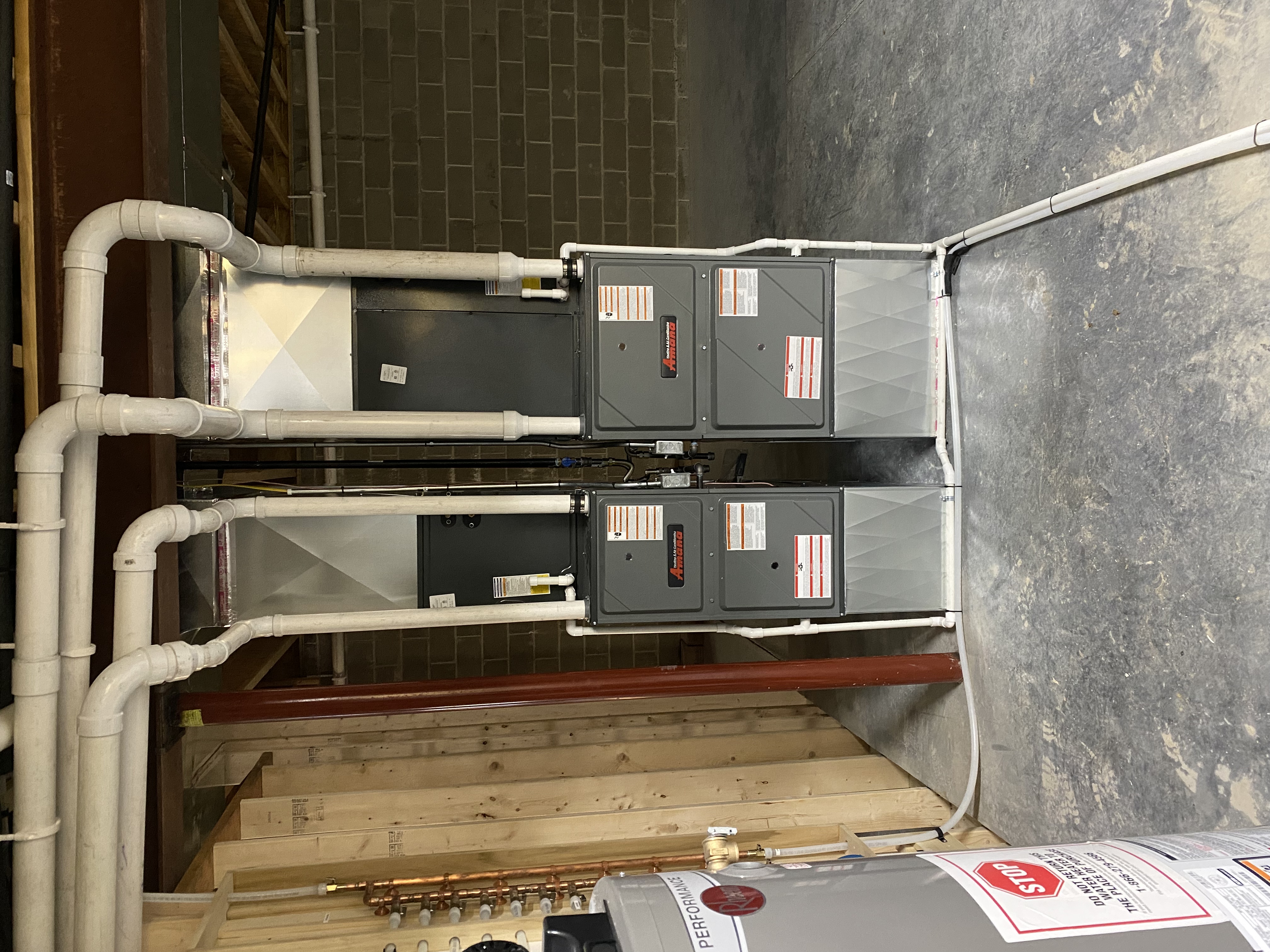
Keeping your heating system running reliably through long Pennsylvania winters starts with professional, routine heating maintenance. In Scottsdale, PA homes, where cold temperatures, snow, and freeze-thaw cycles increase strain on furnaces, boilers, and heat pumps, regular tune-ups and safety inspections reduce breakdowns, extend equipment life, and keep energy costs under control. Below is a clear, expert guide to what thorough heating maintenance looks like, why it matters, and how scheduled care protects your comfort and your investment.
Common heating maintenance issues in Scottsdale, PA
- Clogged or dirty air filters causing reduced airflow and higher energy use.
- Worn or dirty burners and coils that reduce combustion efficiency and heat transfer.
- Condensate line blockages or frozen drains in high-humidity or cold snaps.
- Ignition and pilot control problems on older furnaces and boilers.
- Cracked heat exchangers or flue obstructions that create safety hazards.
- Low refrigerant or dirty outdoor coils on heat pumps, leading to poor performance.
- Loose electrical connections, failing motors, and worn belts that cause intermittent operation or failure.
- Thermostat miscalibration, uneven heating, or short cycling caused by control issues.
What routine heating maintenance includes
A complete maintenance visit targets safety, efficiency, and performance. Typical steps include:
- Seasonal tune-up and visual system inspection.
- Safety inspections: combustion safety checks, carbon monoxide risk assessment, heat exchanger visual check where accessible, and venting/flue integrity.
- Filter inspection and replacement recommendations based on filter type and home use.
- Cleaning of burners, ignition assemblies, and coils to restore efficient combustion and heat transfer.
- Condensate line cleaning and trap checks to prevent backups and water damage.
- Lubrication of moving parts, belt inspection, and motor checks.
- Electrical system check: tighten connections, test capacitors and relays.
- Thermostat calibration and control verification for stable, efficient operation.
- Airflow testing and ductwork inspection for leaks or blockages that reduce comfort.
- Efficiency and performance testing: system run through cycles, temperature rise checks, and where applicable combustion analysis or refrigerant level checks for heat pumps.
- Written service notes with findings and prioritized recommendations for repairs or replacements.
Diagnostic and service process
- Pre-inspection: document system age, service history, and homeowner observations.
- Safety checks: verify safe operation before extended testing.
- Cleaning and basic repairs: remove soot, debris, and minor obstructions.
- Performance testing: run system through normal cycles and measure output and efficiency.
- Adjustment and optimization: tune burners, calibrate thermostats, and optimize settings for Scottsdale winter conditions.
- Report and recommendations: clear explanation of any issues, estimated impact on operation and efficiency, and suggested next steps.
Typical maintenance visits take 45 to 90 minutes depending on system complexity and findings.
Recommended maintenance schedule for Scottsdale, PA
- Annual heating tune-up in late summer or early fall before the heating season begins. This timing helps prevent winter breakdowns and ensures peak efficiency.
- Heat pumps: professional check twice per year (fall and spring) to cover heating and cooling seasons.
- Replace or inspect disposable filters every 1 to 3 months depending on filter MERV rating, household pets, and occupancy. High-efficiency or pleated filters may last longer but still need regular checks.
- Homes with older equipment or frequent heavy use should consider more frequent inspections.
Benefits of preventative heating maintenance
- Reduced breakdowns and emergency repairs during the coldest weeks.
- Longer equipment life through early detection of wear and small failures.
- Improved efficiency that lowers monthly energy bills and reduces carbon footprint.
- Enhanced safety by identifying combustion and venting risks, including carbon monoxide hazards.
- Better comfort with more consistent indoor temperatures and fewer cold spots.
- Documentation for warranty compliance and better resale value when maintenance records are available.
Optional maintenance contracts and priority service plans
Maintenance agreements provide predictable care and added peace of mind. Typical plan features:
- Scheduled seasonal tune-ups with reminders.
- Priority scheduling during peak heating season so repairs happen sooner.
- Discounts on diagnostic fees, repairs, and replacement parts.
- Waived or reduced emergency service fees for enrolled systems.
- Maintenance records kept on file to support warranties and future service decisions.
- Flexible plan levels from basic tune-ups to comprehensive coverage that includes labor discounts.
These plans are particularly useful for Scottsdale homeowners with older systems, second homes, or properties that cannot tolerate long service delays during winter storms.
Safety and efficiency considerations specific to Scottsdale, PA homes
Scottsdale experiences cold winters and occasional heavy snow, which increases demand on heating systems and raises the risk of frozen condensate lines and outdoor unit icing for heat pumps. Many local homes have older heating appliances and chimney systems that can be compromised by age and moisture exposure. Seasonal tune-ups before winter help prevent the most common local failures and ensure safe ventilation of combustion gases. Proper maintenance also reduces the risk of costly mid-winter replacements when parts are in short supply.
Q: How often should I schedule heating maintenance for a gas furnace in Scottsdale, PA?
A: Annual professional maintenance in late summer or early fall is recommended; check filters every 1 to 3 months.
Q: Will maintenance help lower my heating bills?
A: Yes. Cleaning, calibrating, and testing restore efficiency, which typically reduces fuel or electricity consumption and lowers monthly bills.
Q: What does a safety inspection include?
A: Safety checks include combustion verification, flue and vent inspection, visual heat exchanger checks where possible, carbon monoxide risk assessment, and testing of safety controls.
Q: Are maintenance contracts worth it for older homes?
A: For older systems, maintenance agreements can be worth the investment because they ensure regular service, priority response, and documented maintenance that can extend equipment life and reduce emergency costs.
Q: Can I perform any maintenance tasks myself?
A: Homeowners can change disposable filters regularly and keep vents and outdoor units clear of debris. Professional inspection and internal cleaning should be performed by qualified technicians to ensure safety and avoid damage.