HVAC Installation in Westmoreland County, PA
Installing a new HVAC system is one of the most impactful investments you can make in a Westmorland County, PA home. With cold, snowy winters and warm, humid summers, properly sized and professionally installed heating and cooling equipment improves comfort, lowers energy use, and reduces repair risks over time. Cochran Heating & Cooling approaches every installation with a structured, code-compliant process that begins with a detailed consultation and load calculation and finishes with commissioning, warranty registration, and homeowner orientation. We'll explain what to expect from a full HVAC installation in Westmorland County, PA, the types of systems commonly recommended here, permitting and safety practices, testing and warranty steps, and typical financing options to help homeowners make an informed decision.
HVAC Installation in Westmoreland County, PA
Installing a new HVAC system is one of the most impactful investments you can make in a Westmoreland County, PA home. With cold, snowy winters and warm, humid summers, properly sized and professionally installed heating and cooling equipment improves comfort, lowers energy use, and reduces repair risks over time. Cochran Heating & Cooling approaches every installation with a structured, code-compliant process that begins with a detailed consultation and load calculation and finishes with commissioning, warranty registration, and homeowner orientation. This page explains what to expect from a full HVAC installation in Westmoreland County, PA, the types of systems commonly recommended here, permitting and safety practices, testing and warranty steps, and typical financing options to help homeowners make an informed decision.
Why a proper HVAC installation matters in Westmoreland County, PA
Westmoreland County homes face large seasonal swings. Efficient heating is critical during prolonged below-freezing stretches, while reliable cooling and humidity control matter during humid summer days. Many homes in the region are older and may have undersized or leaky duct systems, outdated single-stage furnaces, or inefficient window units that drive up energy costs and reduce comfort. A correct HVAC installation takes local climate, home construction, and living patterns into account so the system performs as intended year after year.
Key local factors we consider:
- Cold winter design temperatures and extended heating seasons.
- Periods of high summer humidity that require proper dehumidification and airflow.
- Older homes with unique venting and duct challenges that affect airflow and system sizing.
- Availability of utility rebates and evolving incentives for high-efficiency equipment and heat pumps in Pennsylvania.
Common HVAC installation types for Westmoreland County homes
Cochran Heating & Cooling recommends equipment tailored to each home and household needs. Common options include:
- High-efficiency gas furnaces: Best for homes with natural gas service that need reliable winter heating. Modern models offer variable-speed blowers and modulating burners for tighter temperature control and improved efficiency.
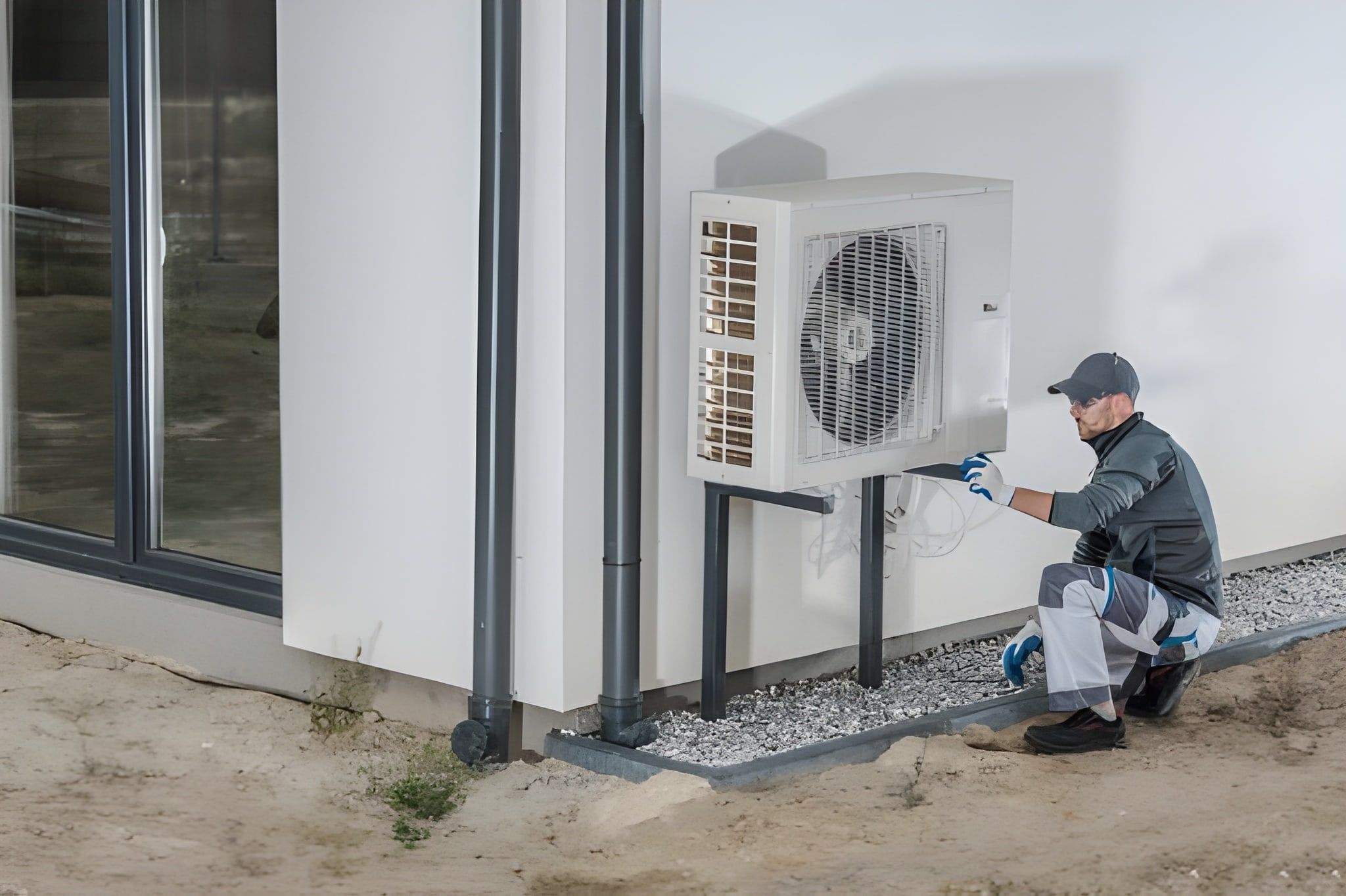
- Air-source heat pumps: Increasingly popular in the region for both heating and cooling. Cold-climate heat pumps maintain performance at lower temperatures and can significantly reduce energy costs when paired with existing ductwork or as ductless systems.
- Ductless mini-split systems: Ideal for older homes without ducts, additions, sunrooms, or supplementary zone heating and cooling. They offer room-by-room control and high efficiency.
- Packaged systems: Useful for smaller homes or commercial spaces where outdoor air handling space is limited.
- Boilers: For homes with hydronic heating (radiators or in-floor systems), modern condensing boilers increase efficiency and improve hot water production in winter months.
- Hybrid systems: Combinations of heat pumps and furnaces for optimized seasonal performance in climates with cold winters.
Each system type is matched with sensible recommendations about equipment efficiency, sizing, and controls to meet comfort goals and budget priorities.
The Cochran Heating & Cooling installation process: step by step
A professional installation reduces callbacks and ensures long-term performance. Here is the standard process Cochran Heating & Cooling follows for every HVAC installation in Westmoreland County, PA:
- Initial consultation and home walk-through
- We evaluate the home layout, existing equipment, attic and crawlspace conditions, duct system, insulation levels, and energy usage patterns.
- We discuss comfort priorities, indoor air quality concerns, thermostat preferences, and budget constraints.
- This step identifies potential obstacles such as limited access, required electrical upgrades, or necessary duct repairs.
- Load calculations and system selection
- A Manual J heat loss and heat gain calculation is completed to size heating and cooling equipment accurately. Proper sizing prevents short cycling, inefficient operation, and uneven comfort.
- We consider Manual D duct design when applicable to ensure sufficient airflow and balanced distribution.
- Equipment recommendations include energy efficiency metrics (AFUE for furnaces, SEER and HSPF for heat pumps, AFUE for boilers) and whether variable-speed or multi-stage components are warranted based on the home profile.
- Detailed proposal and equipment choices
- The proposal outlines recommended models, scope of work, necessary duct or ventilation modifications, permitting, and anticipated timeline.
- We explain the operational advantages of high-efficiency equipment, basic differences between variable-speed and single-stage systems, and the benefits of zoning or smart thermostats for Westmoreland County homes.
- Permitting and inspection coordination
- We obtain necessary permits from local municipalities in Westmoreland County and schedule required inspections. Permits ensure compliance with local and state codes and provide documented assurance that the installation meets safety and performance standards.
- Typical inspections include mechanical, electrical, and, where relevant, fuel-burning appliance clearances and venting verification.
- Professional installation and safety practices
- Cochran Heating & Cooling follows industry-standard safety practices: turning off power, verifying gas connections and pressures, proper venting for combustion appliances, and secure refrigerant handling.
- We install equipment on properly prepared mounts or pads, seal and insulate ducts, and ensure combustion air and clearances meet code.
- For refrigerant systems, we evacuate and charge to manufacturer specifications and verify line set insulation and routing to minimize energy losses.
- Commissioning and post-installation testing
- We perform a comprehensive commissioning sequence that includes refrigerant charge checks, airflow measurements, static pressure readings, gas combustion testing (for gas appliances), and heat exchanger inspection where applicable.
- Thermostat calibration and programming for occupancy schedules and setback temperatures are completed to align system operation with homeowner preferences and efficiency goals.
- We balance airflow to ensure even temperatures throughout the home and document performance readings.
- Warranty registration and owner orientation
- Manufacturer warranties are registered as required. Cochran Heating & Cooling documents its workmanship warranty and explains what it covers and the process for service calls within the warranty period.
- The homeowner receives a walkthrough covering basic operation, filter replacement schedules, and recommended maintenance intervals. This ensures the system performs reliably over its expected service life.
How we size systems for Westmoreland County homes
Proper sizing is critical for performance and longevity. Oversized equipment cycles on and off frequently, reducing efficiency and increasing wear. Undersized equipment struggles to maintain comfort during extreme weather. Cochran Heating & Cooling uses industry-standard Manual J calculations to determine heating and cooling loads based on:
- Home square footage and orientation
- Insulation levels in walls and attic
- Window types, size, and orientation
- Air infiltration rates and door sealing
- Local design temperatures for Westmoreland County, PA
- Internal heat gains from appliances and occupants
We pair the load results with Manual D duct design where new ductwork or significant changes are required. This ensures each room receives appropriate airflow and that return and supply paths are balanced.
Ductwork, ventilation, and indoor air quality
Many installations in Westmoreland County require attention to ducts before or during equipment replacement. Common duct-related services include:
- Duct sealing and insulation: Leaky or uninsulated ducts can lose significant conditioned air, particularly in unconditioned attics or crawlspaces. Sealing and insulating ducts improves efficiency and comfort.
- Duct resizing or redesign: Older homes may have undersized trunk lines or poorly located registers that create hot and cold spots. Proper design improves distribution and reduces noise.
- Fresh air ventilation: Tight, energy-efficient homes can trap pollutants. Adding controlled ventilation or energy recovery ventilators helps maintain indoor air quality without sacrificing efficiency.
- Filtration and air cleaning: Upgrading filters and adding electronic air cleaners or UV air purifiers can address allergies, dust, and microbial concerns common in humid summer months.
Addressing these areas during installation is cost-effective and ensures the new equipment operates as intended.
Safety, code compliance, and permitting in Westmoreland County, PA
Cochran Heating & Cooling places safety and code compliance at the center of every installation. Typical safety steps include:
- Proper gas line sizing and leak testing for gas appliances.
- Combustion appliance venting verification and draft testing where applicable.
- Electrical load verification and proper circuit protection for compressors and blowers.
- Clearance and support requirements for outdoor units and rooftop equipment.
- Refrigerant handling procedures that comply with EPA guidelines, including leak checks and proper disposal of old refrigerants.
We submit permit applications and coordinate inspections with municipal code officials. Documentation of permits and inspections gives homeowners peace of mind and protects resale value by showing legally compliant upgrades.
Warranty, testing, and long-term reliability
A thorough installation is only as good as the documentation and testing that follow. Cochran Heating & Cooling emphasizes:
- Manufacturer warranty registration to secure component coverage.
- Documentation of system settings and commissioning test results for future troubleshooting.
- Company workmanship warranty covering installation-related issues for a stated period.
- Recommendations for preventive maintenance plans to extend system life and maintain warranty requirements.
Commissioning tests include refrigerant pressure and charge verification, airflow measurements, electrical draw checks, and, for gas systems, combustion efficiency and carbon monoxide checks. All testing is recorded and left with the homeowner.
Financing and incentives for Westmoreland County homeowners
Replacing an HVAC system is a major expense, and several financing options may make new installations more accessible:
- Financing plans: Many homeowners use low-interest or deferred-payment financing plans to spread the cost over time. Cochran Heating & Cooling outlines financing program terms and helps homeowners determine monthly payments that fit their budgets.
- Utility rebates: Local utilities sometimes offer rebates for high-efficiency furnaces, heat pumps, or geothermal systems. These incentives vary and may apply to upgrades that reduce peak demand or energy usage.
- Federal and state incentives: Energy-efficient equipment and certain heat pump technologies may qualify for federal or state tax credits or rebates. Eligibility depends on equipment specifications, installation date, and homeowner status.
- Manufacturer promotions: At times, manufacturers offer seasonal promotions on qualifying models that improve affordability.
While incentives change over time, we help homeowners by identifying likely opportunities and ensuring equipment specifications meet program requirements when possible. Financing discussions are confidential and tailored to the homeowner without pressure.
Common installation challenges and how we solve them
Older homes and unique site conditions in Westmoreland County can present challenges during installation. Cochran Heating & Cooling has experience resolving typical issues:
- Limited equipment access: For tight basements or small mechanical closets, we plan component placement and access clearances to meet code and allow future service access.
- Electrical service limitations: Some homes need a service panel upgrade to handle modern HVAC electrical requirements. We evaluate and coordinate required electrical work to prevent delayed start-ups.
- Duct system incompatibility: When existing ducts cannot deliver required airflow, we offer options such as duct redesign, installing a higher-capacity air handler with appropriate fan control, or switching to ductless systems.
- Fuel type changes: Switching from oil or electric resistance to natural gas or heat pump systems involves coordinating fuel line work or gas service connections. We work with local fuel suppliers and inspectors to ensure seamless transitions.
Anticipating these issues during the consultation phase allows realistic timelines and prevents unexpected costs.
Post-installation care and recommended maintenance
Optimal performance requires regular maintenance. For Westmoreland County homes, seasonal service protects equipment during the most demanding months. Recommended practices include:
- Replace or clean filters every 1 to 3 months depending on filter type and occupancy.
- Annual heating tune-up before the heating season to check combustion, controls, and safety devices in gas or oil systems.
- Annual cooling tune-up in spring to verify refrigerant charge, inspect coils, and confirm efficient operation.
- Keep outdoor units clear of debris, snow, and vegetation; ensure adequate airflow around the condenser.
- Maintain recommended humidity levels with whole-home dehumidification or proper ventilation to protect comfort and building envelopes during humid months.
- Schedule duct inspections every few years, especially after renovations or pest activity.
Following a simple maintenance schedule reduces repair needs and helps preserve system efficiency over the long term.
How Cochran Heating & Cooling ensures homeowner confidence
Cochran Heating & Cooling integrates transparent communication, compliance, and documented performance into each installation. Homeowners receive:
- A clear scope of work and equipment specification before installation begins.
- Documentation of permits and inspection approvals.
- Commissioning test results and operational settings for future reference.
- Advice on maintenance needs and performance expectations tailored to Westmoreland County weather patterns.
This documentation and attention to local conditions help families understand how their system will perform through Westmoreland County winters and summers.
Frequently Asked Questions
Q: How long does a typical HVAC installation take?
A: A straightforward replacement of like-for-like equipment in an accessible location often takes one to three days. More complex installations involving ductwork, system conversions, or boiler work can take several days to a week. Timeline depends on permitting, required electrical or gas work, and any unforeseen structural constraints.
Q: Will I need a permit for an HVAC replacement in Westmoreland County, PA?
A: Most major HVAC installations require permits and inspections to ensure code compliance and safety. Cochran Heating & Cooling handles permit applications and coordinates inspections with local municipalities to ensure the work is documented and inspected.
Q: Should I repair my existing system or replace it?
A: Replacement is generally recommended when the system is near the end of its expected service life, requires frequent costly repairs, or cannot meet current comfort or efficiency needs. A careful evaluation of repair frequency, remaining useful life, and projected energy savings from a new high-efficiency system helps inform the decision.
Q: How is correct sizing determined for my home?
A: We perform a Manual J heat loss and heat gain calculation that accounts for your home size, insulation, windows, air infiltration, orientation, and local Westmoreland County design temperatures. This calculation ensures the system is right-sized to avoid short cycling or inadequate performance.
Q: Do heat pumps work in Westmoreland County winters?
A: Modern cold-climate heat pumps are designed to operate efficiently at low temperatures and are a viable option in Westmoreland County, especially when combined with supplemental heating strategies or hybrid systems. Proper sizing and using models rated for cold performance are important.
Q: What ongoing maintenance is required after installation?
A: Regular filter changes every 1 to 3 months, annual professional tune-ups for heating and cooling systems, keeping outdoor units clear of debris and snow, and periodic duct inspections are recommended to maintain efficiency and reliability.
Q: Are there rebates or incentives for installing high-efficiency HVAC equipment?
A: Incentives and rebates change over time. High-efficiency equipment and certain heat pumps may qualify for utility rebates, manufacturer promotions, or federal and state incentives. Cochran Heating & Cooling can help identify likely opportunities and ensure equipment meets program requirements when applicable.
Q: Will a new HVAC system reduce my energy bills?
A: A properly sized, high-efficiency system paired with sealed and insulated ducts, correct refrigerant charge, and proper controls typically lowers energy use and improves comfort. Exact savings depend on the previous system efficiency, usage patterns, and home envelope improvements.
Q: What warranties are included with a new system?
A: New equipment carries manufacturer component warranties that vary by model and brand. Cochran Heating & Cooling provides documentation for manufacturer registration and explains the company workmanship warranty covering installation-related issues. Warranty details and durations are provided with the proposal and at completion.
Q: Can you install a system without ductwork?
A: Yes. Ductless mini-splits are an effective option for homes without ducts, additions, or areas with unique zoning needs. They provide room-by-room control and can be paired with existing systems if partial ductwork exists.