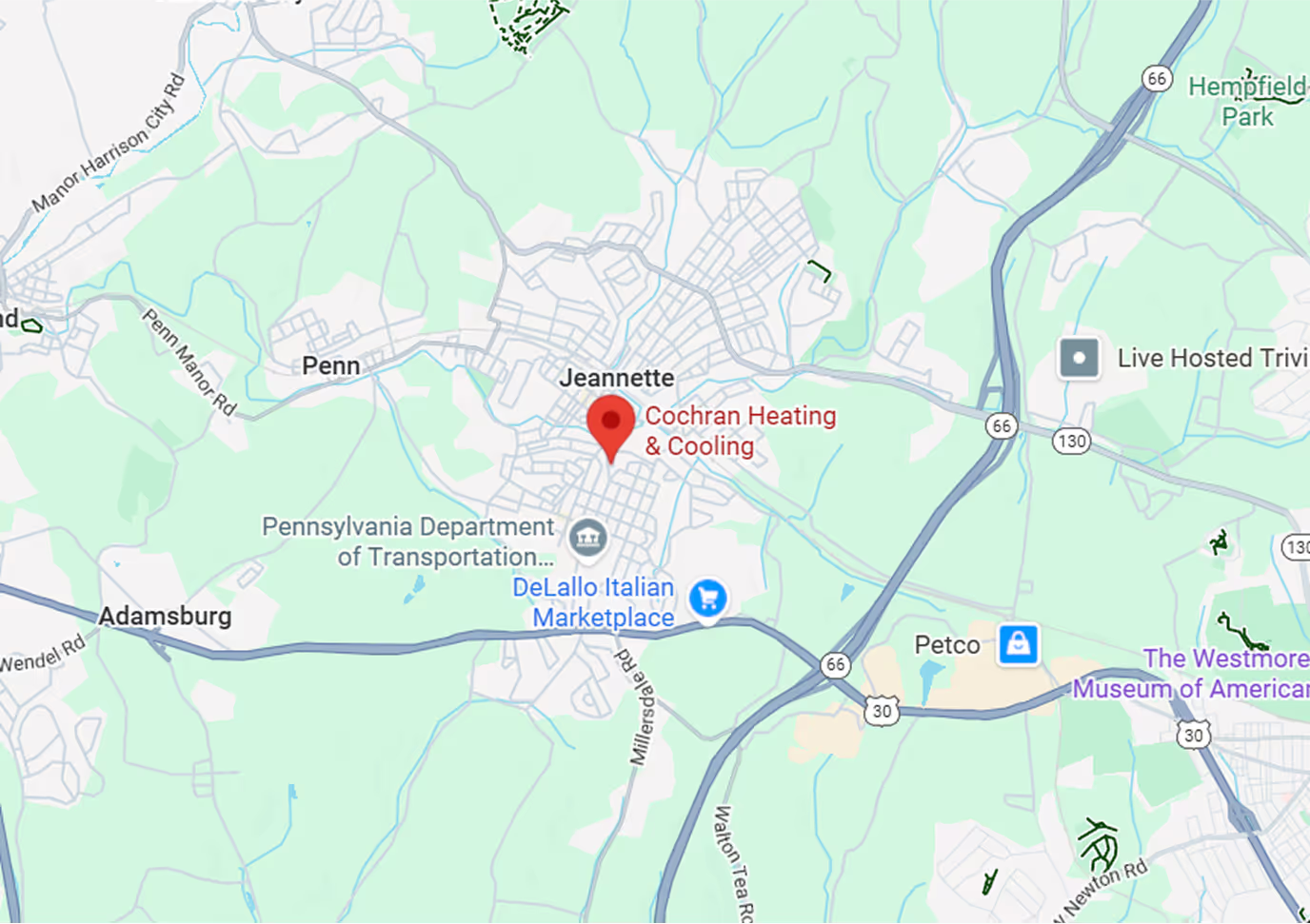
HVAC Repair in Westmoreland County, PA
Cochran Heating & Cooling provides comprehensive HVAC repair in Westmorland County, PA, designed for homeowners and property managers who need fast, reliable solutions for furnaces, boilers, heat pumps, and air conditioners. In a region that experiences long, cold winters and humid summers, a properly functioning HVAC system is essential for comfort, safety, and efficient energy use. We'll outline emergency and scheduled repair services, how diagnostics are performed, the most common failure modes in local homes, expected repair workflows, parts and warranty considerations, typical response times including 24/7 emergency availability, and clear, practical steps for scheduling service.
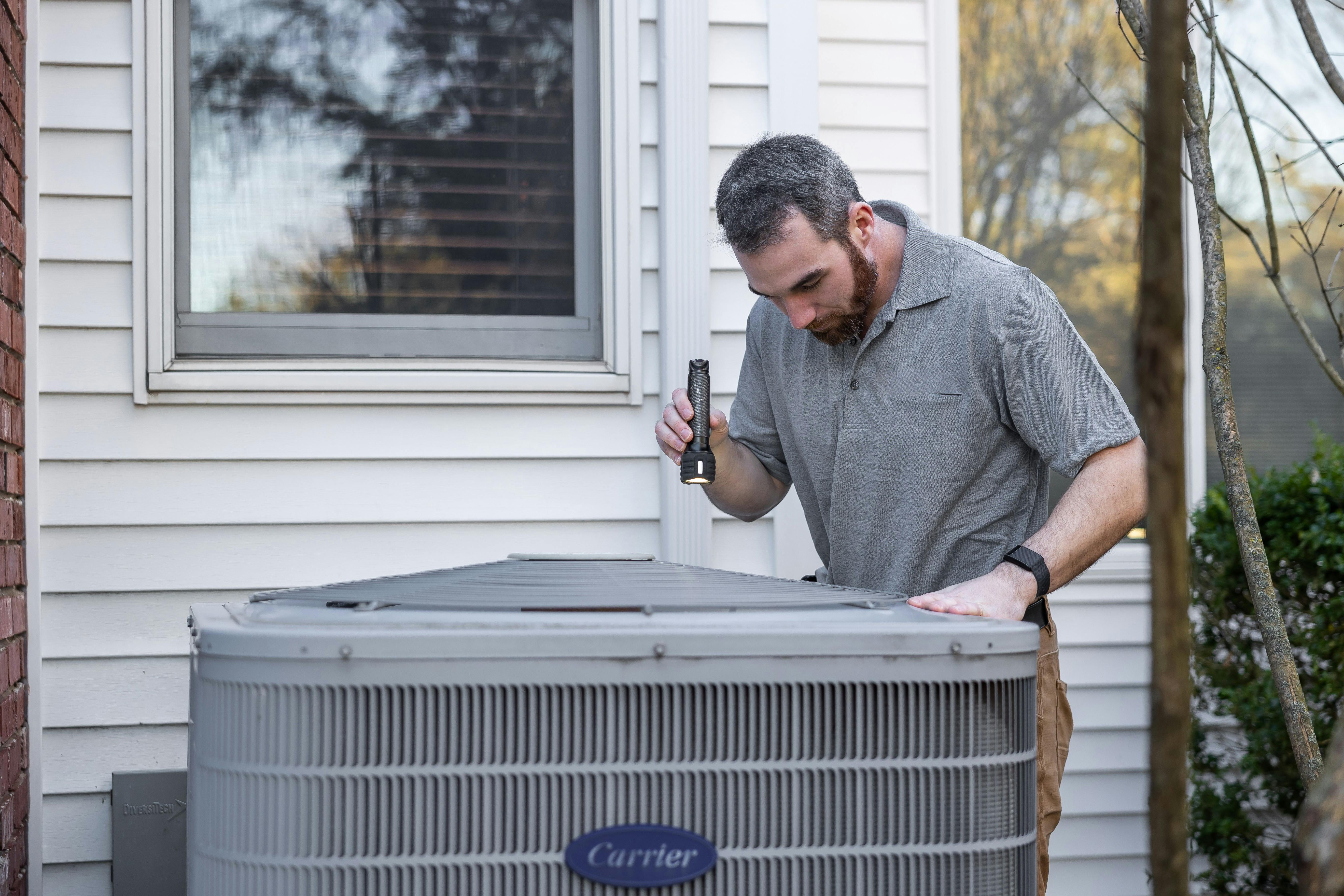
HVAC Repair in Westmoreland County, PA
Cochran Heating & Cooling provides comprehensive HVAC repair in Westmoreland County, PA, designed for homeowners and property managers who need fast, reliable solutions for furnaces, boilers, heat pumps, and air conditioners. In a region that experiences long, cold winters and humid summers, a properly functioning HVAC system is essential for comfort, safety, and efficient energy use. This page outlines emergency and scheduled repair services, how diagnostics are performed, the most common failure modes in local homes, expected repair workflows, parts and warranty considerations, typical response times including 24/7 emergency availability, and clear, practical steps for scheduling service.
Why timely HVAC repair matters in Westmoreland County, PA
- Winters in Westmoreland County place heavy demand on heating systems. A minor furnace or boiler issue can quickly become a dangerous breakdown when temperatures drop.
- Humid, warm summers increase air conditioner workload and can reveal compressor or refrigerant leaks that reduce comfort and indoor air quality.
- Climate-driven cycling between heating and cooling seasons contributes to wear on components, controls, and ductwork. Addressing issues promptly avoids higher energy bills, uneven temperatures, and premature equipment replacement.Cochran Heating & Cooling focuses on rapid diagnostics and durable repairs that restore reliable operation while protecting system efficiency and indoor comfort.
Common HVAC failure modes for Westmoreland County equipmentUnderstanding common failure modes helps homeowners recognize problems early and choose the right repair path.
Furnaces
- Ignition failures: intermittent pilot lights, failed hot surface ignitors, or control board faults that prevent burners from lighting.
- Blower motor or capacitor failure: reduced airflow and inconsistent heat distribution.
- Flame sensor and limit switch issues: frequent short cycling or complete lockout.
- Gas valve or pressure problems: smells of gas, insufficient heat, or unsafe operation.
- Heat exchanger cracks: a safety concern producing exhaust leakage and requiring immediate assessment.
Boilers
- Ignition and pilot control faults leading to loss of heat.
- Circulator pump failures: noisy operation, cold radiators, or no hot water circulation.
- Pressure and expansion tank issues: frequent pressure drops or noisy piping.
- Corrosion and leaks: aging vessels, fittings, and valves that can produce water damage and reduced efficiency.
- Controls and thermostat communication failures that prevent accurate temperature regulation.
Heat pumps
- Reversing valve or defrost control failures causing improper heating or extended defrost cycles.
- Refrigerant leaks and compressor wear leading to reduced capacity.
- Electrical contactor and capacitor failures that prevent the outdoor unit from starting.
- Reduced efficiency and icing due to dirty coils or airflow restriction.
Air conditioners
- Refrigerant leaks and low charge: reduced cooling and high compressor stress.
- Compressor failure: noisy operation, overheating, or non-start conditions.
- Condenser fan motor or capacitor defects causing poor heat rejection.
- Clogged condensate drains and evaporator coil icing leading to water damage or shutdown.
- Thermostat and control board malfunctions affecting setpoint accuracy.
Diagnostic approach: how Cochran Heating & Cooling identifies the root causeEffective repairs start with accurate diagnostics. Cochran Heating & Cooling follows a systematic process to find underlying causes rather than just treating symptoms.
- Information gathering
- Technician collects system make, model, age, recent service history, observed symptoms, and any error codes reported by the system or thermostat.
- For recurring problems, the technician asks about the sequence of events, noises, odours, and patterns correlated with weather or usage.
- Visual and safety inspection
- Inspect for obvious hazards: gas smell, water leaks, damaged wiring, or blocked vents.
- Confirm power, thermostat settings, filter condition, and access to the equipment.
- Verify safety interlocks and combustion appliance ventilation where applicable.
- Operational testing
- Run the system under normal and diagnostic modes to observe start-up, run behavior, cycling patterns, and error codes.
- Measure voltages, amperages, temperatures, pressures (refrigerant systems), and airflow where needed.
- Check duct static pressure for airflow problems and inspect condensate drainage for blockages.
- Component-level evaluation
- Test suspect components such as capacitors, relays, motors, sensors, igniters, control boards, and pumps.
- Use pressure gauges for refrigerant systems and combustion analysis tools for gas-fired appliances when required.
- Diagnosis and options
- Present a clear diagnosis explaining root cause, safety implications, recommended repairs, and options such as part replacements, controls upgrades, or temporary measures.This method reduces repeat visits and ensures repairs target the true source of failure.
Expected repair workflows by systemBelow are typical repair workflows for common equipment found in Westmoreland County homes, showing what to expect during a scheduled repair visit or an emergency response.
Furnace repair workflow
- Initial assessment and safety check on arrival.
- Confirm fault with diagnostic testing and identify faulty components.
- Secure partial operation if necessary for immediate heat while preparing full repair.
- Replace faulty parts such as ignitors, gas valves, blowers, or control boards. Use OEM or approved aftermarket parts based on availability and system compatibility.
- Test system through multiple cycles, measure combustion where applicable, and verify safe operation and correct airflow.
- Provide documentation of parts used, recommended follow-up, and warranty details.
Boiler repair workflow
- Isolate and inspect the boiler and piping for leaks or pressure issues.
- Test circulator pumps, thermostats, and relief valves.
- Repair or replace components such as pumps, valves, sensors, and controllers. Flush and clean heat exchangers when scale and sediment reduce efficiency.
- Recommission system, set pressure and temperature parameters, and verify proper operation across radiators or baseboard loops.
- Document work and any system modifications.
Heat pump repair workflow
- Inspect outdoor unit, check reversing valve and defrost controls, and measure refrigerant charge.
- Repair leaks, replace compressors, motors, or control components as necessary.
- Replace electrical components such as contactors or capacitors.
- Test performance in both heating and cooling modes and review thermostat setup for heat pump staging.
- Explain any recommendations for supplemental heat or defrost control adjustments.
Air conditioner repair workflow
- Confirm refrigerant pressures and inspect for leaks and oil signs around service ports.
- Replace failing capacitors, fan motors, or compressors as required.
- Clean or replace coils and clear condensate drains to restore capacity.
- Evacuate and recharge refrigerant to proper manufacturer specifications if a leak was repaired.
- Run performance tests to confirm cooling capacity, superheat, and subcooling targets.
Parts, warranties, and replacement considerationsUnderstanding parts and warranty expectations helps homeowners make informed decisions.
Parts
- Original equipment manufacturer (OEM) components are recommended for critical parts when available, as they match factory specifications and maintain system integrity.
- Quality aftermarket parts may be used when OEM parts are unavailable or when cost-effective alternatives meet or exceed OEM specifications.
- For older systems nearing end of life, repair vs replacement considerations include the frequency of failures, system efficiency, and the availability of parts.
Warranties
- Manufacturer warranties typically cover parts for a defined period from installation or original equipment purchase and often exclude wear items such as filters and belts.
- Labor warranties are commonly provided by local service providers and vary in length. Cochran Heating & Cooling documents labor warranty terms on each repair ticket for clarity.
- When replacing components, the technician will explain applicable parts warranties and any labor coverage that applies to the work performed.
Replacement thresholds
- If repair costs approach a significant percentage of system replacement cost or when major components have already been replaced, a replacement recommendation may be more economical long term.
- For safety-related failures such as cracked heat exchangers, replacement is often required and will be documented as a critical safety recommendation.
Typical response times and emergency availability in Westmoreland County, PACochran Heating & Cooling structures response times to match the region’s climate-driven needs and the urgency of diverse failures.
Scheduled repairs
- For non-emergency issues, scheduled appointments are commonly available within 1 to 3 business days depending on seasonal demand.
- During peak periods, scheduling may be extended; diagnostics on the first visit identify immediate safety risks and suggest temporary mitigations if a same-day repair is not possible.
Emergency repairs
- 24/7 emergency availability is provided for critical failures affecting safety or immediate livability, such as complete heating loss during freezing weather, major gas leaks, or systems creating unsafe combustion conditions.
- Typical emergency response times vary with location and weather. In Westmoreland County, emergency dispatch aims for the fastest possible arrival given local road conditions and workload, with prioritized routes to areas most impacted by severe temperatures.
- Emergency triage on arrival includes a safety-first check and temporary measures to restore safe operation while permanent repairs are planned.
Response considerations for rural and suburban properties
- Travel times and parts availability can influence same-day repair feasibility in more remote parts of Westmoreland County. Technicians will often carry common replacement parts and diagnostic tools to complete many repairs on the first visit.
- Complex or rare parts may require ordering. When this occurs, a temporary solution or safe shutdown is provided until the necessary components arrive.
Clear steps to schedule HVAC repair serviceScheduling repairs is straightforward when you know what information to have ready and what to expect from the appointment scheduling process. The steps below are presented to help homeowners prepare without any pressure or obligation.
- Gather system information
- Locate the model and serial numbers of the HVAC equipment if possible. Note the age of the system and any recent maintenance or repairs.
- Identify symptoms, error codes, noises, smells, or patterns that help pinpoint timing and severity.
2. Describe the urgency and context
- Distinguish whether the issue is an emergency affecting safety or habitability or a scheduled repair request to restore efficiency or correct an annoyance.
- Provide information on the home layout and system type (single zone, multi-zone, ductless, hydronic, etc.) to help prioritize and prepare the technician.
3. Provide access and availability details
- Confirm where the equipment is located and whether special access is required (locked basements, gated properties, or restricted hours).
- Note any pets or specific on-site instructions for technician access to ensure safety and a smooth visit.
4. Appointment confirmation and preparatory steps
- Expect confirmation of appointment timing and an outline of what the technician will inspect.
- Clear space around indoor and outdoor units when possible, and ensure filter access is available for quick checks.
5. On-site diagnostic and estimate
- The technician performs a diagnostic evaluation and explains the findings, repair options, parts required, and projected timeline for completion.
- Written documentation of the diagnosis and warranty details for parts and labor is provided before work proceeds.
Maintenance, prevention, and local tips for Westmoreland County homesRegular care and local awareness reduce the need for emergency repairs and extend equipment life.
Routine maintenance items
- Change or clean filters every 1 to 3 months based on use and indoor air quality needs.
- Keep outdoor units clear of leaves, snow, and debris. This is especially important in spring and fall when foliage can clog condensers.
- Schedule annual heating system tune-ups before winter and cooling system checks before summer to identify weaknesses before they become failures.
- Inspect condensate drains and pans seasonally to prevent clogs and water damage.
Local considerations
- Freeze protection: Insulate exposed pipes, drain pans, and outdoor piping to minimize freeze damage in cold spells.
- Humidity control: Westmoreland County summers can increase humidity; consider proper dehumidification strategies or system balancing to reduce coil icing and microbial growth.
- Air filtration and ventilation: Older homes with tight envelopes may need enhanced filtration or balanced ventilation to maintain indoor air quality while preserving energy efficiency.
Benefits of prompt HVAC repair for homeowners in Westmoreland County
- Safety: Addressing combustion, gas, or electrical faults promptly mitigates carbon monoxide risk and other safety hazards.
- Comfort: Restoring proper operation reduces cold spots, hot spots, and excessive humidity for stable indoor conditions.
- Efficiency: Timely repairs prevent wasted energy from running underperforming equipment, saving on utility bills and reducing environmental impact.
- Longevity: Fixing small defects before they cascade into larger failures extends the useful life of major components like compressors, heat exchangers, and motors.
- Cost predictability: A clear diagnostic and repair plan helps homeowners budget and avoid unexpected breakdown expenses.
How Cochran Heating & Cooling documents and communicates repair workTransparency in repair work builds trust and ensures homeowners understand what was done and why.
- Written diagnostics and estimates: Technicians provide a clear description of findings, recommended repairs, parts used, and warranty coverage.
- Parts traceability: Documentation includes part numbers and warranty terms for any replaced components.
- Operational verification: After repairs, systems are tested through normal cycles and load conditions to confirm performance and safety.
- Follow-up recommendations: Technicians offer maintenance and monitoring suggestions tailored to the homeowner’s usage patterns and local climate effects.
When to call for emergency service vs scheduling a repairKnowing when an issue is an emergency helps prioritize safety and comfort.
Emergency indicators
- Loss of heat when outdoor temperatures are near or below freezing.
- Strong gas odor, hissing sounds near gas lines, or suspected leaks.
- Electrical burning smells, visible sparks, or smoke from HVAC equipment.
- Flooding, major water leaks from boilers, or overflowing condensate pans.
- Persistent carbon monoxide alarm activation or symptoms of carbon monoxide exposure.
Schedule for non-emergency issues
- Reduced cooling or heating output without immediate danger.
- Noisy operation, intermittent cycling, or minor thermostat irregularities.
- Routine component replacement or efficiency upgrades.These issues are appropriate for scheduled appointments where technicians can plan for parts and take the time necessary for lasting repairs.
FAQs
Q: What should I check before a repair technician arrives?
A: Verify the unit model and serial number if available, note symptoms and when they started, make space around indoor and outdoor equipment, and ensure safe access to the HVAC area. Changing a clogged filter before arrival can help determine whether the issue is filter-related.
Q: How long will a typical repair take?
A: Repair time depends on the failure. Many common repairs such as capacitor or blower motor replacement can be completed in a few hours. More involved work like compressor replacement, refrigerant recovery and recharge, or major boiler repairs can take longer and may require parts ordering.
Q: Are emergency services available on weekends and holidays?
A: Emergency response is structured to provide 24/7 availability for critical failures affecting safety or immediate livability. Response times vary by location and workload, with priority given to life-safety situations and severe temperature impacts.
Q: Do you use OEM parts or aftermarket parts?
A: OEM parts are preferred when available to preserve system specifications. Quality aftermarket parts may be used when OEM options are not available or if they provide equivalent performance. Documentation will list the parts used and their warranty.
Q: How do you handle refrigerant leaks and EPA requirements?
A: Refrigerant work follows all regulatory requirements including leak repair, recovery, and proper refrigerant handling. Technicians perform leak detection, repair the source, evacuate, and recharge to manufacturer specifications.
Q: What warranty information will I receive after a repair?
A: You will receive written documentation outlining parts warranties and any labor warranty provided for the repair. The specifics depend on part manufacturers and the scope of labor performed.
Q: When is replacement recommended instead of repair?
A: Replacement is recommended when repair costs approach a substantial fraction of replacement cost, when multiple major components have failed, when the system is inefficient relative to modern equipment, or when safety-critical failures such as a cracked heat exchanger are identified.
Q: What can I do to prevent frequent breakdowns?
A: Schedule annual maintenance for heating and cooling systems, change filters regularly, keep outdoor equipment clear of debris and snow, and address small issues early to prevent escalation.
Cochran Heating & Cooling prepares Westmoreland County homeowners for dependable performance through clear diagnostics, timely repairs, and professional documentation tailored to local climate demands and common system challenges. This focus ensures repairs restore safe, efficient, and reliable operation for the long term.