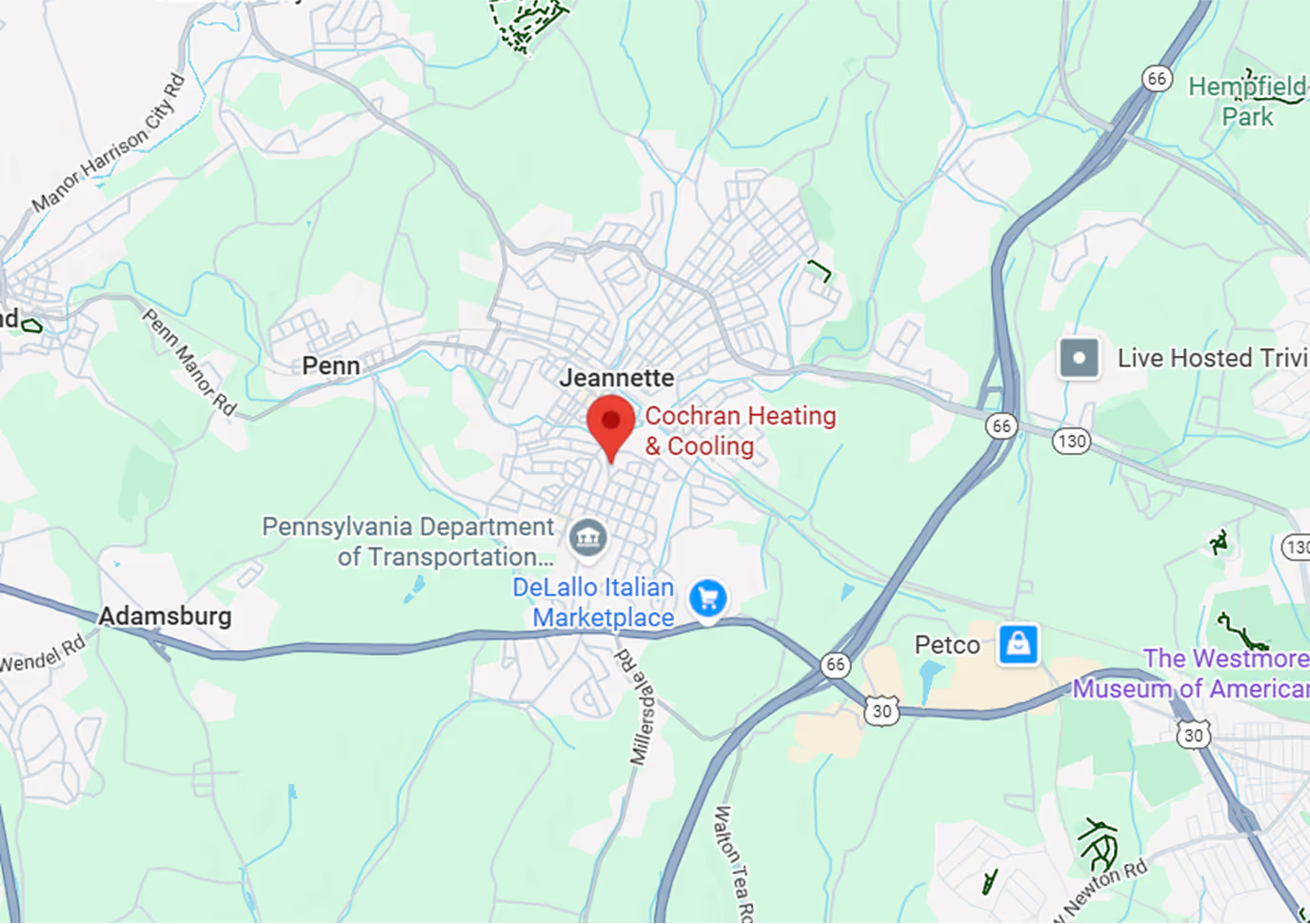
HVAC Replacement in North Huntington, PA
Replacing an HVAC system is one of the most impactful investments you can make in your home. For homeowners in North Huntington, PA, where winters are cold and heating demand dominates, selecting the right replacement system affects comfort, energy bills, and long term reliability. Cochran Heating & Cooling provides experienced, local guidance on HVAC replacement in North Huntington, PA, from accurate evaluation of your existing equipment to choosing the best high-efficiency solution and managing removal, installation, and long term maintenance.

HVAC Replacement in North Huntington, PA
Replacing an HVAC system is one of the most impactful investments you can make in your home. For homeowners in North Huntington, PA, where winters are cold and heating demand dominates, selecting the right replacement system affects comfort, energy bills, and long term reliability. Cochran Heating & Cooling provides experienced, local guidance on HVAC replacement in North Huntington, PA, from accurate evaluation of your existing equipment to choosing the best high-efficiency solution and managing removal, installation, and long term maintenance.
Why consider HVAC replacement now
Many homeowners delay replacement until a system fails. That approach can increase short-term risk and long-term costs. Early replacement is often the smarter choice when a system:
- Reaches typical end of life for its type (furnaces and heat pumps commonly last 12 to 20 years depending on use and maintenance)
- Requires frequent or costly repairs
- Shows declining efficiency or uneven heating and cooling in different rooms
- Uses outdated refrigerants or technology that make repairs expensive or impossible
- Fails to meet your comfort needs, such as keeping the house warm on North Huntington cold spells or controlling humidity in summer
Cochran Heating & Cooling evaluates these factors specifically for North Huntington homes, where older housing stock, variable winter lows, and summer humidity can stress older systems and ductwork.
Common HVAC problems in North Huntington, PA homes
- Inconsistent temperatures between rooms, often due to undersized equipment or leaky ducts
- Rising energy bills in winter because of reduced furnace efficiency or aging heat pump performance
- Frequent short cycling that increases wear and tear and reduces comfort
- Noisy operation from worn compressors, burners, or loose ductwork
- Refrigerant leaks or systems using phased-out refrigerants that are costly to service
- Poor indoor air quality from inadequate filtration or duct contaminants
Identifying the root cause requires a systematic evaluation that goes beyond a quick inspection. Cochran Heating & Cooling technicians perform a comprehensive assessment to determine whether repair or replacement delivers the best long-term value.
Evaluation of existing equipment
A thorough replacement evaluation includes:
- Visual inspection of equipment age, manufacturer labels, and observable damage
- Performance testing: measured airflow, static pressure, temperature differentials, and start/stop behavior
- Efficiency assessment: estimated AFUE for furnaces, SEER and HSPF for air conditioners and heat pumps, and COP for heat pump performance in cold weather
- Ductwork inspection: checking for leaks, insulation levels, sizing problems, and return air adequacy
- Load calculation: a Manual J style heating and cooling load calculation to determine the correct system size for your specific home, factoring in insulation, windows, orientation, and occupancy
- Fuel and distribution review: whether your home uses gas, electric, oil, or a combination, and how distribution (forced air ducts or hydronic piping) affects replacement options
This objective evaluation forms the basis of the replacement plan and equipment recommendations, ensuring the new system is neither undersized nor oversized.
Comparing replacement options for North Huntington homes
Your climate and home characteristics shape the best equipment choice. Below are common replacement options with clear pros and cons for local conditions.
High-Efficiency Furnaces
- Best fit for homes with existing ducted forced-air systems and a primary heating fuel such as natural gas or propane.
- Pros: Strong heating performance in cold weather, long service life, and compatibility with existing duct systems.
- Considerations: Look for high AFUE ratings and properly sized furnaces; older ducts may require sealing or improvements to realize full efficiency gains.
Heat Pumps (Air Source, Including Cold-Climate Models)
- Modern cold-climate heat pumps can provide efficient heating and cooling in much of Pennsylvania, often with significant energy savings over older electric resistance systems.
- Pros: Year-round heating and cooling with high efficiency; potential for lower operating costs if electric rates and efficiency numbers align.
- Considerations: In extremely cold snaps, backup heating or a dual-fuel setup (heat pump plus gas furnace) may be advisable. Proper sizing and refrigerant charge are critical.
Ductless Mini-Split Systems
- Ideal for homes with no ductwork or for adding conditioned zones in room additions, basements, or sunrooms.
- Pros: High efficiency, targeted comfort control, and flexible installation with minimal disruption.
- Considerations: Multiple indoor heads may be required for whole-house comfort; upfront equipment cost is higher than some single-zone alternatives.
Boilers (Hydronic Systems)
- Appropriate for homes with boilers and radiators or in-floor radiant heating.
- Pros: Comfortable, even heat distribution; modern condensing boilers can be highly efficient.
- Considerations: Replacing the boiler may not address distribution inefficiencies; older radiators or piping may need upgrades.
Sizing and System Matching
- Correct sizing is vital. Oversized equipment increases short cycling and reduces dehumidification in summer. Undersized equipment fails to maintain comfort. Cochran Heating & Cooling performs load calculations tailored to North Huntington home construction types to match equipment and ductwork.
Efficiency Ratings and What They Mean
- Furnaces: AFUE indicates combustion efficiency. Higher AFUE generally means lower fuel use for the same heat output.
- Heat pumps and AC: SEER measures seasonal cooling efficiency; HSPF measures heating performance for heat pumps.
- COP: Coefficient of performance indicates heat pump efficiency at specific temperatures. Cold-climate models maintain better COPs at lower outdoor temperatures.
The replacement process and timeline
A transparent installation schedule helps set expectations. Typical steps include:
- Initial consultation and on-site evaluation: review current system, inspect ductwork and electrical/gas connections, and perform load calculations.
- Proposal and equipment selection: compare system options, energy performance expectations, and equipment features.
- Permitting and scheduling: obtain local permits if required and schedule installation to match equipment delivery.
- Pre-install preparation: confirm ductwork modifications, gas line or electrical upgrades, and any structural considerations.
- Removal and disposal of old equipment: safe disconnection, refrigerant recovery following environmental regulations, and responsible recycling.
- Installation: mechanical and electrical installation, duct modifications, mounting of outdoor and indoor equipment, and piping or venting work.
- Startup and commissioning: verify proper refrigerant charge, airflow, combustion safety, thermostat configuration, and system controls.
- Post-install inspection: walk-through to explain system operation, maintenance needs, and documentation.
Typical timeline from decision to completion varies by scope. A straightforward furnace or heat pump replacement in a home with existing compatible connections often completes within a few days after permits and equipment arrival. More extensive projects involving duct redesign, electrical upgrades, or hydronic piping changes may require a week or more for staged work.
Removal and disposal procedures
Proper disposal protects the environment and complies with regulations. Key steps include:
- Refrigerant recovery: certified technicians must capture and recycle refrigerants from air conditioners and heat pumps to prevent environmental release.
- Safe removal of hazardous components: oil burners, old capacitors, and contaminated insulation are handled according to local codes.
- Recycling of metals and electronics: copper, steel, and electronic components are separated and recycled when possible.
- Documentation: removal and disposal records should be retained for warranties and potential incentive programs.
Cochran Heating & Cooling follows local and federal guidelines for safe disposal and can advise on any paperwork for utility rebate or tax credit programs that require proof of proper disposal.
Expected efficiency and comfort improvements
Upgrading to modern equipment yields measurable improvements:
- More stable indoor temperatures and better zone control, resulting in fewer cold or hot spots
- Improved humidity management during warm months, especially with right-sized cooling paired with proper airflow
- Quieter operation and smoother cycling with variable-speed motors and inverter-driven compressors
- Improved indoor air quality if the replacement includes higher-efficiency filtration, UV air cleaners, or upgraded ventilation
- Noticeable reduction in heating and cooling energy use when older, low-efficiency systems are replaced with high-efficiency furnaces, heat pumps, or condensing boilers
The magnitude of savings depends on the previous system efficiency, fuel costs, and home envelope performance. Cochran Heating & Cooling provides estimates based on measured performance and local climate assumptions for North Huntington to help homeowners understand typical seasonal benefits.
Cost estimates and financing options
Replacement costs vary by system type, equipment efficiency, required modifications, and labor. Instead of a one-size-fits-all price, homeowners receive an itemized proposal that includes:
- Equipment cost based on model and efficiency tier
- Labor and installation complexity, including duct or piping work
- Electrical or gas line upgrades, permits, and inspections
- Optional upgrades such as programmable thermostats, advanced filtration, or zoning systems
Financing options can make replacement more accessible. Common pathways include:
- Longer term financed plans with fixed monthly payments to spread the investment over multiple years
- Short-term interest-free or low-interest options for qualified applicants
- Energy efficiency incentives that reduce net cost through utility rebates or manufacturer promotions
- Potential federal or state tax credits for qualifying high-efficiency or electrification upgrades
Cochran Heating & Cooling reviews financing scenarios and helps document eligibility for utility rebates or energy programs that apply in the North Huntington region. Providing an accurate upfront estimate and clear comparison of options helps homeowners weigh upfront cost versus ongoing energy savings and comfort benefits.
What to expect on installation day
A professional installation follows a consistent workflow to ensure safety and quality:
- Arrival with a trained crew, proper tools, and confirmed parts
- Protection of floors and living areas to minimize dust and disruption
- Safe shutdown and removal of old equipment with refrigerant recovery where applicable
- Installation of new equipment, ductwork adjustments, and necessary electrical/gas connections
- System commissioning with measurement of airflow, refrigerant charge, combustion efficiency, and thermostat calibration
- Final safety check including carbon monoxide testing if a combustion appliance is installed
- Orientation on system use, filter replacement, and maintenance schedule
Careful commissioning ensures the new system performs as designed and maximizes the value of the replacement investment.
Post-replacement maintenance and long-term planning
A new HVAC system performs best when maintained. Recommended post-replacement practices include:
- Seasonal inspections and tune-ups to verify performance, clean components, and adjust controls
- Regular filter replacement based on system type and household needs
- Annual checks of refrigerant levels, electrical connections, and combustion safety for furnaces and boilers
- Ductwork inspections every few years to detect new leaks or settling insulation
- Consideration of a maintenance agreement that schedules routine care and documents service history for warranty compliance
Cochran Heating & Cooling recommends maintenance that aligns with manufacturers requirements to preserve warranties and sustain peak performance. Proper care can extend system life, reduce unexpected repairs, and maintain energy savings.
Special considerations for North Huntington, PA
- Cold winters stress heating equipment: choosing equipment rated for local low temperatures or selecting a dual-fuel solution can ensure reliable comfort during severe cold.
- Older homes may require ductwork or insulation upgrades: improving the building envelope and sealing ducts often provides better ROI than upsizing equipment.
- Humidity management: during hot, humid months, ensure the selected cooling system and airflow strategy effectively remove moisture to avoid discomfort and mold risk.
- Local incentives: occasional utility rebates or seasonal programs in the Westmoreland County area may offset upgrade costs; documentation of equipment specifications and proper disposal is often necessary to claim incentives.
Cochran Heating & Cooling integrates these local factors into every recommendation to deliver solutions tuned to North Huntington's climate and housing characteristics.
How to choose the right replacement
Consider these decision factors:
- Comfort needs: single-zone vs multi-zone, whole-house vs supplemental heating
- Fuel availability and pricing: natural gas, propane, oil, or electric influence operating costs
- Efficiency goals: how much do you value lower utility bills vs upfront investment
- Long-term plans: planned renovations, electrification goals, or extended homeownership horizons affect the preferred solution
- Existing distribution system: ducted homes, radiant systems, or no-duct scenarios require different equipment
A transparent comparison that includes lifecycle costs, energy savings estimates, comfort differences, and maintenance implications helps homeowners choose the system that best fits their priorities.
Summary of benefits from professional replacement
- Right-sized, high-efficiency equipment matched to your home and North Huntington climate
- Documented, code-compliant installation with safe refrigerant recovery and disposal
- Measurable comfort improvements, quieter operation, and better humidity control
- Energy savings and potential access to financing or incentives
- A clear post-installation maintenance plan to protect your investment
Cochran Heating & Cooling applies local experience, industry best practices, and thorough testing to ensure replacements deliver predictable performance and long-term value.
Frequently Asked Questions
Q: How do I know if I should repair or replace my HVAC system?A: Evaluate the system age, repair history, current efficiency, and whether repairs are recurring or costly. If the system is near typical end of life, loses efficiency, or struggles to maintain comfort, replacement often provides better long-term value. A professional evaluation with a load calculation helps make the decision.
Q: What is the difference between SEER, AFUE, and HSPF?A: AFUE measures furnace combustion efficiency for heating. SEER measures seasonal cooling efficiency for air conditioners and heat pumps. HSPF measures a heat pump's seasonal heating performance. Higher ratings indicate greater efficiency and potential energy savings.
Q: Will a new HVAC system reduce my energy bills?A: A modern high-efficiency system can lower energy use compared to older equipment, but actual savings depend on fuel prices, system efficiency compared with the old unit, home insulation, and system sizing. Improvements to duct sealing and insulation increase realized savings.
Q: How long does an HVAC replacement usually take?A: Simple replacements in compatible systems often complete within one to three days after permits and equipment arrival. Complex projects involving ductwork, electrical upgrades, or hydronic changes may take longer. A site-specific timeline is included in the installation plan.
Q: Do you need to recover refrigerant when replacing an AC or heat pump?A: Yes. Refrigerant must be properly recovered and recycled by certified technicians to comply with environmental regulations and prevent release into the atmosphere.
Q: Are there financing options or incentives for HVAC replacement?A: Financing options commonly include term financing with monthly payments, promotional plans, and potential utility or manufacturer rebates. Federal or state tax incentives for high-efficiency equipment or electrification upgrades may apply. Documentation and adherence to program requirements are often necessary.
Q: How can I make sure my new system is the right size?A: A professional load calculation that accounts for insulation, windows, orientation, and occupancy determines proper sizing. Oversizing or undersizing reduces comfort and efficiency; accurate sizing is critical.
Q: What maintenance is required after replacement?A: Regular filter changes, annual tune-ups, and periodic duct inspections preserve efficiency and protect warranties. A maintenance agreement helps schedule and track routine care.
Q: Will upgrading my HVAC improve indoor air quality?A: Upgrading can improve air quality if you add proper filtration, ventilation, and humidity control. Ensure filters are rated appropriately and consider air cleaners or UV systems for targeted IAQ improvements.
Q: Can a heat pump work in North Huntington winters?A: Modern cold-climate heat pumps are designed to operate effectively at lower temperatures and can be a good choice for many homes. In very cold conditions, a dual-fuel arrangement with a gas furnace or supplemental electric heat may be considered for backup.