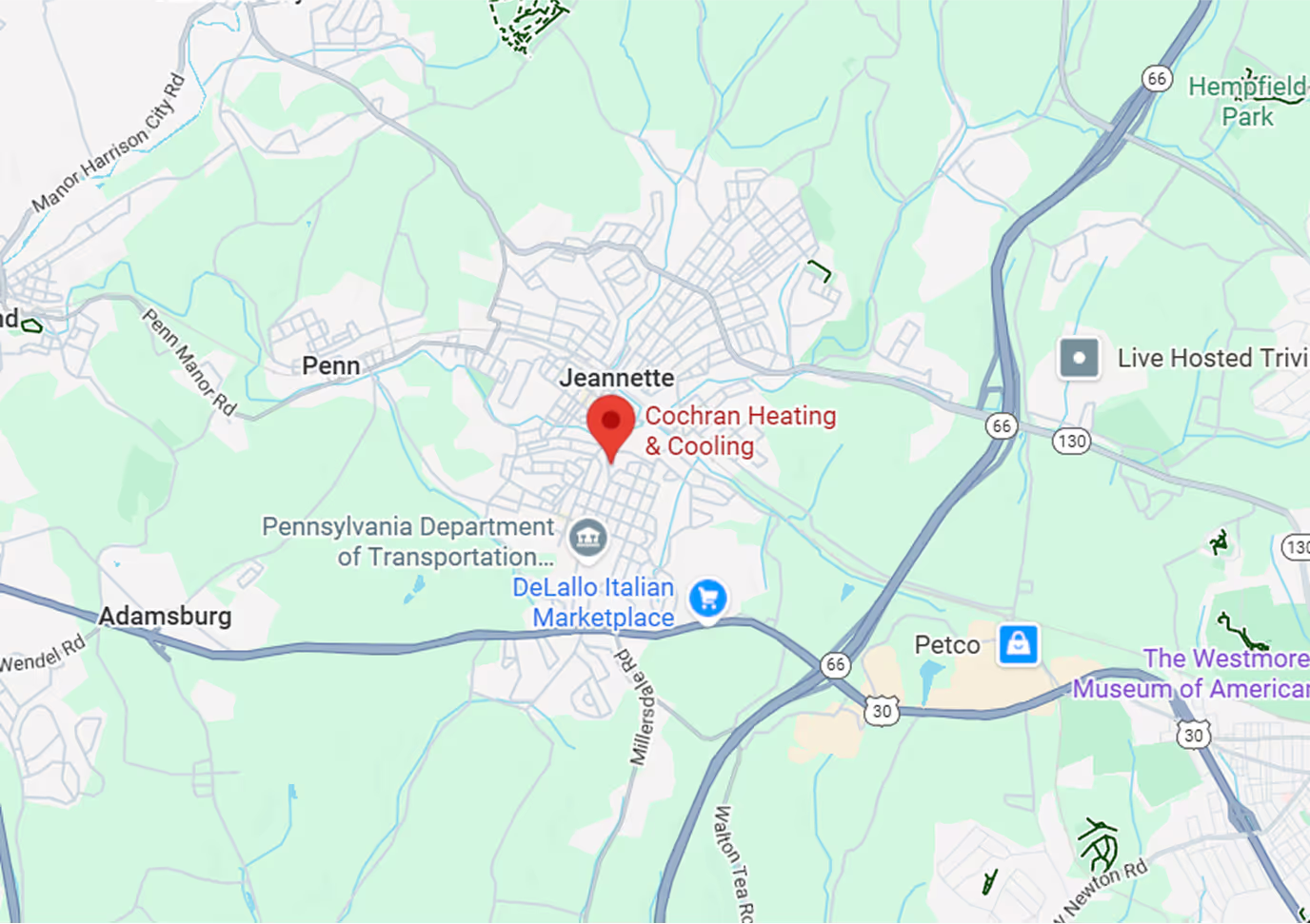
Mini Split Installation in Manor, PA
A professionally installed mini split system delivers efficient, zoned heating and cooling for Manor, PA, homes that either lack ductwork or require precise temperature control in specific areas. Given the humid summers and cold winters common in Lancaster County, a ductless mini split can enhance year-round comfort while minimizing energy loss linked to outdated or non-existent duct systems. Cochran Heating & Cooling provides expert installation to ensure optimal performance. This information details the complete mini split installation process, what to anticipate during diagnostics and commissioning, typical local challenges, and recommendations for ensuring long-lasting performance in Manor, PA.
%2520(1)-min.jpeg)
Mini Split Installation in Manor, PA
A properly installed mini split system provides efficient, zoned heating and cooling for Manor, PA homes that lack ductwork or need targeted comfort control. With humid summers and cold winters in Lancaster County, a ductless mini split can improve year round comfort while reducing energy loss tied to old or absent ducts. This page explains the end to end mini split installation process, what to expect during diagnostics and commissioning, common local issues, and recommendations for long lasting performance in Manor, PA.
Why choose a mini split in Manor, PA
Mini splits are especially useful in Manor homes that are older, have addition rooms, finished basements, or detached spaces where running ducts is impractical. Benefits include:
- Zoned temperature control for individual rooms
- High efficiency with modern inverter compressors that save energy during shoulder seasons
- Minimal disruption during installation compared with duct retrofits
- Year round heating and cooling capability important for Lancaster County climate
Common mini split needs and issues in Manor, PA
Homeowners typically request installations for:
- New installations in homes without ducts
- Replacing inefficient window units or portable heaters
- Adding comfort to basements, garages, sunrooms, or additions
- Improving humidity control during hot, humid summers
Common problems installers diagnose locally:
- Undersized systems that struggle during heat waves or cold snaps
- Poor indoor unit placement causing cold or hot spots
- Inadequate electrical provision or outdated panels
- Line-set routing issues that increase risk of leaks or reduce efficiency
- Outdoor unit siting that traps heat or is exposed to drifting snow
Site evaluation and system sizing
A professional installation begins with a comprehensive site evaluation. This includes:
- Room by room heat load calculations using industry standard methods to determine correct capacity
- Assessing insulation levels, window exposures, solar gain, and typical occupancy patterns
- Reviewing existing electrical service and available breaker space
- Identifying mounting locations for indoor and outdoor units, considering noise, aesthetics, and service access
Correct system sizing is crucial. Oversized units cycle frequently and underperform at dehumidification. Undersized systems run continuously and cannot maintain comfort during extreme Manor summer or winter conditions.
Indoor and outdoor unit options
Indoor unit types commonly offered:
- Wall mounted units: Compact, effective for most rooms
- Ceiling cassette units: Better for multi direction airflow in open areas
- Floor mounted units: Useful in rooms with low wall space or for retrofit basement installs
Outdoor unit considerations:
- Single zone vs multi zone outdoor compressors to serve one or several indoor heads
- Variable speed inverter technology for precise comfort and higher efficiency
- Weather protection and elevated mounting to avoid snow buildup
Mounting, line-set routing, and electrical requirements
Mounting and line-set routing are done to maximize performance and ease of future service:
- Indoor units are typically mounted high on a flat wall, clear of obstructions and 6 to 12 inches below the ceiling where possible for even airflow
- Line-set penetrations are kept as small as possible, routed with a slight slope back to the outdoor unit to prevent oil and refrigerant pooling
- Outdoor units are placed on a level pad or brackets, with clearance for airflow, maintenance, and snow drift considerations common in Manor winters
Electrical requirements vary by model but generally include:
- Dedicated circuit with correct breaker size and disconnect per code
- Proper wire gauge and conduit for the unit voltage (installer will verify 120V, 208/240V, or three phase as required)
- Compliance with Lancaster County and Manor municipal electrical and building codes, and permit acquisition when required
Professional installation steps
A professional installation typically follows these steps:
- Finalize placement and obtain any required permits
- Mount indoor unit and route line-set and control wiring
- Install and secure outdoor unit on pad or bracket
- Connect refrigerant lines and flare or braze joints as specified
- Evacuate the system with a vacuum pump to remove moisture and air
- Charge or confirm refrigerant charge as required by manufacturer
- Complete electrical connections and install safety disconnects
Each step is performed to manufacturer specifications to preserve warranties and ensure efficient operation.
Commissioning and performance testing
Proper commissioning confirms the system was installed correctly:
- Leak testing and pressure checks on refrigerant lines
- Measuring vacuum level and ensuring the correct hold time before opening the system to refrigerant
- Verifying refrigerant charge using superheat and subcooling or electronic charging methods
- Checking airflow and verifying indoor unit airflow rates and temperature differentials
- Confirming proper operation of controllers, timers, and any smart or app based features
- Documenting start up conditions and recommended setpoints for Manor seasonal variations
Commissioning reduces callbacks and ensures your mini split performs reliably through hot, humid summers and freezing winters.
Warranty, post-installation support, and maintenance
Understand both manufacturer and workmanship warranties. Standard items include:
- Manufacturer warranty on compressor and components (term varies by brand)
- Installer workmanship warranty covering labor for a defined period
- Registration of the system with the manufacturer to maintain full warranty coverage
Recommended post-installation support:
- Annual or biannual inspections to check refrigerant levels, clean filters and coils, and verify electrical connections
- Quick response for any unusual noises, loss of cooling or heating, or controller errors
- Seasonal tips for Manor: cover outdoor units during heavy ice storms if recommended by manufacturer and ensure snow is cleared from around the condenser.
Recommendations for optimal unit placement in Manor, PA homes
- Place indoor units where occupants spend the most time and where unobstructed airflow can circulate the room
- Avoid mounting above heat sources, direct sunlight, or tight recessed spaces
- Position outdoor units with at least two to three feet of clearance from walls and shrubs and provide a path that avoids snow accumulation
- Keep total line-set length and number of bends minimal to preserve efficiency and reduce refrigerant charge requirements
Q: How long does a typical mini split installation take in Manor, PA?
A: Most single zone installs are completed in one day, while multi zone systems or complex retrofits may take two to three days depending on routing, permits, and site conditions.
Q: Will a mini split heat through winter in Lancaster County?
A: Yes. Modern heat pump mini splits with inverter technology provide efficient heating well below freezing. Proper sizing and winter-rated models are important for reliable performance.
Q: Do I need a permit for mini split installation in Manor, PA?
A: Permit requirements vary by project scope and local codes. A professional installer will verify local Lancaster County and Manor requirements and secure permits when necessary.
Q: How often should mini split filters and coils be serviced?
A: Filter cleaning or replacement is recommended every 1 to 3 months depending on use. Professional coil cleaning, electrical checks, and refrigerant inspections are recommended annually.
Q: Can a mini split be installed in a historic or older Manor home without changing the structure?
A: Yes. Mini splits are ideal for retrofits since they require only a small penetration for the line-set and minimal wall modifications.
Q: What causes poor performance after installation?
A: Common causes include incorrect sizing, improper refrigerant charge, poor indoor unit placement, restricted airflow, or inadequate electrical supply. Proper commissioning addresses these issues during initial start up.