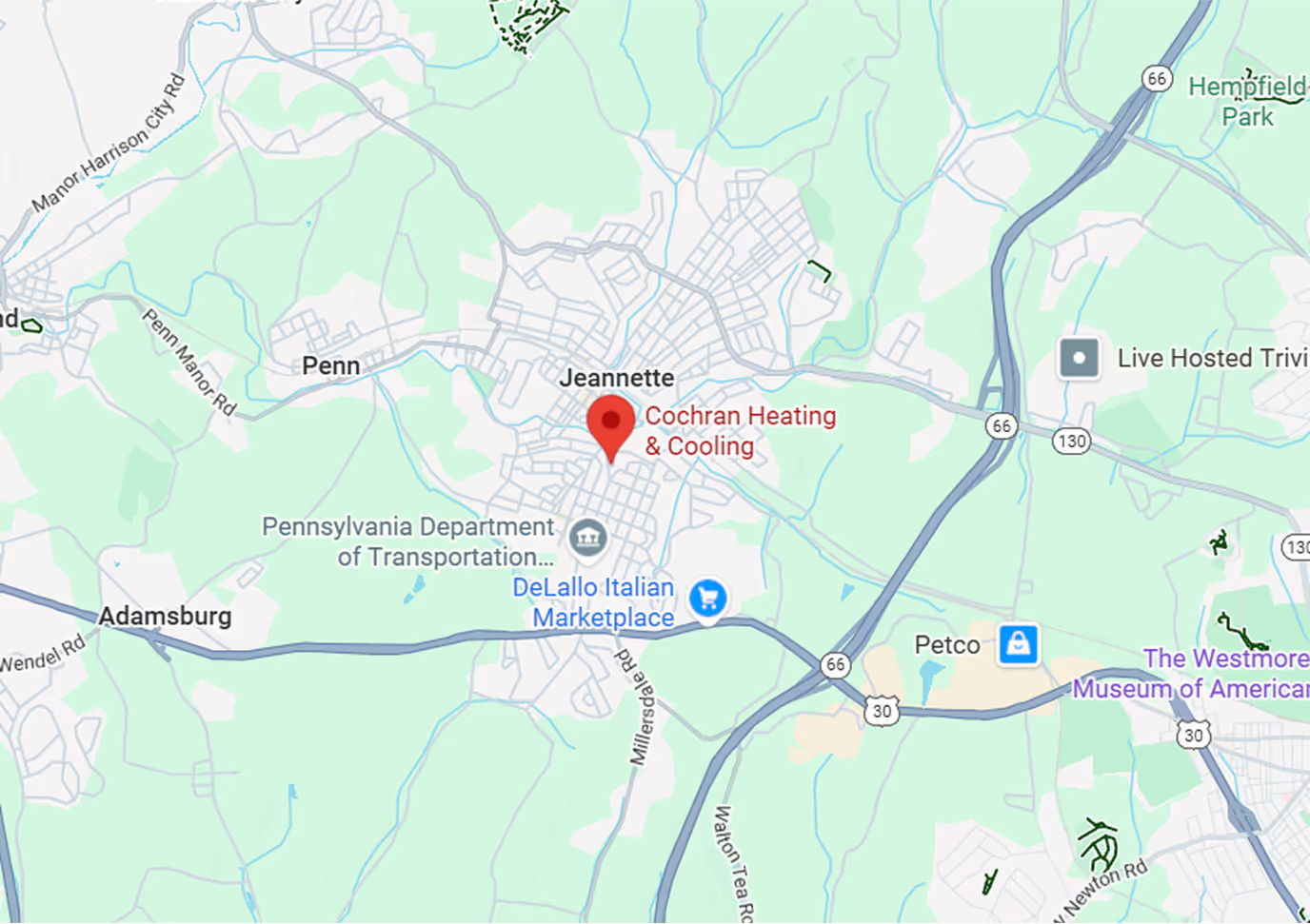
Mini Split Installation in West Newton, PA
Mini-split installation in West Newton, PA, provides a flexible and energy-efficient solution for heating and cooling homes that often lack ductwork or require targeted comfort control. Given the humid summers and cold winters in this area, Cochran Heating & Cooling ensures properly designed mini-split systems deliver year-round comfort, lower operating costs, and reduced indoor humidity through correct installation and commissioning. We'll explain the installation process, common issues specific to West Newton homes, what our professional installers evaluate, and what to expect once the system is operational.
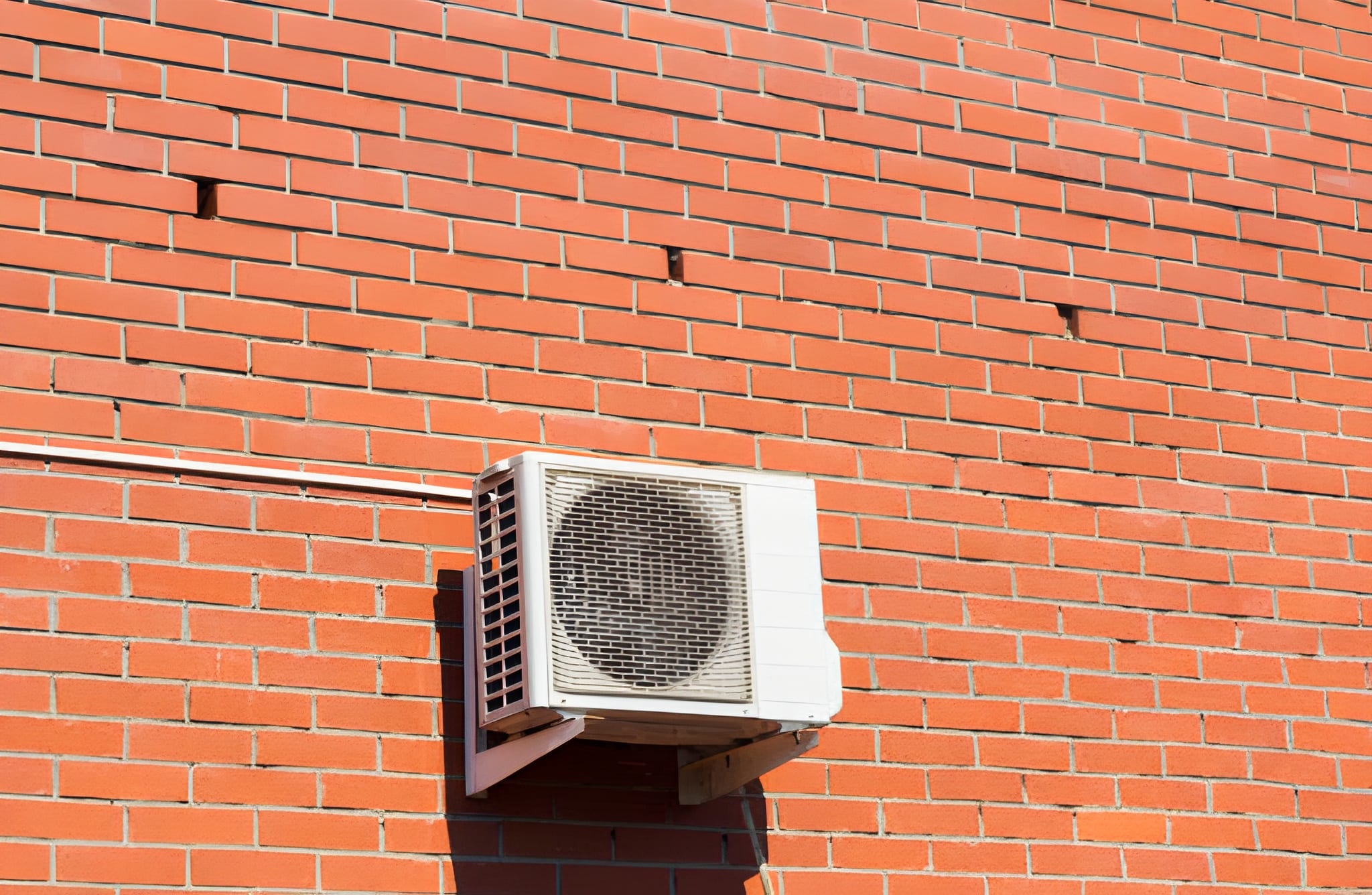
Mini Split Installation in West Newton, PA
Mini split installation in West Newton, PA provides a flexible, energy-efficient way to heat and cool homes that often lack ductwork or need targeted comfort control. With humid summers and cold winters in this region, properly designed mini split systems deliver year-round comfort, lower operating costs, and reduced indoor humidity when installed and commissioned correctly. This page explains the installation process, common issues specific to West Newton homes, what professional installers evaluate, and what to expect after the system is live.
Why a mini split can be a smart option in West Newton, PA
- Many West Newton homes are older and were built without central duct systems, making ductless mini splits an ideal solution for room-by-room comfort.
- Humidity control during warm months helps prevent mold and dampness common near river valleys and basements.
- Modern mini splits provide efficient heating during shoulder seasons, often reducing the reliance on fossil fuel systems when sized and installed correctly.
- Zoned control helps keep energy use targeted to occupied rooms, which is useful for hybrid work patterns and unevenly used living spaces.
Common mini split installation types and issues in West Newton
- Single-zone systems for one room or basement finishing projects.
- Multi-zone systems for whole-home conversions or multiple living areas.
- Short-run installations where outdoor unit location must be close to indoor units because of property constraints.
- Common issues encountered here:
- Limited outdoor space for condenser placement on narrow lots or steep yards.
- Older electrical panels that may require an upgrade to handle a new compressor circuit.
- Historic siding or brick walls that need careful mounting and line routing to preserve appearance.
- High humidity loads in lower levels requiring proper drain routing and condensate management.
Site assessment, sizing, and model selection
A thorough site assessment is the foundation of a reliable installation. Key elements include:
- Home layout review and room-by-room heat loss and heat gain calculations to determine correct capacity. Oversizing and undersizing both reduce comfort and efficiency.
- Evaluation of insulation, window performance, ceiling height, and local solar exposure. These factors change sizing needs more than simple home square footage.
- Electrical service inspection to confirm panel capacity and circuit space. In West Newton homes, older panels often need space for the dedicated compressor breaker.
- Consideration of preferred brands and features such as variable-speed inverter compressors, energy recovery ventilator compatibility, and multi-zone indoor head styles (wall-mounted, floor-mounted, or ceiling cassette).Selecting the right model and capacity based on these findings prevents common performance problems like short cycling or inadequate heating in winter.
Indoor and outdoor unit placement
Proper placement maximizes comfort and minimizes visual impact:
- Indoor units should be installed where airflow can circulate the room effectively without blowing directly on seating areas. Wall-mounted units are common for living rooms and bedrooms.
- Outdoor units need a stable, level pad with good airflow clearance. In West Newton yards, consider vibration isolation and elevation above snow accumulation and heavy precipitation.
- Line set routing should minimize length and wall penetrations while preserving building envelope integrity. For historic facades, routing through basements or crawlspaces can avoid visible exterior holes.
Professional mounting, refrigerant line routing, and electrical connections
A professional installation includes:
- Secure mounting of indoor units using appropriate brackets or recessed options when required.
- Accurate refrigerant line sizing, brazing, and insulation to prevent losses and ensure proper refrigerant flow. Technicians follow manufacturer charging procedures, often using a combination of measured refrigerant charge and superheat/subcooling checks.
- Proper condensate drain routing with traps and slope for reliable removal. In cold months, consider condensate freeze protection where applicable.
- Dedicated electrical circuit installation with appropriately sized breakers and disconnects, plus grounding and surge protection per code.
- Permit considerations: local building codes in West Newton may require electrical and mechanical permits and inspections. Proper permitting avoids future compliance issues and protects warranty coverage.
Post-installation testing and user walkthrough
After physical installation, thorough testing is critical:
- System leak testing and evacuation to verify no moisture or contaminants remain in the refrigerant lines.
- Refrigerant charge verification and operational testing across modes: cooling, heating, defrost cycles, and fan-only modes.
- Measurement of airflow, temperature differentials, and system pressures to confirm performance targets.
- A detailed user walkthrough that covers remote controls, app or Wi-Fi setup (if available), scheduling, filter cleaning, and routine checks. Clear guidance ensures homeowners use the system efficiently and maintain warranty requirements.
Warranty registration and financing considerations
- Most manufacturers provide limited warranties on compressors and parts and require professional installation and permit documentation for full coverage. Keep records of permits, unit model numbers, and installer documentation for warranty claims.
- Financing options are commonly available through third-party lenders or manufacturer programs for qualified projects. Financing can make higher-efficiency multi-zone systems accessible while still meeting budget constraints for West Newton homeowners.
Maintenance, common troubleshooting, and long-term benefits
Routine maintenance extends life and preserves efficiency:
- Clean or replace indoor filters regularly and schedule annual professional maintenance to check refrigerant levels, electrical connections, and heat exchanger condition.
- Keep outdoor units clear of vegetation, snow, and debris to preserve airflow. In West Newton winters, raised pads and routine snow clearing prevent airflow restriction.
- Typical issues that maintenance prevents: reduced capacity from dirty coils, short cycling from improper charge, and water leaks from blocked drains.Long-term benefits of a properly installed mini split include lower energy bills through zoned control, improved indoor comfort with accurate temperature and humidity control, and reduced noise compared to window units or older baseboard systems.
FAQs
Q: How long does a typical mini split installation take in West Newton, PA?
A: Most single-zone installations can be completed in a day, while multi-zone setups typically require one to three days depending on the number of indoor units, line set lengths, and any electrical or permitting work needed.
Q: Will a mini split provide sufficient heat during cold West Newton winters?
A: When sized correctly and using a cold-climate rated model, a mini split can provide reliable heating for most West Newton homes. In very cold periods, supplemental heat may be recommended for poorly insulated spaces.
Q: Are permits required for mini split installation in West Newton?
A: Permitting requirements vary by municipality. Electrical and mechanical permits are commonly required and a local inspection may be part of the process to ensure code compliance and preserve warranty coverage.
Q: How often should mini split filters and components be serviced?
A: Homeowners should clean basic filters monthly during heavy use and schedule a professional tune-up annually to inspect refrigerant levels, electrical connections, and condensate management.
Q: What should I consider when choosing indoor unit locations in an older West Newton home?
A: Consider airflow patterns, preservation of historic surfaces, proximity to electrical panels, and minimizing visible exterior line runs. In some cases, floor-mounted or low-profile indoor heads offer better aesthetics and performance.