

Mini Split Maintenance in West Newton, PA
Keeping mini-split systems operating efficiently is vital for West Newton, PA, homes facing humid summers, cold winters, and seasonal pollen. Regular mini-split maintenance by Cochran Heating & Cooling preserves performance, lowers energy costs, and prevents mid-season failures that are particularly inconvenient during heat waves or cold snaps. A thorough mini-split tune-up includes diagnostic checks tailored to local conditions, ensuring your system is ready for anything.
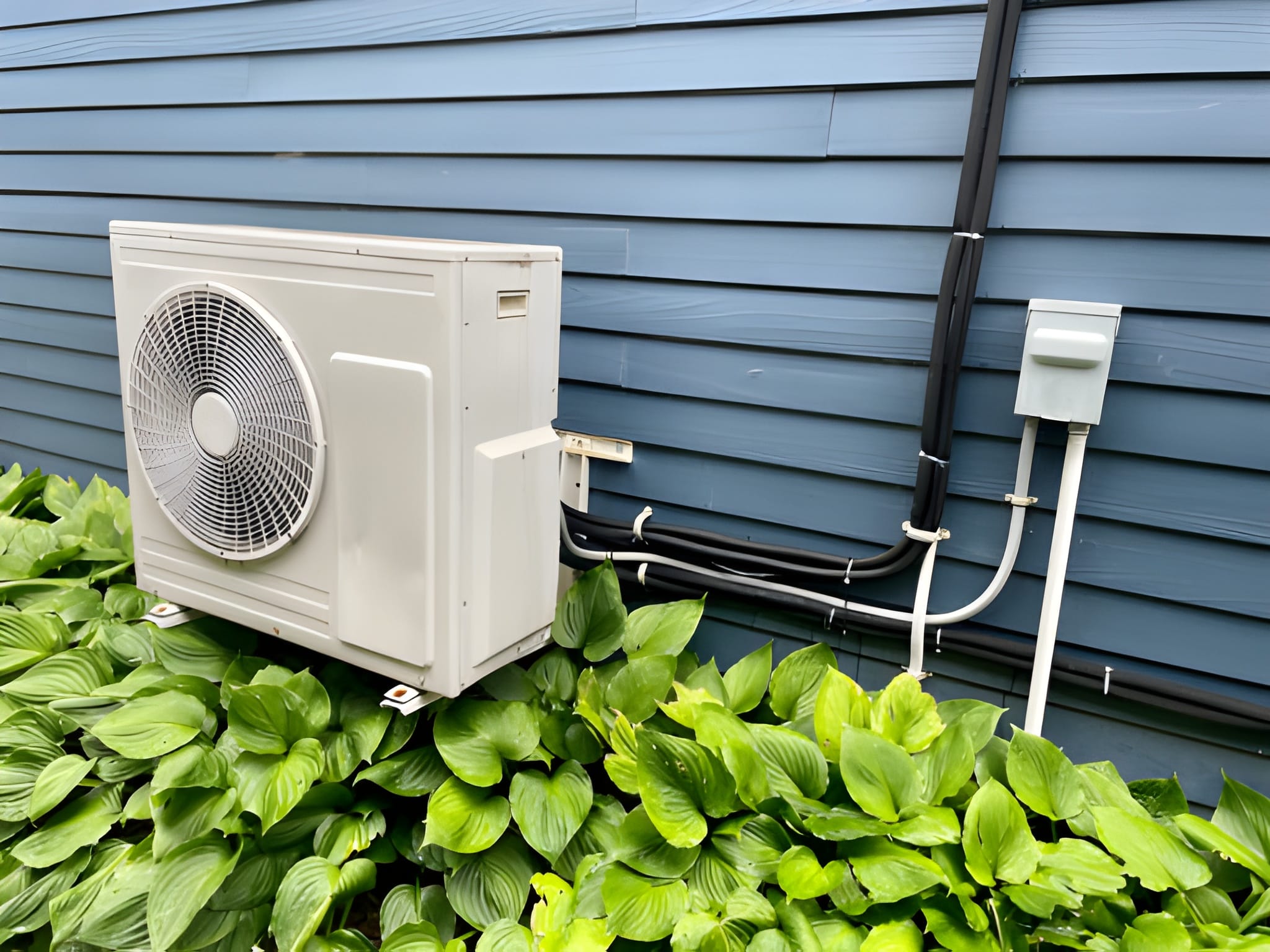
Mini Split Maintenance in West Newton, PA
Keeping mini split systems operating efficiently is essential for West Newton, PA homes that face humid summers, cold winters, and seasonal pollen. Regular mini split maintenance preserves performance, reduces energy costs, and prevents mid-season failures that are especially inconvenient during heat waves or cold snaps. This page explains what a thorough mini split tune-up includes, common issues seen in West Newton, diagnostic checks technicians perform, and the advantages of preventative maintenance plans tailored to local conditions.
Why mini split maintenance matters in West Newton, PA
Mini splits are popular in West Newton for zoned comfort and easy installation in older or retrofit homes. However, local climate and environmental factors — high summer humidity, leaf and pollen buildup in spring and fall, and occasional road salt exposure in winter — increase wear on outdoor units and clog filters faster than in milder climates. Regular maintenance helps systems maintain rated efficiency, extend component life, and keep indoor air quality high.
Common mini split issues in West Newton, PA
- Clogged filters and reduced airflow from pollen, dust, and pet dander, causing poor cooling or heating and higher energy use.
- Dirty indoor or outdoor coils that limit heat exchange and force compressors to work harder.
- Refrigerant leaks or low refrigerant charge, producing weak cooling/heating and potential compressor damage.
- Electrical problems such as loose connections, failed capacitors, or worn relays that can lead to intermittent operation or system failure.
- Blocked condensate drains and pans, leading to water leaks and microbial growth in humid months.
- Defrost or heat mode issues in winter (outdoor coil icing, failed sensors) that reduce heating performance.
- Fan motor wear or imbalance caused by debris or corrosion on outdoor units.
What a complete seasonal tune-up typically includes
A professional seasonal tune-up for mini splits in West Newton generally covers these elements, explained in plain terms so homeowners understand the value:
- Filter cleaning or replacement: Remove and either clean reusable filters or replace disposable ones to restore airflow and indoor air quality.
- Coil cleaning: Gently clean indoor evaporator and outdoor condenser coils to improve heat transfer and efficiency.
- Refrigerant level check: Measure refrigerant pressures and temperature differentials to verify proper charge; diagnose leaks if levels are low.
- Electrical and control inspection: Inspect wiring, terminals, capacitors, contactors, and control boards for wear, tightness, and safe operation.
- Drain line and condensate inspection: Clear blockages, sanitize drain pans if needed, and check condensate pumps to prevent leaks and mold growth.
- Fan and motor assessment: Check blower and condenser fan operation, motor bearings and vibration, and clean blades.
- Thermostat and remote control check: Confirm accurate setpoints, sensor placement, and reliable communication between indoor and outdoor units.
- Performance testing: Measure supply and return temperatures, airflow estimates, and electrical draw to confirm system is delivering expected capacity.
- Visual inspection for corrosion and debris: Especially after winter, check outdoor cabinet for corrosion or debris that could impede airflow or damage components.
Diagnostics and performance checks — what technicians look for
During maintenance, technicians use simple tests and measurements to pinpoint problems before they become major repairs:
- Measure refrigerant pressures and calculate superheat/subcooling to detect incorrect charge or restrictions.
- Record supply and return air temps to evaluate cooling/heating capacity and airflow performance.
- Use clamp meters to measure current draw on compressors and fans to detect failing motors or overloading.
- Inspect wiring with a visual check and hand-tighten connections to reduce risk of arcing or failure.
- Evaluate defrost cycles and sensors in cold weather operation to ensure reliable heating and prevent compressor stress.
These checks translate into faster problem detection and more accurate repairs, reducing the chance of unexpected breakdowns during peak seasons.
Preventative maintenance plans and service agreements
A preventative maintenance plan (service agreement) tailored for West Newton homeowners typically includes scheduled seasonal visits, priority appointment windows during peak seasons, planned filter changes, and annual performance reports. Benefits of enrolling in a plan include predictable upkeep, documented maintenance for warranty compliance, and fewer emergency service calls during heat waves or cold snaps. Plans can be customized by the number of indoor heads, the age of the system, and specific local needs such as high pollen seasons.
Benefits of regular mini split servicing
- Improved energy efficiency: Clean coils and correct refrigerant charge reduce run times and lower utility bills.
- Extended system life: Maintenance reduces wear on compressors, fans, and electrical components.
- Fewer emergency repairs: Proactive inspections catch issues early, avoiding costly breakdowns at the worst times.
- Consistent comfort: Zoning performance remains reliable with proper airflow and calibrated controls.
- Better indoor air quality: Clean filters and drain lines decrease dust and microbial growth inside homes.
- Warranty protection: Many manufacturers require regular maintenance to keep warranties valid.
Scheduling and timing recommendations for West Newton
- Plan one major tune-up in spring focused on cooling readiness and one in fall for heating readiness. Spring service is ideal before high humidity and hot weather arrive; fall service helps ensure reliable heat mode as temperatures drop.
- Consider quarterly or semiannual filter checks in homes with pets or heavy pollen exposure.
- Arrange an inspection after severe storms, heavy pollen events, or power surges to catch debris, blockage, or electrical issues.
- Use preventative plans to secure seasonal appointment windows and avoid delays during peak demand.
Mini split maintenance in West Newton, PA, tailored to regional climate and seasonal needs, preserves comfort and reduces operating costs. Regular tune-ups, targeted diagnostics, and a preventative service plan together keep ductless systems running reliably year-round.
Q: How often should I have my mini split inspected in West Newton, PA?
A: A full seasonal tune-up is recommended twice a year—spring for cooling and fall for heating—plus filter checks every 1–3 months depending on use, pets, and pollen levels.
Q: What signs indicate my mini split needs immediate service?
A: Noticeable loss of cooling or heating, unusual noises, water leaks, frequent cycling, higher-than-normal energy bills, or error codes on the indoor unit are signs to have the system inspected promptly.
Q: Will regular maintenance prevent refrigerant leaks?
A: Regular maintenance helps detect leaks early through pressure and performance checks, reducing damage risk. It cannot always prevent leaks caused by corrosion or accidental damage, but it significantly reduces the chance of small leaks becoming major problems.
Q: Are refrigerant checks safe for older systems that use R-22?
A: Technicians can safely evaluate refrigerant levels and system condition. Older R-22 systems may require special handling; assessing long-term options is part of an informed maintenance plan.
Q: Does maintenance include cleaning the outdoor unit after winter?
A: Yes, seasonal maintenance typically includes clearing debris, checking for corrosion, and cleaning the outdoor coil to restore airflow and efficiency after winter conditions.
